Note: This article is based on official Canadian date-writing guidance, international date standards, and recognized English style references, rewritten in original, web-ready language.
Introduction: Why Canadian Dates Confuse Almost Everyone at Least Once
Writing a Canadian date sounds easy until you realize Canada politely borrowed habits from several places, invited them all to dinner, and forgot to assign seats. In one document, you may see January 7, 2026. In another, you may see 7 January 2026. On a form, you may see 2026-01-07. And if someone writes 01/07/26, congratulations: you have entered the foggy forest of date confusion.
The good news is that writing a Canadian date is not difficult once you understand the purpose of each format. Canada uses different date styles depending on the setting: formal writing, government forms, business documents, databases, travel papers, school assignments, and everyday notes. The safest all-numeric Canadian date format is YYYY-MM-DD, meaning year first, then month, then day. For written-out dates, Canadians may use either January 7, 2026 or 7 January 2026, depending on audience, region, and style preference.
This guide breaks the process into seven simple steps so you can write Canadian dates clearly, professionally, and without accidentally turning March 5 into May 3. Dates are small, but when they appear on contracts, invoices, resumes, travel documents, medical forms, or event pages, clarity matters. A tiny slash can cause a very large headache.
Step 1: Learn the Official Numeric Canadian Date Format
The most reliable way to write a Canadian date using only numbers is:
YYYY-MM-DD
That means the year comes first, followed by the month, followed by the day. For example:
- 2026-01-07 means January 7, 2026.
- 2026-07-01 means July 1, 2026.
- 2026-12-25 means December 25, 2026.
This format follows the international date order used in ISO-style notation. Its biggest advantage is that it removes ambiguity. The date 2026-04-09 can only mean April 9, 2026. It does not become September 4 because someone grew up reading dates differently.
When writing a Canadian date numerically, use four digits for the year, two digits for the month, and two digits for the day. If the month or day is a single digit, add a zero before it. Write 2026-03-05, not 2026-3-5. That leading zero may look tiny, but it keeps forms, databases, spreadsheets, and readers happy. And a happy spreadsheet is a rare and beautiful creature.
Step 2: Use Hyphens Instead of Slashes for Numeric Dates
If you want the cleanest Canadian date format, use hyphens:
2026-08-14
Avoid using slashes when clarity matters. A date like 08/14/2026 looks familiar to many American readers, but it does not fit the most reliable Canadian numeric style. A date like 14/08/2026 may be clear to many international readers, but not to everyone. A date like 08/09/2026 is where the trouble really begins. Is it August 9 or September 8? Nobody wants a meeting invite that behaves like a riddle.
Hyphens support the year-month-day structure and visually separate each part. They are especially useful in digital content, file names, reports, spreadsheets, and records that need to be sorted chronologically. For example, if you name files using 2026-01-10-report, 2026-02-10-report, and 2026-12-10-report, they will line up in order. If you use mixed date styles, your folder may start looking like it was organized by a raccoon with a calendar app.
Step 3: Write Out the Month When You Want Maximum Clarity
For everyday writing, especially when the audience is broad, writing out the month is often the best choice. Instead of using a numeric date, write:
- January 7, 2026
- 7 January 2026
Both forms can appear in Canadian English. The month-first style, such as January 7, 2026, will feel familiar to readers used to American English. The day-first style, such as 7 January 2026, is common in many international and formal contexts. The key is to choose the version that best fits your audience and use it consistently.
Writing out the month is particularly helpful for invitations, blog posts, school notices, event pages, newsletters, and customer emails. Compare these two examples:
- The deadline is 04/05/2026.
- The deadline is April 5, 2026.
The second version wins. It is clear, friendly, and unlikely to start an argument in the comment section. If you are writing for the web, spelling out the month also improves readability because users scan pages quickly. They should not have to stop and decode the date like it is a secret message hidden in a spy movie.
Step 4: Know When to Use Month-Day-Year
The format Month Day, Year is common in Canadian English writing, especially in business communication, media content, marketing copy, and public-facing announcements. It looks like this:
- March 15, 2026
- September 30, 2026
- December 1, 2026
When using this style, place a comma after the day when the year follows. If the sentence continues after the year, many style guides also place a comma after the year:
Correct: The workshop begins on March 15, 2026, at the downtown training center.
This style is easy for American audiences to read, which makes it useful when your content serves readers in both Canada and the United States. Since the user request is for standard American English, Month Day, Year is a smooth choice for prose. However, for all-numeric Canadian dates, YYYY-MM-DD remains the clearest option.
Step 5: Know When to Use Day-Month-Year
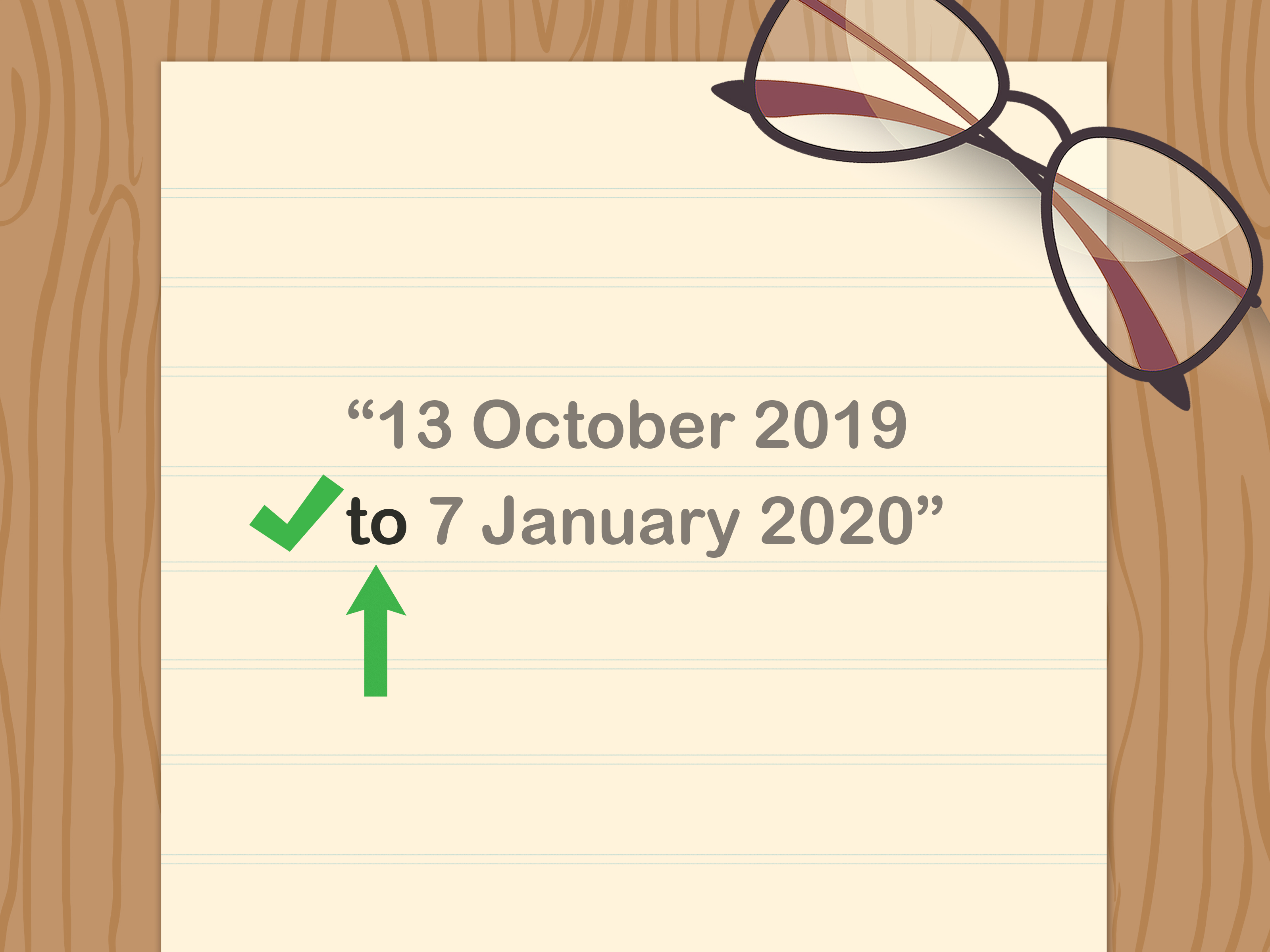
The format Day Month Year is also widely understood in Canada, especially in formal, academic, military, governmental, international, and bilingual settings. It looks like this:
- 15 March 2026
- 30 September 2026
- 1 December 2026
One advantage of this format is that it does not require commas. That makes it clean and efficient in documents that contain many dates. For example:
The study period ran from 15 March 2026 to 30 September 2026.
This reads neatly and avoids punctuation clutter. If your audience includes readers outside North America, this date style may feel more familiar than the month-first format. It is also useful when writing formal reports, academic papers, historical timelines, and international business documents.
However, do not mix day-month-year and month-day-year in the same piece of writing unless you have a very good reason. Readers do not enjoy playing calendar detective. Pick a style, keep it steady, and let everyone get on with their lives.
Step 6: Avoid Ordinal Endings in Formal Dates
In casual speech, people often say, “January seventh” or “the seventh of January.” In formal writing, however, dates usually use cardinal numbers without endings like st, nd, rd, or th.
Use:
- January 7, 2026
- 7 January 2026
Avoid:
- January 7th, 2026
- 7th January 2026
Ordinal endings are not evil. They are just less polished in formal dates. They may work in wedding invitations, creative writing, or very casual notes, but they are usually unnecessary in professional content. If your article, business page, academic paper, resume, form, or press release needs a date, keep it simple. The number alone is enough.
Step 7: Match the Date Format to the Purpose
The easiest way to write a Canadian date correctly is to ask one practical question: Where will this date appear?
For Forms, Databases, and File Names
Use YYYY-MM-DD. This is the safest numeric format because it sorts well and avoids confusion.
Example: 2026-10-04
For Blog Posts and General Web Content
Use a written-out month for readability. Since this article is written in American English, October 4, 2026 is usually a strong choice.
Example: The guide was updated on October 4, 2026.
For International or Formal Writing
Use 4 October 2026 or 2026-10-04, depending on whether the date appears in prose or a numeric field.
For Bilingual Canadian Contexts
Be extra careful. English and French date habits may differ, and numeric ambiguity can become even more annoying. If the document is public, official, or bilingual, the year-month-day numeric style is often the cleanest solution.
Common Canadian Date Examples
Here are several examples showing how one date can appear in different Canadian-friendly formats:
| Purpose | Recommended Format | Example |
|---|---|---|
| Official numeric date | YYYY-MM-DD | 2026-07-01 |
| American-style prose | Month Day, Year | July 1, 2026 |
| International-style prose | Day Month Year | 1 July 2026 |
| File name | YYYY-MM-DD-topic | 2026-07-01-canada-day |
| Casual note | Written month preferred | See you on July 1 |
Why the Canadian Date Format Matters
Date clarity is not just a grammar issue. It affects communication, scheduling, legal accuracy, record keeping, travel planning, and user experience. A confusing date can lead to missed appointments, late payments, incorrect bookings, or awkward emails that begin with “Oops, I thought you meant…”
For example, imagine a Canadian company sends an invoice due on 05/06/2026 to a client in the United States. The Canadian sender may mean June 5, while the American reader may understand May 6. That is not a date; that is a tiny administrative grenade.
Using 2026-06-05 or spelling out June 5, 2026 solves the problem immediately. Clear date formatting is especially important for businesses with international customers, remote teams, global suppliers, online stores, healthcare forms, academic records, and legal documents.
Best Practices for Writing Canadian Dates Online
Use Consistent Formatting Across the Page
If your article begins with January 7, 2026, do not suddenly switch to 7 January 2026 halfway through unless you are explaining both formats. Consistency helps readers trust the page.
Spell Out Months in User-Facing Content
For public websites, blog posts, landing pages, product descriptions, event calendars, and email newsletters, spelling out the month is usually the friendliest option. It improves readability and reduces confusion.
Use Numeric Dates in Tables Only When Space Is Limited
Tables, forms, dashboards, and charts often have limited room. In those cases, YYYY-MM-DD is compact and clear. Add a note near the table if needed, such as: Dates are shown in YYYY-MM-DD format.
Do Not Assume Your Reader Shares Your Date Habit
Canadian readers are used to seeing more than one date style. That flexibility is useful, but it also means writers should be deliberate. When the date matters, remove guesswork.
SEO Tips for Content About Canadian Date Writing
If you are publishing an article about Canadian date formats, use natural keywords such as Canadian date format, how to write a Canadian date, YYYY-MM-DD Canada, Canadian date writing, and date format in Canada. These phrases match what readers are likely to search when they are confused by a form, application, or document.
Place the main keyword in the title, introduction, at least one subheading, and the conclusion. Avoid repeating the same phrase in every paragraph. Search engines like clarity, not a marching band of identical keywords. A good SEO article answers the question fully, gives examples, and helps readers complete the task quickly.
Quick Rules to Remember
- For numeric Canadian dates, use YYYY-MM-DD.
- Use hyphens, not slashes, when writing the official numeric format.
- Add leading zeros for single-digit months and days.
- Write out the month when you want maximum clarity.
- Use Month Day, Year for American-style prose.
- Use Day Month Year for many formal or international contexts.
- Avoid st, nd, rd, and th in formal dates.
Experience Section: Real-Life Lessons from Writing Canadian Dates
One of the funniest things about Canadian date writing is that it feels obvious to everyone until two people compare notes. A person who works in marketing may naturally write April 6, 2026. Someone in data management may prefer 2026-04-06. A person with international experience may write 6 April 2026. All three are understandable, but they are not equally useful in every situation.
In real-world writing, the best date format is the one that prevents questions. When creating website content, I have found that spelling out the month works best for readers. A blog post that says Updated on April 6, 2026 feels natural and readable. It does not force visitors to pause. That small moment matters because online readers are impatient. They scan, scroll, judge, and leave faster than a cat exiting a bath.
For file names, however, the written month becomes clumsy. A folder full of files named April 6 report, December 1 report, and January 9 report will not sort neatly. That is where YYYY-MM-DD becomes the hero wearing sensible shoes. File names like 2026-01-09-report, 2026-04-06-report, and 2026-12-01-report automatically fall into chronological order. No drama. No dragging files around manually. No muttering at your computer like it personally betrayed you.
Another lesson comes from scheduling. When teams include people from Canada, the United States, Europe, and Asia, numeric dates with slashes can create instant confusion. A message that says Meeting moved to 03/04/2026 may look harmless, but it can mean March 4 or April 3 depending on the reader. The better version is simple: Meeting moved to April 3, 2026 or Meeting moved to 2026-04-03. The extra clarity saves follow-up emails, calendar mistakes, and the classic “Wait, is that today?” panic.
For resumes and professional profiles, month-year combinations are often cleaner than full dates. Instead of writing an exact start date such as 2024-06-03, many people write June 2024. That gives enough information without clutter. However, if an application system requests a numeric date, follow the field instructions exactly. Forms are not known for their sense of humor.
In education and academic writing, consistency is the secret. If a paper uses 12 May 2026 in one paragraph and May 12, 2026 in another, readers may not be confused, but the writing feels less polished. A consistent date style makes the document look edited, professional, and intentional. That is the quiet power of formatting: when it is done well, nobody notices. When it is done badly, everyone notices.
The most practical habit is to decide your format before writing. For public American English content, use Month Day, Year in sentences and YYYY-MM-DD in numeric fields. For Canadian official-style numeric dates, use YYYY-MM-DD. For international formal prose, consider Day Month Year. Once that decision is made, stick to it from top to bottom. Your readers will not send you a thank-you card, but they also will not send confused emails. That is a win.
Conclusion
Writing a Canadian date becomes easy once you separate numeric dates from written dates. For numbers only, the clearest Canadian format is YYYY-MM-DD, using hyphens and leading zeros. For prose, you can write January 7, 2026 or 7 January 2026, depending on audience and purpose. The main goal is not to impress people with calendar sophistication. The goal is to make the date impossible to misunderstand.
If you are writing for a website, spell out the month when readability matters. If you are filling out a form, naming a file, building a spreadsheet, or organizing records, use YYYY-MM-DD. If your readers are international, avoid slash-based dates unless the format is clearly explained. A clear date is a small detail that makes your content more professional, more useful, and much less likely to start a scheduling circus.