Note: This article is written for web publication and synthesizes real cooking techniques commonly used in reputable U.S. recipe and food-safety resources, including skillet braising, paprika-based seasoning, proper chicken doneness, storage guidance, and practical home-cooking methods.
Spanish Chicken and Peppers: A One-Pan Dinner With Big Flavor
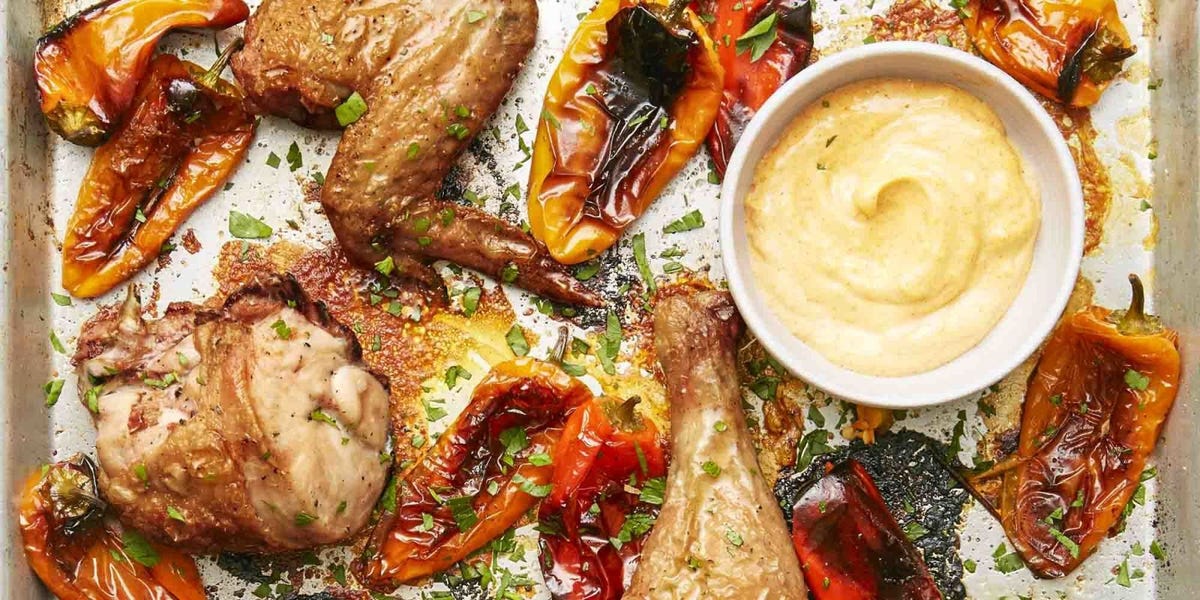
Spanish Chicken and Peppers is the kind of dinner that makes your kitchen smell like you hired a professional chef, even if you are wearing mismatched socks and wondering why the smoke alarm has trust issues. It is colorful, savory, smoky, slightly sweet, and deeply comforting without requiring a culinary degree or a mountain of dishes afterward.
At its heart, this dish brings together juicy chicken, sweet bell peppers, onions, garlic, tomatoes, olive oil, and Spanish-style seasonings such as smoked paprika, oregano, black pepper, and a splash of vinegar or wine. The result is a rustic skillet meal with enough personality to stand proudly beside rice, potatoes, crusty bread, couscous, or a simple green salad.
The beauty of Spanish chicken and peppers is that it feels both homey and special. It is weeknight-friendly but not boring. It is dinner-party worthy but not dramatic. It is the recipe equivalent of a friend who shows up on time, brings dessert, and helps with the dishes.
What Makes Spanish Chicken and Peppers So Good?
The magic starts with contrast. Chicken brings rich, savory protein. Bell peppers add sweetness and color. Tomatoes create a saucy base. Garlic and onion build aroma. Smoked paprika gives the whole dish a warm, woodsy depth that whispers, “Yes, I know what I am doing.”
Spanish-inspired chicken dishes often rely on simple ingredients cooked with care. Instead of burying everything under heavy sauces, the recipe lets olive oil, peppers, spices, and pan juices do the work. The flavor is bold but balanced: smoky, sweet, tangy, and savory all at once.
The Role of Smoked Paprika
If Spanish Chicken and Peppers had a lead singer, it would be smoked paprika. Also called pimentón, Spanish smoked paprika is made from dried peppers, often smoked over wood before grinding. It comes in sweet, bittersweet, and hot varieties. Sweet smoked paprika gives warmth without heat, while hot smoked paprika adds a little kick.
For this recipe, sweet smoked paprika is the safest crowd-pleaser. It gives the dish that unmistakable Spanish-style flavor without making anyone at the table reach for emergency milk. If you enjoy spice, add a pinch of hot paprika or crushed red pepper flakes.
Best Chicken Cuts for This Recipe
You can make Spanish Chicken and Peppers with chicken thighs, drumsticks, breasts, or even a whole chicken cut into pieces. However, boneless skinless chicken thighs are especially reliable because they stay tender during simmering and absorb flavor beautifully.
Bone-in, skin-on thighs also work well if you want richer flavor and crispier edges. Chicken breasts are leaner, but they need a little more attention because they can dry out if overcooked. If using breasts, slice them into thick cutlets or pound them evenly so they cook at the same pace.
Quick Recommendation
For the juiciest, easiest version, use boneless skinless chicken thighs. For a more rustic, restaurant-style version, use bone-in thighs and give them a good sear before simmering.
Ingredients for Spanish Chicken and Peppers
This recipe keeps the ingredient list practical. You should be able to find everything at a regular grocery store, which is excellent news because nobody wants to visit four specialty markets on a Tuesday.
- 2 pounds boneless skinless chicken thighs or chicken breasts
- 2 tablespoons olive oil
- 1 large yellow onion, sliced
- 3 bell peppers, sliced; use red, yellow, and orange for color
- 4 garlic cloves, minced
- 1 teaspoon kosher salt, plus more to taste
- 1/2 teaspoon black pepper
- 2 teaspoons smoked Spanish paprika
- 1 teaspoon dried oregano
- 1/2 teaspoon ground cumin, optional
- 1/4 teaspoon crushed red pepper flakes, optional
- 1 tablespoon tomato paste
- 1 can diced tomatoes, 14.5 ounces
- 1/2 cup chicken broth
- 1 tablespoon sherry vinegar or red wine vinegar
- 1/4 cup chopped parsley
- Lemon wedges for serving
How to Make Spanish Chicken and Peppers
Step 1: Season the Chicken
Pat the chicken dry with paper towels. This helps it brown instead of steam. Season both sides with salt, black pepper, smoked paprika, and oregano. If you have time, let the seasoned chicken rest for 15 to 20 minutes before cooking. Even a short rest helps the seasoning settle in.
Step 2: Sear for Flavor
Heat olive oil in a large skillet over medium-high heat. Add the chicken in a single layer and sear for 3 to 4 minutes per side, until golden brown. The goal is not to cook it through yet. You are building flavor. Think of browning as the chicken’s job interview: first impressions matter.
Transfer the chicken to a plate. Do not wipe out the skillet. Those browned bits on the bottom are flavor confetti.
Step 3: Cook the Peppers and Onions
Add sliced onions and bell peppers to the same skillet. Cook for 6 to 8 minutes, stirring occasionally, until the vegetables soften and begin to caramelize. Add the garlic and cook for 30 seconds, just until fragrant. Garlic burns quickly, and burned garlic tastes like regret.
Step 4: Build the Sauce
Stir in tomato paste and cook for 1 minute. This deepens its flavor and removes any raw tomato taste. Add diced tomatoes, chicken broth, cumin if using, and crushed red pepper flakes if you like heat. Stir well, scraping the bottom of the pan to release the browned bits.
Step 5: Simmer Until Tender
Return the chicken and any juices to the skillet. Reduce the heat to medium-low, cover, and simmer for 15 to 20 minutes, depending on the thickness of the chicken. The chicken should reach an internal temperature of 165°F for safe serving.
Step 6: Finish Bright
Stir in sherry vinegar or red wine vinegar just before serving. This small splash wakes up the sauce and balances the sweetness of the peppers. Sprinkle with chopped parsley and serve with lemon wedges.
Why This Recipe Works
This Spanish chicken and peppers recipe succeeds because it layers flavor instead of dumping everything into a pan and hoping for the best. Searing the chicken adds depth. Cooking the peppers and onions slowly brings out natural sweetness. Toasting the tomato paste concentrates the sauce. Smoked paprika ties everything together with a warm, savory backbone.
The final splash of vinegar is also important. Rich dishes need brightness. Without acid, the sauce can taste heavy. With it, the whole dish becomes more lively and balanced.
Serving Ideas for Spanish Chicken and Peppers
Spanish Chicken and Peppers is flexible, which makes it perfect for families, meal prep, and anyone who gets bored eating the same dinner two nights in a row.
Serve It With Rice
White rice, brown rice, saffron rice, or yellow rice all work beautifully. The rice soaks up the paprika-tomato sauce and makes the meal feel complete.
Serve It With Potatoes
Roasted potatoes, mashed potatoes, or crispy skillet potatoes are excellent partners. Potatoes and smoky paprika are basically best friends who finish each other’s sentences.
Serve It With Bread
A crusty baguette or rustic country loaf is perfect for scooping up the sauce. This is not the time for polite little bites. The sauce deserves commitment.
Serve It Low-Carb
For a lighter plate, serve the chicken and peppers with cauliflower rice, roasted zucchini, sautéed greens, or a crisp cucumber salad.
Flavor Variations
Add Spanish Chorizo
For a richer, smokier dish, add sliced Spanish-style chorizo after searing the chicken. Let it render for a few minutes before adding the peppers and onions. A little goes a long way because chorizo brings salt, spice, fat, and personality.
Add Olives
Green olives or black olives add briny contrast. Stir them in during the last 5 minutes of cooking so they warm through without overpowering the sauce.
Add Chickpeas
Chickpeas turn Spanish Chicken and Peppers into an even heartier one-pan dinner. Add one drained can with the tomatoes and broth. They absorb the smoky sauce and make the dish more filling.
Make It Spicy
Use hot smoked paprika, crushed red pepper flakes, or a diced chili pepper. Start small. You can always add heat, but you cannot easily remove it unless you own a tiny culinary time machine.
Common Mistakes to Avoid
Using Old Paprika
Paprika loses flavor over time. If your paprika smells like dusty red air, it is time for a new jar. Fresh smoked paprika should smell bold, warm, and slightly smoky.
Skipping the Sear
You can technically skip searing, but the dish will taste flatter. Browning creates savory depth that simmering alone cannot provide.
Overcooking Chicken Breast
Chicken breast is lean and can dry out quickly. Use a thermometer and remove it from the heat once it reaches 165°F. If you want extra forgiveness, choose thighs.
Forgetting the Acid
The vinegar or lemon at the end may seem minor, but it makes a major difference. It sharpens the sauce and keeps the flavors from feeling too heavy.
Storage and Meal Prep Tips
Spanish Chicken and Peppers is excellent for meal prep because the flavors deepen after a day in the refrigerator. Store leftovers in an airtight container and refrigerate for 3 to 4 days. Reheat gently on the stovetop or in the microwave until hot throughout.
You can also freeze the cooked chicken and peppers for up to 2 to 3 months for best quality. Let the dish cool before freezing, portion it into freezer-safe containers, and label it with the date. Future you will be grateful. Future you may even say thank you out loud while standing in front of the freezer.
Nutrition Notes
This dish can be part of a balanced meal because it combines lean protein, vegetables, and healthy fats from olive oil. Bell peppers provide vitamin C and natural sweetness, while tomatoes contribute acidity and body to the sauce. Using chicken thighs adds more richness; using chicken breasts keeps the dish leaner.
To reduce sodium, use low-sodium chicken broth and adjust salt at the end. To increase fiber, serve it with beans, chickpeas, brown rice, or whole-grain bread.
My Experience With Spanish Chicken and Peppers
The first time I made Spanish Chicken and Peppers, I expected a nice, simple chicken dinner. What I got was a skillet full of color that looked like it had taken far more effort than it actually did. That is one of the best things about this recipe: it rewards basic technique. You do not need fancy equipment or a dramatic chef voice. You just need a hot pan, good paprika, fresh peppers, and the patience to let things brown.
One lesson I learned quickly is that the peppers should not be rushed. If you only cook them for a minute or two, they stay crisp and slightly raw-tasting. That can be fine in a stir-fry, but for Spanish-style chicken, softer peppers work better. When they have time to relax in the skillet, they become sweet, silky, and almost jammy around the edges. The onions do the same thing, turning from sharp to mellow and sweet.
I also learned that smoked paprika is not just “red powder.” A fresh jar can transform the entire dish. The difference between old paprika and fresh smoked paprika is like the difference between elevator music and a live guitar performance. Both technically make sound, but only one makes you pay attention.
Another experience worth sharing: this dish is very forgiving. I have made it with chicken thighs, chicken breasts, leftover roasted peppers, canned tomatoes, fresh tomatoes, olives, chickpeas, and even a handful of spinach at the end. It always finds a way to be delicious. The core formula is sturdy: chicken, peppers, onion, garlic, paprika, tomato, and a little acid. Once you understand that, you can adjust based on what is in your kitchen.
For busy nights, I like to slice the peppers and onions earlier in the day. That small step makes dinner feel almost effortless. When it is time to cook, everything goes into the skillet in stages, and the meal comes together without much stress. It is also a wonderful recipe for people who want to cook more at home but feel intimidated by long ingredient lists. This one looks impressive but behaves kindly.
My favorite way to serve Spanish Chicken and Peppers is with warm rice and a squeeze of lemon. The rice catches the smoky tomato sauce, while the lemon brightens every bite. If there is crusty bread nearby, even better. Some sauces are meant to be politely spooned. This one is meant to be chased around the plate.
Leftovers may be even better the next day. The paprika settles into the sauce, the peppers become sweeter, and the chicken absorbs more flavor. I have used leftovers in wraps, grain bowls, omelets, and quick lunches over greens. It is the kind of recipe that keeps working after dinner, which is exactly what a great home-cooked meal should do.
In my experience, Spanish Chicken and Peppers is ideal for cooks who want maximum flavor without maximum chaos. It is colorful, practical, affordable, and easy to personalize. It also has that rare quality of feeling cozy and sunny at the same time. One bite says comfort food; the next says Mediterranean vacation. Not bad for a skillet dinner.
Conclusion
Spanish Chicken and Peppers is a bold, beautiful, and deeply satisfying recipe built from simple ingredients. With juicy chicken, sweet bell peppers, smoky paprika, garlic, tomatoes, and a bright finish of vinegar or lemon, it delivers big flavor without complicated steps. It is practical enough for weeknights, flexible enough for meal prep, and impressive enough for guests.
Whether you serve it with rice, potatoes, bread, chickpeas, or greens, this dish brings warmth and color to the table. It proves that great cooking does not always require expensive ingredients or fussy techniques. Sometimes, all you need is a good skillet, fresh paprika, and a few peppers ready to live their best life.