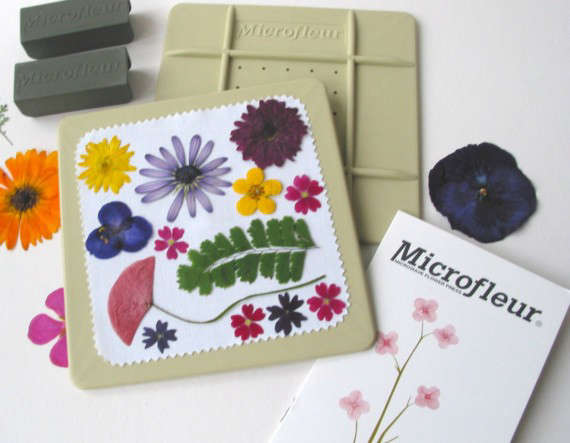
If traditional flower pressing is a slow Sunday afternoon with tea, patience, and a stack of books heavy enough to qualify as home gym equipment, the 5 x 5 Microfleur Microwave Flower Press is the crafty little shortcut that shows up wearing sneakers. It is compact, reusable, beginner-friendly, and designed to turn fresh blooms, leaves, herbs, and delicate plant bits into pressed botanicals in minutes instead of weeks.
The 5 x 5 size, often called the Microfleur Regular, is the smaller version of Microfleur’s microwave flower press lineup. It measures about 5 inches by 5 inches, or roughly 13 by 13 centimeters, making it a handy choice for small flowers, petals, leaves, ferns, herbs, and quick creative projects. It is not meant to swallow an entire wedding bouquet in one dramatic gulp. That job belongs to bigger presses. But for everyday crafting, journaling, card making, bookmarks, resin art, framed mini botanicals, and “I found a cute pansy and need to preserve it immediately” emergencies, this little press earns its counter space.
What Is the 5 x 5 Microfleur Microwave Flower Press?
The 5 x 5 Microfleur Microwave Flower Press is a reusable flower pressing kit made for use in a microwave. Instead of relying only on pressure and time, it uses short bursts of microwave heat, absorbent layers, and controlled compression to remove moisture quickly from flowers and foliage. The goal is simple: dry plant material fast enough to help preserve color while flattening it evenly for crafts.
A typical Microfleur Regular kit includes two rigid press plates, clips to hold the press together, absorbent pads, fabric liners, and instructions. Product listings also commonly describe the liners as washable and the pads as reusable for many pressing cycles. That combination matters because microwave flower pressing is not just “throw flower in hot box, hope for botanical poetry.” Moisture must escape, pressure must stay even, and the flower needs a gentle surface that will not emboss it with weird textures. No one wants a daisy that looks like it slept on a waffle iron.
Why Microwave Flower Pressing Is Different
Traditional flower pressing usually takes two to four weeks. You place flowers between absorbent paper, tuck them into a book or mechanical press, and let time quietly do its thing. The method works beautifully, especially for flat blooms, but it can be slow. Colors may fade or darken before the flower fully dries, especially if the bloom is moist, thick, or naturally juicy.
Microwave pressing speeds up the drying process by removing moisture in controlled intervals. Because the flower dries quickly, many crafters notice better color retention compared with long book pressing. This is especially helpful for bright pansies, violas, small daisies, herbs, delicate leaves, and thin petals that would otherwise lose their cheerful personality before you get to use them.
Speed Is the Star Feature
The biggest appeal of the Microfleur microwave flower press is speed. With traditional pressing, you may forget you even started a project. Three weeks later, you open a book and discover a fossilized violet next to Chapter 7. With the Microfleur, flowers can often be pressed and dried the same day. Some thin flowers may be ready in just a few short heating cycles, while thicker materials need more patience and more checking.
Color Retention Is the Crafty Bonus
Fast drying helps reduce browning and mold risk. It does not perform magic on every flowersorry, chunky rose, you still have issuesbut it can preserve surprisingly vivid shades when the flower is chosen and prepared well. For artists who make pressed flower cards, resin jewelry, bookmarks, candles, soaps, scrapbook pages, or framed botanical art, color retention is not a small detail. It is the difference between “fresh garden memory” and “sad salad from 1998.”
Who Should Buy the 5 x 5 Size?
The 5 x 5 Microfleur Microwave Flower Press is best for beginners, casual crafters, pressed flower artists who work small, gardeners who like saving seasonal blooms, and anyone who wants a compact flower press that does not dominate the craft table. It is also a smart starter size for people who are curious but not ready to invest in a larger press.
This size is especially useful for:
- Small flowers such as pansies, violas, daisies, forget-me-nots, alyssum, and small cosmos petals.
- Leaves, herbs, fern fronds, and decorative foliage.
- Mini craft projects such as gift tags, bookmarks, note cards, resin pendants, and journal pages.
- Testing how different flowers behave before scaling up to larger art pieces.
- Travel crafting, garden journaling, and quick preservation of tiny botanical finds.
If you regularly press larger flowers, full rose heads, lilies, big leaves, or several blooms at once, the 9 x 9 Microfleur Max may be more practical. The 5 x 5 version is charmingly portable, but it is still a small press. It has boundaries. Respect the square.
How to Use a 5 x 5 Microfleur Microwave Flower Press
Always follow the manufacturer’s instructions for your specific press, because microwave wattage and plant moisture vary. Still, the general process is straightforward.
Step 1: Choose the Right Flowers
Pick flowers that are fresh, clean, and dry. The best candidates are naturally flat blooms, thin petals, small leaves, herbs, and delicate foliage. Avoid flowers that are wet from rain, dew, or mist. Moisture is the villain in this tiny floral drama. If flowers are damp, pat them dry gently and let them air out before pressing.
Thin flowers usually press better than thick, dense blooms. Pansies, violas, daisies, small single-petal roses, ferns, ivy leaves, hydrangea florets, and many herbs are good beginner choices. Thick flowers such as large roses, carnations, peonies, and lilies may need trimming, petal separation, or a different preservation method.
Step 2: Prepare the Bloom
Remove bulky stems, thick backs, and heavy pollen parts when needed. For lilies or other flowers with strong stamens, removing pollen can prevent staining. If a flower has a thick center, press individual petals or slice the back carefully so it lies flatter. The press is small, so think like a botanical stylist: arrange the flower in the shape you want before heating.
Step 3: Layer the Press Correctly
Place the flower between the liner layers according to the press instructions. The absorbent pads help pull moisture away, while the plates and clips apply pressure. Arrange flowers so they do not overlap. Overlapping petals may dry unevenly or stick together, creating a floral traffic jam.
Step 4: Microwave in Short Bursts
Microwave in short intervals, often beginning with a brief burst and then checking frequently. Many users work in 10- to 30-second intervals after the first heating, depending on the flower and microwave wattage. Let the press rest between bursts. This resting time helps prevent overheating and gives moisture a chance to release.
After each interval, carefully check for condensation and dryness. If the flower still feels floppy or coolly damp, it needs more time. If it is stiff, papery, and releases easily from the liner, it is close to done. Use caution, because the press and pads can become hot.
Step 5: Let the Flowers Cool
Pressed flowers often become more brittle as they cool. Give them a moment before handling. Tweezers are helpful, especially with tiny petals. Once dry, store them flat in a cool, dry place away from direct sunlight until you are ready to craft.
Best Flowers and Foliage for the 5 x 5 Microfleur
The best flowers for a small microwave flower press are thin, fresh, and relatively flat. They dry quickly, hold their shape better, and are easier to fit inside the 5 x 5 surface area.
Beginner-Friendly Choices
- Pansies and violas: colorful, flat, and wonderfully expressive.
- Daisies: simple, cheerful, and easy to arrange.
- Forget-me-nots: tiny flowers that suit the compact press perfectly.
- Hydrangea florets: press individual florets rather than the full cluster.
- Fern leaves: elegant for framed art and bookmarks.
- Mint, basil, and small herb leaves: excellent for garden journals and botanical labels.
Flowers That Need Extra Care
Roses, zinnias, lilies, carnations, and other thicker flowers can work, but they usually require extra preparation. Try pressing individual petals, trimming the thick base, or experimenting with one flower at a time. Some flowers will behave beautifully. Others will act like dramatic celebrities refusing to come out of the trailer. That is part of the craft.
Creative Projects You Can Make
The 5 x 5 Microfleur Microwave Flower Press is small, but the project list is not. Once you have a pile of dry pressed flowers, you can use them in dozens of crafts.
Pressed Flower Cards
Handmade cards are one of the easiest projects. Arrange pressed flowers on blank cardstock with a tiny dab of clear-drying glue. Add a handwritten message and suddenly you are the thoughtful friend with suspiciously good stationery taste.
Bookmarks and Gift Tags
Small pressed flowers are perfect for bookmarks and gift tags. Laminate them, seal them with clear adhesive sheets, or glue them to heavy paper. Add ribbon or twine for a finished look. These projects are affordable, pretty, and excellent for using small blooms that might be too tiny for framed art.
Resin Jewelry and Coasters
Completely dry pressed flowers can be used in resin projects. The key word is completely. Any trapped moisture can cause cloudiness, bubbles, or discoloration. The Microfleur helps speed up drying, but it is still wise to store flowers in a dry container before embedding them in resin.
Garden Journals and Herbariums
Gardeners can use the 5 x 5 press to document seasonal blooms, leaf shapes, herbs, and color changes. Press a sample, label it with the plant name and date, and add notes about where it grew. It is part craft, part science, and part excuse to buy another notebook.
Pros and Cons of the 5 x 5 Microfleur Microwave Flower Press
Pros
- Fast results: Flowers can often be pressed in minutes rather than weeks.
- Compact size: Easy to store, carry, and use in small spaces.
- Reusable design: Pads and liners can be reused, and replacement supplies are available.
- Beginner-friendly: The small size makes it less intimidating for new crafters.
- Good color retention: Quick drying may help preserve brighter flower color.
Cons
- Limited capacity: The 5 x 5 size is not ideal for large flowers or batch pressing.
- Requires experimentation: Microwave wattage, flower thickness, and moisture levels all affect timing.
- Not every flower works: Thick blooms can brown, wrinkle, or remain damp inside.
- Needs careful handling: The press can get hot, and delicate flowers can tear if rushed.
Tips for Better Results
Start with short microwave intervals. It is easier to add more time than to rescue a scorched petal. If you smell something toasty, stop. Flowers should be preserved, not roasted like botanical marshmallows.
Keep the press clean and dry between uses. If the pads or liners hold moisture, your next batch may dry unevenly. Wash liners according to instructions and replace pads when they become worn, stained, or less absorbent.
Store finished flowers away from sunlight, humidity, and heat. A flat airtight container with acid-free paper or a dry envelope can help keep them ready for future projects. For framed art, use UV-protective glass when possible, because sunlight is very good at making pretty colors leave the chat.
Realistic Buying Advice
The 5 x 5 Microfleur Microwave Flower Press is worth considering if you want a fast, reusable, compact press for small projects. It is not the cheapest way to press flowers; a heavy book and printer paper cost almost nothing. But the Microfleur saves time, improves convenience, and can produce brighter results when used properly.
Think of it as a specialized tool. If you press flowers once a year, you may be perfectly happy with the book method. If you press flowers often, make crafts for gifts, sell pressed flower art, preserve garden samples, or create keepsakes from meaningful blooms, the speed and consistency can justify the purchase.
Experience Notes: What Using a 5 x 5 Microfleur Feels Like in Real Life
Using a 5 x 5 Microfleur Microwave Flower Press feels a little like discovering a secret craft-room cheat code. The first surprise is how small it is. At 5 inches square, it does not look dramatic. It looks polite. You might even wonder whether something this compact can do much. Then you place a few violas inside, run a short microwave cycle, let the press rest, check the liners, and suddenly those flowers are flat, dry, and still wearing their colors proudly. It is the kind of result that makes a person say, “Oh no, now I have a new hobby.”
The biggest learning curve is timing. The first few batches are usually experiments. A thin pansy may dry quickly, while a thicker hydrangea floret may need extra intervals. A tiny fern frond may look perfect almost immediately, while a rose petal might curl at the edge if it was too fresh or too crowded. This is normal. Microwave flower pressing rewards careful checking, not blind confidence. The press works best when you treat it like a conversation: heat a little, pause, look, adjust. Do not try to impress the microwave with your bravery. The microwave does not care.
The 5 x 5 size also teaches restraint. You cannot cram in a whole bouquet unless that bouquet belongs to a fairy. This limitation is actually helpful for beginners because it encourages better arranging. One or two flowers at a time often produce cleaner results than stuffing the press with too many petals. When flowers overlap, they can trap moisture or dry into each other. When they have space, they keep their shape and are easier to lift from the liner.
Another pleasant experience is the immediacy. If you are making a birthday card, scrapbook page, or small framed gift, you do not need to wait weeks. You can pick a few flowers in the morning, press them, let them cool, and use them later the same day. That quick turnaround makes the Microfleur especially useful for sentimental moments: a flower from a walk, a petal from a celebration, a leaf from a vacation spot, or the last little bloom from a garden before cold weather arrives.
There is also a practical rhythm to maintaining the press. After a few rounds, the liners may show color marks, and the absorbent pads may hold moisture. Letting everything dry fully between sessions makes a noticeable difference. Keeping tweezers nearby also helps because dry pressed flowers are delicate. Fingers are clumsy giants in this world. Tweezers are the elegant little butlers.
For someone who enjoys small crafts, the 5 x 5 Microfleur feels less like a gadget and more like a creative habit. It invites you to notice flowers differently. Suddenly, a fallen petal is not garden debris; it is potential stationery. A tiny leaf is not just a leaf; it is future bookmark material. That shift is the real charm of the press. It turns everyday blooms into keepsakes quickly enough that inspiration does not wander off to make coffee and forget why it entered the room.
Conclusion
The 5 x 5 Microfleur Microwave Flower Press is a compact, clever tool for anyone who wants fast, colorful, and reusable flower pressing at home. It is best for small blooms, leaves, herbs, and mini craft projects, especially when speed matters. Traditional pressing still has its place, but the Microfleur makes flower preservation feel more accessible and immediate. Choose dry, fresh, thin flowers; use short microwave intervals; let the press rest between cycles; and store your finished botanicals away from humidity and sunlight.
It will not turn every giant bloom into flawless art, and it will not do your laundry, though frankly that would be nice. But for pressed flower cards, bookmarks, resin pieces, garden journals, and sentimental keepsakes, the 5 x 5 Microfleur is a dependable little square of botanical possibility.
Note: This publish-ready article is written from synthesized product information, craft guidance, and flower preservation best practices. External source links are intentionally not embedded to keep the HTML clean for web publishing.