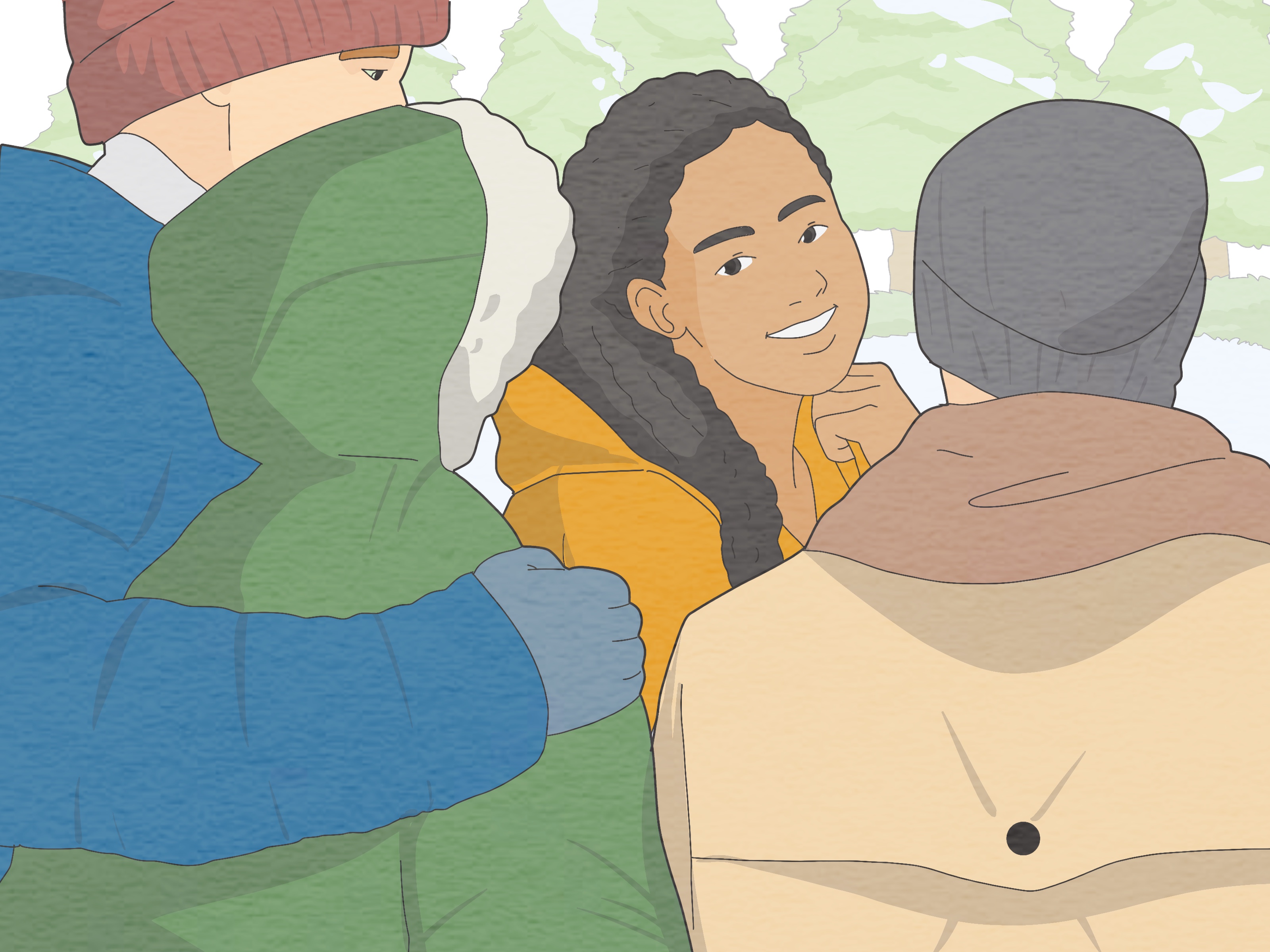
Cold has a sneaky personality. It starts with a little shiver, then suddenly your fingers feel like bargain-bin popsicles and your brain begins negotiating with the thermostat like it owes you money. If you have ever asked yourself how to warm yourself up fast, you are not alone. Knowing how to get warm safely matters whether you are coming in from a winter walk, sitting in an over-air-conditioned office, caught in the rain, or trying to recover after spending too long outside in freezing weather.
The good news is that warming up is not complicated. The better news is that it does not require heroic survival skills, a roaring fireplace, or becoming best friends with a giant wool blanket named Gerald. What it does require is a smart, safe approach. The goal is not just to feel cozy again. It is also to protect your body from cold-related problems like frostbite and hypothermia while warming up in a way that actually works.
This guide breaks it down into 14 practical steps. Some are simple, some are surprisingly powerful, and a few may save you from making classic mistakes, like trying to “warm up” with alcohol or blasting numb skin with direct heat. Let’s get your internal thermostat back in business.
Why Warming Up the Right Way Matters
Your body loses heat faster in cold, wet, and windy conditions. That is why a chilly day can feel much worse when your clothes are damp or the wind is showing off. When your core temperature drops too much, your body has to work overtime to protect your vital organs. Shivering is one of the first signs that your body is trying to generate more heat. If cold exposure continues, you can become clumsy, confused, exhausted, or numb. That is where safe rewarming becomes more than a comfort trick. It becomes basic self-care.
So, how do you warm yourself up effectively? Start with the basics, then build heat gradually. Here are the 14 steps that make the biggest difference.
14 Steps to Warm Yourself Up Safely
Step 1: Get Out of the Cold and Out of the Wind
If you are outside, your first move is not dramatic. It is practical. Head indoors, into a car, under shelter, or anywhere protected from wind and moisture. Wind strips heat from your body faster than still air, which is why “it’s not that cold” turns into “why can’t I feel my face?” in about seven minutes.
If you cannot get fully indoors, find the warmest place available and reduce exposure. Even a temporary barrier from wind can help your body stop losing heat so quickly.
Step 2: Remove Wet Clothing Immediately
Wet clothes are cold weather’s favorite sidekick. Rain, snow, sweat, and slush all pull heat away from your body much faster than dry fabric. If your socks, gloves, shirt, or jacket are damp, change out of them as soon as possible.
This is especially important if you have been walking, exercising, shoveling snow, or standing in cold rain. Sweating sounds athletic. Sweating in freezing temperatures is less “fitness hero” and more “bad plot twist.”
Step 3: Put On Dry Layers the Smart Way
One giant coat is useful, but layering usually works better. A good cold-weather clothing setup has three jobs: keep moisture off your skin, trap warmth, and block wind or wet weather. Start with a dry base layer, add an insulating middle layer like fleece or wool, and top it off with a jacket that blocks wind and moisture.
If you are indoors and just trying to warm up, dry socks, soft pants, and a warm hoodie can work wonders. Comfort is not fluff here. Comfort is strategy.
Step 4: Cover Your Head, Hands, Neck, and Feet
When you feel cold all over, your extremities often complain first. Hands, feet, ears, and your nose are especially vulnerable because they are farther from your warm core and more exposed. Put on a hat, warm socks, gloves or mittens, and a scarf if you have one.
Mittens are often warmer than gloves because your fingers share heat. Gloves are great for texting. Mittens are great for keeping your fingers from filing a complaint.
Step 5: Sip a Warm, Nonalcoholic Drink
A warm beverage helps you feel more comfortable and may help raise body warmth when paired with other rewarming steps. Herbal tea, warm water with lemon, broth, hot milk, or decaf coffee can all do the job. The keyword here is nonalcoholic. Alcohol may create the illusion of warmth because it can make your skin feel warm, but it is not a smart way to rewarm your body.
Warm drinks are best when you are awake, alert, and able to swallow normally. If someone is confused, very drowsy, or unconscious, skip the drink and get medical help.
Step 6: Eat Something Warm or Energy-Dense
Your body needs fuel to make heat. If you have been in the cold for a while, a warm meal or snack can help support that process. Soup, oatmeal, toast with nut butter, chili, rice, or even a simple sandwich can be a real upgrade from shivering on an empty stomach.
If a full meal is not realistic, choose a snack with carbs and a little protein or fat. Think crackers and cheese, yogurt, nuts, or a granola bar. Your body is not asking for a five-course dinner. It just wants some backup.
Step 7: Move Your Body, but Do Not Overdo It
Gentle movement helps your body generate heat. Walk around the room, climb a few stairs, do bodyweight squats, march in place, or swing your arms. If you are mildly cold, movement can be one of the fastest ways to warm yourself up.
There is one catch: do not exercise so hard that you start sweating heavily, especially if you are still in a cold place. Sweat can leave clothing damp and make you colder later. The goal is warm, not drenched and regretful.
Step 8: Wrap Up in Blankets and Focus on Your Core
Once you are dry, bundle up. Blankets, quilts, sleeping bags, robes, and even dry towels can help trap body heat. Focus especially on your chest, neck, and trunk. That is where warming really counts.
If you are very cold, think “core first.” Your hands and feet may feel icy, but your body prioritizes the center because that is where your vital organs live. Frankly, they are the VIP section.
Step 9: Use Gentle Heat, Not Scorching Heat
A warm shower, warm bath, heating pad, hot water bottle wrapped in cloth, or warm compress can help you warm up. The important word again is warm, not blazing. Numb or chilled skin burns more easily than you may realize.
If you use a heating pad or hot water bottle, place a layer of fabric between it and your skin. If you are using a shower or bath, make it lukewarm to comfortably warm, not hot enough to make you hiss like an offended cat.
Step 10: Warm the Center of the Body First
If you or someone else is very cold, start by warming the chest, neck, and groin area rather than aggressively heating hands and feet first. This is especially important if hypothermia is a concern. Gradual rewarming of the core is safer and more effective.
For mild chills, you do not need a complicated protocol. But if someone is shivering hard, seems confused, slurs words, moves awkwardly, or becomes unusually sleepy, treat it seriously and focus on safe core rewarming while getting medical help.
Step 11: Seal Drafts and Warm the Room
Sometimes the problem is not just you. It is the room acting like a refrigerator with better furniture. Shut windows, block drafts under doors with a towel, close blinds or curtains, and turn up the heat if you can.
If you are at home, aim for a comfortably warm indoor environment, especially for children, older adults, and anyone who is already chilled. Cold indoor temperatures can be risky too, not just outdoor weather.
Step 12: Keep a Cold-Weather Backup Kit Nearby
This step helps before you get cold again. Keep warm socks, gloves, a hat, a blanket, hand warmers, and a thermos nearby during winter or when traveling. Store extras in your car, office drawer, gym bag, or entry closet.
Why does this matter? Because the best time to find dry gloves is not after your current pair is soaked and your hands are shaped like tiny frozen claws.
Step 13: Watch for Warning Signs of Frostbite and Hypothermia
If parts of your skin look pale, waxy, grayish, or numb, frostbite may be developing. Fingers, toes, ears, cheeks, and the nose are common trouble spots. Do not rub frostbitten skin. That can make damage worse.
Signs of hypothermia include intense shivering, confusion, clumsiness, slurred speech, extreme tiredness, and, in more severe cases, shivering that stops. That is not a “sleep it off” situation. That is a “get help now” situation.
Step 14: Know When to Get Medical Help
Seek immediate medical care if someone has confusion, drowsiness, trouble speaking, trouble walking, severe shivering, loss of feeling, blistering skin, or a body temperature below 95°F if it has been measured. If the person is unconscious or not breathing normally, call emergency services right away.
While waiting for help, move the person to a warm, dry place, remove wet clothing, wrap them in dry blankets, and rewarm gently. Do not massage them or give alcohol. In cold emergencies, calm and gentle beats dramatic every time.
Common Mistakes to Avoid When Trying to Warm Up
Even smart people make weird choices when they are freezing. Here are a few mistakes that can backfire:
- Do not drink alcohol to warm up. It may make you feel warmer briefly, but it is not a safe rewarming strategy.
- Do not jump straight to very hot water or direct heat. Numb skin burns easily.
- Do not stay in damp clothes. Wet fabric pulls heat away fast.
- Do not rub numb or frostbitten skin. Gentle rewarming is safer.
- Do not ignore confusion or unusual sleepiness. Those are red-flag symptoms, not personality changes brought to you by winter.
How to Stay Warm Longer After You Warm Up
Once you feel better, keep the win going. Stay in dry clothes, continue sipping something warm, eat a little if you have not eaten recently, and avoid going right back into the cold unless you are dressed for it. If you know you get cold easily, build routines around prevention: layer before you leave home, keep extra socks in your bag, and check the temperature and wind chill instead of assuming your hoodie has magical powers.
Everyday Experiences That Show What Really Works
Most people do not think about rewarming until they need it. Then suddenly it becomes the most important plotline of the day. Here are a few common experiences that show how the 14 steps play out in real life.
Experience one: the frozen commute. You leave work after sunset, and the temperature has dropped more than expected. By the time you get to your car or bus stop, your hands feel stiff and your shoulders are tight. The mistake many people make here is waiting too long to do anything. The better move is immediate action: get out of the wind, put on gloves or tuck your hands under your arms, and sip something warm as soon as possible. Even ten minutes of smart rewarming can make the rest of the night feel normal again.
Experience two: the “I was only outside for a minute” moment. Plenty of people get colder than expected while taking out the trash, walking the dog, or grabbing mail in light clothes. The short exposure tricks you into underestimating what happened. But if the wind is sharp and your clothes are thin, that “minute” can be enough to leave you shivering. This is where dry layers, a quick warm drink, and a few minutes of movement indoors work beautifully.
Experience three: cold after getting wet. Rain and slush are expert troublemakers. You do not have to be in snow boots on a mountain to lose body heat fast. A soaked cuff, wet socks, or a damp jacket after a chilly walk can make your whole body feel colder by the minute. People often try to tough it out, but the fastest fix is always the least glamorous one: change clothes. Dry fabric is wildly underrated.
Experience four: the over-air-conditioned building. Not every “how to warm yourself up” problem comes from winter weather. Offices, movie theaters, and stores can feel like they were designed by penguins with authority issues. In those situations, you may not need emergency rewarming, but you still benefit from the same basics: layers, warm beverages, snacks, and light movement. A cardigan, hot tea, and a walk down the hallway can be more effective than silently resenting the thermostat.
Experience five: warming up after outdoor exercise. A brisk run, hike, or shovel session can leave you sweaty and chilled at the same time, which is one of winter’s rudest combinations. The adrenaline fades, your shirt cools, and suddenly you are colder standing still than you were moving. That is why post-activity rewarming matters. Change into dry clothes, wrap up, eat something, and keep the heat gradual. It is the difference between “That was refreshing” and “Why are my toes holding a grudge?”
These experiences all point to the same lesson: warming up is not one magic trick. It is a sequence. Shelter, dry clothes, layers, warm fluids, food, light movement, and attention to warning signs. Do those in the right order, and your body usually responds quickly. Ignore them, and the cold tends to stay in charge longer than anyone wants.
Conclusion
If you want to warm yourself up safely, think simple and strategic. Get out of the cold, get dry, layer up, protect your extremities, add warm fluids and food, move gently, and use gradual heat. Most mild cold exposure improves quickly with these steps. But if severe shivering, confusion, numbness, blistering, or unusual drowsiness appear, treat it as a medical issue, not a cozy inconvenience.
The bottom line is wonderfully unglamorous: staying warm is less about heroics and more about habits. Your future winter self will thank you for the hat, the dry socks, and the emergency blanket stashed in the car like a tiny act of seasonal genius.