Editorial note: This guide is written for readers who want a practical, web-ready buying article based on real indoor herb garden kits, published hands-on testing, verified product details, and common kitchen-growing experience. Prices, warranties, seed-pod availability, and app features may change, so shoppers should always check current listings before purchasing.
Fresh herbs have a magical way of making dinner look like you tried harder than you did. A sprinkle of basil can rescue a Tuesday pasta. Mint can make water feel fancy. Cilantro can start an argument at the table, which is technically entertainment. That is why the best indoor herb garden kits have become kitchen favorites for apartment dwellers, busy families, beginner gardeners, and anyone who has ever bought a plastic clamshell of parsley only to watch it transform into refrigerator confetti three days later.
The best indoor herb garden kits of 2024 fall into three main categories: compact hydroponic systems with built-in grow lights, smart garden kits with app reminders, and simple soil-based starter kits for people who like the classic dirt-under-the-fingernails experience. The right choice depends on how much counter space you have, how many herbs you want to grow, and whether you want a nearly automatic system or a hands-on hobby.
After comparing popular tested indoor gardens, hydroponic herb kits, smart planters, seed starter kits, and user-friendly grow-light systems, these 12 picks stand out for different types of homes and cooks.
How We Chose the Best Indoor Herb Garden Kits
The strongest indoor herb gardens were judged by practical criteria: setup difficulty, plant capacity, grow-light quality, water reservoir size, maintenance needs, seed or pod availability, counter footprint, cleaning effort, and long-term value. A good kit should not require a botany degree, a basement laboratory, or a dramatic conversation with your basil.
Hydroponic indoor gardens are especially popular because they grow plants in water with nutrients instead of traditional soil. Many models include automatic LED grow lights, water-level reminders, and seed pods. Soil-based herb kits are usually cheaper and more natural-feeling, but they require more attention, sunlight, and patience. Both can work beautifully; they simply serve different kinds of gardeners.
Quick Comparison: The 12 Best Indoor Herb Garden Kits
- Best Overall: AeroGarden Harvest Elite
- Best Small-Space Kit: Click & Grow Smart Garden 3
- Best Value Hydroponic Kit: iDOO 12-Pod Hydroponics Growing System
- Best Smart Countertop Garden: Rise Gardens Personal Garden
- Best Splurge: Gardyn Home 4.0
- Best High-Capacity Indoor Garden: Lettuce Grow Farmstand Nook
- Best for Serious Herb Harvests: AeroGarden Bounty Basic
- Best Family-Friendly Kit: Back to the Roots LED Indoor Garden
- Best Organic Soil Kit: Spade to Fork Organic Culinary Herb Kit
- Best Decorative Garden: Modern Sprout Smart Growhouse
- Best Giftable Starter Kit: Planters’ Choice 9 Herb Window Garden
- Best Budget Reservoir System: inbloom Hydroponics Growing System
1. AeroGarden Harvest Elite Best Overall Indoor Herb Garden Kit
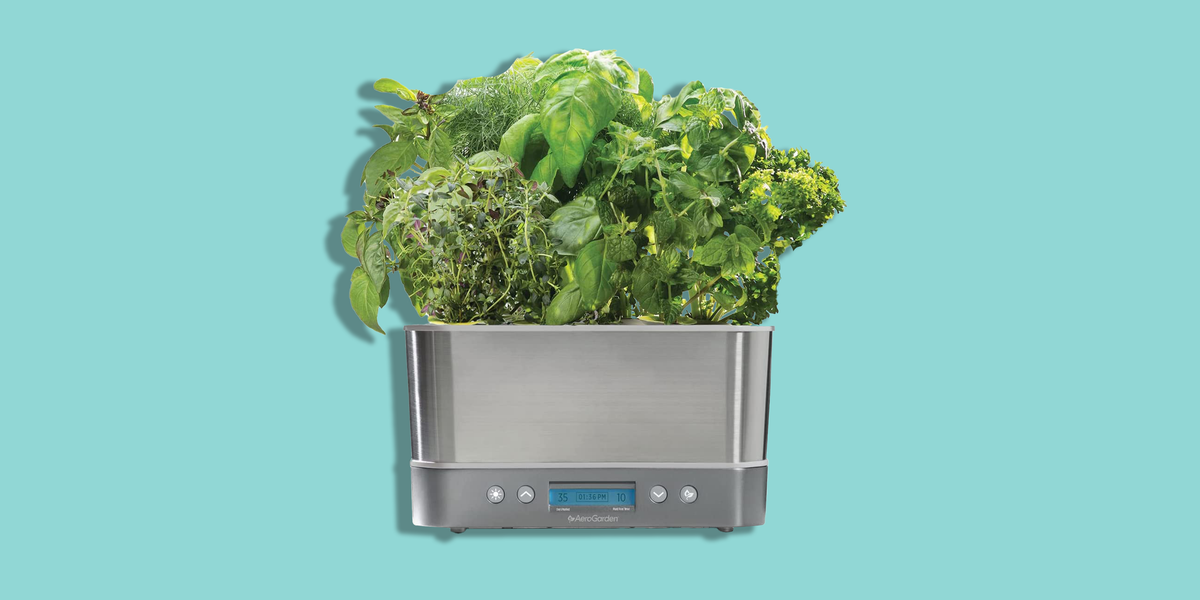
The AeroGarden Harvest Elite remains one of the most recognizable indoor herb garden kits for a reason. It is compact, polished, beginner-friendly, and designed to grow up to six plants at once. The built-in LED grow light, water reminders, and plant food alerts make it ideal for people who want fresh herbs without creating a second job in the kitchen.
This kit is excellent for basil, parsley, dill, thyme, mint, and other popular culinary herbs. The six-pod capacity is large enough for real cooking but small enough for most countertops. It is especially helpful for anyone who has failed at windowsill herbs because their kitchen window faces a brick wall, a parking lot, or existential darkness.
Best for
Beginners, small kitchens, home cooks, and anyone who wants a reliable hydroponic herb garden with minimal guesswork.
Possible drawback
AeroGarden products have faced availability and support uncertainty after the brand’s shutdown announcement, so shoppers should confirm warranty details, replacement pods, and accessories before buying.
2. Click & Grow Smart Garden 3 Best for Small Spaces
The Click & Grow Smart Garden 3 is the neat-freak cousin of indoor herb gardens. It is compact, clean, quiet, and simple. You drop in the plant pods, fill the reservoir, plug it in, and let the self-watering design and LED light do most of the work.
With space for three plants, this is not the kit for someone who wants to become the neighborhood basil baron. But it is perfect for a studio apartment, office desk, dorm room, or tiny kitchen. The design is modern enough to sit in plain sight, and the pod system keeps the process tidy.
Best for
Apartment dwellers, first-time herb growers, minimalists, and anyone who wants fresh basil without adopting a giant glowing appliance.
Possible drawback
The three-pod capacity is limited. If you cook daily with several herbs, you may outgrow it quickly.
3. iDOO 12-Pod Hydroponics Growing System Best Value Hydroponic Kit
The iDOO 12-Pod Hydroponics Growing System gives you a lot of growing room for the money. With 12 pod spaces, adjustable full-spectrum lighting, a water circulation system, and a compact countertop footprint, it is a smart pick for budget-minded shoppers who want more than a tiny three-herb setup.
This kit works well for basil, lettuce, parsley, chives, mint, and compact greens. The larger plant capacity gives you more flexibility, especially if you like experimenting with different herbs. It is also a good option for people who want to use their own seeds instead of being locked into a proprietary pod ecosystem.
Best for
Value seekers, experimenters, and cooks who want a bigger hydroponic herb garden without paying premium smart-garden prices.
Possible drawback
The instructions and interface may feel less polished than premium brands. It is practical, not glamorous. Think “reliable station wagon,” not “luxury herb limousine.”
4. Rise Gardens Personal Garden Best Smart Countertop Garden
The Rise Gardens Personal Garden is a stylish hydroponic smart garden designed for people who want technology to do some of the nudging. It supports a generous number of plants for a countertop model and uses app-based reminders for water, nutrients, and harvesting.
Its clean design makes it feel more like a modern kitchen appliance than a science fair project. It is especially appealing for users who like data, notifications, and a more guided growing process. If your phone already reminds you to stand up, drink water, and pay bills, it might as well remind you to feed the basil too.
Best for
Tech-friendly cooks, design-conscious homes, and beginners who appreciate reminders.
Possible drawback
It costs more than many entry-level systems, and smart features are only useful if you actually follow the alerts.
5. Gardyn Home 4.0 Best Splurge Indoor Garden
Gardyn Home 4.0 is less of a countertop herb garden and more of a vertical indoor produce station. It can grow up to 30 plants in a compact vertical footprint, combining hydroponics, automated lighting, watering, sensors, and app guidance.
This is the pick for serious indoor growers who want herbs, salad greens, compact vegetables, and a futuristic conversation piece in the living room. It is ideal for households that buy a lot of greens and want a more continuous harvest. The design is sleek, but make no mistake: it is still a major appliance. Your basil will have better lighting than some apartments.
Best for
Dedicated indoor gardeners, families, frequent salad eaters, and people who want automation at a premium level.
Possible drawback
The upfront price and ongoing pod or membership costs can be significant. It is powerful, but it is not the budget option.
6. Lettuce Grow Farmstand Nook Best High-Capacity Indoor Garden
The Lettuce Grow Farmstand Nook is a vertical hydroponic system made for people who want more than a few sprigs of garnish. With room for 20 plants and built-in LED lights, it can support herbs, lettuces, greens, flowers, and compact vegetables indoors.
This is a strong pick for families or enthusiastic cooks who want a steady supply of fresh ingredients. It also looks dramatic, in the best possible way. Place it in a kitchen corner and suddenly your home has “urban farm café” energy.
Best for
Families, salad lovers, larger kitchens, and anyone who wants a high-yield indoor garden with visual impact.
Possible drawback
It takes more floor space than countertop kits and costs more upfront. It is also better for committed growers than casual “maybe I’ll grow one basil plant” shoppers.
7. AeroGarden Bounty Basic Best for Serious Countertop Herb Harvests
The AeroGarden Bounty Basic is a larger countertop hydroponic garden for people who want more capacity than the Harvest Elite but do not want a full vertical tower. It is a strong choice for growing multiple herbs, leafy greens, or small vegetables in a controlled indoor setup.
Compared with smaller models, the Bounty Basic gives plants more room to grow. That matters because basil is not shy. Given enough light and nutrients, it will attempt to become a shrub and start charging rent.
Best for
Frequent cooks, bigger households, and users who want a more productive countertop hydroponic garden.
Possible drawback
Like other AeroGarden products, future availability of branded parts and pods should be checked before purchase.
8. Back to the Roots LED Indoor Garden Best Family-Friendly Kit
The Back to the Roots LED Indoor Garden is a fun, approachable kit for families, kids, and beginner gardeners. It usually includes a small hydroponic setup, organic seeds, LED lighting, germination accessories, and simple instructions.
This kit is less intimidating than many smart gardens and more educational than fully automated systems. It is a great way to show kids how seeds become food without needing a backyard. Also, children are far more likely to eat herbs they grew themselves, although no one can legally promise they will stop rejecting vegetables shaped “too green.”
Best for
Families, classrooms, beginner gardeners, and gift buyers.
Possible drawback
The small capacity limits harvest size. It is better for learning and light use than serious meal prep.
9. Spade to Fork Organic Culinary Herb Kit Best Organic Soil-Based Kit
For gardeners who prefer soil over hydroponics, the Spade to Fork Organic Culinary Herb Kit is a charming and practical option. It includes USDA-certified organic, non-GMO seeds and traditional growing materials such as pots, soil discs, and plant markers.
This kit brings back the classic pleasure of planting seeds, watering soil, and watching tiny green shoots appear. It is more hands-on than a hydroponic smart garden, but that is part of the appeal. You are not just pushing pods into a machine; you are actually gardening.
Best for
Organic-minded gardeners, gift buyers, and anyone who enjoys a traditional seed-starting experience.
Possible drawback
It does not include automatic lighting or watering, so success depends on sunlight, consistency, and your ability to remember the plants exist.
10. Modern Sprout Smart Growhouse Best Decorative Indoor Garden
The Modern Sprout Smart Growhouse is ideal for people who care about design as much as dill. It combines a watertight planter with a full-spectrum LED grow light, app-enabled scheduling, and a polished metal-and-glass look that feels more décor than gadget.
This is the indoor herb garden for someone who refuses to let a plastic grow station interrupt their carefully styled kitchen. It can support herbs and small plants year-round, even in rooms without strong natural light.
Best for
Design lovers, gift shoppers, apartment kitchens, and people who want an indoor garden that looks intentional.
Possible drawback
It is more expensive than basic seed kits, and its plant capacity is modest compared with hydroponic pod systems.
11. Planters’ Choice 9 Herb Window Garden Best Giftable Starter Kit
The Planters’ Choice 9 Herb Window Garden is a crowd-pleasing starter kit that includes seeds for multiple culinary herbs, often including basil, dill, chives, thyme, parsley, oregano, cilantro, sage, and mustard. It is affordable, attractive, and easy to wrap, making it a popular housewarming or birthday gift.
This kit is best for people who have a sunny windowsill and enjoy the slower rhythm of traditional gardening. It is not automated, but it offers variety. If one herb fails, you still have eight other hopeful little contestants in the kitchen talent show.
Best for
Gift buyers, casual gardeners, windowsill growers, and anyone who wants herb variety on a budget.
Possible drawback
Because it relies on natural light and manual watering, results may vary by home and season.
12. inbloom Hydroponics Growing System Best Budget Reservoir System
The inbloom Hydroponics Growing System is another value-friendly indoor herb garden kit with a roomy water reservoir, multiple pod spaces, adjustable LED lighting, and a compact design. It is a good alternative for shoppers who want a hydroponic setup but do not need a famous brand name.
The larger reservoir can reduce how often you refill water, while the pod layout gives herbs more room than very small systems. It is especially useful for basil, mint, parsley, leafy greens, and other compact edible plants.
Best for
Budget shoppers, beginner hydroponic growers, and people who want more plant sites without a large investment.
Possible drawback
Build quality and customer support may not feel as premium as higher-end indoor gardens.
What to Look for in an Indoor Herb Garden Kit
Plant capacity
A three-pod garden is perfect for basil, mint, and parsley. A six- to twelve-pod system is better for regular cooking. A vertical garden with 20 or more plant spaces is ideal for families, salad lovers, and ambitious home growers.
Grow lights
Built-in LED grow lights are one of the biggest advantages of modern indoor herb garden kits. They help herbs grow consistently even in dark kitchens or during winter. Adjustable lights are especially useful because basil, dill, and parsley do not all grow at the same height.
Hydroponic vs. soil
Hydroponic systems are cleaner and often faster, but they require nutrients, water changes, and occasional cleaning. Soil kits feel more natural and are usually cheaper, but they depend more on sunlight and daily care.
Pod availability
Some smart gardens use proprietary pods, which are convenient but can cost more over time. If you want flexibility, look for systems that allow your own seeds or compatible grow sponges.
Maintenance
No indoor garden is truly “set it and forget it.” You will still need to add water, trim herbs, clean reservoirs, remove weak seedlings, and occasionally tell your basil to calm down.
Best Herbs to Grow Indoors
The easiest herbs to grow indoors include basil, mint, parsley, chives, thyme, oregano, cilantro, and dill. Basil usually grows quickly in hydroponic systems and rewards regular pruning. Mint is vigorous and forgiving, although it can become a tiny green monster if left unchecked. Parsley takes longer to establish but is useful in everything from soups to salads. Chives are compact and cheerful. Thyme and oregano prefer good light and slightly drier conditions if grown in soil.
Cilantro is trickier because it can bolt quickly, especially in warm conditions. If cilantro is your main goal, choose a kit with good light control and be ready to harvest early. Cilantro does not wait around for your taco night schedule.
Indoor Herb Garden Kit Experiences: What It Is Really Like to Grow Herbs at Home
The first thing most people notice about indoor herb garden kits is how satisfying germination feels. One day you are staring at a damp little pod like a person who has made questionable online purchases. A few days later, a green sprout appears, and suddenly you are emotionally attached to a basil plant named Gerald.
In everyday use, hydroponic systems are the easiest for busy people. The water reservoir, grow light timer, and nutrient reminders remove many common failure points. You do not have to guess whether the windowsill is bright enough or whether the soil is too soggy. The system creates a small controlled environment, which is helpful for apartments, cold climates, and kitchens with poor sunlight.
The tradeoff is maintenance. Hydroponic kits look effortless in photos, but they still need cleaning. Water reservoirs can develop algae if light leaks in or if old roots sit too long. Fast-growing herbs need pruning, or they may shade smaller plants. Basil, in particular, grows like it is training for a leafy marathon. If you do not trim it regularly, it becomes tall, woody, and less flavorful.
Soil-based kits create a different experience. They are slower and less predictable, but they feel more traditional. You expand soil discs, plant seeds, water carefully, and wait. The process is calming, especially for people who enjoy small rituals. Soil kits also teach patience. Hydroponic gardens can make you feel like a kitchen engineer; soil kits make you feel like a gardener.
For cooking, the biggest surprise is how much flavor fresh herbs add when they are harvested seconds before use. Store-bought basil often arrives bruised and tired, like it has seen things. Homegrown basil is brighter and more fragrant. Fresh chives make eggs better. Mint turns iced tea into something that tastes planned. Parsley stops being a sad garnish and becomes a real ingredient.
The second surprise is that not every herb grows at the same pace. Basil may sprint. Parsley may stroll. Thyme may act like it is considering the offer. When growing multiple herbs in one kit, it helps to group plants with similar growth habits or prune aggressive growers often. Otherwise, the tall herbs hog the light and the slower herbs sulk underneath.
Indoor herb gardens also change shopping habits. Instead of buying a full package of herbs for one recipe, you harvest only what you need. That reduces food waste and makes spontaneous cooking easier. A basic tomato soup becomes tomato basil soup. Plain yogurt becomes a quick herb sauce. Leftover roasted vegetables become “rustic” when topped with fresh thyme, which is food language for “I meant to do this.”
For beginners, the most important lesson is simple: harvest early and often. Many people wait too long because they do not want to hurt the plant. In reality, regular pruning encourages fuller growth. Cut above leaf nodes, remove yellowing leaves, and do not let herbs flower too soon unless you are saving seeds. A trimmed herb plant is usually a happier herb plant.
Another practical experience: location matters. Even with grow lights, an indoor garden should sit somewhere convenient. If it is hidden in a spare room, you may forget to refill it. A kitchen counter, dining nook, or bright office corner works better. The best indoor herb garden is the one you actually see, use, and maintain.
Noise and brightness also matter. Some hydroponic systems use pumps, and some grow lights are bright enough to make your kitchen look like a friendly spaceship. If you are light-sensitive, avoid placing a system in a bedroom or near a TV. If pump noise bothers you, choose a passive watering system or check reviews for sound level.
Finally, indoor herb gardening is more fun when you treat it as a small experiment rather than a perfect performance. Some seeds will fail. Some herbs will thrive. Some plants will grow sideways for reasons known only to them and possibly the moon. The reward is not just fresh herbs; it is the daily pleasure of watching something grow where there used to be only counter clutter.
Final Verdict: Which Indoor Herb Garden Kit Should You Buy?
For most people, the AeroGarden Harvest Elite is the best overall indoor herb garden kit because it balances size, convenience, and reliable herb production. For small spaces, the Click & Grow Smart Garden 3 is beautifully simple. For value, the iDOO 12-Pod Hydroponics Growing System offers impressive capacity at a friendlier price. If you want a premium vertical garden, Gardyn Home 4.0 and Lettuce Grow Farmstand Nook are excellent high-capacity choices.
If you prefer a traditional gardening experience, choose the Spade to Fork Organic Culinary Herb Kit or Planters’ Choice 9 Herb Window Garden. If you want something stylish enough to display, the Modern Sprout Smart Growhouse is the décor-friendly winner.
The best indoor herb garden kit is not always the biggest or smartest. It is the one that fits your space, cooking habits, budget, and attention span. Start with the herbs you actually use, keep the system clean, prune regularly, and enjoy the tiny luxury of snipping fresh basil in your own kitchen like a person who has their life together.