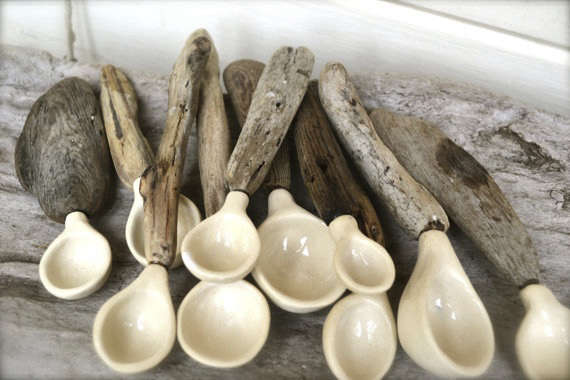
A porcelain driftwood spoon sounds like something a mermaid would casually use to stir sea-salt caramel into her morning latte. In real life, it is even more charming: a small, handmade serving piece that blends smooth porcelain with the weathered character of driftwood. It is part utensil, part tabletop sculpture, and part “Where did you get that?” conversation starter.
Unlike ordinary spoons that hide in a drawer until soup happens, a porcelain driftwood spoon earns a visible place in the kitchen. It can sit beside a salt cellar, rest in a coffee canister, scoop loose tea, serve spices, or add coastal texture to a brunch board. The appeal is simple: porcelain brings refinement, driftwood brings nature, and together they create a piece that feels relaxed without looking lazy. Think beach house elegance, not “gift shop full of plastic starfish.”
This guide explores what makes a porcelain driftwood spoon special, how to use it, how to style it, how to care for it, and why this humble little object has become a favorite among fans of coastal décor, handmade ceramics, rustic tableware, and slow-living kitchen design.
What Is a Porcelain Driftwood Spoon?
A porcelain driftwood spoon is typically made with a hand-shaped porcelain bowl attached to a natural driftwood handle. The porcelain portion may be glazed for food-safe use, while the driftwood handle is usually sanded and treated to improve durability. Because the handle is shaped by water, sun, sand, and time before an artist ever touches it, no two spoons are exactly alike.
That uniqueness is the heart of the design. One spoon may have a pale, bone-white porcelain bowl and a curved silver-gray handle. Another may feature a rustic branch-like handle with a warm tan finish. Some look delicate and minimalist; others look like they were discovered on a foggy shoreline by someone with excellent taste and very good boots.
Porcelain vs. Ceramic: Why the Material Matters
Porcelain is a type of ceramic made from fine clay and fired at high temperatures. The result is a dense, hard, smooth material that can appear delicate while still being surprisingly durable. This is why porcelain is widely used in dinnerware, serving pieces, and decorative tabletop items. It has a polished look, resists staining better than many porous materials, and pairs beautifully with natural textures like wood, linen, stone, and rattan.
For a driftwood spoon, porcelain adds a clean contrast to the rougher handle. The spoon bowl feels refined and hygienic, while the driftwood gives it personality. It is the tabletop equivalent of wearing a crisp white shirt with perfectly worn-in jeans: balanced, relaxed, and quietly stylish.
Why Porcelain and Driftwood Work So Well Together
Great design often comes from contrast. A porcelain driftwood spoon succeeds because its two materials are almost opposites. Porcelain is smooth, shaped, fired, and finished. Driftwood is irregular, organic, weathered, and wonderfully unpredictable. Put them together, and the result feels both handmade and elevated.
The Beauty of Natural Texture
Modern coastal décor has moved far beyond obvious anchors, cartoon seashells, and navy stripes shouting “I have seen a boat!” Today’s best coastal interiors focus on subtle references to the shore: sandy neutrals, weathered woods, woven fibers, airy whites, soft blues, and organic forms. A porcelain driftwood spoon fits perfectly into that language because it suggests the beach without turning your kitchen into a souvenir stand.
The driftwood handle adds texture and story. Its curves, knots, and softened edges make the spoon feel collected rather than manufactured. Meanwhile, the porcelain bowl keeps the piece from becoming too rustic. It is not just “woodsy.” It is coastal, handmade, and polished enough for guests.
A Small Object With Big Styling Power
Small accessories can change how a table feels. A porcelain driftwood spoon placed in a bowl of flaky salt makes dinner look intentional. Put one beside a jar of loose tea, and suddenly your afternoon tea setup looks like it has a stylist hiding under the counter. Use one on a cheese board for fig jam or herb salt, and guests will assume you are the kind of person who owns linen napkins on purpose.
Best Uses for a Porcelain Driftwood Spoon
A porcelain driftwood spoon is usually best for dry or semi-dry ingredients, small servings, and decorative presentation. It is not meant to replace your everyday stainless-steel spoon for stirring boiling pasta sauce. Let the hardworking metal spoon do that heroic labor. The porcelain driftwood spoon prefers a more elegant assignment.
Use It for Salt, Sugar, and Spices
One of the most practical uses is as a small scoop for salt cellars, sugar bowls, spice jars, or seasoning blends. Its handmade look pairs especially well with sea salt, smoked salt, chili flakes, dried herbs, coffee sugar, or finishing spices. For everyday cooking, it adds a small moment of pleasure to simple routines.
Use It With Coffee and Tea
If you keep loose tea, matcha powder, cacao, or coffee beans on display, a porcelain driftwood spoon makes the setup feel curated. It can rest beside a ceramic canister or inside a small open jar. The combination of porcelain and wood looks especially good near glass storage containers, matte pottery, and natural-fiber trays.
Use It on a Cheese or Charcuterie Board
For entertaining, the spoon can serve small amounts of jam, honeycomb, mustard, chutney, tapenade, olive salt, or crushed nuts. It brings a handcrafted accent to a board without competing with the food. Just keep the driftwood handle away from prolonged soaking or sticky messes that require aggressive scrubbing later.
Use It as Kitchen Décor
Even when it is not serving anything, a porcelain driftwood spoon can be displayed in a shallow bowl, on a tray, or beside a stack of handmade plates. It works well in coastal kitchens, farmhouse spaces, beach cottages, modern organic interiors, and even minimalist homes that need one warm, natural detail.
How to Style a Porcelain Driftwood Spoon
Styling this piece is delightfully easy because it already does half the work. Its materials are visually interesting, but not loud. The key is to let it breathe. Do not bury it under seventeen napkin rings, three faux coral branches, and a candle named “Low Tide Regret.” Keep the setting simple.
For a Coastal Kitchen
Pair the spoon with white stoneware, clear glass jars, pale wood shelves, woven baskets, linen towels, and soft blue accents. A white ceramic salt cellar with a driftwood spoon beside it creates a clean coastal look that feels fresh rather than themed. Add a small potted herb nearby, and the whole corner looks like it belongs in a sunny magazine kitchen.
For a Rustic Farmhouse Table
Use the spoon with handmade pottery, weathered cutting boards, ironstone pitchers, and neutral linens. The driftwood handle will echo reclaimed wood and vintage textures, while the porcelain bowl keeps the table from looking too heavy. It is a small but effective way to soften farmhouse style.
For a Modern Organic Home
Modern organic design loves natural materials, sculptural shapes, and quiet contrast. Place a porcelain driftwood spoon on a travertine tray, next to a matte black bowl, or beside a glass jar of mineral salt. The spoon becomes a subtle sculptural element, not just a utensil.
How to Choose a Good Porcelain Driftwood Spoon
Because these spoons are often handmade, small differences are part of the charm. Still, there are a few things to check before buying one.
Look for Food-Safe Glaze
If you plan to use the spoon with food, confirm that the porcelain bowl has a food-safe glaze. Decorative ceramic pieces are not always intended for direct food contact. A reputable maker should clearly state whether the glaze is food safe. This matters especially for acidic ingredients such as lemon salt, vinegar-based condiments, or fruit preserves.
Check the Handle Finish
The driftwood handle should be sanded smooth enough to hold comfortably. It may still have natural ridges and irregularities, but it should not splinter. A treated handle generally lasts longer and feels better in the hand. Since driftwood is porous, the handle should not be soaked or placed in a dishwasher.
Consider Size and Bowl Depth
Some porcelain driftwood spoons are closer to tiny salt spoons, while others are tablespoon-sized serving pieces. For salt and spices, a smaller bowl works well. For jam, loose tea, coffee, or condiments, choose a deeper bowl. If you want a decorative statement, a longer driftwood handle may look more dramatic on a tray or serving board.
Embrace Imperfection
A handmade porcelain driftwood spoon will not look machine-perfect. That is the point. Slight asymmetry, glaze variation, and natural handle shape give the spoon its character. If you want every piece in your kitchen to match like synchronized swimmers, this may not be your utensil. If you enjoy objects with a little soul, welcome aboard.
Care and Cleaning Tips
Porcelain itself can be durable, but the driftwood handle changes the care routine. Treat the spoon as a handmade mixed-material object. In plain English: do not bully it.
Hand Wash Only
Use mild dish soap, warm water, and a soft sponge or cloth. Clean the porcelain bowl carefully and wipe the driftwood handle instead of soaking it. Avoid abrasive scrubbers, harsh detergents, bleach, and steel wool. Those tools belong in a different kitchen drama.
Do Not Put It in the Dishwasher
Dishwashers use heat, water pressure, and detergent that can damage wood. The driftwood may crack, warp, dry out, or lose its finish. Even if the porcelain portion could survive the dishwasher, the handle may not appreciate the spa treatment from the underworld.
Dry It Immediately
After washing, dry the spoon with a clean towel and let it air-dry fully before storing. Avoid leaving it in standing water or placing it damp inside a drawer. Moisture is not a friend to natural wood handles.
Refresh the Handle Occasionally
If the maker recommends it, a small amount of food-safe mineral oil or wood conditioner may help maintain the handle. Apply lightly, wipe off excess, and let it absorb. Do not use cooking oils such as olive oil, which can become sticky or rancid over time.
Is a Porcelain Driftwood Spoon Practical?
Yes, but it is practical in a specific way. It is not a heavy-duty cooking spoon. It is a small serving, scooping, and styling tool. If you expect it to scrape a Dutch oven, scoop cookie dough, and survive a dishwasher cycle, you are asking a ballerina to play linebacker. Wrong job, wrong shoes.
Used properly, however, it is very useful. It makes everyday ingredients easier to serve, adds beauty to open shelving, and brings a handmade touch to the table. It is especially practical for people who love visible kitchen storage, slow mornings, grazing boards, tea rituals, coastal décor, or handcrafted serveware.
Porcelain Driftwood Spoon as a Gift
A porcelain driftwood spoon makes a thoughtful gift because it feels personal without requiring you to know someone’s sofa dimensions or candle-scent trauma history. It works for housewarmings, hostess gifts, weddings, birthdays, coastal cottage owners, tea lovers, coffee fans, pottery collectors, and people who already own twelve cutting boards but somehow need one more beautiful thing.
To make the gift feel complete, pair it with a jar of flaky sea salt, loose-leaf tea, artisan sugar, local honey, or a small ceramic bowl. Wrap it in linen or kraft paper for a natural presentation. The result feels curated, useful, and far more memorable than another generic mug that says “But first, coffee.”
Sustainability and Ethical Driftwood Sourcing
Driftwood is beautiful, but it is also part of coastal ecosystems. On beaches and shorelines, driftwood can provide habitat, trap sand, support dune formation, and contribute to the natural cycle of shoreline life. Responsible makers should collect driftwood legally and thoughtfully, following local rules and avoiding protected areas.
If you are buying a porcelain driftwood spoon, look for artisans who describe their sourcing practices. Small-batch makers often collect pieces by hand and use only suitable fragments. Ethical sourcing adds meaning to the object because the spoon becomes not just beautiful, but respectful of the landscape that shaped it.
Common Mistakes to Avoid
Using It for Heavy Cooking
This spoon is not designed for high-heat cooking, deep stirring, or scraping pans. Keep it for serving, scooping, and display.
Soaking It in Water
Soaking can damage the driftwood handle. Wash quickly, wipe gently, and dry immediately.
Assuming Every Piece Is Food Safe
Some ceramic items are decorative only. Always confirm food-safe glaze before using the spoon with edible ingredients.
Over-Styling It
Let the spoon be the interesting detail. A simple bowl, a linen napkin, or a glass jar is enough. Coastal style works best when it whispers, not when it arrives wearing a sailor hat.
of Real-Life Experience With a Porcelain Driftwood Spoon
The first thing you notice when using a porcelain driftwood spoon is that it changes the pace of a small task. Scooping salt with a regular spoon is fine. Scooping salt with a porcelain driftwood spoon feels oddly ceremonial, as if your roasted potatoes are about to receive a blessing from the coastal design gods. It is not faster. It is not more technological. It will not connect to Bluetooth, and frankly, thank goodness. Its charm is that it makes an ordinary kitchen moment feel more considered.
In daily use, the spoon works best when it has a dedicated place. For example, keeping it beside a small bowl of sea salt near the stove makes it easy to grab while cooking. The porcelain bowl picks up just enough salt for finishing eggs, vegetables, or grilled fish, while the driftwood handle stays cool and comfortable. Because the handle is irregular, it has a surprisingly nice grip. It feels less like a factory object and more like something with a past.
It also shines during hosting. Place it beside fig jam on a cheese board, and people notice it immediately. Someone will ask if it is handmade. Someone else will touch the handle and comment on the texture. A third person may quietly use it as an excuse to take more cheese. This is the social power of a small beautiful object: it gives the table a point of interest without demanding a speech.
One practical lesson is to keep sticky ingredients under control. Honey, thick jam, and syrup can be used, but they require prompt cleaning. The porcelain bowl washes easily, but the driftwood handle should not be left tacky or wet. A quick wipe right after serving saves trouble later. If you are serving something very messy, use a tiny ceramic dish under the spoon to protect the table and make cleanup easier.
Another experience: the spoon photographs beautifully. On a kitchen counter, it pairs well with linen, marble, pale wood, glass jars, and matte ceramic bowls. It adds scale and texture to food photos without looking staged. A bowl of sugar becomes prettier. A jar of loose tea becomes more inviting. A tray with coffee beans suddenly looks like it has a lifestyle budget.
The spoon also teaches restraint. Because it is already sculptural, it does not need much decoration around it. A simple white bowl and a small pile of flaky salt are enough. The more you let the natural handle show, the better it looks. Over time, you may find yourself styling fewer things, but choosing them more carefully.
The only downside is care. You must hand wash it. You must dry it. You must resist the lazy temptation to toss it into the dishwasher while whispering, “It’ll probably be fine.” It might not be fine. But this small ritual of care is also part of the appeal. A porcelain driftwood spoon is not disposable kitchen clutter. It is a functional keepsake, a small reminder that useful things can still be beautiful, and beautiful things can still earn their spot beside the salt.
Conclusion
A porcelain driftwood spoon is a small piece with unusual presence. It combines the smooth elegance of porcelain with the weathered soul of driftwood, making it perfect for coastal kitchens, rustic tables, modern organic interiors, and anyone who appreciates handmade serveware. It is practical for salt, sugar, spices, tea, coffee, condiments, and decorative display, as long as it is treated with the care mixed materials deserve.
More than a utensil, it is a reminder that the best kitchen objects do not merely perform a job. They add texture, memory, and pleasure to daily rituals. In a world full of plastic scoops and anonymous stainless steel, the porcelain driftwood spoon quietly says, “Let’s make the small things beautiful.” Honestly, the spoon has a point.