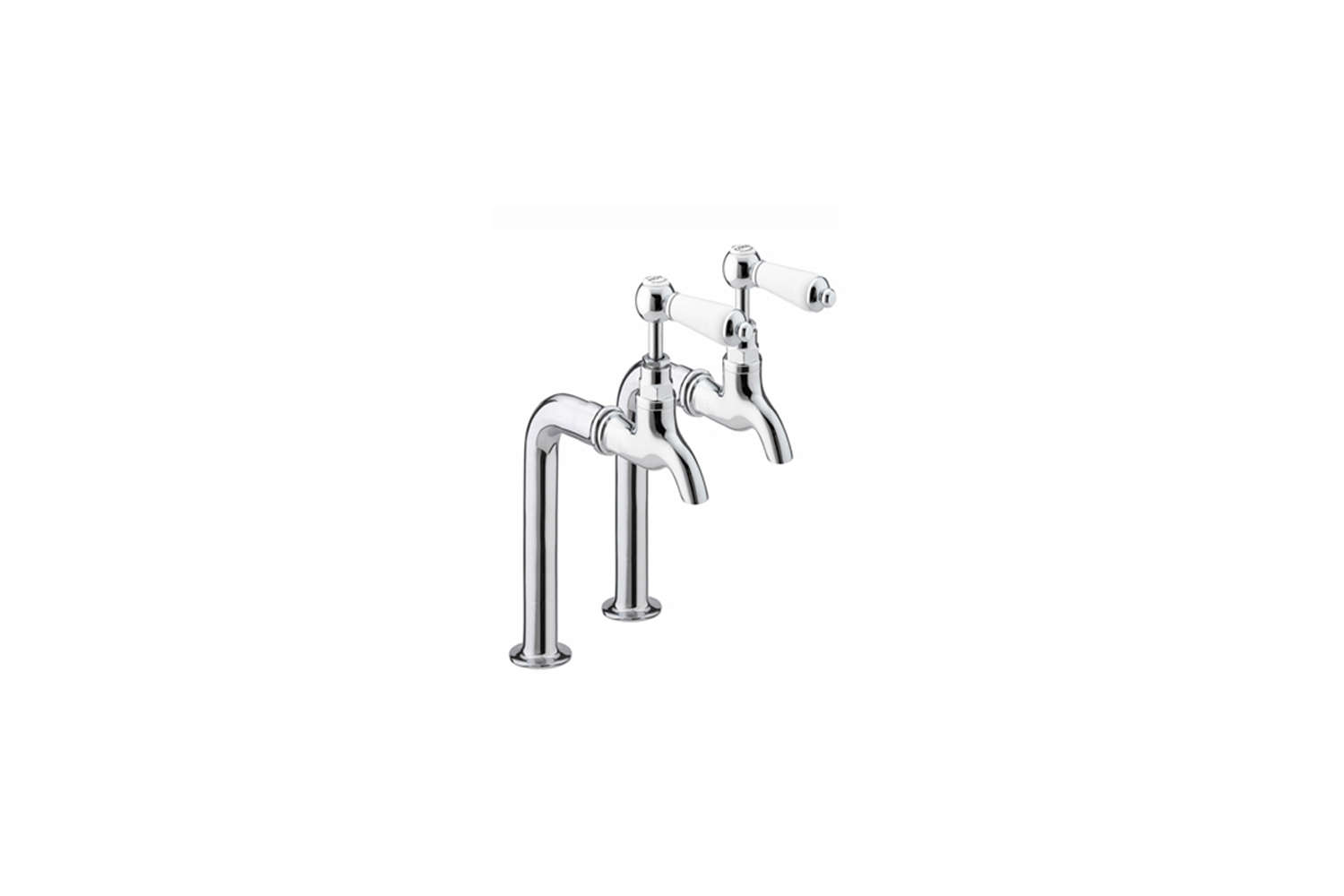
Renaissance bib taps are the plumbing equivalent of a well-tailored waistcoat: old-world charm on the outside, modern practicality on the inside, and just enough personality to make a kitchen or utility area feel intentionally designed. These traditional wall-mounted taps, often finished in polished chrome, brass, bronze, or nickel, bring a vintage European look to sinks, laundry rooms, garden wash stations, and character-rich kitchens.
At first glance, a bib tap may seem like a small detail. It turns water on, it turns water off, and hopefully it does not perform an unexpected indoor fountain routine. But in design, small fixtures often carry a surprising amount of visual weight. A Renaissance-style bib tap can soften a modern kitchen, complete a farmhouse sink, or give a restoration project that satisfying “yes, this belongs here” feeling.
What Are Renaissance Bib Taps?
A bib tap is a wall-mounted tap or faucet with a projecting spout. In many settings, it is used as a utility tap, outdoor spigot, laundry tap, or traditional kitchen fixture. The word “bib” is commonly associated with taps that protrude from a wall rather than sitting directly on the sink deck. In American terms, people may also search for wall-mounted faucets, hose bibbs, wall spigots, bibcock taps, or utility faucets.
Renaissance bib taps specifically refer to bib taps designed with classical styling inspired by Renaissance and traditional European interiors. Think curved silhouettes, elegant crosshead or lever handles, polished finishes, and a look that says, “I read leather-bound books,” even if the tap’s daily job is rinsing muddy carrots.
Why Renaissance Bib Taps Are Back in Style
Home design has moved beyond the era when everything had to look like a stainless-steel spaceship. Homeowners are now mixing modern function with heritage-inspired details. Renaissance bib taps fit beautifully into this trend because they offer a nostalgic focal point without feeling fussy.
They Add Instant Character
A plain faucet can disappear into the background. A Renaissance bib tap makes a statement. In a white kitchen, it becomes jewelry. In a farmhouse laundry room, it feels authentic. In a garden room, it brings a charming old-world touch that makes watering cans look more poetic than they have any right to be.
They Save Counter Space
Because bib taps are usually wall-mounted, they keep the sink deck clear. This is useful in compact kitchens, pantry sinks, utility rooms, and bathrooms where every inch matters. Wall-mounted fixtures also make the area behind the sink easier to wipe down, which is great news for anyone who has ever discovered mysterious gunk living behind a faucet base.
They Pair Well With Traditional Materials
Renaissance bib taps look especially good with fireclay sinks, stone countertops, beadboard walls, marble backsplashes, copper basins, and aged wood cabinets. They can also work in modern spaces when used as a contrast piece. A polished chrome bib tap against handmade tile, for example, can feel both crisp and timeless.
Common Materials and Finishes
Quality bib taps are often made with brass bodies because brass is durable, corrosion-resistant, and commonly used in plumbing fixtures. The finish then determines the final look and maintenance style.
Polished Chrome
Chrome is bright, reflective, and easy to match with appliances or other fixtures. It is a practical choice for kitchens and bathrooms because it has a clean appearance and tends to suit both vintage and transitional spaces.
Brass and Antique Brass
Brass gives Renaissance bib taps a warmer, more historic feel. Polished brass looks formal and elegant, while antique brass feels softer and more aged. Brass finishes are excellent for farmhouse kitchens, period homes, and spaces with warm wood tones.
Bronze
Bronze has a deeper, moodier personality. It works well in rustic kitchens, garden wash areas, and interiors with darker cabinetry or natural stone. If chrome is the cheerful morning person, bronze is the friend who lights candles at dinner and knows a lot about architecture.
Nickel
Polished or brushed nickel offers a warmer alternative to chrome. It is refined but less flashy, making it a smart choice for homeowners who want elegance without too much shine.
Important Features to Look For
Not all Renaissance bib taps are equal. A beautiful tap that leaks, squeaks, or refuses to fit your plumbing is not charming. It is a tiny metal drama queen. Before buying, look closely at the following features.
Ceramic Disc Valves
Modern ceramic disc valves are valued because they are durable and help provide smooth operation. Older compression-style taps often rely on washers that wear out over time. Ceramic valves are especially helpful in kitchens and utility rooms where taps are used frequently.
Solid Brass Construction
Solid brass construction is a strong sign of quality. It typically means better durability and a more substantial feel. For taps used with drinking water, confirm that the product meets applicable lead-free requirements and is intended for potable water use.
Correct Inlet Size
Many traditional bib taps use threaded inlet connections, but sizes vary by region and product. Some European-style taps use BSP threading, while many American installations use NPT standards. This is where measuring twice and buying once can save you from creating a small plumbing comedy.
Water Pressure Compatibility
Check the manufacturer’s recommended minimum and maximum pressure. Some traditional-style taps are designed to work across a wide pressure range, while others may perform poorly if pressure is too low. If your water pressure is weak, the wrong tap may produce a sad trickle instead of a satisfying flow.
Optional Upstands or Wall Extensions
Some Renaissance bib taps are installed with upstands or extension pipes, especially when used over kitchen sinks. These accessories can affect the final height, reach, and overall look. Always confirm whether they are included or sold separately.
Where Renaissance Bib Taps Work Best
Renaissance bib taps are surprisingly versatile. They are not limited to museum-like kitchens where everyone whispers and nobody spills coffee.
Traditional Kitchens
In a classic kitchen, Renaissance bib taps can complete the look of a butler sink or farmhouse sink. Pair them with shaker cabinets, marble counters, or handmade tiles for a refined but welcoming design.
Utility Rooms and Laundry Areas
A wall-mounted bib tap is practical for filling buckets, rinsing tools, washing boots, or cleaning pet bowls. In a laundry room, it adds a touch of style to a hardworking space that usually gets ignored until the socks revolt.
Outdoor Kitchens and Garden Stations
For outdoor use, choose a tap rated for exterior conditions and consider frost protection if you live in a cold climate. Hose connections should also have proper backflow protection, such as a vacuum breaker, where required by local code.
Bathrooms and Powder Rooms
Wall-mounted vintage-style taps can look stunning above a vessel sink or wall-hung basin. In bathrooms, flow rate and water-efficiency standards matter, so confirm that the fixture is appropriate for lavatory use.
Installation Considerations
Installing Renaissance bib taps is usually more involved than replacing a basic deck-mounted faucet. Because the fixture mounts to the wall, the plumbing behind the wall must be correctly positioned, secure, and accessible enough for maintenance.
Measure the Spout Reach
The spout should direct water comfortably into the sink basin, not onto the back edge, front apron, or your shoes. Measure from the wall surface to the sink center and compare that distance with the tap’s projection.
Check Wall Structure
Wall-mounted taps need solid support. A loose fixture can damage plumbing connections over time. During renovation, it is wise to add proper blocking behind the wall before tile or plaster is finished.
Confirm Hot and Cold Layout
Some bib tap sets include separate hot and cold taps. Others may be mixer-style fixtures. Separate taps look wonderfully traditional but are less convenient for quickly adjusting temperature. Mixer taps are more practical for daily kitchen use.
Follow Local Plumbing Code
Plumbing code can vary by location. Outdoor hose bibbs and wall hydrants with hose connections commonly require backflow protection. Drinking-water fixtures must comply with lead-free requirements. When in doubt, consult a licensed plumber before turning your wall into an expensive puzzle.
How to Style Renaissance Bib Taps
The beauty of Renaissance bib taps is that they can either blend into a period-style room or stand out as a decorative feature. The key is coordination, not overmatching.
Match the Mood, Not Every Metal
You do not have to match every knob, hinge, and light fixture perfectly. A polished chrome tap can work with stainless appliances. Antique brass can pair with black cabinet pulls. Bronze can sit comfortably beside aged copper or dark iron. The room should feel collected, not like a faucet showroom held a family reunion.
Use a Strong Backsplash
Because bib taps are wall-mounted, the backsplash becomes part of the design. Subway tile, zellige tile, marble slab, beadboard, or plaster can all create a beautiful backdrop. Make sure the surface is water-resistant and easy to clean.
Pair With a Classic Sink
Fireclay farmhouse sinks, porcelain utility sinks, and stone basins are natural companions. For a cleaner transitional look, pair a Renaissance tap with a simple undermount sink and let the fixture provide the historical flavor.
Care and Maintenance Tips
Good maintenance keeps Renaissance bib taps looking elegant rather than “rescued from a haunted basement.” Most finishes benefit from gentle cleaning, regular drying, and avoiding harsh chemicals.
Clean With Mild Soap
Use a soft cloth, warm water, and mild dish soap for routine cleaning. Rinse thoroughly and dry with a soft towel. This simple habit helps prevent water spots and mineral buildup.
Avoid Abrasive Pads
Steel wool, rough scrubbers, bleach, ammonia, and harsh descaling products can damage finishes. Even tough-looking metal has feelings, at least chemically speaking.
Manage Hard Water
If you live in a hard-water area, mineral deposits may appear around the spout or handle. Use manufacturer-approved cleaning methods and avoid leaving acidic solutions sitting on the finish too long.
Fix Drips Early
A small drip can waste water and stain the surrounding surface. If the tap uses ceramic cartridges, replacement parts may be available from the manufacturer. Keep product codes and installation paperwork in a safe place.
Pros and Cons of Renaissance Bib Taps
Pros
- Timeless, decorative style
- Excellent for traditional, farmhouse, and transitional interiors
- Wall-mounted design saves sink-deck space
- Works well in kitchens, utility rooms, gardens, and bathrooms
- Available in classic finishes such as chrome, brass, bronze, and nickel
Cons
- Installation can be more complex than deck-mounted faucets
- Threading and inlet sizes must be checked carefully
- Some models require separate accessories
- Separate hot and cold taps may be less convenient
- Finish care requires gentle cleaning habits
Buying Checklist
Before purchasing Renaissance bib taps, review this quick checklist:
- Is the tap suitable for kitchen, bathroom, utility, or outdoor use?
- Does it meet applicable lead-free and drinking-water requirements?
- Is the inlet connection compatible with your plumbing?
- Does the spout reach the correct part of the sink?
- Are upstands, wall plates, or extension pipes included?
- Is the finish easy to maintain in your household?
- Does your installation need backflow protection?
- Are replacement cartridges or spare parts available?
Real-Life Experience: Living With Renaissance Bib Taps
Renaissance bib taps have a way of changing how a space feels. In one renovation-style kitchen, a pair of polished chrome bib taps above a white fireclay sink instantly made the room feel more intentional. Before the taps were installed, the kitchen had good bones but lacked a focal point. After installation, the sink wall became the visual anchor. Guests noticed the taps before they noticed the expensive countertop, which is both funny and slightly rude to the countertop.
The daily experience was mostly positive. Because the taps were wall-mounted, cleaning around the sink became easier. There was no faucet base collecting crumbs, soap residue, or the mysterious gray film that appears in busy kitchens and refuses to explain itself. A quick wipe across the sink deck kept everything looking fresh.
The separate hot and cold taps, however, required a small adjustment. For quick rinsing, they were fine. For filling a basin with warm water, it took a little more attention than using a single-handle mixer. This is the trade-off many homeowners accept for traditional style. The taps looked beautiful, but they did ask for a bit of old-fashioned patience. In design terms, that is called “character.” In morning-rush terms, it is called “please cooperate.”
Another practical lesson came from spout reach. The first model considered had a short projection, which would have sent water too close to the back of the sink. Measuring carefully prevented a frustrating mistake. With wall-mounted taps, even one or two inches can make a big difference. The final choice projected far enough into the basin to avoid splashing and made washing large pots easier.
Finish care also mattered. Chrome was forgiving, but water spots still appeared if the taps were left wet. Keeping a small microfiber cloth nearby solved the problem. A five-second wipe after heavy use kept the finish shiny. This habit sounds fussy until you realize it is much easier than removing mineral buildup later.
In a utility room, Renaissance-style bib taps offered a different kind of value. The room was practical, not glamorous, but the traditional taps made it feel designed rather than forgotten. They handled bucket filling, hand washing, and the occasional muddy boot emergency without complaint. The sturdy wall-mounted setup also kept the work surface clear, which made the room more useful.
The biggest takeaway is simple: Renaissance bib taps are best for people who appreciate both function and atmosphere. They are not the most invisible choice, and that is exactly the point. They add a little ceremony to ordinary tasks. Filling a kettle feels nicer. Rinsing herbs feels more charming. Even washing paintbrushes feels mildly historic, as if Michelangelo might approve, though he would probably ask why there is latex paint involved.
For homeowners who love traditional design, these taps can be a lasting upgrade. The key is to choose quality materials, confirm compatibility, install them correctly, and care for the finish gently. Do that, and Renaissance bib taps can provide years of reliable use while giving your sink area the kind of personality mass-produced fixtures rarely deliver.
Conclusion
Renaissance bib taps combine vintage beauty with practical performance. Their wall-mounted design saves space, their traditional silhouette adds charm, and their range of finishes makes them adaptable to kitchens, bathrooms, utility rooms, and garden stations. They do require careful planning, especially around plumbing compatibility, spout reach, water pressure, and local code. But when chosen well, they can turn a simple sink into a standout design feature.
If your home leans traditional, farmhouse, cottage, transitional, or heritage-inspired, Renaissance bib taps are worth serious consideration. They are proof that even practical plumbing can have a little drama, a little elegance, and, thankfully, a shut-off valve.
Note: This article is based on current manufacturer specifications, faucet-care guidance, water-efficiency information, lead-free plumbing requirements, and common code considerations. Always verify product details, local plumbing rules, and installation requirements before purchase or installation.