Note: Original web-ready article based on synthesized information from reputable food, travel, and official restaurant sources; no source links inserted by request.
Copenhagen has never been shy about making dinner feel like a small expedition. One moment you are cycling past canals and copper rooftops; the next, you are sitting down to a plate that seems to have packed its own suitcase from a windswept Danish island. That is the charm of island-to-table dining in Copenhagen: it is not just about eating local food. It is about tasting a place with sand in its shoes, sea salt in its hair, and a pantry full of preserved summer.
The phrase “farm-to-table” is familiar enough to have its own tote bag. Island-to-table, however, feels more specific, more atmospheric, and frankly more Copenhagen. Here, the story often begins on Bornholm, a rocky Baltic Sea island known for smoked herring, wild herbs, berries, gardens, beaches, craft traditions, and a culinary identity strong enough to travel across the water and land elegantly on a plate in the Danish capital.
At the center of this movement is Kadeau Copenhagen, the city restaurant born from Kadeau’s original Bornholm location. But the bigger story reaches beyond one dining room. Island-to-table dining reflects Copenhagen’s deep love of seasonality, preservation, sustainability, Nordic ingredients, and meals that feel connected to landscape rather than manufactured in a flavor laboratoryalthough, to be fair, Copenhagen chefs do enjoy a good fermentation jar the way some people enjoy houseplants.
What Does Island-to-Table Dining Mean?
Island-to-table dining is a culinary approach where the ingredients, cooking techniques, and menu philosophy are rooted in a particular island ecosystem. Instead of treating “local” as a vague marketing word, it asks sharper questions: What grows here? What can be foraged? What does the sea provide? What must be preserved before winter arrives? What traditions did families use before imported convenience foods started knocking on the door?
In Copenhagen, the concept often means bringing Bornholm’s terroir into the city. Bornholm is not just a supplier; it is the personality behind the meal. Its gardens, orchards, beaches, smokehouses, forests, and coastline shape the flavors. Chefs might work with sea buckthorn, wild herbs, smoked fish, preserved berries, figs, tomatoes, razor clams, mahogany clams, walnuts, mushrooms, and flowers. The result is food that tastes refined but still seems to know where it came from.
More Than a Trend
New Nordic cuisine helped make Copenhagen a global dining destination by focusing on regional ingredients, seasonality, craft, and modern technique. Island-to-table dining is one of the most poetic branches of that tree. It narrows the lens even further, saying, “Let’s not only cook Nordic food. Let’s cook this island, this coastline, this summer, this winter pantry.”
That specificity matters. A dish built around preserved Bornholm produce does not need to shout. It can whisper, and somehow the whole room leans in. This is Copenhagen’s great dining trick: making restraint feel exciting. No fireworks. Just one perfect bite that makes you question your previous relationship with pickles.
Bornholm: The Island Behind the Plate
Bornholm sits in the Baltic Sea and has long been associated with fishing, smoking, farming, craft, and summer tourism. Its landscape is unusually diverse for a relatively small island: rocky northern coastlines, sandy beaches, forests, fields, gardens, and villages where smokehouses are part of the culinary scenery. For many travelers, Bornholm feels slower than Copenhagen, but not sleepy. It has the relaxed confidence of a place that knows it is photogenic without trying too hard.
Historically, herring and other fish were central to the island’s economy and food culture. Smoking, curing, pickling, drying, and preserving were not trendy chef hobbies; they were practical tools for survival and flavor. Those techniques now sit beautifully inside contemporary tasting menus. What once helped islanders get through winter now helps Copenhagen diners understand why preservation can taste like memory with better plating.
The Taste of a Short Season
Island cooking is always aware of time. Summer arrives with herbs, flowers, tomatoes, berries, and vegetables. The kitchen celebrates them fresh, then works quickly to preserve them. When colder months arrive, the menu can still speak of sunlight through pickles, ferments, dried leaves, cured ingredients, syrups, oils, and vinegars.
This is one reason island-to-table dining in Copenhagen feels so layered. A winter dish may contain the ghost of a July afternoon. A sauce may carry the brightness of berries harvested months earlier. A delicate garnish might be more than decoration; it may be the final surviving postcard from a warmer season.
Kadeau Copenhagen: Bornholm Comes to the Capital
Kadeau is the clearest example of island-to-table dining in Copenhagen. The original restaurant began on Bornholm, and the Copenhagen location was created to bring the island’s flavors to the capital. The restaurant has become known for its creative Danish cooking, deep connection to Bornholm, and refined tasting menu experience. Its Copenhagen address in Christianshavn feels fitting: close to water, tucked into one of the city’s most atmospheric neighborhoods, and just hidden enough to make dinner feel like you have discovered a delicious secret.
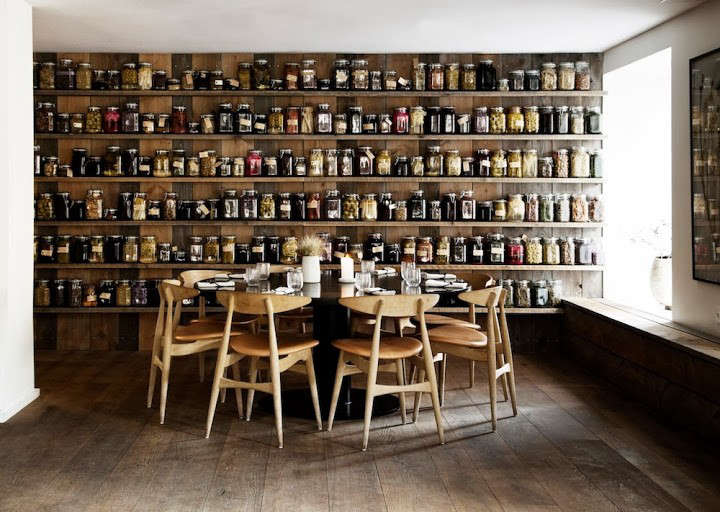
The kitchen’s philosophy centers on Bornholm’s ingredients and traditions. Drying, curing, smoking, pickling, and fermenting are not afterthoughts. They are the grammar of the menu. A meal may include seafood, wild plants, preserved fruits, garden vegetables, flowers, nuts, or carefully aged elements that create flavor without heaviness.
Why Kadeau Matters
Kadeau matters because it proves that a restaurant can be luxurious without losing its sense of place. Many fine dining restaurants can serve technically impressive dishes. Far fewer can make the guest feel as if the meal has a home address, a coastline, and childhood memories attached to it.
The experience is not only about rare ingredients or perfect plating. It is about storytelling. Servers and chefs often explain the island connection behind dishes, and the open-kitchen energy makes the meal feel alive rather than museum-like. Yes, it is polished. No, it does not feel like you need to whisper apologies to the silverware.
The Copenhagen Context: Why This City Loves Local Flavor
Copenhagen’s dining scene has matured far beyond a single definition of New Nordic cuisine. The city now includes Michelin-starred tasting menus, casual bakeries, natural wine bars, seafood spots, multicultural restaurants, coffee bars, open sandwiches, ramen shops, bakeries that could make a croissant blush, and neighborhood bistros where seasonal vegetables get treated with celebrity-level respect.
Still, the city’s interest in local and seasonal ingredients remains strong. Copenhagen chefs have spent years proving that Nordic produce can be exciting when handled with imagination. Instead of relying on imported luxury as the main signal of quality, many kitchens focus on what is nearby, what is in season, and what can be transformed through craft.
From New Nordic to New Copenhagen
New Nordic cuisine helped put Copenhagen on the world map, but today the scene is more varied. Chefs draw inspiration from Korean, Japanese, Cantonese, Mexican, Italian, and other global traditions while still respecting Danish ingredients and local seasons. Island-to-table dining fits naturally into this evolution because it is not a rigid style. It is a way of thinking.
A restaurant can be elegant, casual, experimental, or comforting and still carry the island-to-table spirit if it values origin, season, and craft. The key is not whether every dish looks like a minimalist forest floor. The key is whether the food creates a meaningful connection between diner and place.
Core Ingredients in Island-to-Table Dining
The ingredients associated with island-to-table dining in Copenhagen often reflect Bornholm’s coast, fields, gardens, and forests. Seafood plays a major role, especially shellfish and fish connected to the Baltic and surrounding Nordic waters. Smoked and cured fish nod to the island’s smokehouse traditions, while fresh seafood brings brightness and salinity.
Plants are equally important. Wild herbs, flowers, berries, mushrooms, seaweed, apples, figs, tomatoes, and root vegetables can all appear in different forms. Sea buckthorn is especially beloved in Nordic cooking for its sharp, citrus-like acidity. It is the kind of ingredient that wakes up a dish like someone opening the curtains in a very stylish hotel room.
Preservation as Flavor
Preservation is one of the most important tools in this cuisine. Pickling adds acidity. Fermentation creates depth. Smoking brings warmth and memory. Drying concentrates flavor. Curing changes texture and intensity. These methods allow a kitchen to extend the island’s growing season while adding complexity.
This is where island-to-table cooking becomes more than “fresh and local.” Freshness is wonderful, but preserved ingredients tell a longer story. They show planning, patience, and respect for abundance. They also remind diners that sustainability is not only about what you buy; it is about how wisely you use what the land and sea provide.
What the Dining Experience Feels Like
An island-to-table meal in Copenhagen usually feels slower and more intentional than a standard restaurant dinner. Courses may arrive like chapters rather than plates. The first bites might be tiny, bright, and snack-like. Then the menu may move through seafood, vegetables, preserved summer produce, warm broths, smoked notes, and desserts that avoid the sugar avalanche common in less subtle kitchens.
The pacing matters. The meal invites attention. You notice texture: crisp, silky, tender, chewy, delicate. You notice temperature: chilled shellfish, warm pastry, cool herbs, rich sauces. You notice acidity because Nordic cuisine uses it like punctuation. Without acidity, many dishes would feel sleepy. With it, they sit up straight and introduce themselves.
Not Just for Fine Dining Fans
While Kadeau represents the high-end version, the island-to-table mindset can influence more relaxed meals too. Travelers can look for Copenhagen restaurants that highlight Danish seafood, seasonal produce, natural wines, preserved ingredients, sourdough, local dairy, and menus that change with the season. A casual lunch can still carry the spirit of the islands if the ingredients are thoughtfully sourced and honestly prepared.
This is good news for visitors whose wallets start sweating at the words “tasting menu.” Copenhagen can be expensive, but the city also rewards curious eaters. A bakery breakfast, a seafood lunch by the harbor, a vegetable-forward dinner, and a glass of Danish fruit wine can create a beautiful food day without requiring a dramatic conversation with your bank account.
How to Plan an Island-to-Table Dining Trip in Copenhagen
Start by booking early if your goal is a major tasting-menu restaurant. Copenhagen’s most celebrated dining rooms can fill quickly, especially during peak travel months. Check seasonal opening schedules as well, particularly for restaurants connected to Bornholm or summer produce. Some island experiences are strongest during the growing season, while Copenhagen locations may operate year-round with preserved ingredients carrying the menu through winter.
Choose your neighborhood wisely. Christianshavn is ideal for a moody, canal-side evening and places you near Kadeau Copenhagen. Refshaleøen offers a more industrial, creative food atmosphere. Vesterbro and Nørrebro are excellent for casual dining, wine bars, bakeries, and multicultural restaurants. The city is compact and bike-friendly, so getting between food stops is part of the pleasureunless the wind is feeling dramatic, which in Copenhagen it often is.
Pair the Meal With a Sense of Place
To understand island-to-table dining better, spend time near the water. Walk the harbor. Visit Christianshavn’s canals. Take a boat ride. Explore food markets and bakeries. Notice how much of Copenhagen’s identity is shaped by its relationship with the sea. Even before the first course arrives, the city has already started seasoning your expectations.
If time allows, consider extending the journey to Bornholm itself. A trip to the island adds context that no menu description can fully provide. You can see the beaches, smokehouses, gardens, cliffs, and villages that inspire the food. After that, eating Bornholm-influenced cuisine in Copenhagen feels less like a concept and more like a reunion.
Why Island-to-Table Dining Feels So Modern
Island-to-table dining feels modern because it answers questions many diners now care about. Where did this food come from? Who grew it, caught it, gathered it, or preserved it? How does the restaurant reduce waste? How does a meal reflect the environment instead of ignoring it? These questions are not just ethical; they make food more interesting.
In Copenhagen, sustainability is not treated as a dull lecture before dessert. It becomes part of the pleasure. The best kitchens make responsible choices taste exciting. They use preservation to avoid waste, celebrate humble ingredients, and build menus around what the season offers instead of forcing the same luxury products onto the plate all year.
The Emotional Side of Terroir
Wine lovers often use the word “terroir” to describe how soil, climate, and place affect flavor. Island-to-table dining expands that idea to the whole meal. Bornholm’s light, wind, sea, plants, and traditions all influence the plate. The flavor is not only physical; it is emotional.
That is why the best island-to-table meals stay with you. You may forget the exact name of a herb or the technical detail behind a sauce, but you remember how the food made the island feel close. You remember the brightness of something pickled, the softness of seafood, the surprise of a flower that actually tastes like it has a job, and the quiet satisfaction of eating food with a clear point of view.
Specific Examples of Island-to-Table Flavors
Imagine a dish of raw shrimp paired with clams and floral notes, where the sweetness of the seafood is sharpened by delicate acidity. Picture tomatoes preserved from summer and served months later with shellfish, turning memory into sauce. Think of smoked elements that recall Bornholm’s fish traditions without turning the dish into a campfire. Consider a warm walnut pie that feels rustic in inspiration but precise in execution.
These are the kinds of contrasts Copenhagen does well: wild and polished, old and new, earthy and elegant. A single course might contain beach, garden, smokehouse, and pantry. That sounds like too many roommates, but in the hands of a skilled kitchen, everyone pays rent.
Experiences Related to Island-to-Table Dining in Copenhagen
The best way to enjoy island-to-table dining in Copenhagen is to treat the meal as part of a full-day experience rather than a reservation floating alone on your itinerary. Begin in the morning with a walk along the harbor, when the city is still stretching awake and the water catches the light. Copenhagen is a capital, yes, but it often feels like a collection of neighborhoods stitched together by bicycles, bridges, and the smell of good bread. That rhythm prepares you for a meal that values place.
Before dinner, spend time in Christianshavn. Its canals, old warehouses, boats, and narrow streets create the right mood for understanding why water matters so much here. Island-to-table dining is not only about Bornholm sending ingredients to the capital; it is also about Copenhagen receiving those ingredients as a maritime city. You feel the connection more clearly when you have just crossed a bridge or watched a boat slide past with the casual confidence of someone who definitely knows where lunch is.
A great pre-dinner experience is to visit a bakery or café earlier in the day and notice how Danish food culture handles simplicity. Rye bread, cultured dairy, butter, seasonal jam, cardamom buns, and coffee may seem far from a fine dining tasting menu, but they share the same respect for craft. Copenhagen’s food scene often works by making simple things excellent. That is why an island-inspired dinner does not feel random; it feels like the elevated version of values already present across the city.
During the meal, resist the urge to rush. Island-to-table dining rewards patience. Ask about ingredients when the server introduces a dish. Listen for words like “Bornholm,” “foraged,” “preserved,” “smoked,” “pickled,” “garden,” and “summer.” These are not decorative menu terms. They are clues. Each one tells you how the kitchen thinks about time, distance, and flavor.
One memorable part of this kind of dining is how often the smallest bites make the biggest impression. A preserved berry can cut through richness. A smoked oil can make seafood feel deeper. A flower can add aroma before you even taste the dish. A crisp vegetable can remind you that texture is not a side character. Even if you are not usually the type to become emotionally attached to a pickled leaf, Copenhagen may test your boundaries.
After dinner, take a slow walk instead of heading straight back to the hotel. This is practical because tasting menus can be generous, and poetic because the city feels different after an island-driven meal. The canals seem more connected to the sea. The cool air makes preserved summer flavors feel even brighter in memory. You may find yourself thinking not only about what you ate, but about where it came from and why that matters.
For travelers who want the deeper version of the experience, pair Copenhagen with Bornholm on the same trip. Eat in the capital first, then visit the island, or do it the other way around. Seeing Bornholm’s beaches, smokehouses, farms, forests, and craft culture gives the Copenhagen meal extra meaning. Suddenly the menu is not abstract. It becomes a map you have walked through, only with better sauces.
Conclusion: Copenhagen’s Most Delicious Sense of Place
Island-to-table dining in Copenhagen is more than a clever phrase. It is one of the most meaningful ways to understand the city’s food culture. Through Bornholm’s ingredients, preservation traditions, seafood, wild plants, and seasonal rhythms, Copenhagen restaurants show how a meal can carry the identity of a place across the water.
For diners, the appeal is simple: the food tastes beautiful, but it also has roots. It is refined without becoming soulless, sustainable without becoming preachy, and local without becoming predictable. Whether you book a celebrated tasting menu at Kadeau Copenhagen or explore more casual seasonal dining across the city, the island-to-table idea gives you a richer way to eat.
Copenhagen has plenty of restaurants that impress. But island-to-table dining does something even better: it connects. It connects city and island, chef and farmer, summer and winter, sea and plate, traveler and place. And if that connection happens to arrive with smoked seafood, pickled berries, and a very serious wine pairing, well, nobody said enlightenment had to be hungry.