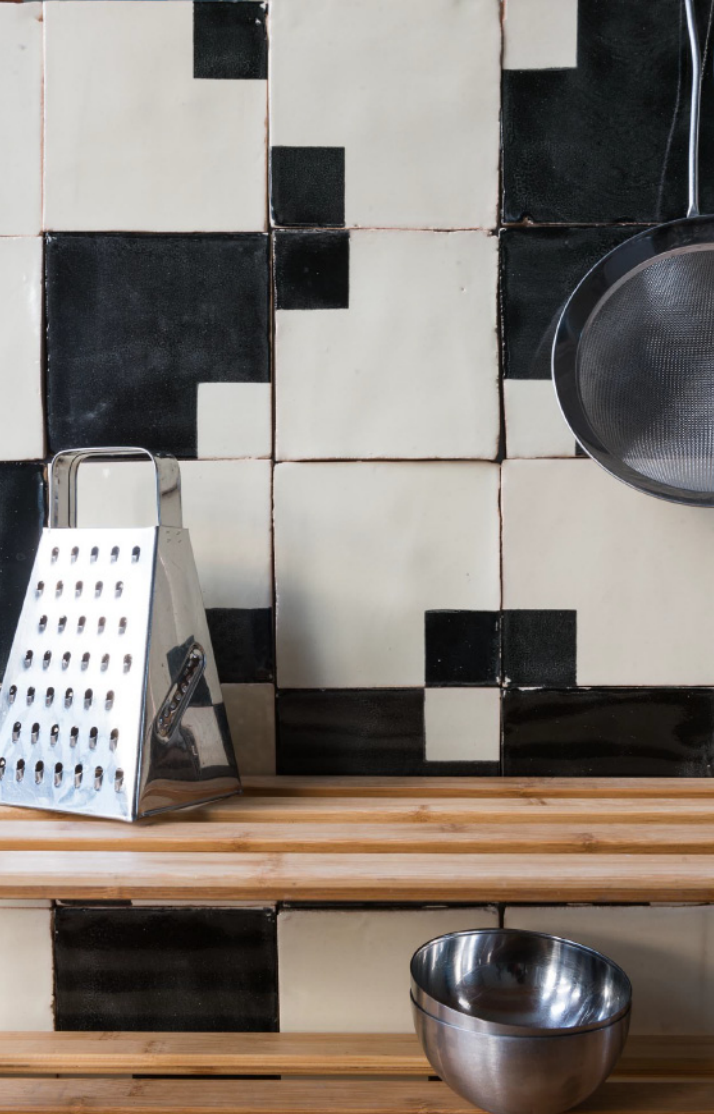
Squared ceramic tile may sound like the quiet, sensible cousin at the design family reunion, but do not underestimate it. This classic tile shape has been making kitchens, bathrooms, laundry rooms, entryways, fireplaces, and backsplashes look polished for decades. It is neat, balanced, practical, budget-friendly, and just stylish enough to say, “Yes, I have taste,” without shouting from the grout lines.
Whether you are planning a full bathroom renovation, a cheerful kitchen backsplash, or a floor that can survive muddy shoes, spilled coffee, and the occasional dramatic pet entrance, square ceramic tile deserves a serious look. Its clean geometry makes it easy to design with, its ceramic body keeps it approachable in price, and its variety of colors, finishes, and sizes gives homeowners plenty of room to play.
In this guide, we will explore what squared ceramic tile is, where it works best, how to choose the right size and finish, what to know about installation, and how to keep it looking sharp long after the last spacer has been removed.
What Is Squared Ceramic Tile?
Squared ceramic tile refers to ceramic tiles made in square formats, such as 2-inch mosaics, 4-inch wall tiles, 6-inch vintage-style tiles, 8-inch decorative tiles, 12-by-12 floor tiles, and larger square formats. Ceramic tile is typically made from natural clay and other minerals, shaped, dried, fired, and often finished with a glaze. The glaze can add color, pattern, shine, texture, and extra surface protection.
The square shape is the star here. Unlike rectangular subway tile, plank tile, or hexagon tile, square ceramic tile creates a direct grid. That grid can feel crisp and modern, charming and retro, handmade and artsy, or calm and traditional depending on the tile color, grout color, finish, and layout.
Think of squared ceramic tile as the design equivalent of a white button-down shirt. It can be simple, but it is never automatically boring. Dress it up with bold grout, stack it in a clean modern layout, mix two colors in a checkerboard pattern, or choose handmade-look edges for a softer, more organic feel.
Why Squared Ceramic Tile Is Still Popular
It Creates Visual Order
Square tile brings instant structure to a room. The repeated geometry naturally lines up with cabinets, countertops, mirrors, vanities, and walls. This makes it especially useful in small rooms where visual chaos can make the space feel tighter than a pair of jeans after Thanksgiving dinner.
It Works With Many Design Styles
Squared ceramic tile fits into farmhouse kitchens, midcentury bathrooms, modern laundry rooms, cottage-style backsplashes, minimalist showers, and colorful retro floors. White squares with matching grout feel clean and simple. Black-and-white squares feel classic. Sage green, navy, terracotta, or warm cream squares add personality without turning the room into a design circus.
It Is Often Easier to Plan
Because square tiles repeat evenly in both directions, layout planning can be simpler than with complicated shapes. A straight grid pattern is easy to visualize, and the consistent shape helps reduce confusion when calculating coverage, planning cuts, and centering the design.
It Can Be Budget-Friendly
Ceramic tile is often more affordable than porcelain, natural stone, cement tile, or handmade specialty tile. Of course, prices vary widely depending on brand, size, finish, and design, but squared ceramic tile remains one of the most practical options for homeowners who want a durable surface without asking their wallet to perform acrobatics.
Best Places to Use Squared Ceramic Tile
Kitchen Backsplashes
The kitchen backsplash is one of the best places for square ceramic tile. A 4-by-4 or 6-by-6 ceramic tile can create a clean, classic look behind the sink and stove. Glossy tile reflects light, which helps brighten the kitchen, while handmade-look square tile adds texture and warmth.
For a timeless kitchen, try white square ceramic tile with light gray grout. For something more playful, consider a checkerboard backsplash, blue glazed squares, or a warm off-white tile with slightly uneven edges. The backsplash is small enough to experiment without committing your entire house to a personality change.
Bathroom Walls
Squared ceramic tile is a natural fit for bathroom walls because ceramic is easy to clean and available in water-resistant glazed finishes. It can be used around vanities, behind mirrors, on shower walls when properly installed, or as wainscoting around the lower half of the room.
Small square tiles can create a vintage bathroom feel, especially in soft white, mint, pale pink, powder blue, or black-and-white combinations. Larger square tiles feel calmer and more contemporary, especially when paired with minimal grout contrast.
Bathroom Floors
Square ceramic tile can work beautifully on bathroom floors, but choose carefully. Floor tile should be rated for floor use, and in wet areas, surface texture matters. A glossy wall tile may look fabulous on Instagram but behave like an ice rink under wet feet. For bathroom floors, look for tiles with appropriate slip resistance and manufacturer approval for flooring.
Laundry Rooms and Mudrooms
Laundry rooms and mudrooms need surfaces that can handle water, dirt, detergent drips, and the mysterious debris that appears only when children or dogs are nearby. Squared ceramic floor tile is a strong candidate because it is easy to mop and can provide a crisp, finished look in hardworking spaces.
Fireplace Surrounds
Ceramic tile is also popular around fireplace surrounds. Square tiles can frame a fireplace in a traditional grid, a bold checkerboard, or a handmade-look pattern that adds charm. Always confirm that the tile and installation materials are suitable for the heat exposure of your specific fireplace area.
Popular Sizes of Squared Ceramic Tile
2-Inch Square Mosaic Tile
Small square mosaics are commonly used on bathroom floors, shower floors, and decorative accents. Their many grout lines can add grip underfoot, which is useful in wet spaces. They also curve more easily over shower slopes than large tiles.
4-by-4 Square Tile
The 4-by-4 square ceramic tile is a classic wall tile size. It is common in kitchens, bathrooms, and vintage-inspired designs. It has a friendly, familiar look that says, “I know what I am doing,” but not in an annoying way.
6-by-6 Square Tile
Six-inch square ceramic tile offers a slightly larger format while still keeping that classic square rhythm. It works well on backsplashes, shower walls, and feature walls. In colorful glazes, it can feel Mediterranean, coastal, rustic, or modern depending on the palette.
8-by-8 Patterned Tile
Patterned square ceramic tile is often found in 8-by-8 formats. These tiles can mimic cement tile designs, encaustic patterns, Moroccan-inspired motifs, or vintage geometric prints. They are excellent for powder room floors, laundry rooms, entryways, and backsplash feature areas.
12-by-12 Floor Tile
The 12-by-12 square ceramic tile has long been a go-to for floors. It offers enough size to cover space efficiently while still feeling approachable for many room layouts. It can look traditional or modern depending on the color, texture, and grout width.
Choosing the Right Finish
Glossy Finish
Glossy square ceramic tile is reflective, bright, and easy to wipe clean. It is ideal for kitchen backsplashes and bathroom walls. However, glossy tile is usually not the best choice for wet floors because it may be slippery.
Matte Finish
Matte ceramic tile has a softer, more contemporary appearance. It hides water spots and smudges better than high-gloss tile, which is excellent news for anyone who does not consider wiping walls a spiritual practice. Matte finishes can work on walls and some floors, depending on the tile rating.
Textured Finish
Textured square ceramic tile adds dimension and can improve traction on floors when designed for that purpose. It is especially useful in bathrooms, mudrooms, and laundry rooms. The trade-off is that deeply textured tile may require a little more cleaning attention.
Handmade-Look Finish
Handmade-look squared ceramic tile has uneven edges, wavy surfaces, and glaze variation. It brings warmth and character to a room. If perfectly straight grout lines make your heart sing, choose machine-made tile. If you like charm, movement, and a little “perfectly imperfect” personality, handmade-look tile may be your new best friend.
Color Ideas for Squared Ceramic Tile
White square ceramic tile is the safest classic. It works with nearly every cabinet, countertop, paint color, and fixture finish. Cream and ivory feel warmer than bright white and pair beautifully with brass, wood, and natural stone.
Black square tile adds drama, especially with white grout. Gray square ceramic tile is flexible and practical, while blue and green tiles bring color without overwhelming the room. Terracotta, rust, and clay tones create warmth and pair beautifully with organic textures like wood, linen, and woven baskets.
For a bold look, consider checkerboard tile. Black and white is iconic, but cream and taupe, sage and ivory, navy and white, or terracotta and blush can feel softer and more original.
Grout: The Tiny Line That Changes Everything
Grout may seem like a background player, but with squared ceramic tile, grout is part of the design. Matching grout creates a seamless, quiet surface. Contrasting grout emphasizes the grid and makes each tile stand out. Dark grout can hide stains better, but it may also make a room feel busier.
For small square tiles, grout lines are especially noticeable because there are more of them. This can be a benefit if you want texture and grip, but it also means maintenance matters. In kitchens and bathrooms, sealed grout or stain-resistant grout can make cleaning easier.
Proper grout joint width also matters. Tiles are not always perfectly identical in size, and a joint that is too narrow can make tiny differences more visible. A skilled installer will follow manufacturer recommendations and industry best practices instead of simply guessing with the confidence of a person assembling furniture without instructions.
Installation Tips for Squared Ceramic Tile
Start With a Flat, Clean Surface
Tile is only as good as what is underneath it. Floors and walls should be clean, stable, and properly prepared. Uneven surfaces can lead to lippage, cracking, poor adhesion, or grout problems. In wet areas, proper waterproofing is essential.
Dry-Lay Before Installing
Before mortar enters the chat, lay out the tile dry. This helps you plan cuts, center the pattern, and avoid awkward skinny pieces along edges. A dry layout also lets you blend tiles from multiple boxes, which is important when tile has shade variation.
Use Spacers for Consistent Lines
Square tile depends on clean alignment. Tile spacers help keep grout joints consistent, especially in a grid pattern. Even a small drift can become noticeable across a wall or floor, much like one crooked picture frame suddenly turning your hallway into a mystery novel.
Choose the Right Mortar and Trowel
The size of the tile and the installation area determine the type of mortar and trowel notch. Larger square tiles generally need more mortar coverage and a suitable trowel size. Always follow the tile and setting-material manufacturer’s instructions.
Respect Cure Times
After tile is set, it needs time before grouting. After grout is applied, it also needs time before heavy use or cleaning. Rushing this process can cause problems later. Tile installation rewards patience, which is inconvenient but true.
Maintenance and Cleaning
One reason homeowners love ceramic tile is that it is generally easy to maintain. Sweep or vacuum floor tile regularly to remove grit. Mop with warm water and a mild cleaner. For wall tile and backsplashes, wipe splashes before they dry into tiny monuments to last night’s pasta sauce.
Avoid harsh abrasive cleaners unless the manufacturer says they are safe. Abrasives can dull some glazed surfaces. For grout, use a soft brush and a pH-neutral cleaner when possible. If the grout is cement-based, sealing may help resist staining, especially in kitchens, bathrooms, and entryways.
Squared Ceramic Tile vs. Porcelain Tile
Ceramic and porcelain tile are closely related, but porcelain is generally denser and more water-resistant. Porcelain is often preferred for high-traffic floors, outdoor areas, and spaces that need extra durability. Ceramic tile, however, is usually easier to cut, often more affordable, and excellent for walls, backsplashes, and many residential floors when properly rated.
The best choice depends on the project. For a kitchen backsplash, ceramic square tile is usually more than capable. For a busy entry floor with heavy wear, porcelain may be worth considering. The key is not to choose based on looks alone. Check whether the tile is approved for the room, surface, and traffic level you have in mind.
Design Mistakes to Avoid
Using Wall Tile on Floors
Not all ceramic tile is made for foot traffic. Wall tile may be thinner or too slippery for floors. Always check the product specifications before installing tile underfoot.
Ignoring Slip Resistance
Bathrooms, laundry rooms, and mudrooms can get wet. Choose floor-rated tile with a suitable surface. Beauty is important, but so is not sliding across the bathroom like a cartoon character on a banana peel.
Choosing Grout Without Testing
Grout color changes the entire look. Test grout samples with your tile before committing. A color that looks subtle in the bag may look bold once installed across a full wall.
Forgetting Extra Tile
Order extra tile for cuts, breakage, and future repairs. A common rule is to add about 10 percent extra for simple layouts and more for diagonal or complex patterns. Future-you will be grateful when one tile cracks and the exact style has not vanished into the discontinued-product universe.
Real-Life Experience With Squared Ceramic Tile
Squared ceramic tile has a special way of making a project feel both manageable and transformative. In many home updates, it is the material people choose when they want a visible upgrade without turning the renovation into a financial thriller. A small backsplash project, for example, can completely change the mood of a kitchen. One day the wall is plain drywall. The next day it has glossy white squares, neat grout lines, and suddenly the coffee maker looks like it belongs in a boutique café.
One of the most common experiences with square ceramic tile is realizing how much the grout color matters. People often focus on the tile first, and that makes sense because tile is the main character. But grout is the supporting actor who steals the scene. White grout with white square tile feels clean and quiet. Charcoal grout with the same tile creates a bold grid that looks graphic and intentional. Warm beige grout can soften handmade-look tile and make the surface feel more relaxed. The tile may be the outfit, but grout is the belt, shoes, and attitude.
Another experience many homeowners share is learning that square tile is honest. It reveals whether a wall is straight, whether cabinets are level, and whether the room has charming old-house quirks or simply needs better prep. A square grid makes alignment easy to understand, but it also makes mistakes visible. That is why careful layout is so important. Centering the pattern, checking level lines, and planning cuts before installation can prevent those tiny awkward slivers of tile at the edge of a wall. Nobody wants a backsplash that ends with a sad little tile strip looking like it arrived late to the party.
In bathrooms, squared ceramic tile often brings a nostalgic feeling. Small square tiles can remind people of classic American bathrooms, old hotels, schoolhouse design, or midcentury homes. When paired with modern fixtures, that vintage shape can feel fresh instead of dated. A soft green square shower wall with brushed nickel fixtures feels calm and spa-like. A black-and-white square floor with a simple white vanity feels crisp and timeless. The square format gives structure, while color and finish decide the personality.
Cleaning experiences are generally positive, especially with glazed ceramic tile. A kitchen backsplash behind the stove will still collect grease, because cooking is apparently determined to decorate everything nearby. But glazed square tile wipes down easily with mild cleaner and a soft cloth. The grout requires more attention, especially if it is light colored. Many homeowners eventually learn that wiping splatters quickly is easier than scrubbing them later while questioning every life choice that led to tomato sauce on the wall.
Squared ceramic tile is also beginner-friendly in design terms. It does not demand complicated pattern knowledge. A straight stack layout can look modern. A running bond can soften the grid. A checkerboard can add instant character. A border can frame a floor or backsplash. Even simple white squares can become interesting with handmade texture or a glossy uneven glaze. The shape is basic in the best possible way: dependable, flexible, and ready to make the rest of the room look better.
The biggest lesson from living with square ceramic tile is that small decisions create big results. Tile size changes the scale of the room. Grout width changes the rhythm. Finish changes the light. Color changes the mood. Pattern changes the energy. When all those choices work together, squared ceramic tile can feel classic, custom, and surprisingly personal. It is proof that good design does not always need a dramatic shape. Sometimes, a simple square knows exactly what it is doing.
Conclusion
Squared ceramic tile remains popular because it balances beauty, practicality, and flexibility. It can be classic or playful, quiet or bold, budget-conscious or boutique-inspired. Use it on kitchen backsplashes, bathroom walls, laundry room floors, fireplace surrounds, and other interior surfaces where a clean, durable finish is needed.
The secret is choosing the right tile for the right location. Check whether it is rated for walls or floors, think carefully about finish and slip resistance, plan grout color before installation, and prepare the surface properly. Do that, and square ceramic tile can reward you with years of good looks and easy maintenance.
In a world full of design trends trying very hard to be the next big thing, squared ceramic tile quietly continues doing what it has always done well: making homes look cleaner, brighter, more organized, and more finished. Not bad for a square.
Note: This article is written in original American English for web publishing and synthesizes practical information from reputable U.S. tile, flooring, and home-improvement resources.