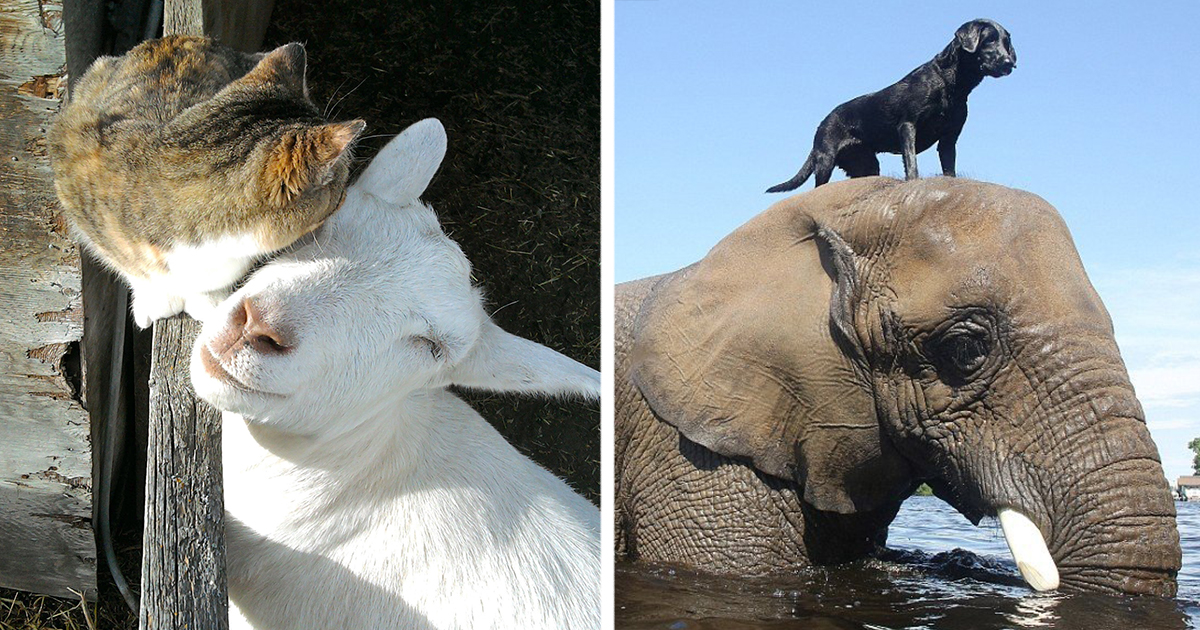
Some friendships make perfect sense: golden retriever meets tennis ball, cat meets cardboard box, human meets coffee on a Monday morning. But then nature tosses us a plot twist: a cheetah grows up with a dog, a hippo bonds with a tortoise, and a gorilla gently mothers a kitten like she just got promoted to Head of Tiny Fuzzy Affairs.
Unusual animal friendships are more than internet candy. They reveal how flexible, emotional, and surprisingly social animals can be when safety, curiosity, routine, and trust line up just right. In the wild, many species rely on social bonds for survival. In sanctuaries, zoos, homes, farms, and rescue centers, animals sometimes form friendships across species lines because they share space, comfort, play, or a need for companionship.
This list of 73 unusual animal friendships that are absolutely adorable celebrates the sweetest, strangest, and most heart-melting bonds in the animal world. Consider it a parade of paws, hooves, feathers, fins, shells, snouts, and one or two friendships that make you whisper, “Nature, are you writing children’s books now?”
Why Do Unusual Animal Friendships Happen?
Animal behavior experts often point to a few common ingredients: early socialization, repeated positive contact, shared routines, safety, food availability, and low competition. When animals are raised together, rescued together, or introduced carefully in a controlled environment, they may treat each other less like “different species” and more like “the weird roommate who understands snack time.”
That does not mean every predator can safely befriend prey, or every adorable video tells the whole story. Responsible caregivers supervise these relationships, watch for stress, and prioritize animal welfare. The best unusual animal friendships are not forced for clicks. They develop naturally, patiently, and safely.
Famous Unusual Animal Friendships That Stole Hearts
1. Owen the Hippo and Mzee the Tortoise
One of the most famous cross-species friendships began after Owen, a young hippo, was rescued following the 2004 Indian Ocean tsunami. At a sanctuary in Kenya, he bonded with Mzee, an elderly Aldabra giant tortoise. Owen followed Mzee, rested near him, and seemed to find emotional security in the slow-moving elder. It was basically a buddy comedy starring “Anxious Baby Hippo” and “Grandpa With a Shell.”
2. Koko the Gorilla and Her Kittens
Koko the gorilla became famous for her communication skills and her gentle affection for cats. Her bond with kittens, especially All Ball, changed how many people viewed gorillas’ emotional lives. Koko’s tenderness showed that affection, care, and grief are not exclusively human experiences.
3. Tarra the Elephant and Bella the Dog
At The Elephant Sanctuary in Tennessee, Tarra the elephant formed a deep friendship with Bella, a stray dog. They walked together, rested together, and explored the sanctuary like a mismatched detective team. Their size difference made the friendship look impossible, but their loyalty made it unforgettable.
4. Cheetahs and Their Companion Dogs
Many zoos have paired young cheetahs with calm dogs to help them build confidence. Cheetahs can be naturally nervous, while dogs often bring steady social cues. Pairs such as Ruuxa and Raina at San Diego Zoo Safari Park and cheetah-dog companions at Cincinnati Zoo show how a relaxed canine friend can help a big cat feel less like the world is one giant surprise party.
73 Absolutely Adorable Unusual Animal Friendships
Here are 73 types of unusual animal friendships, including famous real examples and common cross-species bonds seen in sanctuaries, farms, zoos, rescue homes, and family settings.
- Hippo and tortoise: Owen and Mzee proved that age gaps and shell gaps are not friendship dealbreakers.
- Gorilla and kitten: Koko’s gentle care for cats remains one of the most touching animal friendship stories ever told.
- Elephant and dog: Tarra and Bella showed that a tiny friend can fill a giant heart.
- Cheetah and dog: Companion dogs help some young cheetahs feel secure, playful, and socially grounded.
- Horse and goat: Barnyard goats often calm anxious horses and become tiny emotional-support roommates.
- Dog and deer: Rescued fawns sometimes bond with family dogs during rehabilitation.
- Cat and rabbit: A patient cat and a confident rabbit can become couch-sharing professionals.
- Dog and duck: Ducks may follow calm dogs around like feathered interns learning office culture.
- Cat and duckling: Some mother cats have been known to tolerate or even nurture orphaned ducklings.
- Goat and horse: Goats often bring playful energy to horses that dislike being alone.
- Pig and dog: Potbellied pigs and dogs can bond over food, naps, and dramatic opinions.
- Chicken and dog: Gentle dogs may become protective companions to backyard hens.
- Cow and sheep: On farms, calves and lambs raised together may graze side by side like old neighbors.
- Llama and sheep: Llamas can guard sheep, and sometimes the working relationship becomes a genuine bond.
- Donkey and goat: Both are social, stubborn, and deeply committed to looking innocent near broken fences.
- Cat and horse: Barn cats often nap on warm horses, creating premium-level countryside coziness.
- Dog and horse: Dogs and horses may become trail partners, stable friends, and mutual snack inspectors.
- Parrot and dog: A talkative bird and tolerant dog can develop a hilarious household routine.
- Parrot and cat: Careful supervision is essential, but some parrots rule the cat like tiny feathered CEOs.
- Rabbit and guinea pig: Though they require species-specific care, some individuals form peaceful companionship.
- Cat and guinea pig: Calm cats may accept small pets as family members rather than lunch suggestions.
- Dog and lamb: Livestock guardian dogs often bond strongly with lambs they protect.
- Sheep and dog: Herding dogs may develop affectionate connections with the animals they work around daily.
- Goose and tortoise: Slow walker meets loud security guard: somehow, it works.
- Duck and turtle: Pond animals sometimes share basking spots with surprising tolerance.
- Cat and ferret: Both enjoy sneaking, pouncing, and acting like the hallway is a secret jungle.
- Dog and ferret: Playful dogs and ferrets can become chaotic best friends with supervision.
- Monkey and dog: In some rescue settings, young primates have bonded with gentle dogs.
- Orangutan and dog: Stories of orangutans bonding with dogs show how play can cross species lines.
- Chimpanzee and tiger cub: In controlled sanctuary settings, young animals sometimes form temporary nurturing bonds.
- Lion cub and dog: Young big cats raised in human care may bond with canine companions.
- Tiger cub and dog: Similar early socialization can create playful, short-term friendships.
- Wolf pup and dog: Dogs may provide companionship to orphaned wolf or maned wolf pups in managed care.
- Fox and dog: Some rescued foxes bond with household dogs, though foxes remain wild animals with special needs.
- Raccoon and dog: Rehabilitation stories sometimes include raccoons choosing a dog as a trusted playmate.
- Capybara and almost everyone: Capybaras are so chill they seem like nature’s beanbag chairs.
- Capybara and bird: Birds perch on capybaras with the confidence of commuters boarding a bus.
- Capybara and monkey: In some parks, capybaras calmly tolerate energetic primates nearby.
- Capybara and cat: The world’s most relaxed rodent plus the world’s most dramatic pet is comedy gold.
- Dog and owl: Carefully managed photo and rescue stories have shown surprising calm between these two.
- Cat and owl: Rare, supervised, and visually magicallike a fantasy novel learned to purr.
- Dog and dolphin: Some dolphins appear curious and playful around dogs near boats or docks.
- Horse and dog: Their friendship often grows through routine: feeding, walking, training, and waiting for treats.
- Donkey and cow: Pasture animals may bond when they share space and calm temperaments.
- Goat and pig: Equal parts snack enthusiasm and comic timing.
- Chicken and goat: Chickens may perch on goats as if they paid rent.
- Turkey and dog: Some pet turkeys follow dogs with loyal, slightly ridiculous devotion.
- Peacock and cat: A glamorous bird and a suspicious cat can share a yard with mutual curiosity.
- Hedgehog and cat: The cat investigates; the hedgehog says, “Respect my personal space armor.”
- Dog and hedgehog: Calm dogs may learn to be gentle around spiky little companions.
- Rabbit and dog: With careful introductions, some dogs accept rabbits as gentle household friends.
- Horse and cat: Barn cats often choose horses as warm nap platforms.
- Goat and cat: The goat climbs everything; the cat judges everything. Balanced friendship.
- Duck and dog: Ducks sometimes imprint on dogs and follow them with total confidence.
- Hen and kitten: Hens may brood kittens, apparently deciding motherhood has no species limit.
- Dog and penguin: In conservation programs, guardian dogs have helped protect penguin colonies from predators.
- Alpaca and sheep: Alpacas can guard flocks and form peaceful pasture bonds.
- Dog and calf: Farm dogs and calves may bond during bottle-feeding routines.
- Cat and calf: A barn cat curling up beside a calf is basically rural poetry.
- Mini horse and dog: Similar size, shared curiosity, maximum cuteness.
- Duck and goat: Both enjoy wandering, nibbling, and pretending they are not causing trouble.
- Sheep and deer: Grazing animals sometimes accept each other in calm environments.
- Dog and kangaroo: In rescue settings, orphaned joeys may bond with gentle dogs.
- Cat and kangaroo joey: Warmth, softness, and shared nap culture can create surprising affection.
- Dog and wombat: Australian rescue stories occasionally feature playful wombats and patient dogs.
- Goat and llama: The goat brings chaos; the llama brings long-necked dignity.
- Cat and lizard: Not every household mix is safe, but some supervised reptiles and cats coexist peacefully.
- Dog and tortoise: The dog wants fetch; the tortoise wants lunch. They compromise by staring at lettuce.
- Bird and horse: Birds sometimes perch on horses, benefiting from height, warmth, and insects stirred up by grazing.
- Cat and sheep: Barn cats may cuddle into woolly warmth like they discovered organic bedding.
- Dog and seal: Some coastal encounters show seals and dogs displaying playful curiosity from a safe distance.
- Goat and donkey: A classic farm friendship built on companionship and shared stubborn energy.
- Human and rescued animal: The most unusual friendship may be the one where a frightened animal learns to trust a person again.
What These Animal Friendships Teach Us
These adorable animal friendships are not just cute distractions from your inbox. They remind us that companionship is a powerful force. Animals seek safety, comfort, play, and routine. When another creature provides those things, friendship can grow in unexpected places.
They also teach humility. Humans love to draw neat categories: predator and prey, wild and tame, big and small, smart and instinctive. Then a dog comforts a cheetah, a gorilla cuddles a kitten, and an elephant mourns a dog. Suddenly our tidy little boxes look like they were assembled by a raccoon with a glue stick.
Are Cross-Species Friendships Always Safe?
No. This is where the adorable parade needs a responsible chaperone. Many unusual animal friendships happen in supervised environments, often with trained caregivers. A cheetah and dog friendship at a zoo is not the same as tossing random pets together at home and hoping for a viral miracle.
Predatory instincts, stress, size differences, dietary needs, disease risks, and territorial behavior all matter. A friendship that looks cute for five seconds on video may not be safe long-term. The healthiest animal relationships are built slowly, watched carefully, and ended or adjusted if either animal shows fear, aggression, or distress.
How to Encourage Safe Friendships Between Pets
Start Slowly
Introduce animals through scent, distance, and short supervised sessions. Friendship should unfold like a gentle handshake, not a surprise family reunion hosted in a laundry basket.
Respect Species Differences
A rabbit does not play like a puppy. A parrot does not communicate like a cat. Learn each species’ body language before assuming everything is fine.
Reward Calm Behavior
Treats, praise, and predictable routines help animals associate each other with good things. Calm curiosity is a better sign than frantic excitement.
Never Force Contact
If one animal wants distance, give it distance. The best friendships form when both animals feel safe enough to choose interaction.
500-Word Experience Section: What Unusual Animal Friendships Feel Like Up Close
Anyone who has spent time around animals knows that their relationships can feel oddly familiar. Watch two unlikely companions settle into a routine and you begin to notice the small details: the dog that slows its steps so a duck can keep up, the horse that lowers its head so the barn cat can rub against its nose, the goat that calls when its donkey friend disappears behind the shed for exactly twelve seconds. It is sweet, funny, and occasionally dramatic enough to deserve a soundtrack.
The most moving part of unusual animal friendships is not usually the first meeting. It is the routine that follows. Real trust is built in repeated moments. A nervous animal learns that the other one will not hurt it. A lonely animal learns that someone will return. A playful animal learns who enjoys games and who prefers peaceful company. Over time, the relationship becomes less like a novelty and more like a daily comfort.
On farms and in rescue spaces, these bonds often begin with shared recovery. An orphaned lamb placed near a gentle dog may find warmth and confidence. A timid horse may relax when a goat stays nearby. A rescued cat may choose the calmest dog in the room and decide, with classic cat authority, “You are mine now.” Humans often think they are arranging the friendship, but animals have their own preferences. Sometimes the pair nobody predicted becomes inseparable.
There is also something deeply funny about watching animals ignore human expectations. We may see a size difference, a species difference, or a natural-history conflict. They may see a nap partner, a walking buddy, a source of warmth, or a creature with excellent snack-finding skills. A tortoise does not need to understand a hippo’s biography to become a comforting presence. A dog does not need to know it is helping a cheetah build confidence. The relationship works because both animals receive something valuable from it.
These friendships can also change the people watching them. They soften our assumptions. They make us more observant. Instead of treating animals like simple creatures following fixed scripts, we begin to notice personality: the bold duck, the patient dog, the jealous goat, the suspicious cat, the horse that clearly has a favorite chicken. That awareness matters. When people recognize animals as individuals with preferences and emotions, they are more likely to support humane care, rescue work, conservation, and responsible pet ownership.
Of course, not every animal wants a cross-species best friend, and that is perfectly fine. Some cats prefer solitude. Some dogs have strong prey drives. Some birds want nothing to do with anyone who lacks feathers and proper etiquette. The goal is not to manufacture cuteness. The goal is to respect animals enough to let trust grow naturally when it canand to protect them when it cannot.
In the end, unusual animal friendships are adorable because they feel both surprising and familiar. They remind us that companionship does not always arrive in the expected package. Sometimes it has paws. Sometimes it has hooves. Sometimes it has a shell and moves at the speed of a very thoughtful potato. But when the bond is real, we recognize it immediately.
Conclusion
The world of unusual animal friendships is charming because it blends science, emotion, and comedy in one fluffy, feathered, occasionally muddy package. From famous pairs like Owen and Mzee, Koko and her kittens, Tarra and Bella, and cheetahs with companion dogs, these stories show that animals are capable of flexible, meaningful social bonds when circumstances allow.
They also remind us to be responsible admirers. The best animal friendships are not staged or forced. They are built on safety, patience, trust, and good care. When those ingredients come together, the result can be absolutely adorableand sometimes powerful enough to change how we see the animal kingdom.