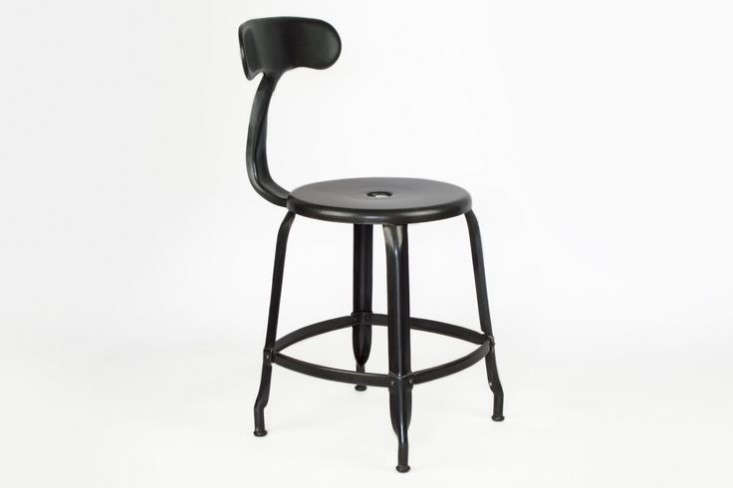
The Authentic 1933 Nicolle Side Chair is what happens when a factory chair grows up, learns French, develops excellent posture, and walks into a stylish dining room like it owns the place. Originally created for demanding workshop environments, this steel side chair has become a favorite among people who love industrial design, compact furniture, and pieces with enough character to start a conversation before the soup is served.
At first glance, the chair looks simple: metal frame, round seat, sculptural back. But the magic is in the details. Its signature “swan neck” support and “whale tail” backrest give the chair a silhouette that is instantly recognizable. It is not the kind of furniture that whispers politely from the corner. It says, “Yes, I once worked in a French factory, and now I am here to make your kitchen look more interesting.”
This guide explores the history, construction, style value, comfort, buying considerations, and real-life decorating potential of the Authentic 1933 Nicolle Side Chair. Whether you are designing a restaurant, updating a loft apartment, or simply looking for a side chair that does not look like every other chair on the internet, this French industrial classic deserves a closer look.
What Is the Authentic 1933 Nicolle Side Chair?
The Authentic 1933 Nicolle Side Chair is a French industrial chair based on a design associated with Paul-Henry Nicolle and the Nicolle manufacturing tradition. The chair was developed for use in factories and workshops, where seating had to be durable, stable, compact, and comfortable enough for real working people. In other words, this was not designed for a showroom where nobody sits down. It was designed for places where chairs had jobs.
The side chair version typically features an all-steel construction, a round seat, four strong legs, and the famous curved backrest that gives the chair its visual personality. Some reissued models are finished in gunmetal or black powder-coated steel, while modern Nicolle collections may appear in a wide range of colors and variations, including metal, wood-and-metal, adjustable, bar-height, and outdoor-friendly versions.
Unlike many decorative “industrial style” chairs that simply borrow the look, the Nicolle chair has genuine industrial roots. That authenticity matters. It gives the piece a sense of purpose. Nothing feels fake, over-designed, or precious. It is sturdy, sculptural, and practicalthe furniture equivalent of a well-tailored work jacket.
A Short History: From French Workshops to Modern Interiors
The Nicolle story began in France, where metalworking, utility, and practical design came together in the early twentieth century. The Nicolle factory tradition dates back to 1913, and the chair itself became strongly associated with the 1933 design created for factory and workshop environments. At the time, industrial seating needed to meet higher expectations for comfort, safety, and strength.
That context is important because it explains why the chair looks the way it does. The round seat saves space. The steel body resists hard use. The backrest supports the lower back without needing bulky upholstery. The frame is visually light but physically tough. It was built for workers, not trend reports.
Over time, the chair moved beyond workshops and into cafés, kitchens, studios, restaurants, and design-conscious homes. This is a familiar path for great industrial design. A piece begins as equipment, proves itself through usefulness, and eventually becomes beautiful precisely because it was never trying too hard. The Authentic 1933 Nicolle Side Chair has that rare quality: it looks stylish because it is honest.
The Signature Design: Swan Neck Meets Whale Tail
The most memorable feature of the Authentic 1933 Nicolle Side Chair is its backrest. Designers and collectors often refer to the curved support as a “swan neck” and the broad upper back as a “whale tail.” These names sound whimsical, but they describe the chair perfectly. The structure rises gracefully from the seat, curves backward, and spreads into a shaped metal back that gently supports the body.
This backrest is the reason the chair stands apart from other metal dining chairs. Many steel chairs look boxy or flat. The Nicolle chair has movement. It has a line that feels almost drawn in the air. From the side, it appears elegant and slightly theatrical. From the front, it has a friendly industrial face. Yes, a chair can have a face. Spend enough time shopping for furniture and you will start seeing personalities everywhere.
Functionally, the backrest helps provide lumbar support without heavy padding. That is one of the clever aspects of the design. Instead of adding cushion, the chair uses form, flex, and placement. The result is a seat that feels more comfortable than many people expect from a metal chair.
Materials and Construction: Why Steel Still Matters
The classic Authentic 1933 Nicolle Side Chair is known for its steel construction. Steel gives the chair strength, slimness, and a crisp industrial appearance. Powder-coated finishes add protection and color while keeping the surface practical for everyday use. A gunmetal finish, for example, gives the chair a deep, understated look that pairs well with wood, stone, concrete, tile, and painted cabinetry.
The original spirit of the chair is closely tied to metal stamping and industrial assembly methods. Stamped steel parts allow the chair to maintain a slender profile while remaining durable. Riveting or welding contributes to structural stability. The result is a chair that feels visually light but not fragile. It can sit beside a farmhouse table, under a small desk, at a restaurant banquette, or around a modern kitchen island without looking out of place.
Steel also brings a useful contrast to interiors. In rooms full of soft upholstery, woven baskets, and wood grain, a metal chair adds edge. In very modern spaces, it adds history. In rustic spaces, it adds discipline. In messy family kitchens, it adds something even better: a surface that does not panic when life happens.
Dimensions and Practical Fit
A commonly referenced side-chair format measures around 14 inches wide, 18 inches deep, and 30 inches high, with an approximate 18-inch seat height. That makes it suitable for standard dining tables and desks. Its compact footprint is one of its biggest advantages, especially in apartments, breakfast nooks, small cafés, and multipurpose rooms.
Because the chair is narrow compared with many upholstered dining chairs, it can help maximize seating around a table. This is especially helpful when you want a stylish dining setup but do not have enough space for oversized chairs with arms. The Nicolle side chair keeps things efficient. It is basically saying, “I came to look good and save floor space.” Respectable multitasking.
Best Places to Use the Chair
The Authentic 1933 Nicolle Side Chair works beautifully in kitchens, dining rooms, breakfast corners, creative studios, home offices, cafés, boutique retail spaces, and covered patios when the finish and version are appropriate. It is also a strong accent chair for entryways, where it can hold a bag, a stack of books, or one very dramatic cat.
How Comfortable Is the Authentic 1933 Nicolle Side Chair?
Comfort is always the big question with metal chairs. People see steel and immediately imagine sitting on a medieval lunch break. Fortunately, the Nicolle chair is not just a pretty silhouette. Its backrest was designed with ergonomic intention, especially for workshop use where people needed practical support.
That said, it is still a metal chair. It will feel firmer than an upholstered dining chair. For quick meals, coffee, desk work, or restaurant seating, many people find it comfortable because the back gives real support and the seat height is practical. For very long dinner parties, a leather or fabric seat pad can make the experience softer without ruining the chair’s clean profile.
The best way to think about comfort is this: the Nicolle chair is supportive and honest, not plush. It is like sitting in a beautifully made café chair, not sinking into a sofa. If your dining style involves lingering for three hours over dessert and gossip, add a cushion. If your household eats, works, chats, and moves, the chair’s firm efficiency can be a major advantage.
Why Designers Love French Industrial Chairs
French industrial chairs have a special charm because they combine utility with elegance. They are not as heavy-looking as some American factory furniture, and they are not as polished as formal European antiques. They live in the middle: practical, graceful, slightly rugged, and easy to mix with other styles.
The Authentic 1933 Nicolle Side Chair is especially useful because it does not demand a fully industrial room. You do not need exposed brick, Edison bulbs, and a wall clock the size of a wagon wheel. The chair can stand on its own. Place it beside a walnut table and it feels refined. Pair it with white subway tile and it feels classic. Put it near concrete floors and it becomes part of the architecture.
Style Pairing Ideas
For a warm modern kitchen, pair the chair with a natural oak or walnut table. The wood softens the steel, while the chair keeps the room from becoming too sweet. For a loft interior, use several Nicolle chairs around a reclaimed wood table and let the metal finish echo black window frames or exposed beams. For a café-style breakfast nook, combine the chair with a small marble or bistro table and a pendant light overhead.
If you like color, modern Nicolle-inspired collections may offer bold finishes such as red, white, yellow, blue, olive, or black. A single bright chair can become a cheerful accent in a neutral room. Four matching dark chairs, on the other hand, create a crisp and timeless dining arrangement.
Authentic vs. Inspired: What Buyers Should Know
Because the Nicolle chair has such a recognizable look, many industrial-style chairs borrow from its language. Some are legitimate reissues or official Nicolle products. Others are simply inspired by French workshop seating. The difference matters if you care about provenance, collectability, and design history.
An authentic or properly licensed Nicolle chair should connect clearly to the Nicolle manufacturing tradition, use high-quality metalwork, and preserve the chair’s signature proportions. Pay attention to the shape of the backrest, the curve of the support, the finish quality, and the overall balance of the frame. A cheap copy may imitate the whale-tail shape but miss the elegance of the curve. That is when a chair goes from “French industrial icon” to “warehouse costume party.”
When shopping, check product descriptions carefully. Look for information about country of manufacture, materials, finish, dimensions, and whether the item is vintage, reissued, or reproduction. If buying vintage, expect signs of age such as scratches, patina, worn finish, or small irregularities. Those marks can add character, but structural integrity should always come first.
Maintenance and Care
One of the pleasures of owning a powder-coated steel chair is that care is usually simple. Dust it with a soft cloth, wipe spills quickly, and avoid harsh abrasive cleaners that may dull or scratch the finish. For everyday cleaning, a damp cloth and mild soap are often enough. Dry the chair afterward to prevent moisture from sitting on joints or edges.
If the chair is used outdoors, make sure the specific model and finish are suitable for exterior conditions. Even durable metal furniture benefits from common sense. Do not leave it sitting forever in standing water, salty air, or harsh weather without protection. A chair may have industrial courage, but it still appreciates basic manners.
Pros and Cons of the Authentic 1933 Nicolle Side Chair
Pros
The chair has a genuine design heritage, a compact footprint, strong steel construction, and a memorable silhouette. It works in many interiors and is especially useful where durability and visual character are both important. It can also be paired with a seat pad for added comfort.
Cons
The metal seat may feel firm for long meals. The industrial style may not suit very traditional rooms unless balanced with warmer materials. Authentic or high-quality reissued models can cost more than generic metal dining chairs, though the difference often shows in the details.
Who Should Buy the Authentic 1933 Nicolle Side Chair?
This chair is ideal for people who appreciate furniture with history, function, and sculptural presence. It is a strong choice for small-space living, restaurant design, studio workspaces, and kitchens that need something tougher than a delicate upholstered chair. It also suits collectors who like industrial furniture but want a piece with a more elegant European profile.
It may not be the best choice for someone who wants a soft, cushioned, lounge-like dining chair. It is also not the chair for a room where every surface must feel plush and quiet. But if you want a seat with backboneliterally and stylisticallythe Nicolle side chair delivers.
Experience: Living With an Authentic 1933 Nicolle Side Chair
The first thing you notice when living with an Authentic 1933 Nicolle Side Chair is how easily it earns its place. Some furniture needs styling tricks, perfect lighting, and a nearby stack of expensive design books to look good. The Nicolle chair simply arrives, stands there, and makes the room feel more intentional. It has that rare ability to look designed without looking fussy.
In a real kitchen, the chair feels especially practical. Pull it up to a breakfast table and it slides in neatly because the footprint is compact. Move it to a desk and it suddenly becomes a work chair with personality. Use it as an extra seat during a party and nobody asks why there is a random chair in the room; they ask where you found it. That is always a good sign.
The metal seat is firm, of course. There is no pretending otherwise. But firm does not automatically mean uncomfortable. The backrest changes the experience because it gives the lower back a place to land. When you sit for coffee, read a few emails, or eat a quick lunch, the chair feels supportive and alert. It encourages good posture in the way a very polite French schoolteacher might: not cruel, just quietly persuasive.
A seat pad makes a noticeable difference for longer sitting. A slim leather pad works particularly well because it keeps the industrial look intact while adding warmth. Fabric pads can soften the mood, especially in family homes where metal furniture sometimes needs a little friendliness. The trick is to keep the cushion simple. Too much padding hides the clean round seat and makes the chair look like it borrowed a hat from another chair.
Styling the chair is surprisingly easy. Around a wooden table, it creates a satisfying contrast between warm grain and cool steel. Against white walls, the dark frame becomes graphic and sharp. Near brick, stone, or concrete, it looks completely at home. In a modern farmhouse kitchen, it prevents the room from becoming too sweet. In a minimalist apartment, it adds history without adding clutter.
The chair is also useful as a “floating” piece. Place one near an entry table and it becomes a spot for tying shoes. Put one beside a bed and it works as a nightstand alternative for books and folded clothes. Use one in a bathroom corner and it can hold towels with more charm than a basic stool. It is flexible because the design is compact, strong, and visually complete from every angle.
One unexpected benefit is how well it ages aesthetically. Trendy chairs can look dated when the finish, shape, or material falls out of fashion. The Nicolle chair has already survived decades of changing tastes because it was never dependent on decoration. Its appeal comes from proportion, purpose, and construction. Scratches or light wear do not necessarily ruin it; they often make it look more honest. That is the beauty of industrial furniture: a little life rarely hurts.
For anyone furnishing a home with personality, the Authentic 1933 Nicolle Side Chair offers a balance that is hard to fake. It is useful but not boring, historic but not museum-like, stylish but not needy. It brings French industrial character into everyday rooms and proves that a chair does not need upholstery, arms, or dramatic curves to become memorable. Sometimes all it needs is steel, a clever backrest, and nearly a century of good posture.
Conclusion
The Authentic 1933 Nicolle Side Chair is more than a metal dining chair. It is a piece of French industrial design history that still feels practical in modern homes. Its steel construction, compact footprint, whale-tail backrest, and workshop-born durability make it a smart choice for kitchens, dining rooms, studios, cafés, and small spaces. It has enough character to anchor a room but enough restraint to blend with wood, stone, tile, leather, and contemporary finishes.
If you want a chair that feels authentic, useful, and visually distinctive, the Nicolle side chair is worth serious consideration. It does not try to be luxurious in the usual soft-and-puffy way. Instead, it offers a quieter kind of luxury: good design, honest materials, long-lasting utility, and a silhouette that makes even an ordinary breakfast table look like it has excellent taste.
Note: This article is original editorial content based on real design-history and product information about the Nicolle chair tradition. It is written for web publication without source-link clutter or citation artifacts.