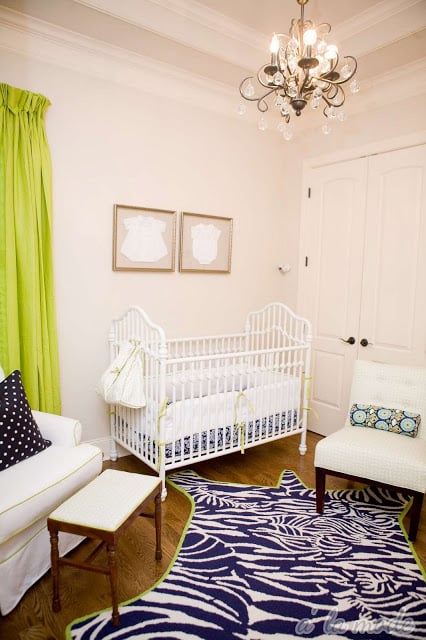
A beautiful green, navy and white nursery design has a special kind of magic. It feels calm without being sleepy, classic without being stiff, and stylish without looking like a room that requires a security guard at the door. Green brings softness and nature. Navy adds depth and grown-up polish. White keeps the whole space bright, clean and breathable. Together, the palette creates a nursery that can work for a baby today, a curious toddler tomorrow and, with a few smart updates, a big kid who suddenly has very strong opinions about dinosaurs, rockets, or why socks are “optional.”
This color combination is especially popular because it avoids the usual nursery trap: decorating so specifically for a newborn that the room feels outdated before the child can say “more snacks.” Green, navy and white can lean modern, coastal, woodland, traditional, minimalist, preppy, botanical or whimsical. It is gender-neutral, photogenic and practical. Most importantly, it gives parents a flexible foundation for a room that supports real life: late-night feedings, diaper changes, tiny laundry mountains and the occasional mystery stain that no one wants to discuss.
The best nursery designs are not only pretty. They are soothing, safe, organized and easy to maintain. A gorgeous nursery that has nowhere to store wipes is just a magazine cover waiting to become a sitcom scene. This guide explores how to create a green, navy and white nursery that looks beautiful, works hard and grows gracefully with your child.
Why Green, Navy And White Work So Well Together
The power of this nursery palette comes from balance. Green is the nature-inspired anchor. It can be sage, olive, eucalyptus, moss, fern or a softer gray-green. Navy is the dramatic note, bringing contrast and structure. White acts as the visual reset button, preventing the room from feeling too dark or too busy.
In design terms, the combination works because each color has a job. Green softens the space. Navy grounds it. White reflects light and gives the eye a place to rest. When used thoughtfully, these colors create a nursery that feels layered rather than loud. You can use green on the walls, navy in textiles and white in furniture. Or you can flip the script with white walls, a navy accent wall and green decor. The palette is flexible enough to handle both bold and subtle approaches.
The Emotional Feel Of The Palette
Green is often associated with calm, freshness and renewal, which makes it a natural choice for a baby’s room. Navy, when used in moderation, brings a cozy, protective feeling. White adds simplicity and clarity. Put together, the room can feel like a tiny boutique hotel for someone who mostly communicates by hiccuping.
That emotional balance matters. Parents spend a lot of time in the nursery, especially during the first year. A room that feels peaceful for adults is not a luxury; it is a survival tool with curtains. Soft green walls, crisp white furniture and navy accents can create an environment that feels restful during 2 a.m. wake-ups and still polished when visitors peek in and say, “Oh wow, you’re so organized,” while you quietly hide a burp cloth behind your back.
Choosing The Right Green For The Nursery
Green is the star of this design, so choosing the right shade is important. For a nursery, softer greens usually work best because they feel calm and timeless. Sage green is a favorite because it behaves almost like a neutral. It pairs beautifully with white cribs, natural wood dressers, woven baskets and navy bedding. Eucalyptus green is slightly cooler and works well in modern nurseries. Olive green feels earthier and richer, especially when paired with brass hardware or warm wood tones.
If the room is small or lacks natural light, choose a lighter green with gray or beige undertones. This keeps the nursery from feeling heavy. In a bright room with large windows, you can go deeper with moss, forest or muted olive on one wall, built-ins or wainscoting. The goal is not to make the room look like a salad bar. The goal is softness, depth and harmony.
Green Wall Ideas
One of the easiest ways to use green is with painted walls. A full-room sage green can create a gentle cocoon, especially with white trim and navy details. For a more tailored look, consider painting the lower half of the wall green and leaving the upper half white. Add a chair rail or board-and-batten trim for architectural interest. This is a great option if you want color without overwhelming the room.
Another option is a green accent wall behind the crib. This works especially well with botanical wallpaper, painted arches, simple paneling or a mural-inspired design. If using wallpaper, choose a pattern with green leaves, navy details and white negative space. The white background keeps the pattern fresh, while the green and navy tie the room together.
How To Use Navy Without Making The Room Too Dark
Navy blue is elegant, but it has a strong personality. A little navy can make a nursery feel polished. Too much navy can make it feel like the baby has joined a maritime law firm. The trick is to use navy as an accent or grounding color rather than letting it dominate every surface.
Great places for navy include curtains, a rug, crib sheets, a glider pillow, framed art, drawer knobs, a lamp shade or a painted dresser. Navy also looks beautiful on built-ins or closet doors, especially when balanced with white walls and green textiles. If you love drama, a navy ceiling can be stunning in a room with tall walls and plenty of natural light. Just keep the rest of the palette airy.
Best Navy Pairings In A Nursery
Navy pairs beautifully with warm white, soft green, natural wood, brushed brass and woven textures. Avoid pairing navy only with bright white and high-contrast patterns unless you want a sharper, nautical look. For a softer nursery, choose ivory, cream or warm white instead of stark white. This keeps the room feeling cozy and baby-friendly.
A navy and white striped rug can add classic charm. Navy blackout curtains can support nap time while framing the windows beautifully. Navy picture frames can make simple animal prints or botanical illustrations feel more intentional. Even a navy hamper can look surprisingly chic, which is impressive for an object whose job is to hold tiny socks and evidence.
Why White Furniture Is A Smart Foundation
White nursery furniture is popular for a reason. It brightens the room, works with nearly any wall color and makes the space feel clean. In a green, navy and white nursery, white furniture also prevents the darker colors from taking over. A white crib, white dresser and white shelving can make sage walls and navy accents feel crisp rather than heavy.
White furniture is also easy to update. As the child grows, you can change the art, bedding, rug and accessories without replacing the major pieces. A white dresser can move from nursery to big-kid room with new hardware. A white bookcase can shift from board books to chapter books to random rock collections that are apparently “very important.”
Mixing White With Wood Tones
To avoid a room that feels too cold, mix white furniture with natural wood. A wood-framed mirror, oak shelves, rattan baskets or a walnut side table can add warmth. Light wood feels Scandinavian and airy. Medium wood adds a classic touch. Dark wood creates contrast and looks especially handsome with navy.
The key is to repeat each finish at least twice. If you use a wood crib, add a wood picture frame or shelf. If you choose white furniture with brass knobs, repeat brass in a lamp or curtain rod. Repetition makes the nursery feel designed, not randomly assembled during a late-night online shopping adventure.
Creating A Safe And Beautiful Crib Zone
The crib is the visual centerpiece of most nurseries, but safety should guide the design. Keep the sleep area simple. Use a firm crib mattress with a fitted sheet. Skip loose blankets, pillows, bumpers, stuffed animals and decorative objects inside the crib while the baby is sleeping. The prettiest crib is still the one that follows safe sleep basics.
That does not mean the crib area has to look boring. Style the wall around the crib instead. Hang art securely and high enough to stay out of reach. Use wallpaper, paint, paneling or a wall decal to create interest. Choose a fitted crib sheet in white, sage, navy or a subtle pattern. The sleep surface stays clear, while the surrounding design still looks complete.
Crib Wall Design Ideas
For a beautiful green, navy and white nursery, try a sage green wall behind a white crib with navy-and-white framed prints above it. Or install white board-and-batten trim on the lower wall and use a soft botanical wallpaper above. Another stylish option is a painted arch in muted green behind the crib, paired with a navy name sign or simple wood letters.
If you prefer a nature-inspired room, botanical prints are a natural fit. Think fern illustrations, leafy branches, woodland animals or watercolor landscapes. If you prefer a coastal mood, use navy sailboat art, white frames and muted green textiles. If modern is more your style, choose abstract art with navy shapes, green lines and plenty of white space.
Designing The Changing Station
A beautiful changing station must pass one important test: can you reach the diapers without performing a yoga pose? Function comes first. Choose a dresser with a secure changing pad on top, then organize the drawers by category. Keep diapers, wipes, cream, extra onesies and burp cloths within easy reach. Use baskets or dividers so the drawer does not become a tiny cotton jungle.
Style the changing area with the same green, navy and white palette. A white dresser with navy knobs can look custom without costing a fortune. A sage green lamp, a navy storage caddy and a white tray can make the station feel cohesive. Add a mirror or art above the dresser, but make sure anything on the wall is securely installed.
Smart Storage For A Real-Life Nursery
Babies are small, but their belongings arrive like they signed a lease. Storage matters. Use drawer organizers for onesies, socks and pajamas. Add baskets for swaddles, blankets and toys. Use shelves for books and display items, but keep daily essentials in closed storage to reduce visual clutter.
In this color palette, storage can become part of the design. White bins look clean on open shelves. Navy baskets add contrast. Green fabric cubes can soften a white bookcase. Woven baskets warm up the palette and pair beautifully with both green and navy. The best storage does not scream “storage.” It quietly does its job while making the room look calmer than your group chat.
Choosing Rugs, Curtains And Textiles
Textiles are where a green, navy and white nursery becomes cozy. A rug can define the room and soften the floor. Curtains can help with light control and add height. Pillows and throws can make the glider area comfortable for adults, though they should stay out of the crib.
For rugs, consider a navy-and-white pattern, a green vintage-inspired rug, a washable ivory rug with subtle navy lines or a natural fiber rug layered with a soft accent rug. Pattern helps hide small messes, which is useful because babies have a gift for turning clear liquids into design challenges.
Blackout Curtains With Style
Blackout curtains are one of the most practical nursery purchases. They help create a darker sleep environment during daytime naps and early summer evenings. Navy blackout curtains look tailored and classic, especially against white or sage walls. If navy feels too strong, choose white curtains with navy trim or a soft green curtain with white sheers.
Hang curtains high and wide to make the room feel larger. Use safe, secure hardware and keep cords out of reach. The nursery should look polished, but it should also be prepared for the day your baby becomes a toddler and decides curtain climbing is a personality trait.
Lighting A Green, Navy And White Nursery
Good nursery lighting has layers. You need overhead light for general use, soft light for bedtime routines and task lighting near the changing station or glider. A dimmer switch is one of the best upgrades you can make. Bright light is helpful when cleaning. Soft light is better during nighttime feeds when everyone is trying to pretend it is still sleep time.
Choose lighting that complements the palette. A white linen shade feels classic. A navy lamp base adds contrast. A brass sconce brings warmth. A woven pendant can add texture and soften the room. Night-lights should be gentle and practical rather than bright enough to guide aircraft.
The Glider Corner
The glider or rocking chair corner is the emotional heart of the nursery. This is where feeding, reading, soothing and exhausted staring into space all happen. Choose a comfortable chair in performance fabric if possible. White or cream upholstery looks beautiful, but make sure it is washable or stain-resistant. A navy pillow and green throw can tie the chair into the palette.
Add a small side table for water, a book, burp cloths and your phone. A soft lamp nearby makes nighttime routines easier. If space allows, place a basket next to the chair for blankets and favorite books. This corner should feel like a calm landing spot, not a furniture showroom where no one is allowed to spill anything.
Wall Art And Decorative Details
Art gives the nursery personality. Green, navy and white work with many themes, so choose one that feels natural to your home. Botanical art creates a garden-inspired nursery. Whale, sailboat or wave prints create a coastal look. Forest animals make the room whimsical. Abstract prints keep the space modern. Personalized name art can add warmth without making the room feel overly themed.
Decorative details should be intentional. A mobile, wall hooks, framed prints, a growth chart and a few display shelves can be enough. Too many small objects can make the room feel cluttered and harder to clean. Babies do not need 47 ceramic rabbits. They need love, sleep, clean diapers and maybe one rabbit with a good agent.
Using Patterns Without Overwhelming The Room
Pattern is your friend when used carefully. In a green, navy and white nursery, try mixing one large-scale pattern with one small-scale pattern. For example, pair botanical wallpaper with a simple striped rug. Or use a navy gingham crib sheet with solid green curtains. Keep the color palette consistent so the room feels layered rather than chaotic.
If the walls are patterned, keep the rug quieter. If the rug is bold, choose simple wall art. The best nurseries give the eye a few interesting places to land, not a visual obstacle course.
Making The Nursery Grow With Your Child
A smart nursery design looks beyond the newborn stage. Green, navy and white make this easy because the palette is not overly babyish. As your child grows, the white crib can become a toddler bed if it is convertible. The dresser can stay. The rug, curtains and shelves can remain. You can update the room with new art, bedding and toys instead of starting over.
For a toddler, add low book storage, soft floor cushions and accessible toy bins. For a preschooler, introduce a small table, a reading corner or themed art based on their interests. The green, navy and white foundation can support dinosaurs, outer space, sports, woodland animals or ocean themes without a complete redesign.
Budget-Friendly Ways To Get The Look
You do not need a luxury budget to create a beautiful nursery. Paint is the biggest transformation tool. A green accent wall, navy dresser makeover or white trim refresh can change the whole mood of the room. Swapping hardware is another affordable upgrade. Navy knobs on a white dresser or brass pulls on a green cabinet can make basic furniture feel custom.
Use framed printable art, secondhand furniture, washable rugs and baskets to stretch the budget. Invest more in items that affect daily comfort and safety, such as a quality crib, firm mattress, comfortable chair and good window coverings. Save money on decorative pieces that can easily be changed later.
Sample Green, Navy And White Nursery Design Plan
Here is a simple design plan that works in many rooms. Paint the walls a soft sage green and keep the ceiling and trim warm white. Choose a white crib with a firm mattress and a fitted sheet in a subtle navy-and-white pattern. Place a white dresser nearby and add navy knobs. Use a navy washable rug to ground the space. Hang white curtains with blackout lining, or choose navy panels if the room gets strong sunlight.
For the glider corner, choose a cream or white chair with a navy pillow and a green throw. Add a small wood side table and a warm brass lamp. Above the crib, hang three framed botanical prints with green leaves, navy accents and white mats. Add woven baskets for blankets and toys. Finish with a few personal touches: a name sign, a favorite book display and a soft mobile hung safely out of reach.
The result is calm, polished and practical. It looks designed, but it does not feel too precious. That is the sweet spot for a nursery: beautiful enough to make you smile, functional enough to survive Tuesday.
Common Mistakes To Avoid
The first mistake is using too many competing greens. Sage, emerald, mint, olive and neon lime all in one room can feel messy. Pick one main green and one supporting green at most. The second mistake is letting navy dominate the room. Navy is powerful, so use it to create contrast, not darkness.
Another common mistake is forgetting maintenance. White rugs, delicate curtains and non-washable textiles may look dreamy at first, but nurseries are working rooms. Choose materials that can handle spills, dust and frequent cleaning. Also avoid cluttering the crib for photos. A styled crib may look cute for a picture, but the sleep space should stay simple and clear for real use.
Of Real-Life Experience And Practical Lessons
Designing a green, navy and white nursery sounds simple until you are standing in a paint aisle holding six nearly identical sage swatches and wondering whether “misty fern” is emotionally different from “quiet eucalyptus.” The biggest lesson from real nursery planning is that colors change dramatically once they are on the wall. A soft green that looks perfect online can turn gray in a north-facing room or too yellow under warm bulbs. Always test paint samples in the actual nursery and look at them in morning, afternoon and nighttime light.
Another practical experience: start with the largest surfaces first. Walls, rug, curtains and furniture set the tone. Small accessories should come later. Many parents buy adorable decor first, then struggle to make the room feel cohesive. It is much easier to choose a navy pillow after you already know the wall color than to choose a wall color based on one tiny pillow you bought because it had a charming moon on it.
Storage is the detail that makes the nursery feel peaceful after the baby arrives. Before birth, open shelves look beautiful with folded blankets and tiny shoes. After birth, the real stars are drawer dividers, wipeable bins and a diaper station that can be operated with one hand. Use the top drawer for daily essentials. Keep the next size of clothing in labeled bins. Put sentimental outfits somewhere separate so they do not get mixed into the laundry cycle and emerge looking like they fought a towel.
The glider corner deserves more attention than most people give it. Parents spend hours there. Test the chair if possible. Make sure the arm height works for feeding, the back is supportive and the fabric is forgiving. A pretty chair that feels like sitting on a stylish rock will not be loved at 3 a.m. Add a table with enough room for water, a burp cloth and a small lamp. This little corner can make long nights feel calmer.
Lighting is another lesson learned quickly. One bright overhead light is not enough. Install a dimmer or use a soft lamp. Nighttime diaper changes are easier when you can see what you are doing without waking everyone fully. The goal is “gentle moonlit helper,” not “stadium inspection.”
Finally, leave room for the nursery to evolve. A baby’s room does not need to be finished down to the last decorative object before the baby arrives. In fact, it is better if it is not. Once daily routines begin, you will learn where you need another basket, which wall needs a hook and whether the changing station setup actually works. The most beautiful nursery is not the one that looks perfect on day one. It is the one that keeps supporting your family through sleepy mornings, growth spurts, first giggles and all the tiny, ordinary moments that make the room unforgettable.
Conclusion
A beautiful green, navy and white nursery design is more than a color scheme. It is a smart foundation for a calm, functional and timeless baby room. Green brings a soothing natural quality, navy adds depth and classic style, and white keeps everything fresh and flexible. With safe sleep practices, thoughtful storage, layered lighting and practical textiles, this palette can create a nursery that looks polished while still working for everyday family life.
The best approach is to design with both beauty and reality in mind. Choose washable materials. Keep the crib simple and safe. Make the changing station efficient. Create a comfortable glider corner. Add personality through art, texture and small details. When done well, a green, navy and white nursery feels peaceful, stylish and ready for the wonderful chaos of a new baby.
Note: This article is written for web publishing in standard American English and is based on current nursery design principles, practical decorating experience and widely accepted infant room safety guidance.