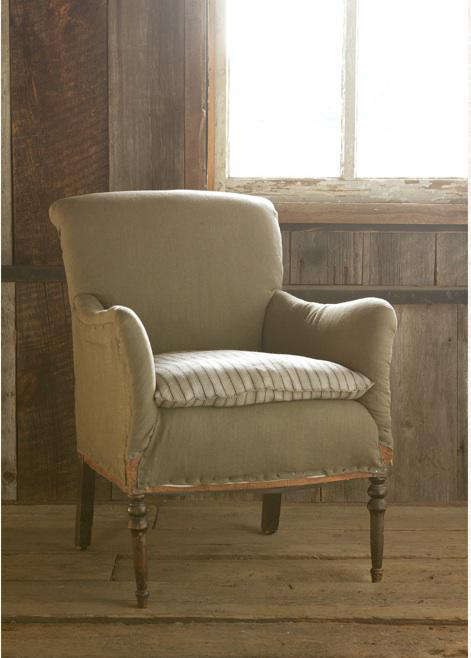
Some furniture politely enters a room. Nightwood furniture, especially when seen through Terrain’s lush, garden-meets-home lens, walks in wearing muddy boots, carrying a bouquet of wild branches, and somehow still looks effortlessly chic. That is the charm. “Furniture: Nightwood at Terrain” is not just a shopping note about chairs, sofas, and tables. It is a design mood: reclaimed wood, hand-built character, rustic silhouettes, imperfect textures, and the kind of soulful home decor that makes a room feel collected rather than assembled by a nervous algorithm.
Nightwood began as a creative furniture and interiors studio known for giving discarded materials a second life. Terrain, the home and garden brand loved for its nature-inspired retail spaces, has long been a fitting stage for pieces that look as though they were pulled from an old farmhouse, reimagined in a Brooklyn studio, then invited to a very good dinner party. Together, the pairing speaks to a bigger movement in American interiors: homeowners are tired of disposable “fast furniture” and increasingly drawn to reclaimed wood furniture, handmade furniture, artisan upholstery, vintage-inspired seating, and objects with real texture.
This article explores the appeal of Nightwood at Terrain, why reclaimed and repurposed furniture still feels fresh, how to style these pieces at home, and what buyers should consider before investing in furniture that proudly shows its age, scars, knots, and personality. Spoiler: the knots are part of the plot.
What Is Nightwood?
Nightwood is a furniture and design-build studio associated with handcrafted pieces, custom interiors, built-ins, and a devotion to natural materials. The studio’s work has been described around ideas of reincarnation, salvage, and transformation: old wood becomes a chair, cast-off furniture becomes a sculptural sofa, and materials that might otherwise be ignored become the main character. In design terms, Nightwood sits at the intersection of rustic furniture, contemporary craft, wabi-sabi texture, and sustainable home decor.
That combination matters because modern homes often suffer from sameness. The internet has made it easy to buy a sofa in two clicks, but it has also made many living rooms look like they all attended the same beige seminar. Nightwood’s appeal comes from the opposite direction. Its pieces suggest hands, history, and decision-making. A Nightwood-style chair is not trying to disappear into the background. It wants to be noticed, used, discussed, and possibly photographed beside a slightly unruly fern.
Why Terrain Was the Right Setting
Terrain is not a typical furniture retailer. It is part garden shop, part home store, part lifestyle fantasy for people who believe a weathered pot can change the emotional temperature of a Tuesday. Its product world includes outdoor furniture, planters, tabletop goods, lighting, garden tools, seasonal decor, and nature-inspired gifts. In that environment, Nightwood’s rustic-modern furniture feels less like merchandise and more like habitat.
Terrain’s strength has always been atmosphere. The brand sells objects, yes, but it also sells the feeling of stepping into a greenhouse after rain, a patio dinner lit by candles, or a living room where the coffee table looks as if it has a better backstory than most people at the party. Nightwood fits because reclaimed furniture needs context. Put a salvaged wood chair under fluorescent warehouse lighting and it may look odd. Place it near mossy planters, hand-thrown ceramics, linen textiles, and old-world garden accessories, and suddenly it looks inevitable.
The Design Language: Rustic, Reclaimed, and Refined
The most important thing to understand about Nightwood at Terrain is that the style is not simply “rustic.” Rustic alone can drift into cabin cliché very quickly. Add too many distressed surfaces and suddenly your living room looks like it is waiting for a banjo. Nightwood’s better design language is rustic refined: raw materials balanced with thoughtful forms, visible age softened by sculptural proportion, and earthy finishes paired with comfortable upholstery.
Reclaimed Wood With a Point of View
Reclaimed wood furniture has a built-in advantage: it already has visual depth. New wood can be beautiful, but salvaged wood often carries nail marks, tonal variation, weathering, and grain patterns that cannot be faked convincingly. In a Nightwood-inspired piece, those marks are not defects. They are design details. A tabletop might show uneven color. A chair frame may carry the memory of another life. A bench may feel more like an artifact than a product.
Upholstery That Feels Lived-In
Many Nightwood-style pieces use fabrics that complement the wood rather than compete with it. Think linen, burlap-like textures, cotton canvas, muted neutrals, faded patterns, or tactile weaves. The goal is not glossy perfection. The goal is comfort with character. This makes the furniture especially suited to homes that mix vintage finds, handmade ceramics, books, plants, antique rugs, and slightly eccentric objects collected over time.
Shape Over Shine
Nightwood’s appeal is also sculptural. A chair can be humble and still have presence. A sofa can look relaxed without becoming shapeless. A table can be simple while still feeling intentional. This is where handmade furniture separates itself from mass-market imitation. The maker’s eye matters. The curve of an arm, the thickness of a leg, the relationship between wood and textilethese choices create emotional weight.
Why Reclaimed Furniture Is More Relevant Than Ever
Furniture waste has become a serious issue in the United States. Cheap, low-durability pieces often break, sag, peel, or become unfashionable within a few years, then head to the curb. The rise of fast furniture has made decorating easier in the short term but more wasteful in the long term. Against that backdrop, reclaimed wood furniture and vintage-inspired handmade pieces offer a smarter alternative.
Reclaimed furniture does three useful things at once. First, it reduces the demand for newly harvested raw materials. Second, it keeps usable materials in circulation instead of sending them to landfills. Third, it gives homeowners pieces that are harder to duplicate, which is wonderful news for anyone who has ever walked into a friend’s apartment and realized they own the exact same bookcase. Awkward? Only if you both named it.
There is also a wellness argument. Older solid wood pieces and carefully finished handmade furniture may avoid some of the chemical-heavy materials associated with inexpensive composite furniture. While every piece should be judged individually, the broader design trend is clear: buyers are paying more attention to natural finishes, low-VOC choices, repairability, and longevity.
How to Style Nightwood Furniture at Home
The best way to style Nightwood-style furniture is to let it breathe. These pieces usually have enough texture to carry a room, so they do not need a crowd of competing rustic accessories. A reclaimed wood sofa or chair should be treated like the interesting guest at dinner: give it space, good lighting, and do not interrupt it with twelve throw pillows shouting in different fonts.
In the Living Room
Pair a rustic handmade chair with a clean-lined sofa, a wool rug, and a simple side table. Add one or two organic elements such as a ceramic lamp, a woven basket, or a large plant. The contrast keeps the room from becoming too themed. If the chair has distressed wood and linen upholstery, avoid surrounding it with only distressed items. Mix in smooth plaster, matte metal, glass, or modern art to create balance.
In the Dining Room
A reclaimed wood dining table can become the heart of a home. To keep it from feeling heavy, use lighter chairs, linen napkins, and simple tableware. Terrain’s garden-inspired aesthetic works beautifully here: potted herbs, taper candles, stoneware plates, and seasonal branches can make the table feel warm without turning dinner into a craft fair. The rule is simple: one dramatic natural element is charming; seven is a woodland intervention.
In the Bedroom
A Nightwood-inspired bench, headboard, or side table can soften a bedroom that feels too new. Pair reclaimed wood with cotton bedding, a vintage rug, and soft lighting. Keep the palette calm: warm white, oatmeal, clay, charcoal, faded blue, or olive. The result is restful but not sterile. It says, “I sleep here,” not “this room was staged by a hotel robot.”
In Entryways and Garden Rooms
Terrain’s influence is especially strong in threshold spaces: mudrooms, sunrooms, covered porches, and entryways. A handmade bench with visible wood grain can hold bags, boots, baskets, and flowers without looking messy. In fact, a little mess helps. These pieces are made for real life. A reclaimed bench looks better with a straw hat tossed on it than with a sign that says “Live Laugh Love.” Please choose the hat.
Buying Tips: What to Look For Before You Invest
Handmade and reclaimed furniture can be wonderful, but buyers should shop carefully. The beauty of imperfection should not be confused with poor construction. A piece can be rustic and still be sturdy. It can be distressed and still be well finished. It can look relaxed without wobbling like it has just heard bad news.
Check the Joinery
Look at how the piece is assembled. Strong joinery, stable legs, clean underside construction, and thoughtful reinforcement are all signs of quality. If you are buying online, examine product photos closely and read the description for materials, finishes, and care instructions.
Understand the Finish
Natural finishes are part of the appeal, but they require care. Waxed, oiled, painted, sealed, and raw wood surfaces behave differently. A dining table needs more protection than a decorative side table. If you have children, pets, or a heroic coffee-spilling habit, choose a finish that can handle daily life.
Measure Twice, Fall in Love Once
Rustic furniture often has generous proportions. Before buying a sofa, chair, or table, measure doorways, stairs, room dimensions, and the visual weight of the piece. A reclaimed wood chair may technically fit in a small apartment but still dominate the room like a very handsome boulder.
Accept Variation
With reclaimed wood and handmade furniture, variation is not only normal; it is the reason to buy. Grain, knots, dents, patina, and uneven tones make each item unique. If you need absolute uniformity, this may not be your category. If you like furniture with a pulse, welcome home.
Nightwood at Terrain and the Rise of the Considered Home
The phrase “considered home” has become popular because it captures what many people now want: rooms that feel edited, personal, and grounded. Nightwood at Terrain fits that philosophy perfectly. Instead of chasing trend cycles, it encourages slower decorating. Buy fewer pieces. Choose better ones. Let materials age. Repair what you can. Mix old and new. Make the home feel like a biography, not a showroom receipt.
This approach also works across design styles. Nightwood-style furniture can sit comfortably in farmhouse interiors, rustic modern homes, bohemian apartments, cottage-inspired rooms, industrial lofts, and even minimalist spaces that need warmth. The key is proportion. One reclaimed statement piece can make a room feel soulful. Too many can make it feel like you are storing props for a period drama.
Who Should Love This Style?
Nightwood at Terrain is ideal for people who love handmade furniture, sustainable home decor, vintage character, and interiors with texture. It is especially appealing to homeowners who want something warmer than sleek modern furniture but more curated than flea-market chaos. If you like old houses, garden shops, linen upholstery, rough wood, handmade ceramics, and rooms that look better with candlelight, this design world is probably speaking your language.
It may not be for everyone. If you prefer glossy lacquer, perfectly matching furniture sets, or surfaces that look untouched by human existence, Nightwood’s earthy charm may feel too imperfect. But for design lovers who believe beauty can come from rescue, repair, and reinvention, the Nightwood-Terrain pairing remains deeply compelling.
Experience Notes: Living With the Nightwood at Terrain Mood
The first experience of seeing Nightwood-style furniture in a Terrain-like setting is usually not analytical. You do not immediately think, “Ah yes, this is a sophisticated conversation about material reuse.” You think, “Why does this chair look like it knows secrets?” That is the magic. The furniture feels familiar and mysterious at the same time. It has the comfort of something old and the freshness of something reimagined.
In a real home, this style changes how a room behaves. A reclaimed wood table invites slower meals. People touch the grain while talking. They notice the dents. Someone asks where the piece came from, and suddenly the conversation has moved away from weather, traffic, and the usual polite panic. The furniture becomes a social object. It gives the room a story before anyone even sits down.
One practical experience is that rustic handmade furniture makes perfection less stressful. A tiny scratch on a glossy new table can feel like a personal failure. A tiny scratch on reclaimed wood often looks like it came with the passport. That does not mean the furniture should be abused, but it does mean daily life feels less dangerous. Coffee cups, books, keys, flower vases, and elbows all belong. The room relaxes because the furniture has already decided not to be precious.
Another experience is the way these pieces interact with plants and natural light. Terrain’s home-and-garden identity is important here. Reclaimed wood looks especially good near greenery because both have irregularity. A fern, an olive tree, or a trailing pothos softens the structure of a chair or table. Morning light catches rough grain. Evening light deepens the finish. The whole scene feels organic without requiring anyone to say “biophilic design” at brunch, which is a mercy.
There is also a learning curve. Handmade furniture can be heavier than expected. Upholstery may need gentle care. Wood may respond to humidity. A piece with a distressed finish may not match the exact color you imagined from a photograph. But these small inconveniences are part of owning objects with personality. You are not buying a clone. You are buying a piece that participates in the room.
The best experience comes when Nightwood-style furniture is mixed rather than matched. A reclaimed chair beside a modern sofa. A rough bench under clean white walls. A handmade table set with simple glassware. This tension keeps the room alive. Too much coordination flattens character; a little contrast creates rhythm. In the end, the Nightwood at Terrain mood is not about decorating like a catalog. It is about choosing pieces that make your home feel more human, more grounded, and just slightly more interesting than your inbox.
Conclusion
“Furniture: Nightwood at Terrain” represents more than a beautiful retail moment. It captures a lasting shift in how design-minded homeowners think about furniture. Instead of disposable pieces with short trend lives, the focus moves toward reclaimed materials, hand-built quality, natural finishes, and furniture with visible history. Nightwood’s creative reuse and Terrain’s garden-inspired setting make a natural pair because both celebrate texture, atmosphere, and the imperfect beauty of the handmade.
For anyone building a warmer, more personal home, the lesson is simple: choose furniture that can age with you. Look for solid construction, honest materials, tactile surfaces, and shapes that still feel good after the trend has moved on. A reclaimed chair, a rustic table, or a handmade bench may not be the loudest item in the room, but it may become the one everyone remembers. And in a world of look-alike interiors, that is no small thing.