Loose neck skin has a way of appearing quietly, then suddenly taking center stage in every selfie, Zoom call, and bathroom mirror encounter. One day your neck is minding its business; the next day it seems to have developed its own decorative drapery. The good news? A softer jawline or crepey neck skin is extremely common, and there are practical ways to improve how the area looks and feels.
The honest news? No neck exercise, smoothie, serum, or “miracle tightening cream” can magically shrink significant loose skin overnight. Neck skin is thin, mobile, and exposed to sunlight, gravity, weight changes, and years of looking down at phones like tiny glowing campfires. Still, a smart routine can help support collagen, improve posture, define underlying muscles, and slow further sagging. For more noticeable laxity, professional skin tightening treatments or surgery may be the most effective options.
This guide breaks down how to tighten loose neck skin using exercise, diet, skin care, and medical treatmentswithout the fairy dust, fear-mongering, or suspicious before-and-after photos taken under studio lighting from another planet.
What Causes Loose Neck Skin?
Loose neck skin usually comes from a combination of natural aging and lifestyle factors. Collagen and elastin are two key proteins that help skin stay firm, smooth, and springy. As we age, production slows down, existing fibers become weaker, and skin loses some of its ability to “snap back.” The neck often shows this earlier than other areas because the skin is thinner and has fewer oil glands than the face.
Sun exposure is another major player. Ultraviolet rays break down collagen and elastin, leading to wrinkles, rough texture, discoloration, and laxity. If the face gets sunscreen but the neck is forgotten, the neck may age faster and loudly complain later. Smoking, dehydration, poor sleep, rapid weight loss, genetics, and hormonal changes can also affect skin firmness.
Loose neck skin may appear as horizontal lines, vertical bands, a softened jawline, under-chin fullness, or crepey texture. These are not all the same problem, which is why the best solution depends on whether you are dealing with extra skin, fat, muscle banding, texture changes, or all of the above. Skin, unfortunately, enjoys group projects.
Can Exercise Tighten Loose Neck Skin?
Exercise can help, but it has limits. Neck exercises do not remove excess skin. They can, however, strengthen supporting muscles, improve posture, reduce the look of a slumped neck, and create a slightly firmer appearance in mild cases. Think of exercise as improving the frame under the curtainnot replacing the curtain.
A small study published in dermatology research found that a consistent facial exercise program may modestly improve facial appearance in selected middle-aged women. That does not mean everyone should spend 30 minutes a day making dramatic fish faces in the car. It does mean muscle tone and consistency can matter, especially when paired with skin care and healthy habits.
1. Chin Tucks
Chin tucks are excellent for posture and the dreaded “tech neck” position. Sit or stand tall, look straight ahead, then gently pull your chin backward as if making a double chin on purpose. Hold for five seconds, then relax. Repeat 10 to 15 times. This exercise helps align the head over the spine and may make the neck look longer and cleaner.
2. Ceiling Kiss
Sit upright, tilt your head back slightly, and pucker your lips as if kissing the ceiling. Hold for five seconds, then return to neutral. Repeat 10 times. This move engages the front of the neck, but do not force the stretch. If your neck feels strained, dizzy, or cranky, stop. Beauty is not supposed to require a chiropractic emergency.
3. Tongue Press
Press your tongue firmly against the roof of your mouth while gently lifting your chin. Hold for five seconds, release, and repeat 10 times. This exercise may help activate muscles under the chin and improve awareness of jaw and neck posture.
4. Shoulder Blade Squeezes
Loose neck skin often looks worse when posture collapses. Sit tall, relax your shoulders, and squeeze your shoulder blades together as if holding a pencil between them. Hold for five seconds and repeat 10 to 15 times. Strong upper-back posture can visually lift the neck and jawline.
5. Neck Stretch and Reset
Gently tilt one ear toward the same-side shoulder, hold for 15 to 20 seconds, then switch sides. Keep the movement slow. This does not tighten skin directly, but reducing neck tension can improve posture and help prevent constantly folded neck positions.
How Often Should You Do Neck Exercises?
For mild neck laxity, try a short routine five days per week for 8 to 12 weeks. Keep it gentle and consistent. The goal is muscle engagement, not aggressive pulling. Overdoing facial or neck exercises may irritate joints, worsen tension, or deepen expression lines if you repeatedly crease the same areas.
A realistic routine might include chin tucks, shoulder blade squeezes, tongue presses, and a gentle stretch. Do it while coffee brews, while watching TV, or during that awkward moment when your laptop updates for 27 minutes and pretends it is “almost done.”
Diet for Firmer Neck Skin
Diet cannot act like a surgical neck lift, but it can give your skin the raw materials it needs to repair, hydrate, and maintain structure. Skin is a living organ, not a decorative lampshade. It needs protein, vitamins, minerals, healthy fats, water, and enough calories to function well.
Protein: The Building Block
Collagen is a protein, and your body needs amino acids to build and repair skin tissue. Include protein-rich foods such as eggs, fish, chicken, turkey, Greek yogurt, tofu, beans, lentils, and lean meats. If you are losing weight, adequate protein also helps preserve muscle, which can support a more toned appearance under the skin.
Vitamin C: The Collagen Helper
Vitamin C plays an important role in collagen production and antioxidant defense. Add citrus fruits, strawberries, bell peppers, broccoli, kiwi, tomatoes, and leafy greens. A daily orange will not iron your neck like a linen shirt, but it is still a useful part of the plan.
Healthy Fats for Skin Barrier Support
Omega-3 and monounsaturated fats help support the skin barrier and overall health. Good choices include salmon, sardines, walnuts, chia seeds, flaxseeds, avocado, and olive oil. These foods will not “tighten” skin in a dramatic way, but they can help skin look less dull and dry.
Zinc, Copper, and Antioxidants
Zinc and copper contribute to tissue repair and skin structure. Nuts, seeds, shellfish, whole grains, legumes, and cocoa can help. Colorful fruits and vegetables provide antioxidants that help defend against oxidative stress from pollution, UV exposure, and normal metabolism.
Hydration: Helpful, Not Magical
Drinking water will not erase loose neck skin, despite what certain wellness influencers may whisper over cucumber water. But dehydration can make fine lines and crepey texture look more obvious. Aim for steady hydration and limit heavy alcohol intake, which can leave skin looking puffy, dry, or tired.
Should You Take Collagen Supplements?
Collagen supplements are popular, and some research suggests they may modestly improve skin hydration and elasticity. However, results vary, and they are not a guaranteed neck-tightening solution. When you eat collagen, your body breaks it down into amino acids and uses them where needed; it does not send a construction crew directly to your neck with tiny hard hats.
If you choose collagen peptides, look for third-party testing and avoid products making outrageous claims. People with allergies, kidney disease, pregnancy, breastfeeding, or medical conditions should check with a healthcare professional first. Also remember that collagen is not a complete protein, so it should not replace balanced protein sources.
Skin Care That Supports a Firmer-Looking Neck
A good neck skin care routine should be boring in the best possible way: consistent, protective, and irritation-free. The neck is sensitive, so products that work beautifully on the face may cause redness or itching when dragged south.
Use Sunscreen Every Day
Daily broad-spectrum sunscreen is one of the most important steps for preventing further neck aging. Apply it to the front, sides, and back of the neck, and reapply when outdoors. Many people protect their cheeks and forehead but leave the neck to fend for itself like an abandoned patio cushion.
Try Retinol or a Retinoid
Retinol and prescription retinoids can help improve fine lines, texture, and collagen support over time. Start slowly: two or three nights per week, followed by moisturizer. If irritation appears, reduce frequency. Pregnant or breastfeeding individuals should avoid retinoids unless cleared by a clinician.
Add Moisturizer
Moisturizer will not remove sagging skin, but it can temporarily plump the surface and make crepey texture look smoother. Ingredients like hyaluronic acid, glycerin, ceramides, niacinamide, and peptides are useful options. Apply with gentle upward strokesnot because upward rubbing reverses gravity, but because it discourages rough tugging.
Consider Vitamin C in the Morning
A vitamin C serum can help support brightness and antioxidant protection. If your neck is sensitive, use a lower-strength formula or apply it every other day. Always pair it with sunscreen in the morning.
Medical Options for Loose Neck Skin
If loose neck skin is moderate to severe, professional treatments usually provide more visible results than home care. The right option depends on your anatomy, age, skin quality, budget, downtime tolerance, and whether the problem is skin laxity, fat, muscle bands, or wrinkles.
Radiofrequency Skin Tightening
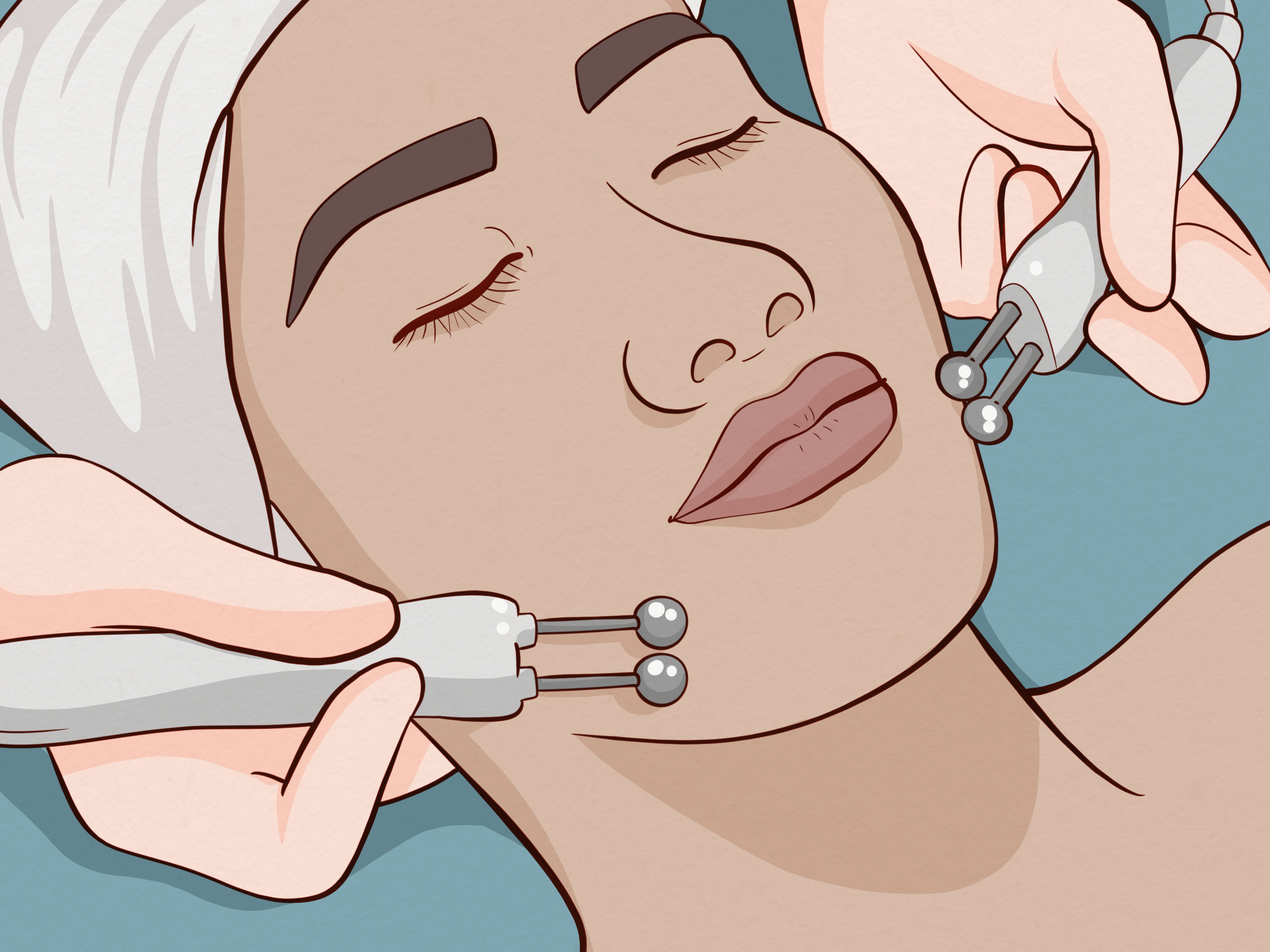
Radiofrequency treatments use controlled heat to warm deeper layers of skin and stimulate collagen remodeling. They are nonsurgical and may help mild to moderate sagging or crepey texture. Results are usually gradual and often require a series of treatments. Side effects can include redness, swelling, tenderness, or, rarely, burns when performed improperly.
Ultrasound Skin Tightening
Focused ultrasound treatments, such as Ultherapy-type procedures, deliver energy below the skin surface to encourage collagen production and lifting over time. These treatments are often used for mild to moderate laxity under the chin and on the neck. Results are subtle compared with surgery and may take several months to appear.
RF Microneedling
Radiofrequency microneedling combines tiny needles with heat energy. It can improve texture, fine lines, mild laxity, and acne scars. Because the neck is delicate, it should be performed by an experienced medical provider who understands depth, energy settings, and skin type. More is not better; more is sometimes a refund request with swelling.
Laser Treatments
Laser resurfacing may improve neck texture, sun damage, fine lines, and crepiness. Some lasers are more aggressive and require downtime; others are gentler but need multiple sessions. Skin tone matters because certain lasers carry higher risks of pigmentation changes in deeper skin tones. A board-certified dermatologist can recommend the safest option.
Botulinum Toxin for Neck Bands
If vertical neck bands are caused by the platysma muscle, botulinum toxin injections may soften them temporarily. This treatment relaxes muscle activity; it does not remove loose skin. Results typically last a few months and require maintenance.
Deoxycholic Acid for Under-Chin Fat
Injectable deoxycholic acid can reduce moderate submental fat, often called a double chin. It is not a skin-tightening treatment. In some people, reducing fat without addressing lax skin may even make looseness more noticeable. A skilled provider should evaluate whether fat reduction, skin tightening, or surgery is more appropriate.
Neck Lift Surgery
A neck lift, also called platysmaplasty or lower facial rejuvenation depending on the technique, is the most dramatic option for significant loose neck skin. It can remove excess skin, tighten underlying muscles, and improve the jawline and neck angle. Recovery involves swelling, bruising, activity restrictions, and surgical risks such as bleeding, infection, scarring, numbness, poor wound healing, or nerve injury. For the right candidate, it can create longer-lasting and more noticeable results than nonsurgical treatments.
Exercise, Diet, or Medical Treatment: Which Is Best?
If your neck skin is mildly loose, start with the basics: sunscreen, retinoid or retinol if tolerated, moisturizer, posture work, strength training, and a nutrient-rich diet. Give the routine at least three months before judging it. Skin operates on biology time, not online-shopping time.
If you have mild to moderate laxity and want improvement without surgery, consider radiofrequency, ultrasound, laser, or RF microneedling after a consultation. These treatments may improve firmness and texture but will not create the same change as surgery.
If you have significant hanging skin, dramatic weight-loss-related laxity, or strong vertical bands, a board-certified dermatologist, facial plastic surgeon, or plastic surgeon can help you compare options. Sometimes the most cost-effective plan is not the cheapest treatmentit is the one that actually matches the problem.
Habits That Help Prevent Neck Skin From Getting Looser
Prevention matters because once skin becomes very lax, reversing it without procedures is difficult. Wear sunscreen daily, avoid smoking, maintain a stable weight, eat enough protein, sleep well, and avoid crash diets. Strength training for the whole body can help preserve muscle as you age, which supports a healthier overall appearance.
Also, bring your phone up instead of dropping your chin down. Your neck was not designed to spend eight hours a day folded like a receipt in a jeans pocket. Small posture changes may not erase lines, but they can reduce repeated creasing and tension.
When to See a Professional
See a dermatologist or plastic surgeon if loose neck skin bothers you, appears suddenly, follows major weight loss, or comes with lumps, pain, rash, or rapid changes. Cosmetic concerns are valid, but medical evaluation is especially important if the skin change seems unusual or one-sided.
During a consultation, ask what is causing the appearance: extra skin, fat, muscle bands, texture damage, or volume loss. Then ask which options are realistic, how many sessions are needed, what downtime looks like, what complications are possible, and whether your skin type changes the risk profile.
Real-Life Experience Notes: What People Usually Learn While Treating Loose Neck Skin
The first experience many people have with loose neck skin is not a dramatic mirror moment. It is usually a photo. The lighting is rude, the angle is illegal, and suddenly the neck looks different from how it did in your mental profile picture. This is when many people begin searching for fast fixes. The most common lesson? Quick fixes are usually temporary, subtle, or suspiciously expensive.
People who try neck exercises often report that the biggest early improvement is posture. Their neck looks longer, their jawline appears a little cleaner, and they become more aware of how often they hunch over a phone or laptop. The skin itself may not shrink dramatically, but the area can look better because the head is not jutting forward. This is encouraging, but it requires consistency. Doing chin tucks twice and then checking the mirror like a stock market chart will only lead to disappointment.
Diet changes tend to help most when the starting point includes low protein intake, crash dieting, dehydration, or frequent alcohol-heavy weekends. People who increase protein, eat more colorful produce, and stabilize weight often notice their skin looks healthier overall. It may appear less dull and less crepey, especially when paired with moisturizer and sunscreen. However, diet works slowly. Skin does not accept emergency kale as an apology for 20 years of sun exposure.
Skin care experiences vary. Retinol can be helpful, but the neck is famously dramatic. Some people apply the same strong retinoid they use on their face and wake up with redness, peeling, and regret. The better approach is slow and gentle: a pea-sized amount, a few nights per week, buffered with moisturizer. Many users find that sunscreen is the habit that makes the biggest long-term difference, especially when they finally start applying it down the neck and chest.
People who choose nonsurgical procedures often appreciate the lower downtime but sometimes underestimate how subtle results can be. Radiofrequency, ultrasound, and RF microneedling may improve firmness and texture, but they do not perform miracles. The happiest patients tend to be those with mild to moderate laxity, realistic expectations, and providers who explain the difference between “improvement” and “transformation.”
Surgical neck lift patients usually describe the decision as more serious but more definitive. Recovery requires planning, patience, and trust in the surgeon. Swelling can temporarily distort results, and final settling takes time. Still, for significant loose skin, surgery is often the option that most directly addresses the issue. The key experience-based takeaway is simple: match the treatment to the anatomy. A cream cannot remove extra skin, and surgery is overkill for a little dryness and two faint lines.
The most balanced path is to start with protective habits, improve posture, support skin through nutrition, use evidence-based skin care, and seek expert advice if home care is not enough. Loose neck skin is normal. Wanting to improve it is normal too. The goal is not to chase a neck that looks airbrushed into another decade; it is to make informed choices that help you feel more confident in your own skinneck included.
Conclusion
Tightening loose neck skin requires realistic expectations and the right combination of strategies. Exercises can improve posture and muscle tone. Diet can support collagen, hydration, and skin repair. Skin care can protect against further damage and improve texture. Medical options, from radiofrequency to neck lift surgery, can create more visible results when laxity is beyond what home care can change.
Start with the foundation: sunscreen, gentle retinol if appropriate, moisturizer, protein-rich meals, posture exercises, and stable weight habits. If the skin still bothers you, consult a qualified dermatologist or plastic surgeon. The best plan is personalized, safe, and honestbecause your neck deserves better than internet magic tricks.
Note: This article is for general educational purposes only and should not replace medical advice. For personalized recommendations, consult a board-certified dermatologist, facial plastic surgeon, or plastic surgeon.