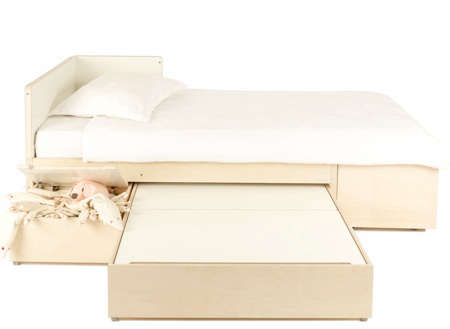
The Nonjetable Adaptable Bed is the kind of furniture that quietly judges your disposable shopping habitsand honestly, it has a point. In a world where many beds are bought, outgrown, replaced, dragged to the curb, and mourned only by the garbage truck, this adaptable bed offers a smarter idea: buy fewer things, use them longer, and let one beautiful design do several jobs without looking like it is trying too hard.
At its core, the Nonjetable Adaptable Bed is a modular, space-saving, sustainable bed concept associated with French designer Meri von Renteln and the Nonjetable furniture philosophy. The name itself hints at the mission: “non-jetable” means “not disposable” in French. That is not just a cute label. It is the entire argument. This is furniture designed to stay useful as a child grows, as a room changes, and as family life performs its usual circus routine of toys, blankets, books, clothes, guests, and mysterious socks that multiply under the bed.
Whether you are furnishing a child’s bedroom, designing a compact apartment, or simply tired of furniture that gives up before your houseplants do, the Nonjetable Adaptable Bed deserves attention. It combines a bed, storage, side furniture, and flexible layout thinking into one long-lasting piece. Think of it as the Swiss Army knife of bedsexcept larger, calmer, and much less likely to poke you in the pocket.
What Is the Nonjetable Adaptable Bed?
The Nonjetable Adaptable Bed is best understood as an adaptable storage bed built around modular furniture principles. Earlier product descriptions highlighted a bed made from natural whitened birch, oiled and waxed, with three large storage areas offering more than 330 liters of usable volume. The two side chests could work as bedside tables, while the chest at the foot of the bed could become a bench, table, toy chest, or general “please hide this before guests arrive” compartment.
Modern Nonjetable bed designs continue the same philosophy through evolving beds such as the Eternity model, which can be configured for children and later extended to a standard adult-size sleeping format. The current design language emphasizes solid wood, modular parts, easy assembly, local European production, FSC-certified wood, hand finishing, and adhesives that avoid harmful VOC emissions. In plain English: it is designed to be sturdy, healthier for indoor air, and useful for years instead of seasons.
Why Adaptable Beds Are Having a Moment
Adaptable furniture is not just a design trend; it is a survival strategy for modern living. Bedrooms are expected to do more than ever. A child’s room may need to be a sleeping area, play zone, reading nook, homework corner, storage depot, and emotional headquarters for a stuffed animal population large enough to form a government. Adult bedrooms are not much simpler, especially in apartments where every square foot has to earn its rent.
This is why modular beds, storage beds, extendable beds, and multifunctional bedroom furniture are increasingly popular. Instead of filling a room with separate piecesa bed, nightstand, toy box, bench, drawers, extra table, and possibly a small apology to the floor planan adaptable bed integrates several functions into one coordinated system.
A Bed That Grows With the User
One of the strongest benefits of the Nonjetable Adaptable Bed concept is longevity. Children grow quickly. One minute they are tiny humans who believe broccoli is a legal threat, and the next they need a bigger bed, more storage, and a room that no longer looks like a nursery. A bed that can evolve from a child-friendly format to a larger, standard sleeping size reduces the need to buy a new frame every few years.
That matters financially and environmentally. A durable adaptable bed may cost more upfront than a basic flat-pack frame, but the long-term value comes from avoiding repeated replacements. When furniture lasts through multiple stages of life, its cost per year often becomes far more reasonable.
Storage Without the Visual Clutter
The original Nonjetable Adaptable Bed’s three storage areas are one of its most practical features. Built-in storage is especially useful in small bedrooms because it turns dead space into working space. Instead of stuffing plastic bins under the bed and pretending you will definitely organize them “next weekend,” the bed itself provides structured storage that is easier to access and more attractive.
Side chests that double as bedside tables are particularly clever. They save floor space, reduce the need for extra furniture, and keep essentials close at hand. The foot chest adds another layer of flexibility: it can store bedding, toys, seasonal clothes, books, or anything else that needs a home but does not need to be on display like a museum exhibit called “Laundry, Unfolded.”
The Sustainable Design Philosophy Behind Nonjetable
Nonjetable’s broader furniture philosophy focuses on sustainable, functional design. Instead of making furniture that is trendy for five minutes and obsolete by the next school year, the brand emphasizes durability, minimal material use, repairability, and flexible function. This approach aligns with several important sustainable furniture principles.
Use Better Materials
Solid wood and high-quality plywood can perform better over time than low-grade particleboard when properly designed and maintained. Nonjetable’s current product descriptions mention FSC-certified local woods, solid oak, birch slats, and hand-finished surfaces. FSC certification is important because it points to wood sourced from responsibly managed forests.
The use of low-emission glues and finishes is also meaningful. Indoor air quality matters, especially in bedrooms where people spend many hours breathing close to furniture, mattresses, textiles, and flooring. Low-VOC or no-VOC materials help reduce chemical off-gassing, and water-based or solvent-free adhesives are generally preferable to harsher alternatives.
Design for Longevity
A sustainable bed is not only about what it is made from. It is also about how long it remains useful. The most eco-friendly furniture is often the furniture you do not have to replace. Adaptable design extends a product’s useful life by allowing it to change function, size, or configuration as needs evolve.
The Nonjetable Adaptable Bed is a good example of this idea. The bed is not just a sleeping platform; it is a system. Its storage modules can be used separately, tucked under the bed, placed beside it, or repurposed as tables and benches. That means the pieces can continue working even if the room layout changes.
Make Furniture Repairable and Understandable
Easy assembly is not a small detail. Furniture that can be assembled, disassembled, moved, repaired, or reconfigured is more likely to survive real life. Families move. Children rearrange rooms. Adults suddenly decide everything would be better if the bed faced the window. A modular bed that can adapt to those changes is more practical than one that becomes wobbly after being moved once.
Who Is the Nonjetable Adaptable Bed Best For?
The Nonjetable Adaptable Bed is not for everyone, and that is part of its charm. It is best suited for people who value design, sustainability, and long-term function over bargain-bin speed.
Families With Growing Children
Parents who want a child’s bed that lasts beyond one stage of childhood are the obvious audience. An adaptable children’s bed can transition from a younger child’s sleeping setup into a more mature bedroom arrangement. The storage modules help manage toys, books, blankets, art supplies, and the tiny plastic objects children collect as if preparing for archaeological fame.
Small-Space Homeowners and Apartment Dwellers
If space is limited, multifunctional furniture is your friend. A bed with integrated storage and side-table functionality helps reduce the number of separate pieces in a room. This can make the bedroom feel calmer, more open, and easier to clean.
Design Lovers Who Hate Waste
Some people simply prefer furniture with a story and a conscience. The Nonjetable Adaptable Bed appeals to buyers who want clean European design, natural materials, and a product philosophy that does not treat furniture as temporary packaging for your mattress.
How to Style a Nonjetable Adaptable Bed
The Nonjetable Adaptable Bed works best when styled with restraint. Because the design already brings storage and structure, the surrounding room should avoid visual noise. Let the wood, modular shape, and clean lines do the heavy lifting.
Choose Natural Textiles
Linen, cotton, wool, and other natural fibers pair beautifully with birch or oak. Soft neutrals, warm whites, muted greens, dusty blues, and earthy browns create a calm look that fits the sustainable design mood. For children, add personality through washable throws, colorful pillows, wall art, or a playful rug instead of overloading the room with themed furniture that will feel outdated by next Tuesday.
Keep Storage Zones Clear
The storage modules should be easy to open and use. Leave enough clearance around the bed so drawers, chests, or side modules can function properly. A storage bed loses its magic if you have to move six objects, one lamp, and a suspiciously heavy dinosaur basket every time you want a blanket.
Use the Foot Chest as a Design Feature
If the bed includes a foot chest or bench-like storage piece, style it intentionally. Add a folded quilt, a reading cushion, or a tray for books. In a child’s room, it can become a morning dressing bench. In a guest room, it can hold extra pillows and bedding. In a studio apartment, it can act as a low table when needed.
What to Consider Before Buying an Adaptable Storage Bed
Before choosing any adaptable bed, confirm the dimensions, mattress requirements, weight, assembly process, delivery options, and compatibility with your room layout. Nonjetable’s current evolving bed models may require specific mattress sizes depending on configuration, such as shorter child-friendly formats or standard 90 x 200 cm sizes in European measurements.
Also consider maintenance. Raw or lightly finished wood may age beautifully, but it benefits from regular dusting and careful cleaning. Some natural wood surfaces can be lightly sanded if stained, which is a major advantage over thin veneers or plastic-coated boards that do not forgive mistakes.
If the bed is for a child, check age appropriateness and safety details. For elevated beds, bunk beds, or loft-style beds, guardrails, mattress height, openings, and placement away from windows or ceiling fans become essential. The Nonjetable Adaptable Bed is not necessarily a bunk bed, but any children’s furniture should be assessed with safety first and style second. Yes, even if the style is very good and you want to brag about it to guests.
Nonjetable Adaptable Bed vs. Standard Storage Beds
A standard storage bed usually offers drawers or a lift-up base. That is useful, but it often stops there. The Nonjetable Adaptable Bed concept goes further because its storage components can function as separate furniture. This is the key difference: it is not just storage hidden inside a bed; it is a modular furniture set centered around the bed.
Compared with a basic platform bed, the Nonjetable design is more flexible. Compared with a typical children’s bed, it is more future-proof. Compared with cheap disposable furniture, it is more durable and more environmentally thoughtful. The tradeoff is that it may require a higher initial investment and more careful planning before purchase.
Real-Life Experience: Living With a Bed That Does More
Imagine setting up a small child’s room where every inch matters. The room has one window, a narrow closet, a small desk, and enough toys to suggest that the toy store sneezed. A traditional bed would consume the center of the room and leave awkward corners for storage. Add a nightstand, toy chest, and bench, and suddenly the room feels like a furniture showroom with a bedtime problem.
Now imagine using an adaptable bed system like the Nonjetable Adaptable Bed. The bed becomes the anchor. The side chests hold bedtime books, pajamas, tissues, a night-light, and the deeply important rock collection that must not be touched. The foot chest stores extra bedding, costumes, building blocks, or off-season clothes. Instead of adding more furniture, the bed absorbs several functions into one calm footprint.
In daily life, this changes the rhythm of the room. Cleanup becomes faster because storage is close to where mess happens. A child can learn where things belong because the storage zones are visible and logical. Parents do not have to negotiate with a mountain of loose bins every night. The room feels less crowded, which can make bedtime smoother. No bed can guarantee a peaceful bedtime, of course; children are powerful negotiators. But a calmer room helps.
For older children, the same adaptable system can mature with the space. The toy chest becomes blanket storage. The side chests become bedside tables for books, headphones, sketchpads, or school supplies. The bench becomes a place to sit while tying shoes or sorting a backpack. The bed does not scream “little kid furniture,” which is important because children eventually develop strong opinions about everything, including furniture that has “baby vibes.”
In a guest room, the experience is equally practical. Storage built into the bed can hold linens, spare pillows, and seasonal textiles. The side chests reduce the need for bulky nightstands. Guests get a clean, functional space without feeling like they are sleeping inside a storage unit. The bed’s natural wood finish also makes the room feel warmer and more intentional than a metal frame with random bins underneath.
In a studio apartment, the adaptable bed becomes even more valuable. The foot chest can act as a bench during the day. The storage modules can help divide belongings by category. A simple linen coverlet and a few cushions can make the bed look more sofa-like when the room needs to shift from sleeping mode to living mode. This is where modular furniture shines: it supports real life without demanding a bigger apartment, a second closet, or a miracle.
The biggest experience-based lesson is that adaptable furniture works best when owners actually use the adaptability. Do not treat the storage chests as black holes. Assign each one a job. One for bedding. One for books. One for toys. One for seasonal clothing. Label them if needed. The goal is not simply to hide clutter; it is to make the room easier to live in.
Maintenance also becomes part of the experience. Natural wood furniture rewards gentle care. Dust it regularly, avoid harsh chemical cleaners, protect it from standing water, and handle stains quickly. If the surface is raw or lightly finished, small marks may become part of its character rather than a disaster. That is one of the pleasures of well-made wood furniture: it ages instead of merely deteriorating.
The Nonjetable Adaptable Bed is not a magic wand, but it is a smart answer to a very common problem. Homes change. Children grow. Storage needs expand and shrink. Furniture that can keep up with those changes feels less like a purchase and more like a long-term household tool. It is practical, attractive, and quietly rebellious against the idea that every life stage requires another trip to buy more furniture.
Conclusion
The Nonjetable Adaptable Bed stands out because it solves several problems at once: sleep, storage, flexibility, sustainability, and long-term value. Its appeal comes from more than good looks. It reflects a better way to think about furnitureone where a bed is not disposable, storage is not an afterthought, and design adapts to life instead of becoming obsolete the moment life changes.
For families, small-space dwellers, and design-conscious buyers, this adaptable bed offers a thoughtful alternative to short-lived bedroom furniture. It is especially compelling for children’s rooms because it can grow with the user and reduce the cycle of buying and replacing. With natural materials, modular function, and a sustainable design philosophy, the Nonjetable Adaptable Bed proves that practical furniture does not have to be boring. It can be smart, beautiful, and just a little smug about not ending up on the curb.
Note: Product availability, pricing, dimensions, finishes, and retailer details may change over time. Always confirm current specifications, delivery options, mattress compatibility, and safety guidance directly with the manufacturer or seller before purchasing.