Ulcer pain has a special talent for showing up at the worst possible time: during a meeting, halfway through dinner, or right after you proudly declared, “I think my stomach is finally behaving.” A peptic ulcer is an open sore that forms in the lining of the stomach or the first part of the small intestine. The classic symptom is a burning, gnawing pain in the upper abdomen, although some people also deal with bloating, nausea, early fullness, burping, or a sour feeling that makes mealtime feel like a negotiation.
Here is the honest, science-friendly truth: food does not usually cause ulcers, and food alone does not cure them. Most peptic ulcers are linked to Helicobacter pylori infection or long-term use of nonsteroidal anti-inflammatory drugs such as ibuprofen, aspirin, or naproxen. That means proper diagnosis and treatment matter. Still, what you eat can make a big difference in how comfortable your stomach feels while it heals. Think of food as the supportive friend who brings soup, not the surgeon who performs the operation.
This guide explains the best foods that alleviate pain of an ulcer, the meals that are usually gentler on the stomach, and the habits that may help reduce irritation. It is practical, evidence-informed, and thankfully not built around a lifetime sentence of plain toast.
First: Can Food Really Help Ulcer Pain?
Yes, but with an important disclaimer. A healthy ulcer diet may help calm irritation, support the stomach lining, and reduce symptom flare-ups. However, if an ulcer is caused by H. pylori, medical treatment usually requires antibiotics and acid-reducing medicine. If it is related to NSAID use, a clinician may recommend changing pain relievers or adding protective medication. In other words, oatmeal can be soothing, but it cannot negotiate a peace treaty with bacteria by itself.
The best eating plan for ulcer discomfort is not one strict “ulcer diet” for everyone. Modern guidance generally recommends a balanced diet and avoiding only the foods and drinks that personally trigger symptoms. Some people tolerate tomatoes perfectly; others feel like their stomach has joined a drumline. The goal is to build meals around foods that are gentle, nourishing, and less likely to provoke acid-related discomfort.
Best Foods That Alleviate Pain of an Ulcer
1. Oatmeal and Other Soluble-Fiber Foods
Oatmeal is one of the most reliable comfort foods for ulcer pain because it is soft, filling, and rich in soluble fiber. Soluble fiber forms a gel-like texture during digestion, which may help slow stomach emptying and feel gentler than greasy or highly acidic foods. Good options include oats, barley, applesauce, bananas, pears, beans, lentils, and chia seeds soaked until soft.
A simple ulcer-friendly breakfast could be warm oatmeal topped with sliced banana and a small spoonful of plain yogurt. Skip the mountain of brown sugar and the “dessert pretending to be breakfast” toppings. Your stomach is asking for calm, not a carnival.
2. Bananas
Bananas are often tolerated well because they are soft, low in acid, and easy to digest. They can be especially helpful when ulcer pain makes eating feel risky. A ripe banana with oatmeal, a banana smoothie made with low-fat yogurt, or banana slices on whole-grain toast can provide energy without feeling harsh.
For best comfort, choose ripe bananas rather than green ones. Very unripe bananas may be harder for some people to digest and can cause gas or bloating.
3. Probiotic Yogurt and Kefir
Probiotic foods contain beneficial bacteria that support gut health. Yogurt with live and active cultures and kefir are two practical choices. They may be especially useful for people being treated for H. pylori, because antibiotics can disrupt the normal balance of gut bacteria. Probiotic foods may help some people tolerate treatment better, although they should not replace prescribed medication.
Choose plain, low-fat yogurt or kefir when possible. Flavored versions can be high in added sugar, and high-fat dairy may bother some stomachs. If dairy is not tolerated, look for unsweetened plant-based yogurts with live cultures.
4. Broccoli, Cabbage, and Other Cruciferous Vegetables
Broccoli has become a small celebrity in ulcer nutrition because it contains sulforaphane, a plant compound studied for its potential activity against H. pylori. Broccoli sprouts are especially rich in sulforaphane, but regular broccoli, cabbage, cauliflower, kale, and Brussels sprouts also bring fiber, vitamins, and antioxidants to the table.
There is one catch: cruciferous vegetables can cause gas in some people. If raw broccoli makes your stomach perform opera, try steaming it until tender. A small serving of cooked broccoli with rice and baked chicken is often easier than a giant raw salad that arrives with the confidence of a lawn mower.
5. Lean Protein: Chicken, Fish, Eggs, Tofu, and Beans
Protein supports tissue repair, which matters when your digestive lining is healing. Lean options are usually better tolerated than fried or fatty meats. Good choices include skinless chicken, turkey, baked fish, eggs, tofu, tempeh, lentils, and beans.
Preparation matters. Grilled salmon with rice is likely to be gentler than deep-fried fish with hot sauce. Scrambled eggs may feel better than a greasy breakfast sandwich. If beans cause bloating, start with small portions, rinse canned beans well, or choose lentils, which many people find easier to digest.
6. Whole Grains
Whole grains provide fiber, B vitamins, and steady energy. Ulcer-friendly choices include oatmeal, brown rice, quinoa, whole-wheat pasta, barley, farro, and whole-grain bread. These foods can help create balanced meals that do not rely on heavy fats or irritating sauces.
If symptoms are active and your stomach feels extra sensitive, softer grains may be more comfortable. Try rice porridge, oatmeal, quinoa, or well-cooked pasta with a mild sauce. Once symptoms improve, add more texture gradually.
7. Low-Acid Fruits
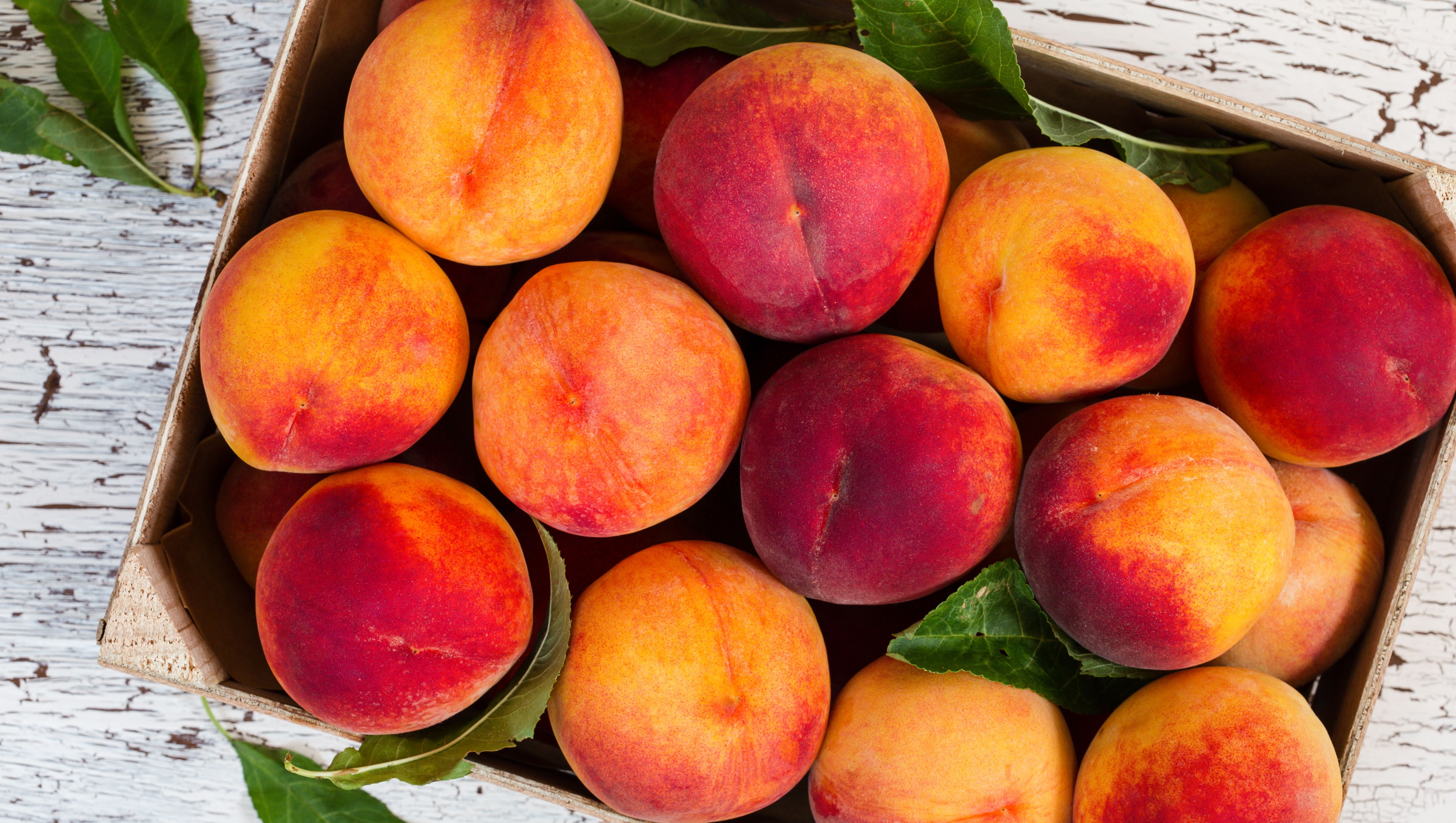
Fruit is not the villain in an ulcer diet. Many fruits provide fiber, antioxidants, and vitamin C, which support overall digestive health. Low-acid options are often easiest: bananas, melons, pears, applesauce, papaya, and ripe peaches.
Citrus fruits such as oranges, grapefruits, lemons, and limes may bother some people because of their acidity. They do not cause ulcers, but they can make an irritated stomach complain loudly. If citrus triggers burning, take a break and choose gentler fruits instead.
8. Cooked Vegetables
Vegetables are important, but texture and cooking style matter. Cooked carrots, zucchini, spinach, pumpkin, squash, green beans, and sweet potatoes are often easier on the stomach than raw vegetables. They provide vitamins and minerals without the sharp crunch that can feel uncomfortable during a flare.
A soothing dinner might be baked chicken, mashed sweet potato, and steamed carrots. It is not flashy, but your stomach is not currently requesting fireworks.
9. Healthy Fats in Small Amounts
Fat slows digestion, and large high-fat meals can worsen nausea, fullness, or acid symptoms. Still, your body needs some fat. The trick is choosing small amounts of healthier fats such as olive oil, avocado, nut butter, or soft nuts if tolerated.
Instead of fried foods, try roasted vegetables with a teaspoon of olive oil or toast with a thin layer of almond butter. Keep portions modest. When your stomach is irritated, “just a little” is often smarter than “let’s see what happens.”
10. Gentle Drinks
Water is the safest everyday drink. Herbal teas such as chamomile or ginger tea may feel soothing for some people, although ginger can be too strong for others. Low-acid smoothies made with banana, plain yogurt, oats, and a small amount of nut butter can be a meal when chewing feels like too much effort.
Be careful with coffee, alcohol, carbonated drinks, and highly acidic juices. These do not cause most ulcers, but they can aggravate symptoms. If coffee is your emotional support beverage, try reducing the amount, drinking it with food, or switching temporarily to a lower-acid option. Your mug may feel betrayed, but your stomach may thank you.
Foods and Drinks That May Worsen Ulcer Pain
There is no universal list of forbidden foods, but some items commonly trigger discomfort. These include alcohol, coffee, caffeinated soda, fried foods, high-fat meals, spicy foods, chocolate, peppermint, tomato-heavy sauces, citrus juices, and very salty processed foods. Milk deserves a special mention: it may feel soothing briefly, but drinking extra milk is not recommended as ulcer treatment and may stimulate acid production in some people.
The best method is to track your own symptoms. If a food repeatedly causes burning, bloating, or nausea, pause it for a while. If a food causes no symptoms, it may not need to be eliminated. An ulcer diet should be useful, not joyless.
Sample One-Day Ulcer-Friendly Meal Plan
Breakfast
Warm oatmeal with sliced banana, a spoonful of plain yogurt, and a sprinkle of ground flaxseed.
Snack
Applesauce or a ripe pear with a few whole-grain crackers.
Lunch
Brown rice bowl with baked chicken, steamed zucchini, cooked carrots, and a drizzle of olive oil.
Snack
Plain kefir smoothie with banana and oats.
Dinner
Baked fish, mashed sweet potato, and cooked spinach. Season with mild herbs instead of hot pepper.
Evening Option
Chamomile tea or warm water. Avoid heavy late-night snacks if they worsen symptoms.
Eating Habits That Help Reduce Ulcer Discomfort
Food choices matter, but eating patterns matter too. Smaller meals may be easier than large meals, especially when nausea or early fullness is present. Eat slowly, chew well, and avoid lying down right after eating. Many people feel better when they stop eating two to three hours before bed.
It may also help to avoid skipping meals if an empty stomach triggers burning pain. Some people with duodenal ulcers notice pain when the stomach is empty, while others feel worse after eating. Your pattern is useful information, so pay attention to timing.
When Ulcer Pain Needs Medical Attention
Do not try to “diet your way through” severe symptoms. Seek medical care promptly if you have black or tarry stools, vomiting blood, sudden severe abdominal pain, fainting, unexplained weight loss, trouble swallowing, persistent vomiting, or pain that keeps getting worse. These can be signs of bleeding or another serious problem.
If ulcer symptoms keep returning, ask a healthcare professional about testing for H. pylori. Treating the cause is the real long-term strategy. Food can reduce irritation, but the root problem still needs a proper plan.
Experience-Based Tips: Living With Ulcer Pain and Learning What Works
People dealing with ulcer discomfort often describe the same frustrating experience: one day a meal feels fine, and the next day the same meal seems to start a tiny kitchen fire in the stomach. That unpredictability can make eating stressful. A practical approach is to stop searching for a perfect “ulcer-safe” menu and start building a personal comfort list.
One helpful habit is keeping a simple food and symptom journal for two weeks. It does not need to be dramatic. Write down what you ate, when you ate it, your pain level, and any symptoms such as nausea, bloating, burping, or burning. Patterns usually appear. Maybe coffee on an empty stomach is the troublemaker. Maybe tomato sauce is fine at lunch but not at 10 p.m. Maybe fried food is the villain wearing a crispy disguise.
Another useful experience-based lesson is to make meals boring only when symptoms are loud. During a flare, gentle foods like oatmeal, bananas, rice, applesauce, yogurt, eggs, soup, and steamed vegetables can help you stay nourished without poking the bear. Once symptoms calm down, variety can return gradually. A long-term diet of plain crackers is not a personality; it is a temporary survival strategy.
Texture also matters more than many people expect. Soft cooked foods are often easier than raw, crunchy, or heavily seasoned meals. Someone who cannot tolerate a raw salad may do well with cooked spinach, roasted squash, or vegetable soup. The vegetable did not become magical; it simply became easier to digest.
Portion size is another major factor. A food that feels fine in a small serving may cause discomfort when eaten in a large portion. This is especially true for fatty foods, beans, dairy, and high-fiber meals. Start small, especially when adding foods like lentils, broccoli, or whole grains. Your stomach appreciates a polite introduction.
Many people also learn that timing is everything. Eating a large dinner and then lying down can worsen burning or pressure. A lighter evening meal, followed by a calm walk or sitting upright, may help. Late-night snacking is not automatically bad for everyone, but if it causes symptoms, move more of your calories earlier in the day.
Finally, do not let food tracking turn into food fear. Ulcer recovery is not about blaming yourself for every bite. It is about noticing what helps, avoiding what hurts, and getting medical treatment when needed. A good ulcer-friendly diet should make life easier, not smaller. The best plate is one that supports healing, reduces pain, and still lets you enjoy eating without feeling like your stomach has become the family drama queen.
Conclusion
The best foods that alleviate pain of an ulcer are gentle, balanced, and rich in nutrients that support digestive health. Oatmeal, bananas, probiotic yogurt, kefir, lean proteins, whole grains, cooked vegetables, low-acid fruits, and small amounts of healthy fats are smart places to start. Broccoli and other cruciferous vegetables may offer additional benefits, especially when cooked and tolerated well.
Still, the most important message is this: food can help manage symptoms, but it is not a substitute for medical care. Peptic ulcers often need treatment for H. pylori, medication review, or acid-reducing therapy. Eat gently, watch your triggers, and get checked if symptoms persist or warning signs appear. Your stomach is not trying to ruin your life; it is sending a memo. The right foods can help you read it without panic.