Note: This article synthesizes real information from reputable design, sustainability, recycling, food-contact safety, and home-living resources, including U.S. environmental and consumer guidance, without inserting source links into the publishable copy.
Introduction: The Small Carafe With a Surprisingly Big Philosophy
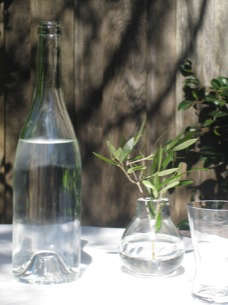
A recycled water carafe may look like a simple object: a clear vessel, a slim neck, a graceful pour, maybe a few tiny bubbles trapped in the glass like frozen champagne gossip. But in the world of slow design, that humble carafe becomes something larger. It is not just a container for water. It is a quiet rebellion against disposable habits, a practical piece of sustainable home decor, and a daily reminder that good design does not need to shout, flash, beep, or require a software update.
The idea behind Slow Design: Recycled Water Carafe is beautifully straightforward. Instead of buying another mass-produced pitcher made from virgin materials, you choose a carafe made from recycled glass, upcycled wine bottles, or reclaimed glass waste. The result is an object with character, history, and usefulness. It serves filtered tap water at dinner. It sits on a bedside table like it belongs in a boutique hotel. It makes drinking water feel intentional rather than automatic. Yes, hydration can have a design philosophy. Who knew your eight glasses a day had such artistic potential?
Slow design asks us to pause before we buy, use, and discard. It values durability, local materials, emotional connection, responsible production, and long-term usefulness. A recycled glass water carafe fits this philosophy because it turns an everyday actpouring waterinto a small ritual of care. It reduces dependence on single-use bottles, supports circular material thinking, and adds understated beauty to the home.
In a culture where convenience often wins the argument before sustainability has found its shoes, the recycled water carafe offers a better question: What if the most elegant object in the room is also the least wasteful?
What Is Slow Design?
Slow design is a design philosophy rooted in mindfulness, sustainability, and long-term value. It grew from the broader slow movement, including slow food and slow living, both of which challenge the idea that faster is always better. In design, “slow” does not mean boring, outdated, or made by someone who lost the instruction manual. It means thoughtful.
Slow design encourages designers and consumers to consider where materials come from, how objects are made, who makes them, how long they last, and what happens when they are no longer useful. It is less concerned with quick trends and more concerned with meaningful relationships between people, objects, and environments.
The Six Principles Behind Slow Design
Design thinkers often describe slow design through six broad principles: reveal, expand, reflect, engage, participate, and evolve. These principles help explain why a recycled water carafe can be more than a pretty bottle with good posture.
Reveal means showing the hidden story of materials and processes. A recycled glass carafe reveals that waste can become beauty. Expand means looking beyond basic function. A carafe holds water, but it also shapes hospitality, dining habits, and the mood of a room. Reflect asks users to think about consumption. Every refill from the tap is a small vote against unnecessary packaging. Engage creates sensory connectionthe weight of glass, the sound of pouring, the coolness of the vessel. Participate invites users to take part in sustainable routines. Evolve allows the object to gain meaning over time, whether it moves from dining table to nightstand, from family dinner to garden party, or from water carafe to flower vase.
This is the charm of slow design. It turns ordinary household objects into participants in a better way of living.
Why a Recycled Water Carafe Matters
At first glance, replacing bottled water or a plastic pitcher with a recycled glass carafe may seem like a tiny environmental gesture. And yes, one carafe alone will not personally save the planet, teach your compost bin manners, or convince your neighbor to stop watering the driveway. But small, repeated choices shape household habits.
Glass is widely used for food and beverage containers because it is durable, washable, and generally well-suited for repeated use. Recycled glass can reduce the demand for virgin raw materials such as sand, soda ash, and limestone. When glass is reused directly, as in repurposed bottles, the benefit can be even more immediate because the object avoids another round of energy-intensive manufacturing.
The key is not simply buying something labeled “eco.” The real value comes from using it often and for a long time. A recycled water carafe earns its place through daily service: morning water, dinner table refills, bedside hydration, guest hosting, homemade iced tea, infused cucumber water, or the occasional emergency rescue mission when someone made the chili too spicy.
The Recycled Glass Advantage
A recycled glass water carafe has both practical and aesthetic advantages. It is easy to clean, does not absorb flavors the way some plastics can, and brings a timeless look to kitchens, dining rooms, and bedrooms. Recycled glass often has slight variations in tone, thickness, or texture, giving each piece a subtle handmade quality.
That slight imperfection is part of the appeal. In fast design, uniformity is often treated as perfection. In slow design, variation can signal human craft, material history, and authenticity. A tiny bubble in the glass is not a flaw; it is a wink from the manufacturing process.
Recycled vs. Upcycled: What Is the Difference?
The terms recycled and upcycled are often used together, but they are not identical. Recycled glass is typically collected, processed, crushed into cullet, melted, and formed into new products. Upcycled glass may involve taking an existing bottle or vessel and transforming it directly into something new, such as cutting a wine bottle into a carafe or tumbler.
Both approaches can support sustainable design, but upcycling often preserves more of the original object’s identity. A wine bottle turned into a water carafe carries a visible past. It says, “I used to hold a cabernet, but I have grown as a person.”
A Short History of the Recycled Water Carafe Idea
The idea of repurposing glass bottles as water carafes has long appeared in restaurants, design blogs, and sustainable homes. Many thoughtful restaurants have moved toward filtered tap water served in reusable glass bottles instead of relying exclusively on imported bottled water. This shift reflects a broader movement in hospitality: make water local, reduce packaging waste, and present it beautifully.
At home, the concept is even easier. A clear wine bottle, once cleaned and stripped of its label, can become a minimalist water carafe. Designers and makers have also created more refined versions: hand-blown recycled glass carafes, bedside carafe-and-cup sets, tinted recycled glass pitchers, and sculptural vessels made from reclaimed glass.
The beauty of the recycled water carafe is that it can be humble or luxurious. It can cost very little if you make one yourself, or it can be an artisan piece made by skilled glassworkers. Either way, the core idea remains the same: honor the material, extend its life, and make daily use feel beautiful.
How a Recycled Carafe Improves Everyday Living
Good design does not only solve problems. It improves behavior. A water carafe placed in the right spot can gently encourage healthier routines. Keep one on your desk, and you may drink more water during work. Place one beside the bed, and you avoid the midnight stumble to the kitchen, also known as “the barefoot obstacle course of doom.” Set one on the dinner table, and water becomes part of the meal instead of an afterthought.
The carafe also improves the feeling of hospitality. Serving tap or filtered water in a beautiful recycled glass vessel makes guests feel cared for. It says, “I prepared this table,” not “Please enjoy this plastic bottle I rescued from the back of the pantry.”
Design That Creates Ritual
Slow design thrives on ritual. Filling the carafe in the morning, chilling it in the refrigerator, adding lemon slices, setting it on the table, washing it by handthese small actions create rhythm. They invite us to notice what we use and how we use it.
That may sound poetic for a water container, but the best household objects often become meaningful precisely because they are used every day. A recycled water carafe can become part of breakfast, work, reading, dinner, and rest. It does not demand attention, yet it quietly improves the atmosphere around it.
Choosing the Right Recycled Water Carafe
When selecting a recycled water carafe, look beyond appearance. The prettiest option is not always the best one, although beauty certainly deserves a seat at the table. A good carafe should be stable, easy to hold, comfortable to pour, simple to clean, and appropriate for food and beverage use.
Material and Safety
Choose a carafe clearly intended for food or beverage contact. Glass used for drinking vessels should be safe for repeated contact with water. Avoid decorative bottles with unknown coatings, painted interiors, metallic finishes near the rim, or glazes that are not labeled food-safe. If you are repurposing a bottle yourself, use one that previously held food or drink, clean it thoroughly, and inspect it for chips or cracks.
Shape and Function
A narrow-necked carafe looks elegant and helps reduce splashing, but it may require a bottle brush for cleaning. A wider-mouth design is easier to wash and better for adding ice, fruit, herbs, or dramatic cucumber slices that make everyone feel like they are at a spa. Consider where you will use it most: bedside, dining table, refrigerator door, desk, or outdoor patio.
Capacity
Common carafe sizes range from about 500 milliliters to one liter or more. A smaller bedside carafe is perfect for personal use. A larger recycled glass carafe works better for meals and entertaining. If your household drinks water like marathon runners crossing a desert, choose accordingly.
Durability and Care
Recycled glass can be durable, but all glass deserves respect. Avoid sudden temperature shock unless the manufacturer says the piece can handle it. Do not pour boiling water into a cold carafe. Do not freeze water in it. And despite what your inner multitasker may suggest, do not use it as a hammer, rolling pin, or emergency doorstop.
DIY Slow Design: Turning a Bottle Into a Water Carafe
One of the most satisfying ways to embrace the recycled water carafe trend is to make your own. The simplest version requires no cutting or specialized tools. Start with a clear glass bottle that previously held wine, sparkling water, juice, or another beverage. Remove the label by soaking the bottle in warm water with a little dish soap. Scrape gently, wash thoroughly, rinse until no scent remains, and let it dry completely.
For a cleaner look, choose bottles with simple shapes and minimal embossing. Tall, straight-sided bottles often work well on dining tables. Swing-top bottles are excellent if you want a lid. Clear bottles feel crisp and modern, while green or amber bottles add rustic charm.
If you want to cut bottles into open-mouth carafes, use proper glass-cutting tools and safety equipment, or work with a professional maker. Cut glass must be sanded and finished carefully to create a smooth drinking-safe rim. A jagged rim is not slow design; it is a villain origin story.
Styling a Recycled Glass Carafe at Home
The recycled water carafe fits many interiors because it is visually quiet. It works in minimalist kitchens, farmhouse dining rooms, modern apartments, coastal cottages, and vintage-inspired spaces. It pairs beautifully with linen napkins, wood boards, ceramic cups, stone countertops, and fresh herbs.
Dining Table
Use two matching recycled glass carafes for dinner parties so guests do not have to pass one bottle around like a ceremonial torch. Add lemon, mint, basil, rosemary, cucumber, or berries for subtle flavor and color. Keep the arrangement simple; the goal is refreshment, not fruit salad in a vase.
Bedside Table
A small recycled water carafe with a glass that doubles as a lid is ideal for the bedroom. It keeps water accessible while protecting it from dust. It also makes your nightstand look more intentional, even if the drawer contains three old receipts, a mystery charger, and lip balm from 2019.
Home Office
Place a carafe on your desk to encourage hydration during long work sessions. It looks more elegant than a plastic bottle and reduces the temptation to wander to the kitchen every twenty minutes in the name of “wellness” when you are actually avoiding email.
Slow Design and the Psychology of Keeping Things
One overlooked part of sustainable living is emotional durability. People keep objects longer when they enjoy using them, understand their story, and feel connected to their appearance. A recycled water carafe can build that connection because it is both useful and expressive.
Fast consumer culture often encourages replacement. A product becomes boring, trendy, scratched, or slightly inconvenient, and suddenly it is on its way out. Slow design resists that cycle. It asks whether an object can age gracefully, adapt to new uses, and remain welcome in daily life.
A recycled glass carafe does this well. When it is no longer needed for water, it can hold flowers, homemade iced tea, batch cocktails, infused oils, or even dried grasses. Its usefulness evolves, which is exactly the point.
The Sustainability Reality Check
It is important to be honest: recycled glass is not magic. Glass can be heavy to transport, and melting glass requires energy. A recycled carafe is most sustainable when it replaces disposable packaging, is used frequently, and stays in service for years. Buying twelve “eco-friendly” carafes because they look cute on a shelf is not sustainability. That is just clutter wearing a leaf-shaped hat.
The better approach is simple: buy less, choose better, reuse often, and maintain what you own. A single recycled glass water carafe used every day can be more meaningful than a cabinet full of rarely used green-labeled products.
Specific Examples of Recycled Water Carafe Use
Imagine a family dinner where each place setting is simple: ceramic plates, cloth napkins, and a recycled glass carafe filled with chilled filtered water. The carafe does not dominate the table, but it improves the meal. Guests pour for one another. Conversation slows. Nobody is twisting caps off disposable bottles or creating a small plastic graveyard beside the salad bowl.
In a small apartment, a repurposed wine bottle can become a daily water vessel. It fits in the refrigerator door, looks good on open shelving, and costs almost nothing. In a home office, a recycled glass carafe can replace multiple single-use bottles each week. In a guest room, a bedside carafe adds hotel-level thoughtfulness without hotel-level pricing or mysterious minibar charges.
For makers and small studios, recycled glass carafes can also become a product story. A local artisan might collect bottles from restaurants, cut and polish them, and sell them as handmade tableware. This creates a visible loop between community waste and community use, which is slow design at its best.
Care Tips for a Long-Lasting Recycled Glass Carafe
To keep a recycled water carafe clean and beautiful, rinse it daily and wash it regularly with warm water and mild dish soap. Use a bottle brush for narrow necks. For mineral buildup, a mixture of water and white vinegar can help loosen residue. Rinse thoroughly afterward so your next glass of water does not taste like a salad dressing with ambition.
Let the carafe dry fully before storing it. Avoid stacking it with other glass pieces unless it is designed for that. Check periodically for chips around the rim or base. If the glass becomes cracked, retire it from beverage use and repurpose it safely as a decorative object if possible.
Experiences With Slow Design: Living With a Recycled Water Carafe
The experience of using a recycled water carafe is surprisingly personal. It changes the way water appears in the home. Instead of being hidden in a plastic bottle, trapped in a refrigerator dispenser, or forgotten in a half-empty cup, water becomes visible. It catches light. It waits on the table. It invites someone to pour.
In my experience, the biggest change is not visual but behavioral. A filled carafe makes water easier to drink because it removes friction. During work, a carafe on the desk becomes a quiet cue. You do not need to remember hydration as a self-improvement project. The object reminds you without sending a notification, vibrating, or congratulating you with a badge. It simply sits there, being useful. Frankly, more technology could learn from this.
At dinner, a recycled carafe shifts the mood of the table. Bottled water can feel transactional; a carafe feels communal. Someone pours for someone else. The gesture is small, but it softens the meal. It brings back a sense of shared dining that modern life sometimes misplaces between takeout containers and everyone checking “just one quick message.” When the carafe is made from recycled glass, the conversation often turns naturally toward reuse, design, or the story of the object. That is slow design doing its social work.
There is also pleasure in imperfection. A recycled glass carafe may have tiny bubbles, a faint green tint, or slight variation in thickness. These details make it feel less anonymous. It does not look as if it was stamped out by a machine having a boring Tuesday. It feels like something with a past. That past gives the object warmth, especially in kitchens and dining rooms where too many surfaces can become cold, shiny, and overly perfect.
A bedside recycled carafe offers a different kind of experience. It turns a practical need into a nightly ritual. Filling it before bed feels like a small act of care for your future thirsty self. In the morning, the remaining water can go to a houseplant, which is a charmingly circular moment unless the plant is already judging your inconsistent watering schedule. The carafe becomes part of a loop: fill, drink, share, clean, refill.
For people trying to reduce waste, the recycled water carafe is also encouraging because it is not extreme. It does not require a total lifestyle makeover. You do not have to become the sort of person who makes toothpaste from scratch or discusses compost ratios at parties. You simply replace a disposable or forgettable habit with a durable and beautiful one. That accessibility matters. Sustainable living becomes easier when the tools are attractive, affordable, and pleasant to use.
The best experience, however, may be the sense of enough. One good carafe can serve many roles. It can hold water today, iced tea tomorrow, wildflowers next week, and lemonade when friends visit. It does not need to be replaced every season. It does not chase trends. It does not ask to be upgraded. It just keeps pouring. In a world obsessed with the new, that kind of quiet reliability feels almost luxurious.
Conclusion: A Better Pour for a Slower Home
The Slow Design: Recycled Water Carafe is a perfect example of how sustainable design can be practical, beautiful, and emotionally satisfying at the same time. It takes a common household object and gives it deeper purpose. It supports reuse, encourages filtered tap water, reduces reliance on disposable bottles, and brings a sense of ritual to everyday hydration.
Most importantly, it reminds us that sustainability does not always begin with grand gestures. Sometimes it starts with one object used well. A recycled glass carafe on the table says that design can be slower, smarter, and more connected to daily life. It proves that beauty does not have to be wasteful and that responsible choices do not have to look like homework.
Pour the water. Pass the carafe. Let the object do what good design does best: make life a little easier, a little lovelier, and a lot less disposable.