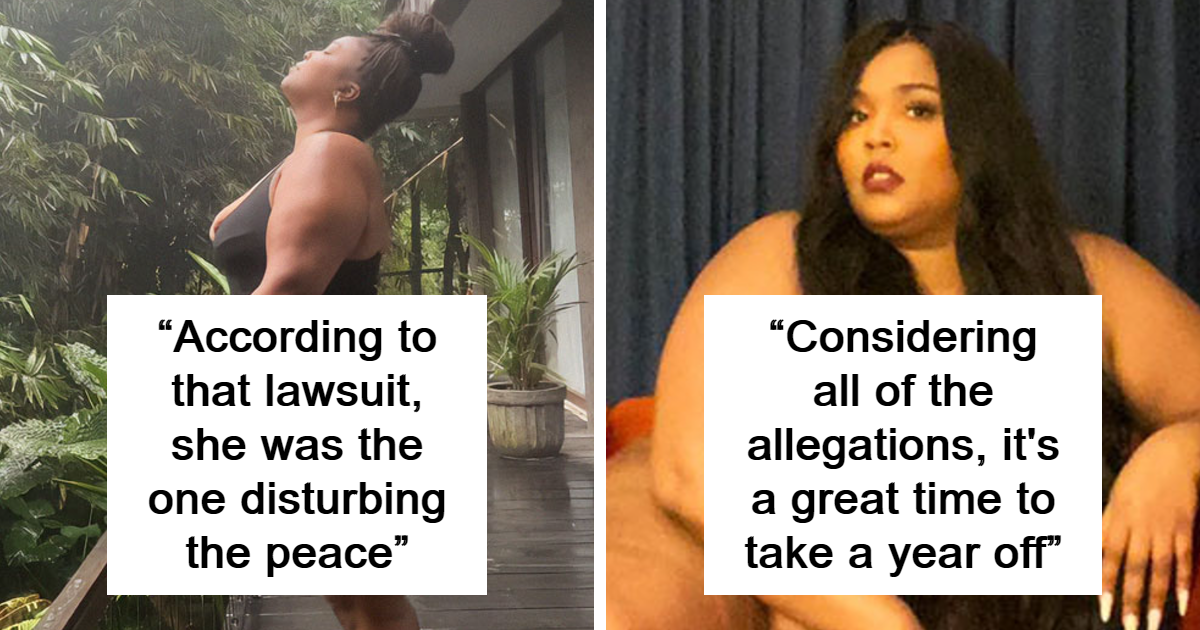
Lizzo has never been the kind of celebrity who can simply post a photo, drop a song, or breathe near a smoothie without the internet turning it into a town hall meeting. Her latest chapter is no exception. The Grammy-winning singer, rapper, flutist, entrepreneur, and longtime body-confidence icon has been openly discussing what she calls her “weight release” journey, and the conversation has grown far beyond before-and-after photos.
For some fans, Lizzo’s weight-loss transformation is inspiring because she frames it around mental health, movement, stamina, and emotional clarity. For others, it feels complicated because she became famous partly by refusing to shrink herself for public approval. Add rumors about weight-loss drugs, the changing meaning of body positivity, a noisy social media culture, and Lizzo’s renewed focus on protecting her “peace,” and suddenly a personal wellness journey becomes a full-blown cultural debate with better lighting than a Senate hearing.
The most interesting part is not whether Lizzo changed. Bodies change. Lives change. Careers change. The real story is how the internet reacts when a public figure known for self-love decides that self-love can include transformation.
What Lizzo Has Said About Her Weight-Loss Transformation
Lizzo has repeatedly described her process as “weight release” rather than simple “weight loss.” That wording matters. It suggests she sees the change as emotional and energetic, not only physical. According to her public comments, the journey began gradually and became tied to broader goals: feeling lighter, managing anxiety, strengthening her body for performance, and making choices that felt sustainable for her life.
She has shared that her routine involved structured exercise, food changes, and a more intentional approach to what she consumed. But she has also been clear that her body is not a public instruction manual. In other words, this is not “Do exactly what Lizzo did and become a flute-playing superstar by Friday.” Her message has been more personal: she found what worked for her, and other people should be allowed to do the same without strangers acting like unpaid detectives.
Her transformation drew even more attention after she posted updates about reaching a personal goal and showed visible changes in her appearance. Fans praised her discipline. Critics questioned whether her message had shifted. Comment sections performed their usual Olympic sport: jumping to conclusions.
Why the Internet Is Debating Lizzo’s Body Again
The debate around Lizzo’s body is not new. For years, she has been celebrated and attacked for the same reason: she refused to treat her body like an apology. She danced, sang, played the flute, launched Yitty, wore bold outfits, and pushed back against people who believed confidence should come with a size limit.
That history is why her weight-loss transformation landed so loudly online. Some people saw it as proof that health journeys and body positivity can coexist. Others worried it reflected the cultural return of thinness as a social prize, especially in an era when GLP-1 medications and celebrity transformations dominate entertainment headlines.
The “Body Positivity” Question
Lizzo has challenged the way “body positivity” is used in mainstream culture. She has suggested that the phrase has sometimes been flattened, commercialized, or treated as a code word for larger bodies only. Her point is not that body positivity no longer matters. It is that the movement was born from something radical: the right to exist loudly in a world that tells some people to hide.
That distinction is important. Body positivity does not require a person to remain frozen in one shape forever, like a museum exhibit with better choreography. If the core belief is bodily autonomy, then autonomy includes staying the same, gaining weight, losing weight, building strength, resting, healing, dressing dramatically, dressing quietly, and refusing to let strangers vote on the matter.
The Ozempic Rumor Machine and Celebrity Weight Loss
No celebrity weight-loss conversation in the 2020s can escape the Ozempic rumor machine. Lizzo has faced speculation about whether medications played a role in her transformation. She previously joked about the accusations, pushed back against assumptions, and later discussed trying weight-loss medication while emphasizing that her long-term approach centered on lifestyle changes and personal consistency.
The public reaction shows how celebrity bodies have become mystery novels that nobody asked to write. When a famous person changes appearance, some viewers demand a confession, a timeline, a receipt, a meal plan, and perhaps a notarized statement from the treadmill. That obsession is unhealthy for everyone involved. It reduces a human being to a case file and teaches audiences to treat bodies as public property.
There is also a bigger issue: medical decisions are private. Weight-loss medications can be legitimate treatments for some adults under professional care, but they are not gossip accessories. Turning them into celebrity scandal fuel makes real health conversations more confusing, more judgmental, and less useful.
Lizzo’s Focus on “Peace” Is the Real Headline
The most consistent theme in Lizzo’s recent public life is not a number. It is peace. She has talked about stepping back from online comments, protecting her energy, setting boundaries, and no longer feeding every negative reaction with attention. That might sound simple, but for a performer whose career grew in the social media era, refusing to read the room every five minutes is almost revolutionary.
In 2024, Lizzo clarified that when she said “I quit,” she did not mean she was quitting music. She meant she was quitting the habit of giving negative energy her attention. That clarification fits her current chapter. The singer appears less interested in convincing every critic and more interested in choosing which voices deserve access to her nervous system.
That is a practical lesson beyond celebrity culture. Peace is not always soft. Sometimes peace is a locked door, a muted comment section, a walk without posting it, or deciding that strangers do not get a front-row seat to your healing.
How Public Scrutiny Complicated Lizzo’s Comeback
Lizzo’s body conversation has also unfolded alongside a more difficult professional backdrop. In 2023, former dancers filed a lawsuit against her and members of her team, making workplace misconduct allegations that Lizzo denied. Some related claims and public updates have continued to shape coverage of her career, and the situation added a serious layer to the public debate around her image.
For a celebrity whose brand was built on joy, empowerment, and inclusive confidence, that scrutiny was especially intense. Lizzo has had to navigate not only criticism of her body but also questions about accountability, public trust, and how an artist returns to the spotlight after a damaging controversy. Whether one views her comeback with support, skepticism, or something in between, it is clear that her “peace” era is not happening in a vacuum.
In 2026, Lizzo returned with new music and a louder sense of self-definition. Her latest album cycle has been framed around reclaiming voice, confidence, and creative control. Even when critics debate the music or the rollout, the larger story remains: Lizzo is trying to move forward while the internet keeps replaying every chapter at once.
Why Lizzo’s Transformation Feels Bigger Than One Celebrity
Lizzo’s weight-loss transformation sparks debate because she sits at the intersection of several cultural tensions: body positivity versus diet culture, wellness versus aesthetics, privacy versus celebrity access, and personal change versus public expectation.
People often want public figures to be symbols, not humans. Once someone becomes a symbol, every personal decision is treated as a policy announcement. If Lizzo embraces her body at one size, she is a hero. If her body changes, some people accuse her of betraying the movement. That is too much pressure to place on one person’s shoulders, even shoulders strong enough to carry a flute solo and a Grammy night.
Body Autonomy Means Change Is Allowed
The healthier reading is this: body autonomy is the right to choose without shame. A person can love themselves and still want different habits. A person can pursue strength or comfort without declaring war on their past self. A person can change without becoming evidence that everyone else should change too.
That is where much of the internet gets it wrong. Lizzo’s transformation does not cancel her earlier message. It tests whether people actually believed it. If the message was “all bodies deserve respect,” then respect should not disappear when a body changes.
The Problem With Treating Weight Loss as Moral Proof
One of the most damaging habits in celebrity coverage is treating weight loss as automatic moral improvement. Headlines often imply that a thinner body means discipline, happiness, success, or “revenge.” That framing is lazy and harmful. It turns health into a beauty contest and makes people feel like their worth is measurable from a camera angle.
Lizzo’s comments complicate that old script. She has not presented her transformation as an apology for who she was. She has described herself as still being herself, just in a different chapter. That framing matters because it resists the idea that transformation must come with self-rejection.
A more responsible conversation would focus on agency, mental health, support systems, and the right to privacy. It would also avoid turning one celebrity’s choices into a universal wellness commandment. Lizzo can be proud of her journey without becoming anyone’s body blueprint.
What Fans Can Learn From the Conversation
The best takeaway from Lizzo’s transformation is not a workout detail or a grocery list. It is the idea that peace can be an active practice. Lizzo has shown that boundaries are part of wellness. She has stepped away from comments, spoken about anxiety, and made it clear that public approval is not the same thing as self-trust.
Fans can also learn that body-positive language needs room for growth. Supporting someone at one size should not require disappointment when that person changes. At the same time, it is fair for fans to feel complicated emotions when a public figure associated with self-acceptance enters a culture obsessed with shrinking. Both things can be true. The conversation becomes healthier when it allows nuance instead of forcing everyone into Team Applause or Team Betrayal.
Experience Section: What Lizzo’s “Peace” Era Teaches Us in Real Life
In everyday life, Lizzo’s story feels familiar because most people have experienced some version of public commentary on private change. Maybe you got a new haircut and suddenly everyone became a salon critic. Maybe you started going to the gym and people asked too many questions. Maybe your body changed because of stress, school, work, grief, illness, happiness, hormones, or simply being alive in a human body, which is already a full-time subscription service with surprise fees.
The experience connected to Lizzo’s transformation is not only about weight. It is about what happens when people believe they are entitled to explain you to yourself. A person can make one visible change, and suddenly the world creates a story: “You must be happier now,” “You must have been unhappy before,” “You changed for attention,” “You changed because of pressure,” “You changed because of this drug,” or “You changed because you betrayed your old message.” Sometimes none of those stories are true. Sometimes the truth is quieter: you needed a reset, a routine, a boundary, a doctor, a break, a new season, or a little more peace.
That is why Lizzo’s use of the word “peace” matters. Peace is not a glamorous wellness trend. It is not always candles, cucumber water, and a robe that costs more than rent. Peace can be choosing not to argue with people who misunderstand you on purpose. It can be turning off notifications. It can be refusing to perform emotional labor for strangers. It can be allowing your body to be a home instead of a public debate stage.
For readers watching this conversation unfold, the healthiest lesson is to separate admiration from imitation. Lizzo’s journey belongs to Lizzo. Your body, schedule, health history, budget, family life, stress level, and goals are different. Copying a celebrity routine is rarely the point. The useful part is asking better questions: What makes me feel steady? What habits support my energy? What boundaries protect my mind? What kind of movement, food, rest, friendship, creativity, or quiet helps me feel more like myself?
There is also an experience many people know too well: being praised only after changing. That can feel strange, even painful. Compliments that sound positive can accidentally suggest that the previous version of you was less worthy. Lizzo’s public confidence pushes back against that trap. The past self does not need to be insulted for the present self to be celebrated.
In real life, transformation works best when it is not built on shame. Shame is a terrible personal trainer. It yells a lot, motivates badly, and never wipes down the equipment. Peace, on the other hand, creates space for choices that last because they come from self-respect rather than panic.
That may be the most powerful part of Lizzo’s current chapter. The body changed, yes. But the deeper transformation is the refusal to let public noise become the boss. Whether people cheer, doubt, gossip, or debate, Lizzo seems focused on the same message: her life belongs to her. That message is bigger than weight loss. It is a reminder that becoming more peaceful in your own skin is not a headline. It is a practice.
Conclusion: Lizzo’s Transformation Is Personal, but the Debate Is Cultural
Lizzo’s stunning weight-loss transformation has sparked debate because she has never been just another pop star in a sparkly outfit. She has been a symbol of confidence, body positivity, joy, resistance, and radical visibility. When her body changed, people projected their hopes, fears, frustrations, and theories onto her.
But the clearest way to understand this chapter is also the simplest: Lizzo is allowed to evolve. She can protect her peace, pursue health on her own terms, make music, set boundaries, and reject the idea that her body belongs to the internet. The public may keep debating, because the public loves a debate almost as much as it loves being wrong in comment sections. Still, Lizzo’s message cuts through the noise: self-love is not a statue. It moves, grows, rests, heals, and sometimes transforms.
Editorial note: This article is for entertainment and cultural analysis only. It does not provide medical, diet, or fitness advice. Public figures’ health choices should not be copied without qualified professional guidance.