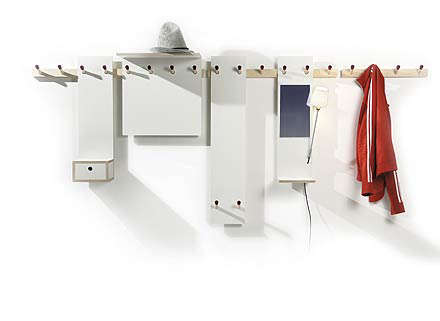
If you have ever looked at a wall, sighed dramatically, and thought, “You, my flat friend, could be working harder,” then welcome to the wonderfully practical world of Shaker pegboards. The phrase Rechenbeispiel Shaker Pegboards sounds like a German math teacher wandered into a woodworking shop, but it is actually a helpful way to think about this classic storage idea: calculate the size, spacing, cost, and usefulness before you start drilling holes in your wall like an overexcited woodpecker.
Shaker pegboards, often called Shaker peg rails, are simple wooden boards fitted with evenly spaced pegs. They can hold coats, hats, baskets, aprons, kitchen tools, cleaning supplies, garden gear, and sometimes even chairs. Their charm comes from the fact that they do not shout for attention. They quietly do their job, look good doing it, and never once demand a software update.
This guide explains what Shaker pegboards are, why they still matter, how to calculate dimensions and spacing, what materials to choose, and how to plan a realistic DIY budget. We will also walk through practical examples for entryways, kitchens, mudrooms, bedrooms, and workshops. In other words, this is where old-school American design meets modern “where did I put my keys?” survival strategy.
What Are Shaker Pegboards?
A Shaker pegboard is a wall-mounted wooden rail or board with projecting wooden pegs. The design is associated with the Shakers, a religious community known in America for clean lines, honest materials, disciplined craftsmanship, and the belief that beauty should come from usefulness rather than decoration piled on like frosting at a toddler’s birthday party.
Traditional Shaker interiors often used peg rails around rooms to keep floors open and objects orderly. Chairs, brooms, baskets, textiles, and clothing could be hung neatly along the wall. The idea was not just storage; it was a way of making daily life calmer, cleaner, and easier to manage. Modern homeowners love the same benefits, even if the biggest spiritual challenge today is finding matching gloves before school drop-off.
Why Shaker Pegboards Are Still Popular
Shaker pegboards have survived because they solve a very current problem: clutter. Unlike bulky cabinets or plastic bins, a peg rail turns unused vertical space into practical storage. It is visible, flexible, and easy to use. No drawer archaeology required.
They Fit Almost Any Room
In an entryway, a Shaker pegboard can hold coats, dog leashes, hats, tote bags, and backpacks. In a kitchen, it can hold mugs, aprons, cutting boards, baskets, and frequently used utensils. In a bathroom, it can hold towels and robes. In a laundry room, it can hold brushes, cloth bags, and drying accessories. In a workshop, it can organize hand tools without making the wall look like a hardware store exploded.
They Look Good Without Trying Too Hard
Part of the appeal of Shaker style storage is that it blends with many interiors. It works in farmhouse homes, modern apartments, cottage kitchens, minimalist mudrooms, and family spaces where “minimalist” means there are only three soccer bags on the floor instead of seven.
They Are Easy to Customize
You can build a Shaker pegboard short or long, painted or stained, with narrow spacing for small items or wider spacing for coats and baskets. The math is friendly, the materials are accessible, and the finished product looks far more expensive than it usually is.
Rechenbeispiel Shaker Pegboards: A Simple Calculation Method
The word Rechenbeispiel means “calculation example.” For Shaker pegboards, the most useful calculations involve four things: total board length, number of pegs, spacing between pegs, and estimated project cost.
Basic Peg Spacing Formula
To calculate even peg spacing, use this simple method:
Board length ÷ number of spaces = distance between peg centers
The number of spaces is usually the number of pegs plus one if you want equal margins at both ends. For example, if you have a 36-inch board and want five pegs, you will have six spaces. So:
36 inches ÷ 6 spaces = 6 inches between each peg center
This creates a balanced rail with the first peg 6 inches from the left edge, the next peg 6 inches after that, and so on. The last peg will also sit 6 inches from the right edge. Your wall will look organized, and you will not wake up at 2 a.m. wondering why one peg looks emotionally distant from the others.
Example 1: Small Entryway Pegboard
Let’s say you want a compact Shaker pegboard beside your front door.
- Board length: 30 inches
- Number of pegs: 4
- Number of spaces: 5
- Spacing: 30 ÷ 5 = 6 inches
This size works well for keys, hats, a small tote, a dog leash, and one emergency umbrella that may or may not open correctly. A 30-inch rail is ideal for apartments, narrow walls, or a small drop zone near the door.
Example 2: Family Mudroom Pegboard
For a busy family mudroom, you need more capacity.
- Board length: 72 inches
- Number of pegs: 10
- Number of spaces: 11
- Spacing: 72 ÷ 11 = about 6.55 inches
A spacing of about 6.5 inches gives coats and bags enough breathing room. If you prefer easier measuring, you can reduce the peg count to nine and use 7.2-inch spacing, or trim the board to 66 inches for cleaner 6.6-inch spacing. The goal is not mathematical perfection; the goal is a functional wall that does not look like it lost a fight with a tape measure.
Example 3: Kitchen Shaker Pegboard
For a kitchen peg rail used for mugs, aprons, and utensils:
- Board length: 48 inches
- Number of pegs: 8
- Number of spaces: 9
- Spacing: 48 ÷ 9 = about 5.33 inches
Kitchen items are often smaller than coats, so closer spacing can work beautifully. If you plan to hang wider baskets or cutting boards, use fewer pegs and wider spacing.
Recommended Dimensions for Shaker Pegboards
There is no single correct size for a DIY Shaker pegboard, but there are practical guidelines that help the project feel proportionate.
Board Width and Thickness
Many peg rails use a board between 3 and 6 inches tall. A narrower board looks delicate and traditional, while a taller board can feel sturdier and may support a shelf above it. A thickness of about 3/4 inch is common for many home projects because it is strong enough for typical pegs and easy to find at home improvement stores.
Peg Length
Common wooden Shaker pegs often project about 3 to 4 inches from the board. Shorter pegs are good for mugs, keys, and light accessories. Longer pegs are better for coats, hats, baskets, and bags. If you are hanging bulky winter coats, do not choose tiny pegs unless you enjoy watching outerwear slide to the floor with theatrical timing.
Peg Spacing
Most practical Shaker peg rails use spacing between 4 and 8 inches. Four-inch spacing works for small tools, kitchen items, or decorative displays. Six-inch spacing is a versatile all-around choice. Eight-inch spacing is better for coats, backpacks, baskets, and bulkier items.
Material Options: Pine, Oak, Maple, or Poplar?
The best material depends on your budget, finish preference, and how much weight the rail needs to hold.
Pine
Pine is affordable, easy to cut, and beginner-friendly. It paints well and gives a warm, casual look when stained. The downside is that it is softer than hardwood, so it can dent more easily.
Oak
Oak is strong, durable, and attractive when stained. It is a good option for heavy-use areas like mudrooms and entryways. It costs more than pine, but it has a sturdy feel that says, “Yes, I can hold the family’s entire coat collection and still maintain dignity.”
Maple
Maple has a smooth, refined appearance and works beautifully in modern interiors. It is strong and durable, though it can be harder to stain evenly without preparation.
Poplar
Poplar is often used for painted projects. It is generally smoother than pine and more affordable than many hardwoods. If you want a painted Shaker pegboard in white, cream, black, blue, sage green, or another classic color, poplar is a practical choice.
Cost Calculation for DIY Shaker Pegboards
A realistic Shaker pegboard cost calculation should include the board, pegs, screws, wall anchors if needed, glue, finish, sandpaper, and optional extras such as a top shelf.
Budget Example: 36-Inch Pegboard
- One 36-inch pine or poplar board: $8–$18
- Six wooden Shaker pegs: $6–$18
- Wood glue: $4–$8
- Screws and wall anchors: $4–$10
- Paint, stain, or clear finish: $8–$20
- Sandpaper: $3–$8
Estimated total: $33–$82
If you already own glue, screws, sandpaper, and leftover paint, the cost can be much lower. This is why DIY people save half-empty paint cans in basements. It is not hoarding; it is “future project liquidity.”
Mid-Range Example: 72-Inch Mudroom Pegboard
- One 72-inch hardwood or quality poplar board: $20–$55
- Ten to twelve wooden pegs: $15–$36
- Heavy-duty screws and anchors: $8–$15
- Wood glue and filler: $8–$15
- Primer and paint or stain: $15–$35
- Optional shelf board: $12–$35
Estimated total: $78–$191
This larger version can dramatically improve a mudroom or hallway. Compared with custom built-ins, a long Shaker peg rail is usually far less expensive and more flexible.
How to Plan Peg Placement
Before drilling, mark everything carefully. Use a pencil, tape measure, straightedge, and level. Draw a horizontal centerline where the pegs will go. Then mark each peg location based on your spacing calculation.
Centerline Method
The centerline method keeps your pegs aligned. Measure the board height, divide it in half, and draw a light line across the board. For example, if your board is 4 inches tall, your centerline is 2 inches from the top or bottom. Mark each peg location along this line.
End Margin Method
If you want equal space at both ends, calculate spacing by dividing the board length by the number of pegs plus one. This is the cleanest approach for a balanced look.
Real-Life Adjustment
Sometimes a perfect calculation conflicts with a wall stud, light switch, door trim, or the mysterious architectural decision someone made in 1987. Adjust peg placement slightly if needed. Practical installation beats perfect math every time.
Installation Tips for a Strong Shaker Pegboard
A Shaker pegboard should be mounted securely, especially if it will hold coats, bags, tools, or baskets. The board may look charming, but gravity remains deeply unimpressed by charm.
Mount Into Studs When Possible
For the strongest installation, screw the rail directly into wall studs. Use a stud finder, confirm with small test points if needed, and choose screws long enough to pass through the rail, drywall, and into the stud.
Use Wall Anchors When Studs Are Not Available
If your ideal rail location does not line up with studs, use appropriate wall anchors. Choose anchors rated for the expected weight. Lightweight decorative rails need less support than mudroom rails holding heavy coats and backpacks.
Hide Screws for a Cleaner Look
You can countersink screws, fill the holes with wood filler, sand smooth, and paint over them. For stained wood, use matching plugs or decorative screw covers. This small step makes the finished rail look intentional rather than “I had fifteen minutes and a cordless drill.”
Best Rooms for Shaker Pegboards
Entryway
An entryway Shaker pegboard creates an instant landing zone. Add a small shelf above the rail for keys, mail, sunglasses, or a tiny plant that proves you are trying. Use wider peg spacing for coats and bags.
Mudroom
A mudroom rail should be strong, long, and easy to clean. Paint it in a durable semi-gloss or satin finish. Consider labeling pegs for each family member. Labels reduce arguments, although they do not guarantee anyone will actually use the correct peg.
Kitchen
In the kitchen, a Shaker peg rail adds warmth and utility. Hang aprons, mugs, measuring cups, small baskets, or lightweight pans. Keep heavier cookware on stronger hooks or dedicated storage unless the rail is built and anchored for that weight.
Bedroom
A bedroom pegboard can hold robes, scarves, hats, jewelry organizers, or bags. It is especially helpful in small bedrooms where floor space is limited.
Workshop or Craft Room
For tools and supplies, a Shaker pegboard is a handsome alternative to perforated hardboard pegboard. It will not hold every tiny screwdriver accessory, but it is excellent for frequently used tools, cords, rulers, brushes, and rolls of tape.
Design Ideas for Modern Shaker Pegboards
Add a Shelf
A peg rail with a shelf above it offers double-duty storage. The shelf can hold framed art, baskets, spices, cleaning supplies, or seasonal decor. In an entryway, it can hold keys and mail. In a kitchen, it can hold jars and small dishes.
Paint It the Wall Color
Painting the rail the same color as the wall creates a built-in look. This is a smart choice for small spaces because the rail feels architectural rather than busy.
Use a Contrasting Wood Finish
A natural wood rail on a painted wall adds warmth and texture. Oak, maple, cherry, or stained pine can make a simple rail feel special without adding ornament.
Run It Wall to Wall
A long wall-to-wall peg rail creates a historic Shaker-inspired effect. It is especially beautiful in hallways, mudrooms, laundry rooms, and large kitchens. Just make sure the height works for the people using it.
Common Mistakes to Avoid
Putting Pegs Too Close Together
Tight spacing looks nice when empty but can become crowded when loaded. For coats and bags, leave at least 6 inches between peg centers, and consider 8 inches for bulky items.
Ignoring Weight Limits
Not every pegboard is built for heavy loads. Thin boards, weak anchors, and shallow pegs can fail under weight. Plan for the heaviest realistic use, not the prettiest product photo.
Mounting It Too High
A rail that is too high becomes inconvenient. For adults, shoulder height often works well. For children, mount a lower rail so they can actually reach it. A child-accessible peg rail can help teach organization, or at least provide a designated place for the backpack before it migrates to the kitchen floor.
Skipping Sanding
Sand the board and pegs before finishing. Smooth surfaces look better, feel better, and reduce the chance of snagging fabric. Shaker design may be simple, but simple does not mean rough.
Experience Notes: Living With Shaker Pegboards
After using Shaker pegboards in real spaces, one thing becomes clear: the best storage is the storage people actually use. A drawer may hide clutter, but it also hides responsibility. A pegboard says, gently but firmly, “Put the thing here.” That kind of visual cue can change how a room functions.
In an entryway, the difference is immediate. Before a peg rail, coats tend to land on chairs, keys vanish into alternate dimensions, and tote bags develop a habit of slumping beside the door like tired livestock. After installing a Shaker pegboard, the same items have a visible home. Guests understand it without instructions. Kids may still need reminders, but at least the system is obvious.
The most successful installations usually start with honest observation. What is actually piling up? Coats? Hats? Dog leashes? Reusable shopping bags? If the rail is designed for the real mess instead of an imaginary magazine-layout lifestyle, it works better. A beautiful pegboard with pegs too close together may look charming online, but if three winter jackets turn it into a padded wall, the design has failed the household.
Another practical lesson is that height matters more than people expect. For adults, a rail mounted around shoulder level is comfortable for coats and bags. In a family space, adding a second lower rail for children can be a game changer. Children are much more likely to hang backpacks and jackets when the peg is reachable. Are they guaranteed to do it every day? Absolutely not. But the odds improve, and parenting is often just probability management with snacks.
Finish choice also affects daily satisfaction. Painted rails look clean and can blend beautifully into trim or wall colors. Stained rails show the grain and feel warmer. In high-traffic areas, a durable finish is worth the extra effort. Mudrooms, kitchens, and laundry rooms deal with damp coats, dusty bags, and occasional mystery substances. A wipeable satin or semi-gloss finish can save future frustration.
When planning a Rechenbeispiel Shaker Pegboards project, do not calculate only materials. Calculate behavior. If you hang five pegs in a hallway used by six people, someone’s things will always end up homeless. If you install a rail for kitchen mugs but place it where cabinet doors hit the cups, the rail becomes decorative comedy. Measure the wall, count the users, list the items, and then choose the peg spacing.
One of the nicest surprises is how flexible Shaker pegboards become over time. A kitchen rail may start with aprons and mugs, then later hold herb scissors, a market basket, or a small drying cloth. A bedroom rail may hold scarves in winter and straw hats in summer. A mudroom rail may carry school bags during the week and picnic blankets on the weekend. Unlike fixed cubbies, pegs do not care what you hang on them as long as the weight is reasonable.
For renters, a smaller peg rail can still be useful. A short rail mounted with appropriate fasteners, or attached to a freestanding board or furniture piece, can provide the look without a full wall installation. Always follow lease rules and repair requirements, of course. Landlords rarely appreciate “historic Shaker influence” as an explanation for unauthorized holes.
The final experience-based advice is to keep the design simple. The Shakers understood something modern homes often forget: when an object is plain, useful, and well-made, it ages gracefully. A Shaker pegboard does not need ornate brackets, complicated hardware, or dramatic styling. Choose good proportions, mount it securely, finish it neatly, and let it do its quiet work. That is the whole magic.
Conclusion
Shaker pegboards are proof that great design does not need to be loud, expensive, or complicated. With a board, a row of pegs, smart spacing, and secure installation, you can transform empty wall space into practical storage that looks timeless. The Rechenbeispiel Shaker Pegboards approach simply adds planning to the process: calculate your board length, peg count, spacing, materials, and budget before you begin.
Whether you are upgrading an entryway, organizing a kitchen, improving a mudroom, or adding charm to a bedroom, a Shaker peg rail offers a rare combination of beauty and usefulness. It is minimal, but not cold. Traditional, but not outdated. Practical, but not boring. And best of all, it gives your everyday belongings a place to land that is not the nearest chair.
Note: This article is original, written in standard American English, and prepared for web publishing without citation artifacts or unnecessary source-code references.