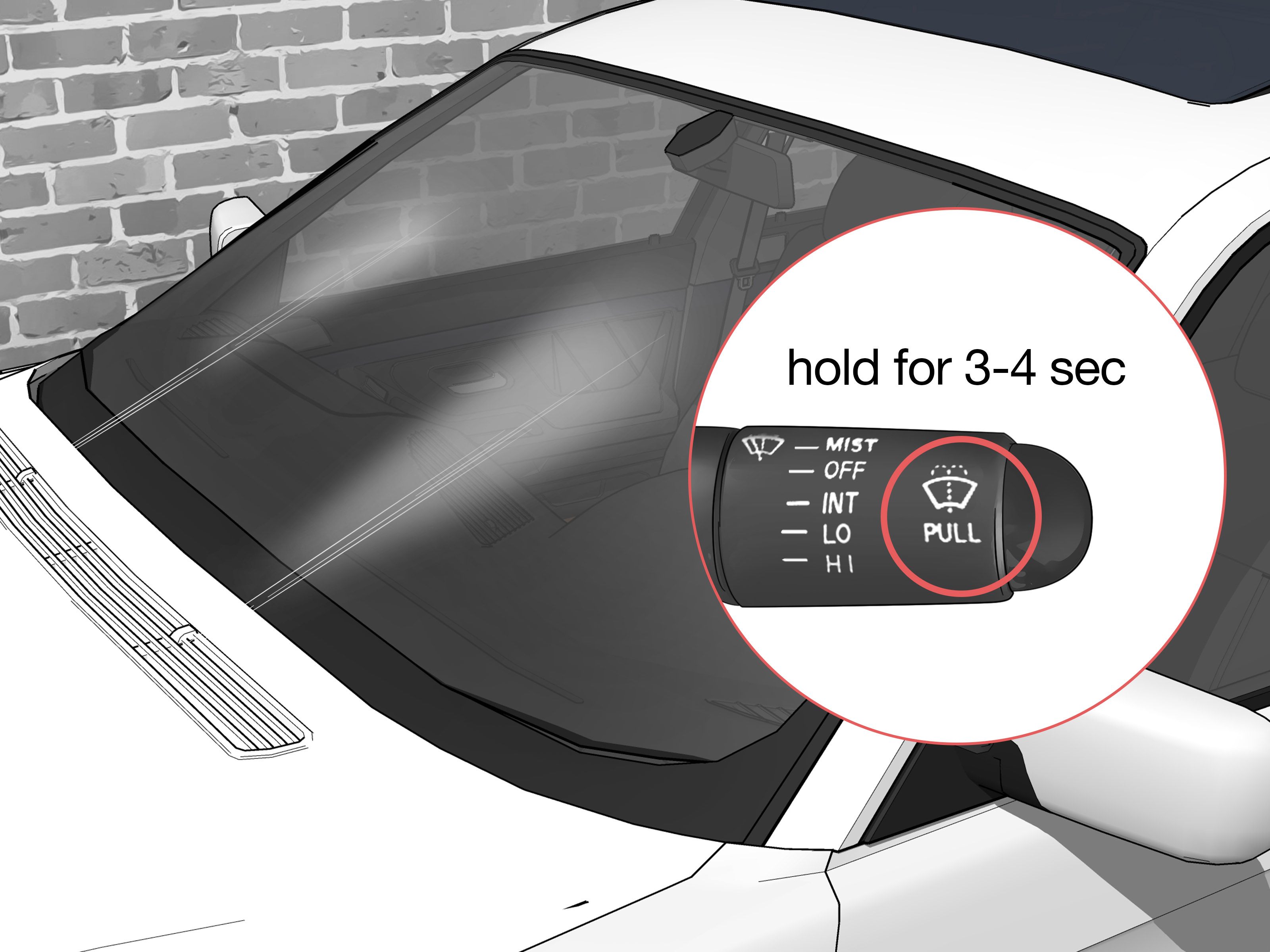
A windshield washer pump is one of those tiny car parts you barely think about until the exact moment you need it. One second you are driving behind a dusty pickup, a rogue bug performs a dramatic finale on your windshield, and you tap the washer switch expecting a heroic spray. Instead, nothing happens. Silence. Dry wipers. Smearing. Betrayal.
The good news is that a windshield washer pump problem is often easier to diagnose than it looks. The washer system is simple: a plastic reservoir holds washer fluid, a small electric pump pushes that fluid through rubber or plastic hoses, and nozzles spray it onto the glass. When the system fails, the cause is usually low fluid, a clogged washer nozzle, a disconnected hose, a blown fuse, frozen fluid, corroded wiring, or a bad pump motor.
This guide explains five practical ways to troubleshoot a windshield washer pump before you buy parts you may not need. You do not need to be a master mechanic, but you do need patience, a clean rag, basic hand tools, and the emotional strength to admit the reservoir might simply be empty.
Before You Start: Know the Symptoms
Windshield washer pump issues usually show up in a few predictable ways. The washer fluid may not spray at all, spray weakly, come out on only one side, leak under the vehicle, or make the pump sound louder than normal. Sometimes you hear the pump whirring but no fluid reaches the windshield. Other times you hear nothing at all when you press the washer button.
Those symptoms matter because they point you in different directions. If the pump makes noise, the electrical side is probably alive, so you should focus on fluid flow, hoses, nozzles, and blockages. If the pump is silent, start looking at the fuse, wiring, switch, connector, or pump motor. In car troubleshooting, listening is not just polite; it is diagnostic.
Tools and Supplies You May Need
- Fresh windshield washer fluid
- Clean rag or shop towel
- Small pin, needle, or thin wire for nozzle cleaning
- Flashlight
- Fuse puller or needle-nose pliers
- Owner’s manual or fuse box diagram
- Multimeter or test light
- Replacement fuse of the correct amperage
- Basic screwdriver or socket set if reservoir access is needed
1. Check the Washer Fluid Reservoir First
Yes, this sounds almost too obvious. No, you should not skip it. A low or empty washer fluid reservoir is one of the most common reasons windshield washer fluid is not spraying. The pump cannot move fluid that does not exist, no matter how encouragingly you press the stalk.
How to inspect the reservoir
Open the hood and look for the washer fluid cap. It usually has a windshield symbol with spray marks on it. On many vehicles, the reservoir is a translucent plastic tank, so you can see the fluid level from the outside. If the level is low, add washer fluid until it reaches the fill line or sits comfortably below the top of the neck.
Use real windshield washer fluid rather than plain water, dish soap, glass cleaner, or a mystery mixture from a garage shelf. Proper washer fluid helps clean road grime and is formulated for automotive washer systems. In cold climates, use winter-grade washer fluid rated for freezing temperatures. Water can freeze, expand, and damage the reservoir, hoses, nozzles, or pump. That is not a budget hack; that is a tiny ice sculpture of regret.
What the result means
After refilling the tank, turn the ignition to accessory mode or start the car, then test the washer spray. If it works normally, your pump is likely fine. If it still does not spray, keep troubleshooting. Also check for puddles under the car after filling. A leak near the reservoir may mean the tank is cracked, the pump seal is loose, or a hose has popped off.
2. Listen for the Windshield Washer Pump
The washer pump is a small electric motor, and it usually makes a brief whirring or buzzing sound when activated. Listening for that sound helps separate a fluid delivery problem from an electrical problem.
How to perform the sound test
Turn the ignition on without necessarily starting the engine. Ask someone to press the windshield washer switch while you stand near the front of the vehicle with the hood open. Keep hands, sleeves, and tools away from moving belts, fans, and hot engine parts. Listen near the washer reservoir area.
If you hear the pump running but no fluid sprays, the pump is receiving power. In that case, suspect a clogged nozzle, blocked hose, disconnected line, frozen fluid, dirty reservoir, or weak pump output. If you hear no pump sound at all, suspect a blown fuse, bad relay if equipped, faulty switch, damaged wiring, corroded connector, poor ground, or failed washer pump motor.
Do not run the pump too long
When testing, activate the washer pump in short bursts. Holding the switch for a long time while the system is dry or blocked can overheat the small motor. Think of it like asking a tiny electric hamster to push a boulder uphill. Brief tests are helpful; torture is not.
3. Inspect the Nozzles, Hoses, and Connections
If the washer pump runs but the windshield stays dry, the problem is often somewhere between the reservoir and the spray nozzles. Washer hoses can crack with age, disconnect after engine work, kink under a hood liner, or leak at plastic fittings. Washer nozzles can clog with wax, dirt, mineral deposits, old fluid residue, or organic buildup inside the reservoir.
Check for visible leaks
Start with a flashlight. Follow the washer hose from the reservoir toward the hood, cowl, or wiper arms. Look for wet spots, loose connections, split tubing, or fluid dripping when someone activates the washer switch. If fluid sprays under the hood instead of onto the glass, you may have found the problem and possibly watered your engine bay for no good reason.
Disconnect the hose near the nozzle
One useful test is to disconnect the hose where it attaches to the washer nozzle. Place the hose end in a safe direction, then activate the washer briefly. If fluid flows from the hose, the pump and line are working up to that point, and the nozzle is probably clogged. If no fluid comes out of the hose, the blockage or leak is farther back toward the reservoir.
Clean clogged washer nozzles carefully
Use a small pin, needle, or thin wire to gently clear the nozzle opening. Do not enlarge the hole, force the tool, or dig aggressively. The nozzle is designed to spray in a pattern, not imitate a garden hose with commitment issues. After loosening debris, test the washer again. Some clogs respond better if you detach the hose and blow compressed air backward through the nozzle, but use low pressure and caution to avoid damaging fittings.
Look for contaminated fluid
If the reservoir contains sludge, floating debris, or fluid that looks like it belongs in a science fair volcano, the system may be clogging repeatedly. Mixing incompatible washer fluids can sometimes create gel-like residue, and using plain water can encourage buildup. In serious cases, the reservoir may need to be drained and cleaned before refilling with fresh washer fluid.
4. Check the Fuse and Electrical Connector
If the washer pump is silent, move to the electrical side. Most washer pumps are protected by a fuse. Some vehicles may share washer pump power with wiper circuits or route control through a body control module. Your owner’s manual or fuse box diagram is the best guide because fuse locations vary by make and model.
How to inspect the fuse
Find the correct fuse for the windshield washer pump or wiper washer system. Remove it using a fuse puller or needle-nose pliers. Look through the fuse body. If the metal strip inside is broken or burned, the fuse is blown. Replace it only with a fuse of the same amperage. Using a higher-rated fuse is not “extra protection.” It is inviting the wiring to become the fuse, and wiring is very bad at that job.
After replacing the fuse, test the washer pump again. If the new fuse blows immediately, stop testing and inspect for a short circuit, seized pump, damaged wiring, or water intrusion at the connector. Repeatedly installing fuses is not troubleshooting; it is feeding the problem snacks.
Inspect the pump connector
The washer pump is usually mounted low on or near the washer reservoir. Because it often lives near the bumper, wheel well, or lower engine bay, it can be exposed to water, road salt, dirt, and vibration. Check the electrical connector for corrosion, looseness, broken locking tabs, bent terminals, or damaged wires.
If the connector is dirty or lightly corroded, clean it with electrical contact cleaner and let it dry before reconnecting. If the terminals are badly green, crusty, loose, or broken, the pump may not receive reliable power even if the fuse is fine.
5. Test the Pump with a Multimeter
When fluid level, hoses, nozzles, and fuses check out, the next step is testing whether power reaches the washer pump. A multimeter helps you avoid guessing. Guessing is how perfectly good pumps get replaced while the real problem laughs from the fuse box.
Voltage test at the pump
Set the multimeter to DC volts. Back-probe the pump connector if possible, meaning you test the circuit while the connector remains plugged in and the pump is commanded on. This gives a more realistic reading because the circuit is under load. Have a helper activate the washer switch briefly while you check for voltage.
If the pump receives battery voltage when the switch is activated but does not run, the washer pump motor is likely bad. If there is little or no voltage at the connector, the issue may be upstream: fuse, wiring, ground, switch, relay, control module, or connector damage.
Ground test
A poor ground can make the washer pump act dead even when power is present. Use the multimeter to verify that the ground side of the connector has a good path back to the vehicle body or battery negative. A loose, rusty, or broken ground connection can cause weak operation, intermittent spray, or complete failure.
When replacement makes sense
If the pump has power and ground but does not run, replacement is usually the practical fix. Washer pumps are generally small and relatively affordable compared with many car repairs, though labor can vary because access may require removing a wheel-well liner, splash shield, or part of the bumper area. On some vehicles, the pump pushes into a rubber grommet in the reservoir. On others, access is less friendly, because engineers occasionally enjoy puzzles.
Common Diagnosis Patterns
| Symptom | Likely Cause | Best First Check |
|---|---|---|
| No sound and no spray | Blown fuse, bad connector, failed pump, switch issue | Fuse and pump voltage |
| Pump runs but no spray | Clogged nozzle, disconnected hose, blocked line, empty reservoir | Fluid level and hose flow test |
| Weak spray | Partially clogged nozzle, kinked hose, weak pump, low fluid | Nozzle cleaning and hose inspection |
| Spray works on one side only | One clogged nozzle or split branch hose | Nozzle and T-fitting inspection |
| Fluid leaks under car | Cracked reservoir, bad pump seal, loose hose | Visual leak inspection |
Safety Tips While Troubleshooting
Work on a cool vehicle whenever possible. Keep your hands away from belts, pulleys, cooling fans, and hot exhaust components. If you need to access the pump through the wheel well, park on a level surface, use the parking brake, and support the vehicle properly if lifting is required. Never rely only on a jack.
Also remember that visibility is a safety issue, not just a convenience feature. If your windshield washer system is not working and the weather is wet, dusty, snowy, salty, or bug-heavy, fix it before the next drive. A dirty windshield plus dry wiper blades can turn a small inconvenience into a wide-screen blur at exactly the wrong moment.
When to Call a Mechanic
Many washer pump problems are DIY-friendly, but professional help makes sense if the fuse keeps blowing, the pump is buried behind body panels, wiring is damaged, the connector is melted, or the system is controlled through a module that needs scan-tool diagnosis. You should also call a technician if you are uncomfortable testing electrical circuits or removing trim panels.
A mechanic can pressure-test the washer system, verify pump voltage under load, inspect wiring diagrams, and confirm whether the pump, switch, relay, or control module is responsible. That can save time, especially on modern vehicles where even a washer pump circuit can be more dramatic than expected.
Maintenance Tips to Prevent Future Washer Pump Problems
Prevention is simple. Keep the reservoir filled with quality washer fluid, especially before long drives. Switch to winter-rated fluid before freezing weather arrives. Do not mix random cleaners or homemade solutions. Clean the nozzles gently when spray becomes uneven. Replace cracked hoses before they split completely. Test the washers every few weeks so you discover problems in the driveway instead of during a highway bug ambush.
It is also smart to keep your windshield and wiper blades clean. Washer fluid works best when paired with healthy wiper blades. If the blades are torn, hardened, streaking, or chattering, the pump may spray perfectly while the windshield still looks like abstract art.
Real-World Experiences: What Washer Pump Troubleshooting Teaches You
One of the most useful experiences with windshield washer pump troubleshooting is learning not to jump straight to the most dramatic conclusion. Many drivers assume “no spray” automatically means “bad pump.” In reality, the pump is only one character in a small cast. The reservoir, fuse, wiring, hoses, nozzle tips, fluid type, and even the weather can all play the villain.
A common real-life example is the silent washer pump after the first cold snap of the season. The driver filled the reservoir with plain water during summer, forgot about it, and then winter arrived like an unpaid bill. The water froze, the pump could not move anything, and the washer switch produced nothing useful. Sometimes the system thaws and survives. Other times the frozen fluid cracks a hose, damages the reservoir, or finishes off an already tired pump. The lesson is simple: winter washer fluid is not marketing fluff. It is cheap insurance.
Another frequent experience is the “pump runs, but nothing sprays” mystery. This one can feel confusing because the sound suggests everything is working. But if a hose has popped loose under the hood, the pump may be spraying fluid inside the engine bay instead of onto the windshield. The driver may only notice the washer fluid level dropping quickly or a suspicious puddle under the front of the car. A flashlight inspection usually solves this case in minutes.
Clogged nozzles are also incredibly common, especially after waxing a car, parking under trees, driving dusty roads, or using old washer fluid. The symptom is usually a weak stream, one working nozzle, or spray aimed somewhere ridiculous, such as the roof, the side mirror, or a neighboring zip code. A gentle cleaning with a pin can restore the spray pattern, but the key word is gentle. If you jab the nozzle like you are picking a lock in an action movie, you may damage it.
Electrical diagnosis teaches another practical lesson: voltage without load can be misleading. A corroded wire may show voltage when unplugged but fail when the pump is connected and drawing current. That is why testing with the connector plugged in, when safely possible, gives better information. It is the difference between asking a wire if it feels strong and asking it to actually lift the couch.
Replacing the pump can also be surprisingly straightforward or mildly annoying depending on the vehicle. On some cars, the pump is accessible from the top of the reservoir and can be swapped quickly. On others, it hides behind the fender liner like it owes you money. If access requires removing splash shields or working near the wheel well, take your time, keep track of clips and screws, and avoid forcing brittle plastic parts.
The biggest takeaway from hands-on washer pump troubleshooting is that a logical order saves money. Start with fluid. Listen for pump noise. Check hoses and nozzles. Inspect the fuse and connector. Test voltage and ground. Only then condemn the pump. That process turns a frustrating failure into a manageable repair and helps you avoid replacing parts based on vibes, superstition, or the advice of a cousin who once changed a headlight in 2009.
Conclusion
Troubleshooting a windshield washer pump is mostly about following the evidence. If there is no fluid, fill the reservoir. If the pump runs, chase flow problems in the hoses and nozzles. If the pump is silent, inspect the fuse, connector, wiring, and voltage supply. If the pump has power and ground but refuses to run, replacement is probably the right move.
A working windshield washer system keeps your view clear, protects your wiper blades from dry scraping, and helps you drive safely in rain, snow, dust, and bug season. It may be a small system, but when road grime hits the glass at 60 miles per hour, that little pump suddenly deserves a standing ovation.
Note: This article is for general automotive troubleshooting and web publishing. Always follow your vehicle owner’s manual and use professional service when electrical testing, hidden pump access, or repeated fuse failure is involved.