Important note: This article discusses a popular folk-remedy topic, but it does not recommend putting daffodil sap, bulbs, or crushed daffodil material on your skin. Daffodils can irritate skin and are toxic if swallowed. Epsom salt may help soften skin during a warm soak, but it is not a proven wart-killing treatment. For safe wart removal, evidence-based options such as salicylic acid, proper soaking, gentle filing, and professional dermatology care are the real stars of the show.
Introduction: The Wart, the Flower, and the Salt Shaker
Warts are tiny skin rebels. They show up on fingers, feet, knees, and other inconvenient places, then sit there like they own the lease. Because they are common and often harmless, people have tried nearly everything to remove them: duct tape, vinegar, banana peels, prayers whispered over a full moon, and yes, Epsom salts or daffodils.
The title “8 Ways to Remove a Wart Using Epsom Salts or Daffodils” sounds like it belongs in an old garden notebook. But modern skin care needs a little more science and a little less “rub a suspicious plant on it and hope.” Warts are caused by certain types of human papillomavirus, or HPV. They can spread through direct skin contact or shared surfaces, especially when skin is broken, damp, or irritated.
The good news is that many common warts eventually go away on their own. The less thrilling news is that “eventually” can mean months or even years, which is not ideal if the wart is painful, spreading, or sitting on your finger like a tiny unwanted roommate. This guide explains eight practical, safer ways to approach wart removal while addressing the two folk remedies in the title: Epsom salts and daffodils.
What You Should Know Before Treating a Wart at Home
Before attacking a wart with bathroom supplies or garden plants, make sure it is actually a wart. Common warts are usually rough, raised bumps. Plantar warts appear on the soles of the feet and may feel like stepping on a pebble. Flat warts are smoother and often appear in clusters. Warts may also have tiny dark dots, which are clotted blood vessels, not “wart seeds.” Warts do not grow from seeds, and they do not require gardening tools.
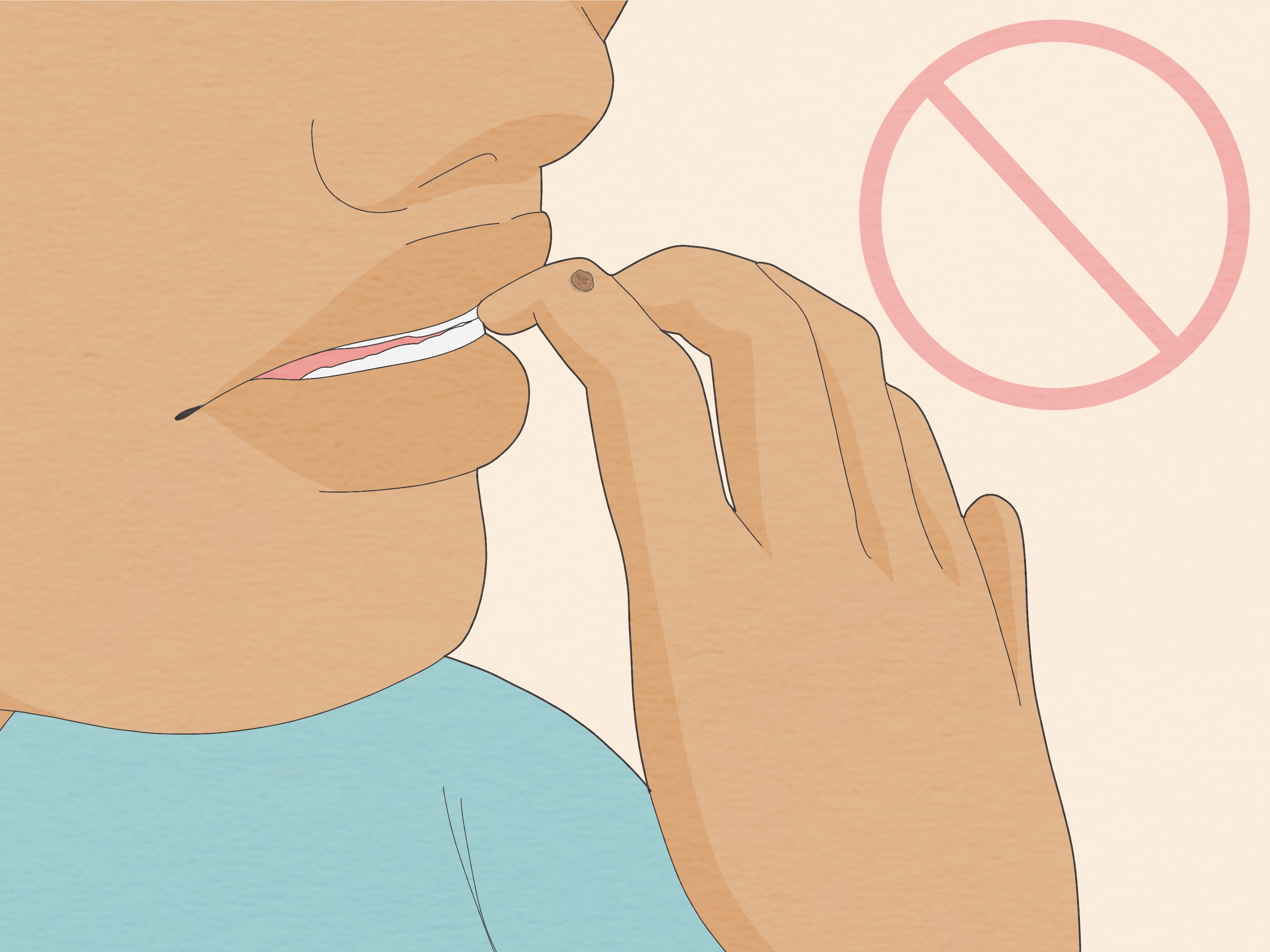
Do not use home wart treatments on your face, genitals, inside the mouth or nose, irritated skin, infected skin, moles, birthmarks, or growths with hair growing from them. People with diabetes, poor circulation, nerve damage, immune suppression, or uncertain skin growths should talk with a healthcare professional before using over-the-counter wart removers. When in doubt, let a dermatologist inspect the bump before you begin.
8 Safer Ways to Handle Wart Removal With Epsom Salts or Daffodils in Mind
1. Use Epsom Salt Only as a Soaking Aid, Not a Wart Cure
Epsom salt, also known as magnesium sulfate, is commonly used in warm baths and foot soaks. For wart care, its realistic role is simple: it may make the soaking step feel more pleasant and help soften thick skin around a common or plantar wart. Softened skin can be easier to file gently before applying a proven wart treatment.
To try this support step, dissolve a small amount of Epsom salt in warm water and soak the wart for about 5 to 10 minutes. The water should be warm, not hot enough to make your foot feel like soup. After soaking, dry the area thoroughly. Moisture helps viruses travel, so do not leave the skin damp and cozy.
This step does not kill HPV. It does not “draw out” the wart. It simply prepares the skin for the next part of treatment. Think of it as softening the battlefield, not winning the war.
2. Skip the Daffodil Sap Remedy Completely
Daffodils are beautiful in a vase and dramatic in a spring garden, but they are not safe wart medicine. Daffodil bulbs and sap contain irritating compounds, including calcium oxalate crystals and alkaloids. Skin contact can cause irritation or dermatitis, and ingestion can lead to poisoning symptoms. In other words, this flower is charming from a distance and rude up close.
Some folk traditions claim that daffodil sap can burn away warts. The problem is that burning or irritating the skin is not the same as safe treatment. Irritation can cause redness, blistering, pain, infection, or scarring. It may also make it harder to tell whether the original growth was actually a wart.
If you have daffodils at home, admire them. Photograph them. Write poetry about them if the mood strikes. Just do not crush them onto your skin as a wart remover.
3. Pair Warm Soaking With Gentle Filing
After soaking the wart in warm water, gently file away only the softened dead surface skin. Use a disposable emery board or a pumice stone reserved for that wart only. Do not use the same file on healthy skin, nails, or other body parts, because warts can spread.
The key word is “gently.” Filing should not cause bleeding. If you see blood, feel sharp pain, or create a raw surface, stop. A wart treatment routine is not a woodworking project. The goal is to thin the thick outer layer so medication can reach the wart more effectively.
For plantar warts, this step can be especially helpful because the pressure of walking pushes the wart inward and creates thick callused skin. Removing a small amount of dead skin over time may reduce pressure and improve treatment contact.
4. Use Salicylic Acid as the Main Over-the-Counter Treatment
Salicylic acid is one of the most widely recommended over-the-counter wart treatments. It works by gradually peeling away infected skin layers. It is available as liquids, gels, pads, patches, and medicated tapes. Many common wart products contain 17% salicylic acid, while some plantar wart products may use higher strengths.
A typical routine looks like this: soak the wart, gently file dead skin, dry the area, apply salicylic acid only to the wart, let it dry, and cover it if the product directions recommend doing so. Repeat as directed on the label. The process may take several weeks, and sometimes up to 12 weeks. Patience is not glamorous, but neither is a wart, so here we are.
Protect the surrounding healthy skin with a thin ring of petroleum jelly before applying liquid salicylic acid. This helps reduce irritation. Stop using the product and seek medical advice if the area becomes very painful, red, swollen, infected, or if the wart spreads rapidly.
5. Cover the Wart to Protect It and Reduce Spread
Covering a wart can help keep medication in place and reduce the chance of spreading HPV to other areas. Depending on the product, you may use a bandage, medicated pad, or patch. For feet, clean socks can also help reduce contact with shared surfaces.
Duct tape therapy has been discussed for years as a low-risk option, though evidence is mixed. Some people use duct tape after soaking and filing, either alone or as part of a salicylic acid routine. If you try it, do not wrap the tape so tightly that it causes pain, color changes, numbness, or skin breakdown. Skin needs boundaries, and so does tape.
Change coverings regularly and wash your hands after touching the wart. Avoid picking, scratching, or shaving over it. A wart that gets scraped open can spread more easily and may become irritated.
6. Keep the Area Dry, Clean, and Boring
Viruses enjoy drama. Do not give them any. Keep the wart area clean and dry between treatments. Wear sandals in locker rooms, public showers, pool decks, and other damp shared spaces. Do not share towels, socks, shoes, nail clippers, pumice stones, or files.
If the wart is on your foot, rotate shoes so they can dry between wears. Moist environments can make skin more vulnerable. If your feet sweat heavily, moisture-wicking socks may help. For hand warts, avoid biting nails or picking hangnails, because tiny skin breaks can invite the virus to move in like an uninvited cousin.
Good hygiene will not magically remove a wart overnight, but it can reduce spreading and reinfection. Wart removal works best when treatment and prevention travel together.
7. Give the Treatment Enough Time Before Declaring Defeat
One of the most common wart-removal mistakes is quitting too soon. Salicylic acid treatment often requires daily consistency for weeks. A wart may shrink slowly, flatten gradually, or peel layer by layer. Progress can be boring, but boring progress is still progress.
Take a photo once a week under the same lighting. This helps you notice small changes that are easy to miss day by day. Do not obsessively poke the wart every morning like you are checking bread dough. Treat it, protect it, and move on with your life.
If nothing changes after 8 to 12 weeks of correct treatment, or if the wart becomes painful, spreads, bleeds, changes color, or looks unusual, it is time to see a healthcare professional.
8. See a Dermatologist for Stubborn, Painful, or Suspicious Warts
Some warts are too stubborn for home care. Dermatologists can offer treatments such as cryotherapy with liquid nitrogen, stronger prescription medications, cantharidin, immunotherapy, laser treatment, or minor procedures. Professional treatment may be especially helpful for painful plantar warts, warts around nails, multiple warts, or warts that keep returning.
You should also seek medical care if you are not sure the growth is a wart. Skin cancer, corns, calluses, cysts, and other conditions can sometimes be mistaken for warts. A correct diagnosis matters more than winning a guessing game with your bathroom mirror.
For genital warts, do not use over-the-counter wart removers. Genital skin is sensitive, and treatment requires medical guidance. Products made for hands and feet can cause serious irritation in delicate areas.
Epsom Salt vs. Daffodils: What Works, What Does Not, and What Is Risky
Epsom salt may be reasonable as part of a warm soak before filing and applying salicylic acid. It is not the active wart remover. The active treatment is the salicylic acid or another medically recommended therapy. If Epsom salt irritates your skin, skip it and use plain warm water instead.
Daffodils, however, belong in the “do not use” category. The fact that a plant is natural does not make it gentle. Poison ivy is natural. So are cactus spines and mosquitoes, and nobody invites them to a spa day. Daffodil sap can irritate skin, and daffodil bulbs are dangerous if eaten. Using them as a wart remedy is not worth the risk.
Common Mistakes to Avoid During Wart Removal
Using Harsh Chemicals
Do not apply bleach, battery acid, strong household cleaners, or mystery internet mixtures to a wart. These can burn skin and cause scarring. A wart is annoying, but a chemical burn is worse.
Cutting the Wart at Home
Do not cut, dig, or carve out a wart. This can cause bleeding, infection, scarring, and spreading. If a wart needs procedural removal, let a trained professional handle it.
Treating the Wrong Skin Growth
If a bump is changing quickly, has irregular color, bleeds easily, grows hair, or does not look like a typical wart, get it checked. Treating a suspicious lesion as a wart can delay proper care.
Ignoring Pain or Infection
Redness, warmth, swelling, pus, red streaks, fever, or increasing pain are not normal “wart removal milestones.” They are signs to stop and contact a healthcare provider.
When Home Wart Removal May Be a Good Fit
Home treatment may be reasonable for a small, typical common wart on the hand or a plantar wart on the foot in an otherwise healthy person. The best candidates are people who can follow directions carefully, avoid picking, protect surrounding skin, and stay consistent for several weeks.
Home treatment is not ideal for infants, people with diabetes, people with poor circulation, people with immune system problems, or anyone with a wart in a sensitive location. It is also not ideal when the diagnosis is uncertain. A five-minute professional opinion can save months of frustration.
A Simple Evidence-Aware Wart Routine
Here is a practical routine that keeps the folk-remedy theme but stays grounded in safer care:
- Confirm the bump looks like a common or plantar wart.
- Soak it in warm water for 5 to 10 minutes. Add Epsom salt only if your skin tolerates it.
- Gently file softened dead skin with a disposable emery board.
- Dry the area completely.
- Protect nearby healthy skin with petroleum jelly.
- Apply salicylic acid exactly as directed on the product label.
- Cover the wart if instructed, and wash your hands afterward.
- Repeat consistently and seek care if it fails to improve.
Notice what is missing from the routine: daffodil sap. That is not an accident.
Real-Life Experience Notes: What Wart Removal Is Usually Like
People often expect wart removal to be quick, dramatic, and satisfying, like peeling a sticker off a new phone. In real life, it is usually slower and less cinematic. A common experience is that the wart looks unchanged for the first week, then starts to turn white, peel, or flatten after repeated salicylic acid applications. This can feel discouraging, especially when you are doing everything correctly and the wart still appears to be holding a tiny protest rally on your finger.
For plantar warts, the experience can be even more frustrating because walking presses the wart into the foot. Many people first notice a plantar wart because it feels like there is a small stone in the shoe, except the stone is somehow inside the skin. Soaking the foot before treatment can make filing easier, and some people find an Epsom salt soak relaxing after a long day. Still, the soak is comfort and preparation, not the cure. The real progress usually comes from consistent removal of dead skin and correct application of wart medication.
Another common experience is overenthusiasm. Someone sees a little peeling and thinks, “Great, I shall now file this into oblivion.” This is where trouble begins. Aggressive filing can create pain, bleeding, and a larger irritated area. Once the skin is raw, you often have to pause treatment and let it heal, which delays progress. Wart removal rewards the patient and mildly boring person. It does not reward the person trying to sand their foot like an old deck.
Parents treating children’s warts often face a different challenge: consistency. A child may tolerate the first night of soaking and applying medicine, then act on night two as if the treatment is a medieval ceremony. Keeping the routine short helps. Soak, dry, apply, cover, done. A reward chart may work better than a lecture about HPV. Also, children should not share towels or pick at warts, which is excellent advice and also nearly impossible to repeat too often.
Some people become interested in daffodil remedies because they heard a grandparent or neighbor mention them. These stories are part of folk medicine history, and they can be culturally interesting. But personal stories are not the same as safety evidence. If a daffodil remedy seemed to “work,” the wart may have gone away naturally, or the irritation may have damaged the surface temporarily. That does not make it a safe or reliable method. A flower that causes dermatitis is not a dermatologist.
The most reassuring experience is realizing that wart treatment does not have to be mysterious. Once you understand the pattern, the process becomes manageable: soften, gently thin, apply proven treatment, protect, repeat, and prevent spread. If the wart refuses to leave after a fair trial, you have not failed. Some warts are stubborn. Dermatologists see them every day and have stronger tools available. In the grand story of skin problems, asking for help is not defeat; it is calling in backup.
Conclusion: Keep the Salt, Skip the Flower, Trust the Science
Warts are common, contagious, and usually harmless, but they can be stubborn enough to test anyone’s patience. Epsom salt may have a small supporting role as part of a warm soak before filing and applying treatment, but it should not be treated as a cure. Daffodils should not be used on warts at all because their sap and bulbs can irritate skin and pose toxicity risks.
The safest at-home approach is simple: confirm the wart, soak with warm water, gently file dead skin, use salicylic acid as directed, protect the area, prevent spreading, and give the process time. If the wart is painful, unusual, spreading, located on sensitive skin, or not improving, see a healthcare professional. Your skin deserves better than risky garden experiments.