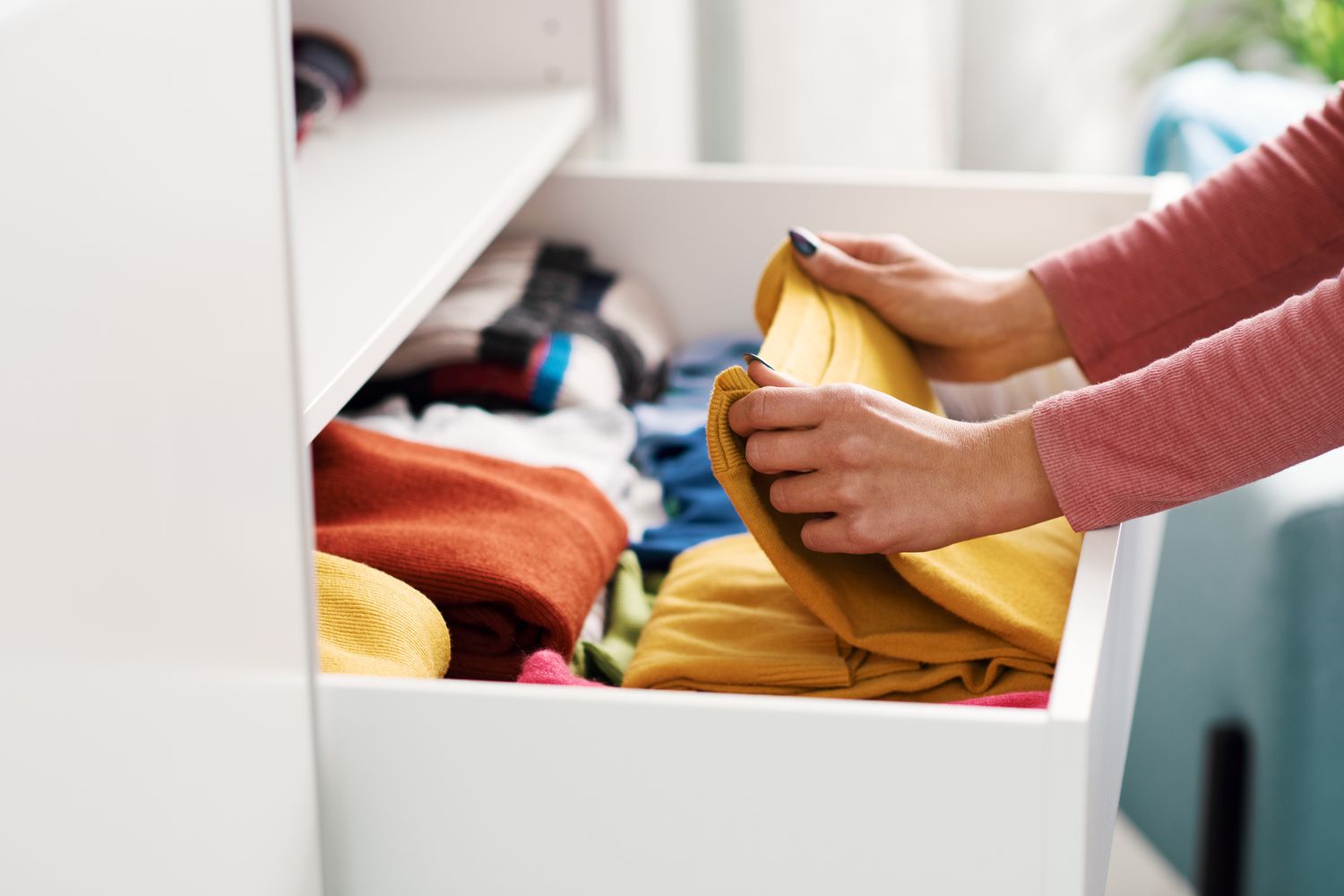
There is something about the week before fall that makes your bedroom suddenly feel suspicious. The chair in the corner is wearing three hoodies. The nightstand is running a side business as a paper archive. And somewhere under the bed, an old storage bin is quietly plotting against your peace of mind.
If you want your bedroom to feel calm, cozy, and even a little luxurious when the weather shifts, this is the moment for a smart purge. Not a dramatic, movie-montage cleanout where you fling half your life into the driveway. Just a practical bedroom decluttering session that removes the stuff making your sleep space look crowded, dusty, and oddly stressful.
The goal is simple: keep what helps your room function well, sleep better, and look like a human lives there on purpose. Toss, recycle, donate, or relocate the rest. Below are 12 things to toss from your bedroom before fall officially starts next week, plus exactly why each one deserves an exit speech.
Why a pre-fall bedroom reset makes so much sense
Fall naturally brings more time indoors, heavier bedding, extra layers, and a stronger urge to hibernate with dignity. That means your bedroom matters even more. A cluttered room can feel visually noisy, make cleaning harder, and turn simple routines, like getting dressed or putting away laundry, into tiny daily annoyances.
A seasonal edit also helps you deal with items that quietly pile up over summer: worn sheets, stray sandals, random chargers, old beauty products, stacks of reading material, and “I’ll deal with this later” clutter. In other words, this is less about minimalism and more about making your bedroom work better before cozy season fully clocks in.
12 things to toss from your bedroom before fall
1. Anything hiding under the bed that you forgot existed
Under-bed storage can be useful, but it can also become a witness protection program for stuff you do not actually need. Go through bins, bags, and loose mystery objects. If you have not used it in the last year and forgot it was there, that is a strong hint.
Toss obvious trash, donate usable items, and keep only what truly earns that prime hidden real estate, such as seasonal bedding or a clearly labeled storage box. Your vacuum will thank you. So will your future self when dust bunny season arrives.
2. Wire hangers and dry-cleaning bags
These are the mosquitoes of bedroom clutter: small, annoying, and somehow multiplying overnight. Wire hangers warp clothing, make closets look messy, and turn sleeves into abstract sculpture. Dry-cleaning bags hold visual clutter and serve very little purpose once the clothing is properly stored.
Swap in sturdy hangers that actually support your clothes. Then recycle or discard the wire and plastic. This is one of those tiny bedroom organization upgrades that instantly makes your closet look more grown-up.
3. Clothes that no longer fit your body, lifestyle, or patience
If your closet contains jeans from three identities ago, now is the time. Clothes that pinch, sag, scratch, or require an unreasonable level of optimism are not serving you. Neither are pieces you keep “just in case” but never reach for.
Sort into keep, donate, tailor, and toss. Be honest. If an item does not fit, is badly damaged, or makes you sigh like you are entering a tax audit, let it go. A bedroom feels calmer when your closet is filled with things you can actually wear.
4. Shoes and accessories you forgot you owned
Bedrooms often become backup closets for shoes, bags, belts, hats, and jewelry. The problem is not owning these items. The problem is letting them spill across open shelves, floors, and corners like a stylish but disorganized parade.
Keep the pairs you wear, the bag you love, and the accessories that still feel like you. Donate the heels that double as torture devices, the scuffed boots you never repair, and the necklace you keep detangling out of guilt.
5. Paper piles, receipts, and random mail
Your bedroom is not a branch office. If your nightstand, dresser, or bench is covered in paperwork, junk mail, sticky notes, receipts, and instruction manuals for gadgets you no longer own, it is time for a paper cleanse.
Shred sensitive documents, recycle what is no longer needed, and move important papers to a designated filing area outside the bedroom. Even a beautiful room starts to feel stressed when it is moonlighting as an inbox.
6. Books, magazines, and bedside reading guilt
There is a difference between a thoughtfully curated bedside stack and a tiny literary landslide. Keep the book you are reading, the journal you actually use, and maybe one or two favorites. Release the rest from bedside purgatory.
Old magazines, unfinished books you are never going back to, and dusty paperbacks can move to donation, recycling, or another room. Your nightstand should support rest, not silently judge your unread intentions.
7. Old pillows that have given up on life
Pillows do not last forever, no matter how emotionally attached you are to that one flat veteran from college. If your pillow is lumpy, stained, floppy, or smells less than fresh even after washing, it is beyond retirement age.
Good bedding matters more in fall, when you are spending more time curled up indoors. A supportive, clean pillow can make a real difference in comfort. If it folds like a taco and never springs back, it is not sentimental. It is done.
8. Worn sheets, scratchy blankets, and extra decorative pillows
Fall is when bedding suddenly becomes the star of the room, so be selective. Toss or repurpose sheets that are thinning, pilling, torn, permanently stained, or just plain sad. The same goes for blankets that feel rough or never get used.
And then there are decorative pillows. A couple can add texture and style. Nine can make your bed look like it requires a loading dock every night. Keep the ones you love and remove the extras that make bedtime feel like stage setup.
9. Empty shoe boxes and leftover product packaging
Some people save boxes “just in case.” Those people often end up storing air. Unless the box is needed for resale, returns, or truly specialized storage, it is just bulky cardboard taking up valuable closet space.
Break down and recycle empty boxes, packaging inserts, and mystery lids with no known purpose. This is easy clutter to eliminate, and it creates immediate breathing room in a bedroom closet.
10. Random cords, outdated chargers, and dead tech
If you own a charger for a phone you stopped using during a completely different hairstyle era, it is probably safe to move on. Bedrooms collect tech clutter fast: extra cables, mystery adapters, dead earbuds, old remotes, and devices that no longer hold a charge.
Keep only current, labeled essentials. Recycle electronics responsibly through local e-waste options. This single step can clear an entire drawer and remove that annoying nest of wires from your dresser.
11. Unused exercise equipment and “the chair”
Every bedroom has a clutter magnet. Sometimes it is a treadmill. Sometimes it is a decorative bench. Sometimes it is The Chair, a loyal servant devoted entirely to holding clothes that are neither clean nor truly dirty.
If you are not using bulky exercise gear in the bedroom, relocate, sell, or donate it. And if a chair has become a fabric mountain, fix the system behind it. Add a hamper, hooks, or a basket for rewear items. Furniture should not exist solely to catch your procrastination.
12. Expired medicine, old makeup, and half-used beauty products
This category deserves zero sentimentality. Check nightstands, dressers, vanity drawers, and baskets for expired medications, dried mascara, old eyeliner, crusty lotion, questionable sunscreen, and products you stopped using months ago.
Expired medicine should not be used, and medications should be stored according to their labeled conditions, generally away from excess heat and humidity. Old cosmetics can also become a hygiene issue, especially around the eyes. Keep what is current, safe, and actually used. Dispose of medicine through take-back options when possible, and toss expired or clearly degraded beauty products without ceremony.
How to decide what stays
When you are stuck, ask three questions: Do I use it? Does it support rest or routine? Would I buy it again today? If the answer is no across the board, that item is probably just renting space in your bedroom without paying utilities.
A good bedroom should make it easier to sleep, get dressed, and feel settled. It does not need to look bare. It just needs to stop acting like a storage unit with pillowcases.
A real-life bedroom reset: what the experience often feels like
One of the most relatable experiences with a pre-fall bedroom purge is that it almost never starts dramatically. It usually starts with one small moment of annoyance. You trip over shoes on the floor. You knock over a half-empty water glass while reaching for your alarm. You open a drawer for lip balm and find three tangled charging cables, an expired prescription, two hotel pens, and a single earring that has apparently chosen independence.
Then you begin with one surface. Maybe the nightstand. Maybe the chair. Maybe the under-bed bin you have been pretending is “organized storage” when it is actually a time capsule of poor decisions. At first, the room looks worse. That is part of the deal. There is always a point in the middle where you think, fascinating, I have made my bedroom look like a clearance aisle. But if you keep going, the shift is immediate.
People often notice the first difference not in how the room looks, but in how it feels. The air seems lighter. Dusting gets easier because you are not cleaning around twenty-seven tiny objects. Making the bed stops being a cardio session because there are fewer decorative pillows to launch across the room every night. Laundry becomes less irritating because your closet is no longer packed with things you do not wear, so clean clothes actually fit where they belong.
There is also a strange emotional effect that shows up after the purge. You stop feeling nagged by the room. That pile of papers on the dresser is no longer whispering, “You are behind.” The stack of books is no longer silently accusing you of not finishing literary masterpieces after 10 p.m. The old sports bra you hate is finally gone, and somehow that improves your entire morning.
For many people, the best part of a bedroom declutter is how it changes seasonal habits. When fall begins, you can pull out a cozy blanket without shoving aside summer clutter. You can find your slippers. You can rotate in cooler-weather pajamas without wrestling a drawer full of stretched-out T-shirts. If your bedroom includes a small vanity or beauty station, you may also realize that getting rid of expired products makes your daily routine faster. There is less rummaging, less second-guessing, and less chance of putting something sketchy near your eyes just because it was expensive.
Another common experience is rediscovering useful space. The top of the dresser becomes visible again. The floor looks bigger. The closet rod stops groaning like it has witnessed too much. Sometimes people even find things they thought were gone forever, such as a favorite scarf, a missing charger, or the mate to that lonely earring. Apparently, decluttering is part cleaning method, part archaeological dig.
Most of all, the experience tends to remind people that comfort is not just about adding soft blankets and candles. It is also about removing what gets in the way. A bedroom feels cozier in fall when it is not overcrowded, dusty, or full of items that no longer match your life. That is the real win. Not perfection. Not influencer-level styling. Just a room that lets you exhale when you walk in, which is honestly a pretty fantastic thing to bring into a new season.
Final thoughts
If you want a calmer bedroom before fall officially starts next week, do not overcomplicate it. Start with what is clearly expired, broken, worn out, unused, or obviously in the wrong room. Then edit the extras that make the space feel tighter than it needs to be.
The best bedroom decluttering tips are not flashy. They are practical. Toss the dead weight, keep the comfort, and make room for the season you are about to live in. Your bedroom should feel like a place to rest, not a place where miscellaneous objects come to pursue long-term residency.