In a world where a lamp can be ordered during breakfast and arrive before dinner, slow design feels almost rebellious. It does not shout, “Add to cart before midnight!” It whispers, “Maybe live with your room for a while. Maybe buy the bowl that took real hands, real skill, and real time.” That is the spirit behind Obakki, a purpose-led housewares and lifestyle brand known for handcrafted, small-batch home decor made in partnership with global artisans.
Obakki’s appeal is not just that its ceramics, baskets, textiles, carved bowls, candles, and decorative objects look beautiful on a shelf. Many things look beautiful on a shelf, including a perfectly ripe avocado for approximately four minutes. What makes Obakki different is the story behind the object: who made it, what material shaped it, what tradition it carries, and how the purchase supports a larger ecosystem of ethical production, responsible sourcing, and community investment.
Slow design is not about decorating at turtle speed while apologizing to your empty coffee table. It is about choosing fewer, better, more meaningful things. It values natural materials, artisan craft, cultural heritage, fair wages, longevity, and emotional connection. In that sense, Obakki is less about filling a home and more about giving a home a pulse.
What Is Slow Design?
Slow design is an intentional approach to making and buying. It asks different questions from fast decor. Instead of “How cheap is it?” or “Can I get it by Thursday?” slow design asks, “Who made this? What is it made from? Will I still love it in ten years? Does its production respect people and the planet?”
For housewares, slow design often means handmade or hand-finished pieces, limited production runs, local or responsibly sourced materials, and techniques passed down through generations. A woven basket may depend on harvest cycles. A clay vessel may require drying, firing, polishing, and patience. A carved wooden bowl may carry the marks of one artisan’s tools rather than the identical perfection of a machine.
That is the charm. Slow design leaves room for variation. A handmade ceramic cup may not be perfectly symmetrical, which is exactly why it feels human. Mass production tries to erase the maker. Slow design invites the maker to stay.
Obakki: A Purpose-Led Homewares Brand with a Human Center
Obakki describes itself as a purpose-led lifestyle brand connecting people through modern design. Its homewares are created in partnership with artisans around the world, with an emphasis on ethical production, responsible materials, and long-term relationships. The brand was founded by designer and humanitarian Treana Peake, whose work combines retail, design, and philanthropy.
Rather than treating artisans as anonymous suppliers, Obakki highlights them as partners. That difference matters. In many global craft traditions, the value of an object is inseparable from the person who made it. A basket is not just storage. A rug is not just something your dog will eventually claim as a throne. A bowl is not just a landing pad for lemons. These pieces carry technique, place, memory, and livelihood.
Obakki’s collections have included handmade ceramics, woven baskets, textiles, carved wooden pieces, glassware, candles, kitchen objects, and decorative accents. The brand has worked with artisan communities across countries and regions known for craft traditions, including pottery, weaving, basket-making, woodcarving, metalwork, and natural dyeing. The result is home decor that feels global without feeling generic.
Why Small-Batch Housewares Matter
Small-batch housewares are produced in limited quantities rather than huge factory runs. That can make them harder to restock, but it also helps preserve the integrity of craft. When production stays small, artisans can work with greater control, materials can be chosen more carefully, and the final object is less likely to become another disposable trend.
Small-batch production also encourages shoppers to slow down. When every item is not infinitely available, buying becomes more thoughtful. You do not grab six versions of the same vase because an algorithm said “only three left.” You choose the one that fits your home, your routines, and your values.
In practical terms, small-batch housewares can also support better quality. Handmade ceramics often feel weightier and more tactile than mass-produced alternatives. Woven baskets made from natural fibers can be durable, repairable, and biodegradable. Hand-carved bowls can age with character rather than looking tired after one season of countertop duty.
The Materials Tell the Story
One reason Obakki’s work aligns with slow design is its attention to material origin. Clay, stone, wood, plant fibers, cotton, wool, and natural dyes do not behave like synthetic, uniform substances. They vary. They respond to climate, terrain, touch, and technique. That variability gives handmade housewares their quiet personality.
For example, Oaxacan clay pieces reflect a long pottery heritage, where hand-shaped forms and traditional firing methods create depth, texture, and individuality. Woven baskets made from sisal or other natural fibers show the rhythm of the maker’s hands. Hand-carved wood bowls preserve the relationship between tree, tool, and craftsperson.
These materials are not just aesthetic choices. They influence longevity, repairability, environmental impact, and the way an object feels in daily use. A natural-fiber basket does not need to pretend it is luxurious. It simply does its job beautifully, like the calm friend who brings snacks and never makes a dramatic entrance.
Ethical Production Beyond the Buzzwords
Terms like “ethical,” “sustainable,” and “eco-friendly” are everywhere now. Unfortunately, they are sometimes used the way glitter is used in school projects: generously, messily, and with consequences. Real ethical production requires more than pretty language. It requires transparency, fair pay, responsible sourcing, safe working relationships, and long-term support for maker communities.
Obakki’s model emphasizes direct relationships with artisans, fair wages, low-impact production methods, responsible materials, and community investment. That matters because the home decor industry has often borrowed from global craft traditions without always giving proper credit, compensation, or control to the people who created those traditions.
Ethical slow design should not turn artisans into marketing props. It should create meaningful economic opportunity while respecting cultural independence and creative authority. The best small-batch housewares do not say, “Look how worldly I am.” They say, “Someone made this with skill, and that skill deserves respect.”
The Obakki Foundation Connection
Obakki’s purpose-led identity is closely tied to the Obakki Foundation, which supports community-led projects focused on areas such as clean water, education, livelihood initiatives, health, and artisan programs. The foundation reports impact through artisan partnerships, clean water access, and educational support, reinforcing the idea that design can connect to practical change.
This is where Obakki’s model becomes more than a decor story. A handwoven basket may support a maker’s income. A ceramics partnership may help preserve a local technique. A foundation-backed initiative may help address infrastructure needs in the same communities where artisan relationships are built. The object on the table becomes part of a larger chain of value.
Of course, buying a bowl is not the same as solving global inequality. A bowl cannot fix everything. It is a bowl, not a tiny ceramic superhero in a cape. But intentional purchasing can support better systems when brands build those systems honestly. Obakki’s appeal lies in making that connection visible.
Slow Decorating: How Obakki Fits the Modern Home
Slow decorating is the home-design cousin of slow fashion. It encourages people to curate their spaces over time rather than rushing to finish every room with disposable pieces. This approach is especially useful for anyone who has ever moved into a new place and panic-bought furniture at 1 a.m. while whispering, “This bookshelf will define me.”
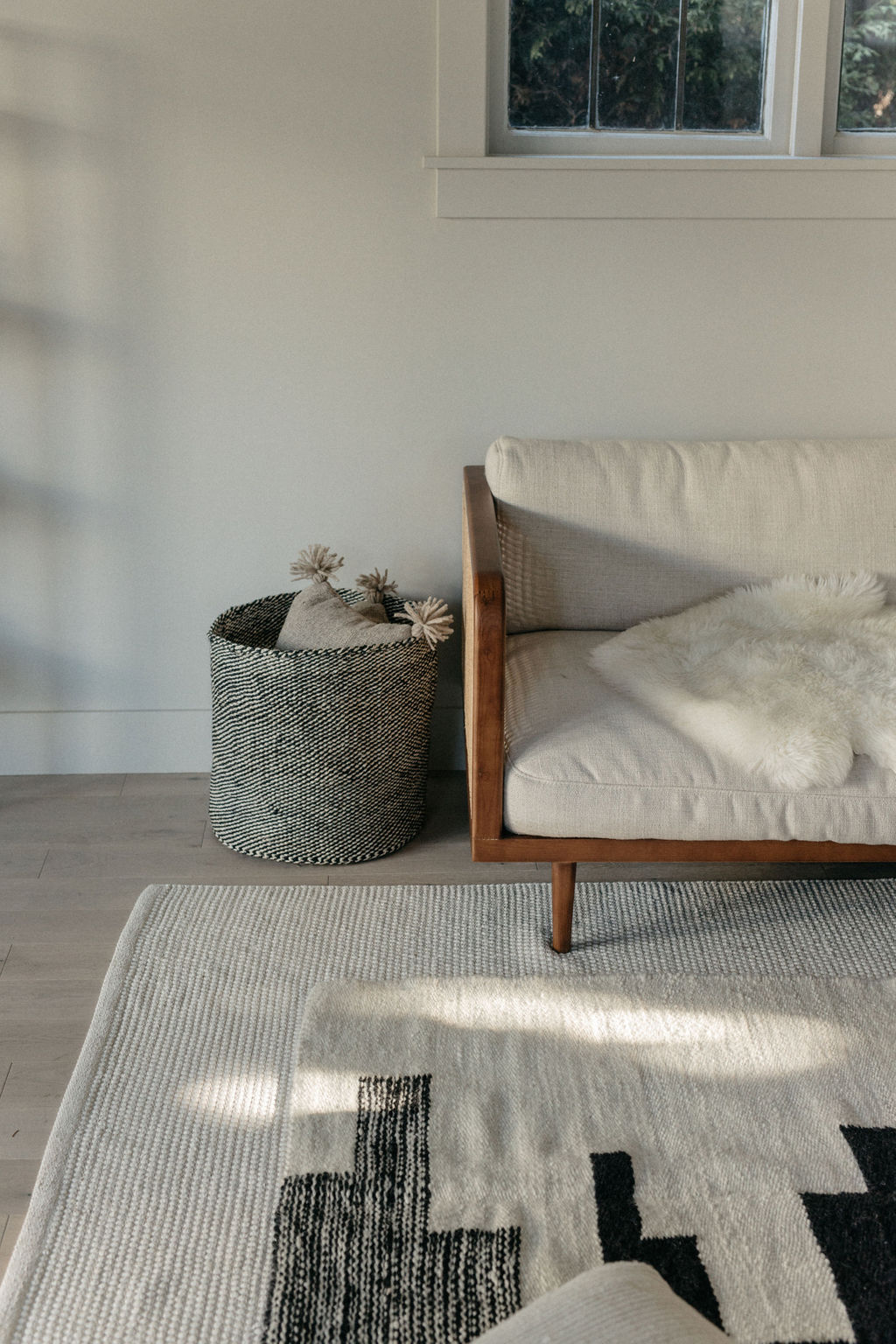
Obakki’s housewares fit slow decorating because they work well as layered, meaningful accents. A handwoven basket can soften a modern living room. A clay vessel can add warmth to a minimalist kitchen. A hand-carved bowl can bring organic texture to a dining table. A naturally dyed textile can make a bedroom feel collected rather than staged.
The key is not to make a room look like a catalog. It is to create a space that feels lived in, personal, and grounded. Obakki pieces often have enough character to stand alone, but they also play nicely with vintage finds, inherited furniture, modern lines, and everyday objects. Slow design does not demand perfection. It appreciates harmony.
Specific Examples of Purpose-Led Housewares
Handmade Ceramics
Obakki’s ceramic pieces often highlight regional traditions, earthy colors, and tactile surfaces. Handmade ceramics are ideal for slow design because they turn ordinary rituals into sensory experiences. Drinking coffee from a handmade mug feels different from drinking it from a promotional cup that says “Conference 2017.” One has soul. The other has questionable memories.
Woven Baskets
Baskets are among the most practical slow-design objects. They store blankets, toys, towels, magazines, and the mysterious pile of cords nobody can identify but everyone is afraid to throw away. When woven by artisans using natural materials, baskets combine utility with craft. They are decorative without being fussy and functional without being boring.
Carved Wooden Bowls
Hand-carved bowls bring warmth and sculptural beauty to the home. They can hold fruit, serve dry snacks, or simply sit on a table looking effortlessly elegant. A carved bowl does not need to scream for attention. It just quietly improves the room, like good lighting or someone who knows when to stop talking during a movie.
Textiles and Rugs
Textiles are powerful because they change how a room feels physically and emotionally. Woven rugs, throws, pillows, and cloth accents introduce softness, pattern, and cultural depth. When made in small batches with traditional methods, they also preserve techniques that might otherwise be flattened by mass-market trends.
How to Shop Slow Design Without Overthinking Everything
Slow design should feel grounding, not paralyzing. You do not need to interview a vase under a spotlight before buying it. Start with a few simple questions: Do I need it? Do I love it? Do I understand who made it or how it was made? Is it built to last? Does it work with my real life, including pets, kids, roommates, dust, snacks, and the occasional indoor chaos?
Look for brands that clearly explain materials, production methods, artisan partnerships, and social impact. Be cautious with vague claims that sound impressive but say very little. “Conscious,” “green,” and “earth-friendly” are only useful when backed by specifics. Responsible companies make it easier for customers to understand what those claims actually mean.
With Obakki, the draw is the combination of design and documentation. The brand does not merely present objects as pretty things. It connects them to makers, places, and processes. That kind of transparency helps shoppers make more informed choices.
The Beauty of Imperfection
One of the best things about slow design is that it frees us from the tyranny of perfect sameness. A handmade object may have slight variations in shape, color, texture, or finish. Those differences are not flaws. They are fingerprints of process.
In a home, these imperfections create warmth. A slightly uneven glaze catches light differently. A basket’s woven pattern reveals tension and rhythm. A carved bowl shows the path of a tool. These details give the eye somewhere to rest. They remind us that a home is not a showroom. It is a living place, full of meals, laundry, conversations, misplaced keys, and hopefully at least one very comfortable chair.
Why Obakki Feels Relevant Now
Obakki’s approach feels especially relevant because many shoppers are tired of fast everything. Fast furniture breaks. Fast trends expire. Fast decor often creates the illusion of personality while quietly filling closets, storage units, and landfills. Slow design offers an antidote: buy less, choose better, keep longer.
At the same time, consumers are becoming more aware of greenwashing. They want sustainability claims that can be understood, not just admired. Obakki’s focus on artisan relationships, responsible materials, traceability, and foundation-supported impact gives its housewares a clearer purpose than surface-level trendiness.
That does not mean every item must be handmade or expensive. A realistic slow-design home can include vintage pieces, family hand-me-downs, practical basics, and a few meaningful artisan-made objects. The goal is not purity. The goal is intention.
Experiences Related to Slow Design and Obakki-Inspired Living
The first experience many people have with slow design is not dramatic. There is no thunderclap, no choir, no artisan basket descending from the ceiling like a sustainable chandelier. It often starts with frustration: a wobbly side table, a chipped mass-produced plate, a trendy lamp that suddenly looks dated, or a room that feels finished but not personal.
Then comes the shift. Instead of buying another quick replacement, you pause. You notice what the room actually needs. Maybe the living room does not need more decor. Maybe it needs texture. Maybe the kitchen does not need another gadget. Maybe it needs a beautiful handmade bowl that makes fruit look intentional instead of abandoned. Maybe the entryway needs a woven basket that can hold shoes, scarves, or the emotional weight of Monday mornings.
Using slow-design housewares changes the rhythm of daily life in small ways. A handmade mug can make morning coffee feel less automatic. A natural-fiber basket can make tidying feel less like punishment and more like restoration. A ceramic vase can encourage you to bring in branches, flowers, or even a few dramatic weeds from the yard and call it “foraged styling.” Very fancy. Very free.
Obakki-inspired decorating also encourages storytelling. When guests ask about a piece, the answer is not simply, “I got it online.” It becomes, “This was handmade by artisans,” or “This material comes from a traditional craft process,” or “This brand supports community-led projects.” The object becomes a conversation, not just an accessory.
There is also a budgeting lesson hidden inside slow design. Buying fewer, better things can feel expensive at first, but it often reduces the cycle of constant replacing. Instead of buying five cheap baskets that collapse like overcooked noodles, you buy one well-made basket that stays useful and beautiful for years. Instead of chasing every seasonal trend, you build a home with pieces that can adapt.
Another experience is learning to accept patience. Small-batch items may sell out. Handmade pieces may vary. Shipping may not feel instant. But that waiting can create appreciation. When the piece arrives, it does not feel like another box in the pile. It feels chosen.
The most meaningful slow-design experience is emotional. A home filled with intentional objects feels different. It does not need to be perfect, expensive, or magazine-ready. It feels layered. It feels calm. It reflects values as much as taste. Obakki’s purpose-led housewares fit this experience because they help connect daily rituals with craft, culture, and care.
In the end, slow design teaches a simple lesson: your home does not have to be completed overnight. It can grow. It can collect stories. It can hold objects made by real hands. And yes, it can still have a junk drawer. Slow design is powerful, but even slow design knows not to challenge the junk drawer. That drawer has ancient magic.
Conclusion: A Home with Meaning, Not Just More Stuff
Slow Design: Purpose-Led, Small-Batch Housewares from Obakki is more than a stylish phrase. It is a better way to think about the objects we invite into our homes. Obakki’s handcrafted ceramics, woven baskets, carved wood pieces, textiles, and decorative accents show how design can be beautiful, useful, ethical, and human at the same time.
By working with artisan partners, emphasizing responsible sourcing, supporting small-batch production, and connecting retail with foundation-backed impact, Obakki offers an alternative to disposable decor. It reminds us that the best housewares do not simply match the sofa. They carry origin, purpose, and care.
A slower home is not an empty home. It is a more thoughtful one. It is built piece by piece, story by story, with objects that deserve to stay. And honestly, in a world full of fast trends, a bowl with a backstory sounds pretty refreshing.
Note: This original SEO article is written in standard American English and synthesizes real information from reputable sources about Obakki, slow design, artisan-made housewares, sustainable materials, fair trade principles, and ethical home decor.