Note: This is an original, publication-ready article written in standard American English, based on verified public information about Ry-Spirit, webcomics, digital art culture, and online visual storytelling.
Some comics need dragons, laser beams, a morally complicated villain, and a plot map big enough to wallpaper a small apartment. Then there are comics by Ry-Spirit, which often need only a clean drawing, a familiar situation, and one perfectly timed punchline to make readers snort into their coffee. That is the charm behind 17 Simple Yet Clever Comics By Ry-Spirit: the humor feels easy, but the craft is anything but lazy.
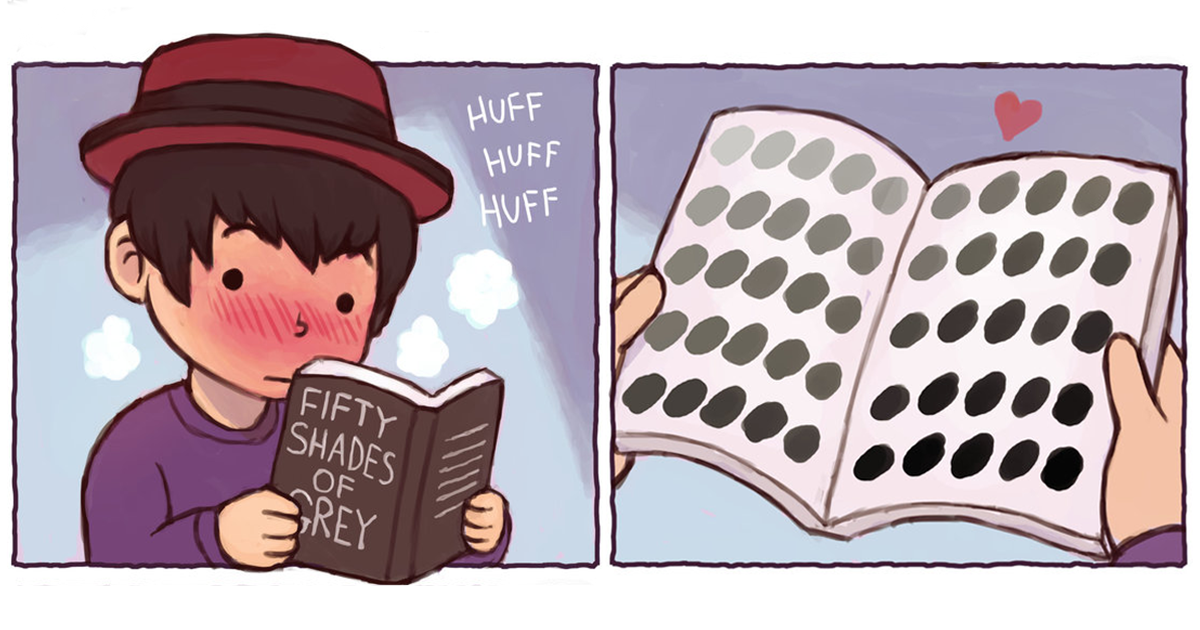
Ry-Spirit, the online name of artist Ryan Shiu, is known for colorful digital illustrations, pop-culture jokes, and webcomics that turn everyday ideas into tiny comedy grenades. The original Bored Panda roundup introduced readers to a batch of his simple yet clever comics, highlighting jokes inspired by topics like Pokémon Go, “Fifty Shades of Grey,” awkward social moments, and funny life hacks. In other words, Ry-Spirit draws the kind of humor that lives rent-free in your brain because it feels like something you almost thought of firstexcept he actually made it funny.
Who Is Ry-Spirit?
Ry-Spirit is a Sydney-based digital artist and illustrator whose work has spread across art communities, social platforms, and fan spaces. His creative identity sits at a fun intersection: part cartoonist, part fan artist, part meme translator, and part person who clearly has too many good ideas while doing ordinary things like walking, eating, or accidentally remembering the internet exists.
One reason his comics work so well is that they rarely feel overbuilt. The visual style is approachable, bright, and expressive. Characters usually carry emotions in broad, readable faces: confusion, panic, joy, disappointment, smugness, and the very specific look of someone who has realized the universe is playing a practical joke on them. That makes each comic easy to understand within seconds, which is exactly what online readers love. Nobody opens a webcomic hoping to file a tax extension before reaching the punchline.
Why These 17 Comics Still Feel Clever
The phrase “simple yet clever” is not just polite internet praise. It describes the mechanics of Ry-Spirit’s humor. His comics often begin with a recognizable premise: a game everyone is playing, a movie everyone is joking about, a social mistake, a childhood memory, or a silly “what if?” Then he tilts that premise slightly until it becomes absurd.
That tiny tilt is the magic. A good Ry-Spirit comic does not always rely on long dialogue or complicated world-building. Instead, it uses visual setup, timing, and contrast. The joke might come from taking a phrase literally, combining unrelated fandoms, exposing the weird logic behind everyday behavior, or exaggerating a small inconvenience until it becomes an epic crisis. It is the comic equivalent of looking at a spoon and saying, “But what if this spoon had emotional baggage?”
1. The Humor Is Fast Without Feeling Thin
Online comics must earn attention quickly. Ry-Spirit’s work understands that. Many of his jokes can be grasped at a glance, but they still reward a second look. A background expression, a tiny prop, or a character’s exaggerated reaction may carry half the joke. This is especially effective for readers scrolling on phones, where a comic has only a few seconds to say, “Wait, come back, I’m funny.”
2. The Ideas Are Relatable but Not Boring
Relatable humor can become stale when it simply says, “Mondays are bad” or “coffee is life.” Ry-Spirit avoids that trap by adding a twist. His comics may start with a familiar feeling, but they usually end somewhere stranger. That combination makes the humor accessible without being predictable.
3. The Art Style Does Emotional Heavy Lifting
In webcomics, an eyebrow can be a paragraph. Ry-Spirit uses facial expressions and body language to communicate quickly. Panic looks panicky. Excitement looks like it might require adult supervision. Confusion practically has its own zip code. This makes the comics easy to enjoy even before readers fully process the words.
The Pop-Culture Power of Ry-Spirit’s Comics
One standout feature of Ry-Spirit’s work is his comfort with pop culture. He has made art and jokes that draw from games, movies, anime, cartoons, and internet trends. The Bored Panda roundup specifically points to references like Pokémon Go and Fifty Shades of Grey, which shows how his comics often respond to the cultural moment.
This matters because webcomics thrive when they feel timely. A comic about a viral game or popular movie can become a shared wink between creator and audience. Readers do not need a lecture; they need the feeling that someone else noticed the same ridiculous thing they did. Ry-Spirit’s comics often provide that feeling, then add a little cartoon chaos on top like decorative sprinkles.
Fan Art Meets Comedy
Ry-Spirit’s broader portfolio includes fan-inspired artwork, mashups, and character-driven illustrations. That background strengthens his comics because he understands how people emotionally connect with fictional characters. When a comic references a game, film, or fandom, it does not feel like a brand checklist. It feels like a fan talking to other fans, which is the internet’s native language, right after sarcasm and accidentally opening too many tabs.
How Ry-Spirit Makes Simple Comics Feel Smart
Smart comedy does not always mean complicated comedy. In fact, the smartest comic strips often hide the machinery. Ry-Spirit’s work tends to look effortless because the setup is clean, the pacing is clear, and the punchline lands before the reader has time to overthink it. That is harder than it looks.
Visual Economy
Visual economy means using only what the joke needs. A cluttered comic can distract from the punchline. Ry-Spirit often keeps the focus on characters, expressions, and the central gag. This makes the reader’s path through the comic smooth: see the situation, understand the conflict, enjoy the twist, laugh, repeat.
Exaggeration With Control
Exaggeration is one of the oldest tools in cartooning. Ry-Spirit uses it without letting it become noise. A small social error can become a dramatic catastrophe. A silly idea can become a full visual joke. A familiar character can be pushed into an unexpected situation. The exaggeration is big enough to be funny but controlled enough to stay readable.
Timing That Feels Natural
Comic timing depends on the space between panels, the order of reveals, and the final beat. Ry-Spirit’s jokes often land because the final panel changes the meaning of what came before it. That is the classic little trapdoor of comedy: the reader thinks they are walking across a normal floor, then suddenly they are in the basement with a punchline.
The “Life of Ry” Connection
Ry-Spirit has also shared comics under the idea of Life of Ry, an exaggerated version of his life. That detail is important because it shows how personal observation feeds his humor. Many artists create their best work by turning daily randomness into small stories. Ry-Spirit’s comics often feel like jokes that escaped from real life wearing cartoon shoes.
That personal angle gives the work warmth. Even when the joke is silly, there is often a human feeling underneath it: awkwardness, curiosity, nostalgia, embarrassment, impatience, or the strange joy of noticing something dumb and refusing to let it go. Good comics often begin with the sentence, “Wouldn’t it be funny if…” Ry-Spirit appears to live near that sentence full-time.
Why Webcomic Fans Love Short, Clever Comics
Short webcomics are perfect for modern reading habits. They fit into a lunch break, a bus ride, a waiting room, or the three minutes before bed when a person says, “Just one more scroll,” and then somehow learns what a raccoon would look like as a medieval knight. Compact comics are easy to share because they deliver a complete experience quickly.
Ry-Spirit’s comics match this environment well. They are colorful, clear, and built around instantly understandable jokes. They can be enjoyed by casual readers who know nothing about art theory and by comic fans who appreciate the craft behind pacing, expression, and panel structure.
They Work on Social Media
On platforms like Instagram, Facebook, and art communities, a comic must compete with vacation photos, celebrity drama, recipes, ads, and someone’s dog wearing sunglasses. Ry-Spirit’s style cuts through because it is visually friendly and emotionally direct. Bright art and clean jokes stop the scroll better than a wall of text saying, “Please laugh now.”
They Invite Sharing
People share comics when the joke feels like it belongs to a group experience. A gaming joke goes to gamer friends. A relationship joke goes to the group chat. A life-hack parody goes to the person who once tried to fix everything with duct tape and misplaced confidence. Ry-Spirit’s comics often have that “send this to someone” quality.
Specific Examples of Ry-Spirit’s Comic Appeal
While the exact comics in the 17-piece roundup vary in subject, the appeal can be grouped into a few clear types. First, there are pop-culture comics that remix familiar titles or trends. These jokes work because the reader brings background knowledge to the punchline. Second, there are everyday-life comics that exaggerate small experiences. These work because the reader recognizes the feeling. Third, there are absurd “what if” comics, where the humor comes from treating a ridiculous idea as perfectly normal.
For example, a comic inspired by a wildly popular game like Pokémon Go can use the reader’s familiarity with catching creatures, walking around, and obsessing over virtual rewards. A joke connected to a famous movie or book title can work by twisting expectations. A life-hack comic can poke fun at the internet’s habit of turning every tiny problem into a “genius trick” that may or may not require a glue gun and questionable judgment.
What Creators Can Learn From Ry-Spirit
Ry-Spirit’s comics are not just entertaining; they are useful case studies for artists, bloggers, and social media creators. The biggest lesson is that a strong idea beats unnecessary complexity. You do not need a massive cast or a cinematic universe to make a memorable comic. You need a clear setup, a recognizable emotion, and a punchline that surprises without confusing.
Start With a Small Observation
Many clever comics begin with ordinary moments. A misunderstanding. A trend. A phrase that sounds weird when taken literally. A character reacting too strongly to something small. Ry-Spirit’s work shows that simple observations can become strong jokes when filtered through imagination.
Keep the Reader Oriented
A comic can be weird, but it should not be unreadable. Ry-Spirit’s visual clarity helps readers follow the joke. New comic artists can learn from that: make the scene easy to understand before asking the audience to laugh at the twist.
Use Expressions Like Dialogue
Sometimes the funniest line is not a line at all. It is a face. A stare. A tiny pause. A character looking directly at the reader as if to say, “We both know this went badly.” Ry-Spirit’s expressive cartooning proves that emotion can carry a joke as much as text does.
Why the Title “17 Simple Yet Clever Comics By Ry-Spirit” Works for SEO
From an SEO perspective, the title is strong because it includes a number, a descriptive promise, and the artist’s name. Readers know exactly what they are getting: a curated list of comics that are easy to enjoy and smart enough to feel worth clicking. Search engines also benefit from the clear keyword focus: “Ry-Spirit comics,” “clever comics,” “simple comics,” and “webcomics.”
The title also has emotional appeal. “Simple yet clever” suggests low effort for the reader and high reward for the brain. It is basically saying, “Come in, relax, and feel smart while laughing.” That is a pretty good deal, especially compared with most things on the internet, which ask for your email address before showing you a cookie recipe.
The Lasting Charm of Ry-Spirit’s Humor
The internet changes quickly. Trends rise, explode, become reaction GIFs, and vanish into the digital attic. Yet Ry-Spirit’s comics remain enjoyable because they are built on more than trend-chasing. They use timing, expression, and relatable absurdity. Even when a joke references a specific pop-culture moment, the structure still works because the emotional logic is clear.
That is the difference between a disposable gag and a comic worth revisiting. Ry-Spirit’s best comics do not merely say, “Remember this thing?” They say, “Remember this thing, and also here is a ridiculous angle you did not expect.” That extra angle is where the cleverness lives.
Experience Section: Reading Ry-Spirit’s Comics as a Tiny Vacation for the Brain
There is a particular joy in finding a comic that does not demand a grand emotional commitment. You do not need to know six seasons of lore, memorize character bloodlines, or understand why a glowing sword is actually a metaphor for tax policy. With Ry-Spirit’s simple yet clever comics, the experience is closer to opening a snack-sized bag of humor. Quick, satisfying, and dangerous only if you consume seventeen in a row and suddenly believe you are productive.
Reading these comics feels like being invited into the artist’s thought process for a few seconds. You can almost imagine the idea forming: a random moment happens, the brain makes a strange connection, and instead of letting it float away, Ry-Spirit pins it down with bright colors and a punchline. That is inspiring for anyone who creates online content. It reminds us that ideas do not always arrive wearing a tuxedo. Sometimes they show up in pajamas, holding a sandwich, saying, “Hear me out.”
The best experience comes from the way the comics balance familiarity and surprise. You recognize the topic, but you do not always know where the joke is going. That creates a small burst of curiosity. In a web environment full of predictable posts, that curiosity matters. A reader pauses because the comic promises a tiny mystery: what is the twist? Why is that character making that face? Why do I feel personally attacked by a cartoon?
There is also comfort in the handmade personality of Ry-Spirit’s work. The comics do not feel like factory-produced internet bait. They feel like they came from a real artist with a playful sense of humor and a fondness for fandom, absurdity, and expressive faces. That matters because readers are increasingly good at detecting empty content. A Ry-Spirit comic has a human fingerprint. It feels drawn, not assembled by a committee called “Engagement Strategy Team Alpha.”
For aspiring comic creators, the experience is motivating. The comics show that you can begin with small ideas. You can make a joke about a game, a social situation, a weird observation, or a personal embarrassment. You do not need to wait until you have the perfect studio, the perfect audience, or the perfect pen that costs more than a microwave. You need the habit of noticing funny things and the courage to finish the drawing.
For casual readers, the experience is simpler: the comics are fun. They are easy to share, easy to understand, and easy to remember. They offer a quick laugh without asking for too much. In a world where even ordering lunch can involve six app notifications and a coupon code that expires in nine seconds, that simplicity feels refreshing.
Ultimately, 17 Simple Yet Clever Comics By Ry-Spirit is not only a collection of funny drawings. It is a reminder that clever humor can be light, colorful, and generous. A comic does not have to shout to be memorable. Sometimes it only needs a smart setup, a goofy face, and the confidence to turn an ordinary idea sideways.
Conclusion
Ry-Spirit’s comics prove that simplicity is not the enemy of creativity. In fact, simplicity often makes clever ideas shine brighter. His webcomics use clean visual storytelling, expressive characters, pop-culture awareness, and everyday absurdity to create humor that feels instantly accessible but thoughtfully made. Whether he is riffing on games, movies, life hacks, awkward moments, or exaggerated slices of personal experience, Ry-Spirit has a gift for turning small ideas into shareable laughs.
That is why 17 Simple Yet Clever Comics By Ry-Spirit remains such an appealing topic for comic fans, digital art lovers, and anyone who appreciates a joke that lands fast without feeling cheap. The comics are colorful little reminders that creativity does not always need to be complicated. Sometimes the smartest thing an artist can do is keep the idea clear, make the emotion obvious, and let the punchline sneak up with a tiny cartoon hammer.