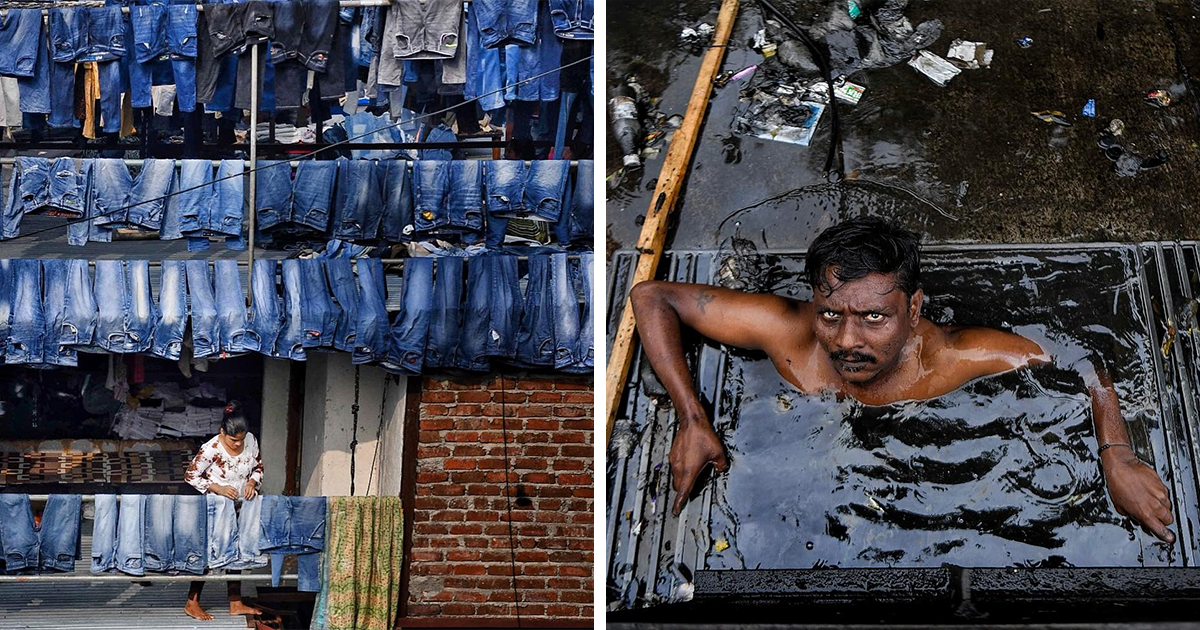
Mumbai does not politely enter a photograph. It bursts into the frame wearing a rain-splashed shirt, balancing a tiffin carrier, honking from three lanes at once, and somehow still finding time to smile at the sea. A city of enormous contrasts, Mumbai is India’s financial powerhouse, the heart of Bollywood, a historic port city, and a daily stage where millions of people perform small miracles before breakfast.
That is why street photography in Mumbai feels so alive. The city does not need a studio backdrop. It already has local trains, Art Deco balconies, flower markets, taxi windows, monsoon puddles, cricket games, temple bells, old mills, shiny towers, and pav bhaji smoke doing the job. The best Mumbai street photos do more than look beautiful. They capture movement, humor, survival, ambition, routine, and the tiny pauses that make a megacity feel human.
This visual journey through 29 imagined yet realistic street-photo moments explores the everyday life of Mumbai: the commute, the food, the neighborhoods, the sea, the festivals, the rain, and the unshakable rhythm locals call simply getting on with the day.
Why Mumbai Is a Dream City for Street Photography
Mumbai is one of the world’s most densely packed urban landscapes, but density alone does not make great photography. What makes Mumbai special is the way its layers collide. A commuter rushes past a Gothic railway station. A luxury car rolls by a roadside chai stall. A child in school uniform plays cricket beneath a billboard for a movie star. The frame is never empty, and the story is rarely simple.
For photographers, Mumbai offers three treasures: motion, texture, and emotion. Motion comes from trains, buses, bikes, ferries, handcarts, and feet that know shortcuts Google Maps has not emotionally recovered from. Texture comes from peeling paint, neon signs, wet asphalt, laundry lines, stone facades, market baskets, and the Arabian Sea. Emotion comes from people: vendors bargaining, families laughing, office workers waiting, children running, friends sharing snacks, and strangers quietly watching the tide.
29 Stunning Street Photos That Capture Everyday Life in Mumbai
1. Morning Rush at Chhatrapati Shivaji Maharaj Terminus
The first photo belongs at CSMT, where commuters pour through one of Mumbai’s most iconic railway stations. The building’s Victorian Gothic details loom above the crowd like history itself is running late for the 8:42 train. A good street photo here captures both grandeur and urgency: stone arches above, practical shoes below.
2. A Local Train Doorway at Golden Hour
Mumbai’s local trains are more than public transport. They are moving neighborhoods, gossip rooms, nap zones, snack counters, and daily endurance tests. A frame of passengers at the doorway, wind pressing against their shirts, says everything about the city’s speed and trust in routine.
3. Dabbawalas Sorting Lunchboxes
The dabbawalas are one of Mumbai’s most famous systems of human logistics. White caps, coded tiffin boxes, bicycles, handcarts, trains, and timing come together in a ballet that looks chaotic until you realize it works better than many apps with billion-dollar valuations. A photo of lunchboxes being sorted is a portrait of discipline disguised as lunch.
4. Chai Steam Beside a Newspaper Stand
Every city has coffee. Mumbai has chai with character. A vendor pours tea from a dented kettle while newspapers hang from clips behind him. Office workers, taxi drivers, students, and shopkeepers pause for a glass so small it looks like a sample but acts like rocket fuel.
5. Vada Pav Wrapped in Yesterday’s News
Few Mumbai street photos feel complete without vada pav. The potato fritter tucked into bread, sharpened with chutney, is fast, filling, and wonderfully democratic. A close-up of a vendor’s hand passing vada pav to a customer captures Mumbai’s lunch philosophy: quick, spicy, affordable, and not interested in your diet plan.
6. Marine Drive at Dusk
Marine Drive is where Mumbai exhales. The curved promenade, often called the Queen’s Necklace when its lights glow at night, gives photographers silhouettes, sea spray, couples, joggers, students, and office workers staring at the same horizon for very different reasons.
7. A Family Sitting on the Seawall
This photo is quiet: a family sitting with their backs to the camera, plastic bags of snacks beside them, the Arabian Sea ahead. No pose, no drama, just the luxury of a breeze in a city where space is precious.
8. Dhobi Ghat’s Lines of Color
At Dhobi Ghat, rows of clothes become flags of everyday labor. Shirts, sheets, uniforms, saris, and towels hang in long rhythms. The image is visually stunning, but its real power lies in the workers who keep the city’s fabric literally clean.
9. Crawford Market Before Noon
Markets are Mumbai’s natural theater. At Crawford Market, vendors stack fruit into edible architecture, shoppers inspect produce like detectives, and handcarts squeeze through impossible gaps. A good photo here smells like mango, coriander, cardboard, and negotiation.
10. Dadar Flower Market at Sunrise
Marigolds, roses, jasmine, and lotus buds spill across baskets in the Dadar flower market. The colors are almost unfair to cameras. A vendor threading garlands at sunrise creates a frame full of devotion, commerce, and caffeine-deprived determination.
11. A Black-and-Yellow Taxi in the Rain
Mumbai’s old black-and-yellow taxis have cinematic power. Add monsoon rain on the windshield, a driver leaning toward traffic, and blurred neon outside, and suddenly the photo looks like a film still from a movie where everyone is late but no one is surprised.
12. Umbrellas Crossing a Flooded Street
The monsoon changes Mumbai’s street photography palette. Roads reflect headlights. People roll up trousers. Umbrellas bloom like moving flowers. A photo of pedestrians crossing a flooded street captures inconvenience, resilience, and the stubborn belief that work will not attend itself.
13. Ganesh Chaturthi Procession
During Ganesh Chaturthi, Mumbai’s streets become rivers of music, devotion, drums, flowers, and dancing. A strong image might show faces lit with excitement as an idol of Lord Ganesha moves through the crowd. It is not just a festival photo; it is a citywide heartbeat.
14. Children Playing Cricket in a Narrow Lane
Cricket in Mumbai does not wait for a stadium. A lane, a wall, a plastic chair, and one extremely patient neighbor’s scooter are enough. A photo of children batting between parked vehicles captures invention, confidence, and the universal law that every street has its own Sachin Tendulkar.
15. A Fisherwoman at Sassoon Dock
Sassoon Dock offers raw, early-morning Mumbai: fish baskets, wet floors, shouted prices, fast hands, and serious work. A portrait of a fisherwoman sorting the day’s catch shows the city’s coastal roots beneath its glass towers.
16. Bandra’s Wall Art and Passing Scooters
Bandra adds color in a different way. Murals, cafes, old bungalows, churches, boutiques, and scooters share the same frame. A rider passing a painted wall gives the image a pop-culture snap, like Mumbai briefly turned into a graphic novel.
17. Irani Cafe Window Reflections
In an old Irani cafe, time slows down just enough for bun maska and tea. A window reflection might capture a waiter, a ceiling fan, a passerby, and the street outside all at once. These cafes are perfect for layered photos because they hold memory without acting precious about it.
18. Chor Bazaar’s Beautiful Clutter
Chor Bazaar is a treasure chest that forgot to organize itself. Antique clocks, lamps, tools, posters, furniture, and mysterious objects that may or may not belong to your grandfather fill the frame. Street photography here rewards curiosity and careful feet.
19. A Bookseller on the Pavement
Mumbai’s pavement booksellers bring literature to the footpath. A photo of stacked paperbacks beside passing shoes captures the city’s appetite for stories. Business books, romance novels, exam guides, and thrillers sit together like an accidental book club.
20. Street Barbers Under a Tree
A roadside barber with a mirror tied to a tree can turn a sidewalk into a salon. The photo has humor, intimacy, and practicality. Mumbai is very good at making services appear exactly where life needs them.
21. A BEST Bus at a Crowded Stop
Red BEST buses are part of Mumbai’s visual identity. A bus pulling into a stop, passengers waiting in a loose but purposeful crowd, and conductors calling out routes create a frame that feels old-school and essential.
22. Schoolchildren in Uniforms
Few images are as charming as schoolchildren moving through Mumbai’s streets with oversized bags and serious faces. The city may be roaring around them, but they have their own mission: get to class, protect the lunchbox, and maybe buy something sweet later.
23. A Coconut Vendor by the Sea
A coconut vendor chopping the top cleanly with a blade makes for a classic Mumbai frame. Behind him, waves hit the tetrapods; in front of him, customers wait for a drink that feels healthier than soda and more photogenic than most smoothies.
24. Evening Aarti Near a Temple
Faith is woven into Mumbai’s streets. A photo of lamps, flowers, folded hands, and a passing crowd reveals the city’s spiritual rhythm. Even in a hurry, people make space for ritual.
25. High-Rises Behind Laundry Lines
Mumbai’s contrasts are often photographed badly as clichés, but done with care, they reveal truth. A frame of laundry lines in the foreground and towers in the distance can show aspiration, inequality, adaptation, and the everyday beauty of making a home in limited space.
26. A Street Vendor Lighting His Cart
As evening falls, food carts become small glowing islands. Pav bhaji sizzles, dosa batter spreads, kebabs smoke, and customers gather. A vendor lighting his cart captures the transition from workday to street-food hour, which in Mumbai is practically a second sunrise.
27. Lovers, Friends, and Strangers at Bandstand
Bandstand offers sea views, celebrity-home spotting, and excellent people-watching. A photograph of friends leaning on the railing or couples watching the waves captures Mumbai’s softer side: the city as meeting place.
28. A Film Poster Beside a Street Shrine
Mumbai is the home of Hindi cinema, and Bollywood’s presence leaks into daily life through posters, murals, gossip, studios, and star-struck detours. A film poster beside a small shrine can frame two forms of devotion in one witty, layered image.
29. Night Reflections After Rain
The final photo belongs to the city after dark, when rainwater turns potholes into mirrors and headlights stretch across the road. A passerby, a taxi, a neon sign, and a puddle can make Mumbai look electric, exhausted, and wide awake at the same time.
What These Mumbai Street Photos Reveal
Together, these 29 street-photo moments show that Mumbai’s everyday life is not one story but a crowd of stories. The city is glamorous, but not only glamorous. It is difficult, but not only difficult. It is crowded, but not anonymous. Its streets are full of labor, style, hunger, patience, ambition, prayer, comedy, and tiny acts of cooperation.
The strongest Mumbai street photography avoids treating people as scenery. It respects workers, commuters, children, vendors, worshippers, and families as the main characters of the city. It notices gestures: the hand passing coins, the child gripping a schoolbag, the vendor wiping a counter, the commuter holding a train pole, the grandmother adjusting a sari in the sea breeze.
That is the secret. Mumbai is not stunning because it is polished. Mumbai is stunning because it is awake.
Photography Tips for Capturing Everyday Life in Mumbai
Follow the Light, Not Just the Landmark
Famous places like Marine Drive, CSMT, Dhobi Ghat, Bandra, and Crawford Market are useful starting points, but light matters more than location. Early morning gives softness to markets and docks. Late afternoon turns seaside promenades into silhouettes. Monsoon weather adds reflections and atmosphere, though your camera may request hazard pay.
Look for Layers
Mumbai rewards layered composition. Shoot through train windows, cafe glass, taxi doors, market stalls, arches, and umbrellas. A layered frame can show two or three stories at once, which is exactly how Mumbai feels in real life.
Respect People and Space
Street photography should never be an excuse for rudeness. Ask permission for close portraits when possible, especially with workers, children, and people in private moments. A smile, a nod, or a small conversation can turn a rushed snapshot into a respectful image.
Capture Quiet Moments Too
It is tempting to photograph only crowds, traffic, and spectacle. But some of Mumbai’s best street photos are quiet: a man reading at a stall, a woman waiting for a bus, a child asleep on a parent’s shoulder, two friends sharing roasted corn by the sea. The city shouts, yes, but it also whispers.
Experiences Inspired by “29 Stunning Street Photos That Capture Everyday Life in Mumbai”
Experiencing Mumbai through street photography is different from sightseeing. Sightseeing asks, “What did you visit?” Street photography asks, “What did you notice?” That small shift changes everything. Suddenly, the city is not just a checklist of Gateway of India, Marine Drive, Elephanta Caves, and markets. It becomes a living classroom in timing, patience, and attention.
One of the best experiences related to this topic is simply walking at sunrise. Start near a market or station before the city reaches full volume. Vendors are arranging their goods, shutters are rolling open, milk is being delivered, newspapers are being sorted, and the first commuters are already moving with impressive seriousness. Morning Mumbai has a backstage feeling. You see the city tying its shoes before the performance begins.
Another unforgettable experience is riding a local train outside the harshest rush hour. For visitors, the train can be intimidating, but it is also one of the most honest ways to understand Mumbai. The rhythm of stations, the calls of vendors, the practiced movement of passengers, and the view from the doorway all reveal how the city connects itself. Every stop changes the crowd slightly. Office workers, students, families, vendors, and day laborers share the same moving corridor. A photographer does not need to force meaning here. The meaning is hanging from the overhead handles.
Food walks also connect beautifully with Mumbai street photography. Photographing food in Mumbai is not just about the dish. It is about the hand crushing spices, the tava shining with butter, the customer eating while standing, the paper plate bending under chutney, and the vendor remembering five orders at once. Try vada pav, pav bhaji, bhel puri, cutting chai, kebabs, fresh coconut water, and seasonal fruit. The camera gets color and motion; the photographer gets snacks. This is what experts call a win-win, probably.
The monsoon offers another powerful experience, though it requires caution. Mumbai in the rain is cinematic: umbrellas moving like schools of fish, taxis glowing through wet glass, children splashing near doorways, and roads reflecting buildings upside down. But the monsoon is also disruptive and serious, so photography should never get in the way of people trying to travel, work, or stay safe. The best rainy-day photos are empathetic, not exploitative.
For a slower experience, spend an evening on Marine Drive or Bandstand without rushing to shoot. Watch first. Notice who comes there: joggers, college friends, office workers, couples, families, tourists, vendors, and people who appear to be having deep philosophical discussions with the sea. After a while, patterns emerge. Someone takes a selfie. Someone eats corn. Someone sits silently. Someone laughs too loudly. These are not dramatic travel-poster moments, but they are exactly what everyday life looks like.
Finally, the most meaningful experience is talking to people when appropriate. A chai seller may tell you when the light is best on his corner. A bookseller may recommend a novel. A taxi driver may explain traffic with the weary poetry of a man who has seen everything. These conversations add context to photographs. They remind you that street photography is not hunting for images; it is paying attention to lives already in motion.
“29 Stunning Street Photos That Capture Everyday Life in Mumbai” is ultimately about more than pictures. It is about recognizing beauty in routine. Mumbai’s streets prove that ordinary moments can be visually extraordinary when viewed with patience, humor, and respect. The city gives photographers plenty of spectacle, but its greatest gift is the everyday scene that almost passes unnoticed: a lunchbox delivered, a train caught, a flower garland tied, a cup of chai poured, a family watching the sea, and another day beginning before the last one has fully left.
Conclusion
Mumbai street photography captures a city that is impossible to reduce to a postcard. It is fast, crowded, coastal, historic, funny, exhausting, generous, and endlessly photogenic. From local trains and dabbawalas to flower markets, monsoon streets, seaside evenings, and glowing food carts, everyday life in Mumbai creates images that feel both specific and universal.
The best photos do not simply show what Mumbai looks like. They show how Mumbai moves, waits, eats, works, celebrates, adapts, and keeps going. That is why these 29 stunning street-photo ideas matter: they remind us that a city’s real beauty often appears between appointments, in the rain, on the platform, beside the tea stall, or in the two seconds before a stranger disappears into the crowd.
Note: This article is based on real, publicly available information about Mumbai’s culture, transport, neighborhoods, food traditions, landmarks, festivals, and street photography context, rewritten in an original editorial style for web publication.