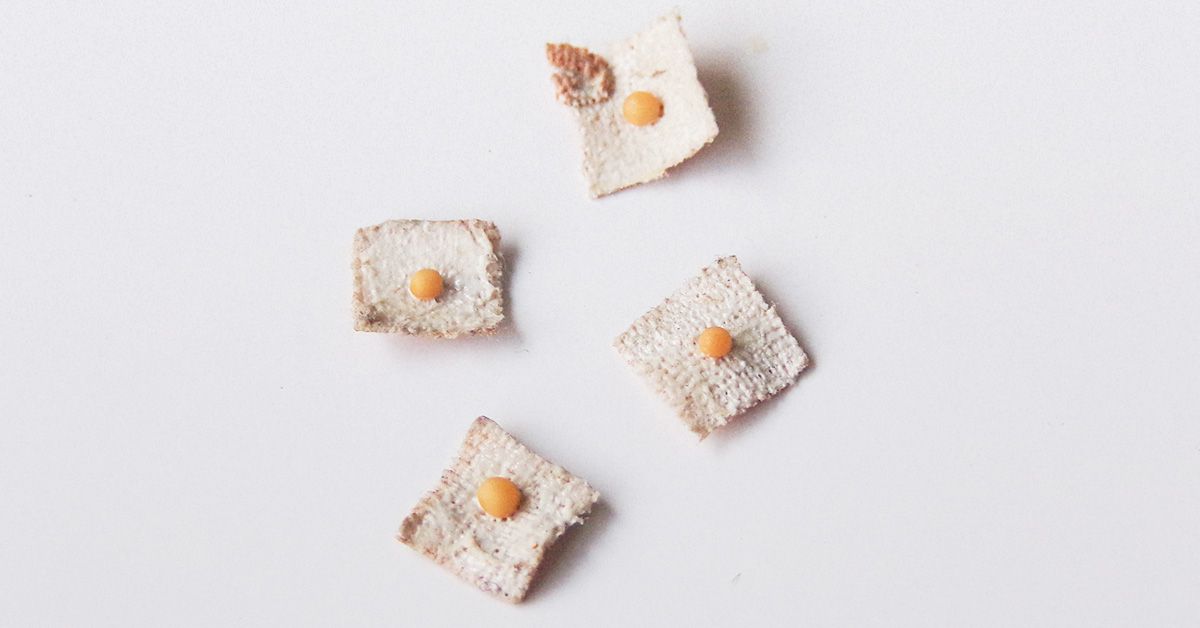
Ear seeds are tiny stickers placed on specific points of the outer ear, but they inspire a surprisingly large amount of curiosity. Some people swear they help them feel calmer, sleep better, or ride out a headache without dramatics. Others see them as a trendy wellness accessory with excellent social media lighting. The truth sits somewhere in the middle.
Ear seeds are part of a traditional practice called auricular acupressure, which treats the ear as a kind of microsystem connected to the rest of the body. Unlike acupuncture, ear seeds do not pierce the skin. They are usually made from plant seeds, metal beads, magnets, or ceramic pellets attached to adhesive tape. Once applied, they stay in place for a few days, and you gently press them now and then to stimulate the point underneath.
That sounds simple enough, but the bigger questions are the ones that matter: Do ear seeds actually work? What can they help with? How do you use them safely at home? And when should you absolutely not treat them like tiny miracle buttons? Let’s get into the evidence, the practical how-to, and the safety details that often get left out of the wellness hype.
What Are Ear Seeds, Exactly?
Ear seeds are a form of auricular acupressure. In traditional Chinese medicine and related auricular therapy systems, different points on the outer ear are believed to correspond with different body systems and symptoms. A practitioner places small seeds or beads on those points so you can continue the stimulation after your appointment.
Classic versions use Vaccaria seeds, but modern ear seed kits may use metal pellets or other materials. Either way, the goal is the same: apply light, repeated pressure to a targeted point without needles. Think of them as the low-drama cousin of acupuncture. Same family tree, less poking.
Ear Seeds vs. Acupuncture
The biggest difference is simple. Acupuncture uses very thin needles placed into the skin by a trained practitioner. Ear seeds sit on top of the skin and work through pressure. That makes ear seeds more approachable for people who do not love needles, and easier to continue at home between visits.
Why the Ear?
Practitioners who use auricular therapy view the ear as a map of the body. Western researchers studying the area have also explored whether stimulation of parts of the ear may influence the nervous system, pain signaling, stress response, and symptom perception. That does not mean every claim is proven, but it helps explain why the ear keeps showing up in research on pain, anxiety, sleep, cravings, and nausea.
Potential Benefits of Ear Seeds
People usually try ear seeds for symptom relief, not because they want their ears decorated like a minimalist craft project. The most common claimed ear seeds benefits include the following:
- Stress relief and relaxation: Some people use ear seeds when they feel wound tighter than a jar lid.
- Anxiety support: Ear seeds may help some people feel calmer, especially as part of a broader self-care or treatment plan.
- Sleep support: They are often used for insomnia or restless sleep.
- Pain relief: Auricular acupressure has been studied for acute pain, chronic pain, headaches, and musculoskeletal discomfort.
- Nausea support: Related acupressure methods have been studied for nausea and vomiting, especially in medical settings.
- Cravings and addiction support: Auricular therapy is sometimes used as a complementary tool in programs for nicotine or substance cravings.
That said, “can help” is not the same thing as “guaranteed to work.” Ear seeds are best understood as a complementary therapy, not a stand-alone cure and definitely not a substitute for medical care when something serious is going on.
How Ear Seeds Are Thought to Work
In traditional practice, the explanation centers on balancing the body through acupressure points connected to organs and systems. In modern clinical discussions, the theory is often framed more cautiously: stimulating parts of the ear may influence nerve pathways, pain perception, stress regulation, and the body’s relaxation response.
That does not mean researchers have everything mapped out neatly with a bow on top. They do not. But it helps explain why ear-based therapies keep appearing in studies involving sleep, stress, pain, and nausea.
One practical reason ear seeds appeal to both practitioners and patients is consistency. Instead of getting one short burst of stimulation during a clinic visit, you have a point you can gently press throughout the day. For some people, that repeated ritual may contribute to symptom relief, body awareness, and a sense of control over symptoms. And honestly, feeling less helpless counts for a lot.
What the Evidence Says
If you want the short version, here it is: the evidence for ear seeds and auricular acupressure is promising but mixed. There are encouraging studies, especially for pain, sleep, stress, and some nausea-related symptoms, but the overall research quality varies. Study designs are not always consistent, sample sizes can be small, and methods differ from one trial to the next.
Pain Relief
This is one of the strongest areas of interest. Reviews of auricular acupressure research suggest it may help reduce certain kinds of pain, including chronic pain and postoperative pain support. That does not prove it works equally well for every pain condition, but pain is one of the most plausible reasons someone might explore ear seeds as part of a broader plan.
Sleep and Stress
Research on auricular therapies for insomnia and stress is encouraging enough to be interesting, but not strong enough to declare the case closed. Some systematic reviews report improvements in sleep quality and stress-related measures, while also noting that the evidence base is still uneven. Translation: useful for some people, not a magic off-switch for your overthinking brain at 2 a.m.
Anxiety and Mood Symptoms
There is some evidence that auricular acupressure may support people dealing with anxiety or mood-related symptoms, particularly as an add-on approach. The keyword there is support. Ear seeds are not a replacement for therapy, medication when needed, or proper mental health care. They are more like a helpful sidekick than the superhero.
Nausea and Other Symptoms
Auricular acupressure and related acupressure methods have also been studied for nausea and vomiting, including in chemotherapy-related settings. Some findings are positive, though again, results vary by population and treatment design. There is also research interest in cravings, addiction support, and symptom management in high-stress groups such as healthcare workers.
The Bottom Line on Evidence
The most honest summary is this: ear seeds may help some people with pain, stress, sleep issues, nausea, or cravings, but the research is not strong enough to support sweeping claims. They make the most sense as a low-risk, noninvasive option within an integrative plan, especially when symptoms are mild to moderate and you want something practical to try alongside evidence-based care.
How to Use Ear Seeds Safely
If you are wondering how to use ear seeds, the safest answer is also the least glamorous: start with a qualified professional. A licensed acupuncturist or integrative medicine practitioner can show you where the points are, what they are intended to do, and which ones you should avoid.
Step 1: Get Guidance First
Even though DIY kits are easy to buy, ear placement matters. Putting a seed on the wrong spot is not the end of civilization, but it can make the treatment less useful and, in some cases, make you feel worse or irritate the ear.
Step 2: Apply to Clean, Dry Skin
Whether a practitioner places them or you do it at home after proper instruction, the skin should be clean and dry. Oils, lotions, and leftover skin care products can make the sticker less secure and more annoying.
Step 3: Press Gently
Most practitioners recommend gently pressing or massaging each seed a few times a day. You want mild stimulation, not a dramatic wrestling match with your ear. If it hurts sharply, you are pressing too hard.
Step 4: Leave Them on Only a Few Days
Ear seeds are usually worn for around three to five days. After that, the adhesive starts losing its charm, moisture can weaken the sticker, and your skin may get irritated. In other words, this is not a forever accessory.
Step 5: Remove If the Skin Gets Angry
If you notice redness, swelling, itching, burning, or clear irritation, take them off. Your skin is not being “challenged into healing.” It is just irritated.
Safety, Side Effects, and Who Should Be Careful
One reason ear seeds are popular is that they are noninvasive. Since they do not pierce the skin, they are generally lower risk than needle-based treatments. Still, ear seeds safety is not something to shrug off.
Possible Side Effects
- Skin irritation or redness
- Tenderness from pressing too hard
- Allergic reactions to adhesive, latex, metal, or seed materials
- Dizziness or nausea in some users
- A loose seed potentially falling into the ear canal
Who Should Use Extra Caution?
You should be especially careful if you have sensitive skin, a known adhesive or latex allergy, or a history of reacting to jewelry metals. Pregnancy is another important situation. Some ear points are traditionally avoided because they may stimulate labor, so pregnant patients should not experiment with random online ear maps like they are assembling flat-pack furniture.
You should also see a clinician instead of self-treating if you have severe pain, sudden hearing changes, chest pain, persistent vomiting, serious insomnia, panic symptoms, or any symptom that could signal an underlying medical problem. Ear seeds are for symptom support, not detective work on emergencies.
When Ear Seeds Make Sense
Ear seeds may be worth trying if you:
- want a non-drug, low-risk complementary approach,
- are already working with an acupuncturist or integrative provider,
- have mild to moderate symptoms like stress, tension, poor sleep, or certain pain issues,
- understand that results vary from person to person.
They probably make less sense if you expect instant, universal relief or want to replace treatments that are important for your safety. Ear seeds are better framed as a useful option in the toolbox, not the entire toolbox, the garage, and the house.
Experiences With Ear Seeds: What People Commonly Report
When people talk about their experiences with ear seeds, the stories often sound surprisingly similar. Not identical, of course, because human bodies love being unpredictable, but similar enough that patterns emerge. Many people do not describe a dramatic “wow, everything changed in five minutes” moment. Instead, they talk about smaller shifts: feeling a little calmer during a stressful workday, noticing that a tension headache fades sooner than usual, or realizing they fell asleep without their brain replaying every awkward thing they have said since third grade.
One common experience is that ear seeds seem most useful when paired with intention and routine. Someone using them for stress might press them before a difficult meeting, during a commute, or at bedtime. A person dealing with headaches may use them as soon as symptoms start. People with sleep issues often say the act of gently pressing the seeds becomes part of a wind-down ritual, along with dim lights, less screen time, and a serious commitment to not reading emotionally chaotic emails at 11 p.m.
Another pattern is that ear seeds seem to work better for some people as a companion therapy rather than a solo act. In real life, users often combine them with acupuncture, physical therapy, meditation, medication, counseling, or standard medical treatment. That makes sense. Symptoms like pain, anxiety, insomnia, or nausea usually have more than one moving part, so a layered approach is often more realistic than expecting one tiny sticker to carry the entire plot.
Healthcare and wellness programs have also reported favorable user feedback. In workplace settings, participants have described feeling more relaxed, less stressed, and more able to cope during demanding periods. These reports are encouraging because they show how ear seeds may fit into daily life: quick to apply, easy to press during breaks, and not especially disruptive. They do not require a treatment table, a long appointment, or a heroic amount of free time.
Of course, not every experience is glowing. Some people feel nothing at all. Others get annoyed by the adhesive, forget to press the seeds, or find that one falls off into oblivion after a shower. A few people simply do not like having anything stuck to their ears for several days, which is fair. Wellness should not feel like you are being mildly haunted by office supplies.
The most balanced takeaway from real-world experiences is this: ear seeds tend to be appreciated most by people who want a simple, low-effort tool that may help them feel a bit better between appointments or during stressful moments. They are not universal, they are not instant, and they are not proof of anything on their own. But for some people, that small sense of relief or control is meaningful. And in the very crowded universe of symptom management, “meaningful” is nothing to sneeze at.
Final Takeaway
Ear seeds are a small, noninvasive form of auricular acupressure that may help with pain, stress, sleep problems, nausea, and certain cravings. The evidence is promising in places, limited in others, and definitely not strong enough to support miracle language. Their biggest advantages are that they are easy to use, needle-free, and generally low risk when applied correctly.
The smartest way to try them is with realistic expectations and a little professional guidance. Use them as a complementary tool, not a substitute for medical care. If they help, great. If they do not, you have learned something useful without taking a huge risk. That is actually a pretty respectable outcome for a therapy the size of a sprinkle.