Note: This article is written as original, web-ready content and synthesizes common U.S. Thanksgiving decorating guidance from reputable home, garden, lifestyle, and DIY publications.
Thanksgiving decorating has a wonderful little secret: you do not need to turn your house into a museum of ceramic turkeys to make it feel festive. Sometimes one great wreath on the front door does the job. It says, “Come in, we have pie,” without requiring you to alphabetize your gourds or install a cornucopia the size of a recliner.
A Thanksgiving wreath is more than a circle of leaves. It is the first warm hello your guests see before they step inside, remove their coats, and begin politely debating who gets the last corner piece of stuffing. Whether your style leans rustic farmhouse, polished modern, playful family-friendly, or “I bought this ribbon because it was on sale and now I am emotionally committed,” there is a wreath idea that fits your home.
Below are 13 creative Thanksgiving wreath ideas inspired by classic American harvest decor, natural textures, front porch styling, and easy DIY methods. You will find pumpkins, corn husks, wheat, dried oranges, plaid ribbon, feathers, wood beads, and even a nod to Pilgrim-era simplicity. The goal is not perfection. The goal is charm, personality, and a front door that looks like it knows gravy season has arrived.
Why Thanksgiving Wreaths Work So Well
Thanksgiving wreaths are popular because they bridge the gap between Halloween and winter holidays. Once the jack-o’-lanterns retire and before the evergreen garlands march in, a fall wreath keeps your home feeling seasonal without looking like it is confused about the calendar.
The best Thanksgiving wreath ideas use harvest materials: faux pumpkins, dried wheat, preserved leaves, bittersweet vines, eucalyptus, pinecones, acorns, burlap, raffia, corn husks, and warm-toned florals. These elements are easy to find at craft stores, garden centers, dollar stores, and sometimes in your own backyard. Just make sure anything you forage is clean, dry, and bug-free. Nobody invited beetles to Thanksgiving.
For outdoor use, faux materials are often the most practical. They survive rain, wind, humidity, and that one relative who closes the door with the force of a dramatic courtroom exit. Indoor wreaths, on the other hand, can include more delicate details like dried citrus slices, paper leaves, fresh herbs, or handwritten gratitude notes.
13 Creative Thanksgiving Wreath Ideas
1. Classic Pumpkin Grapevine Wreath
A grapevine wreath is the little black dress of fall decor: simple, flexible, and always appropriate. Start with a natural grapevine base, then add mini faux pumpkins, maple leaves, berry stems, pinecones, and a wide ribbon in rust, cream, or mustard yellow.
Place the pumpkins slightly off-center rather than spacing them evenly around the whole wreath. This asymmetrical look feels more modern and less like your wreath is wearing a pumpkin necklace. Use floral wire for heavier pieces and hot glue for lightweight accents. Finish with a burlap or velvet bow for a cozy Thanksgiving touch.
2. Pilgrim-Inspired Wheat Wreath
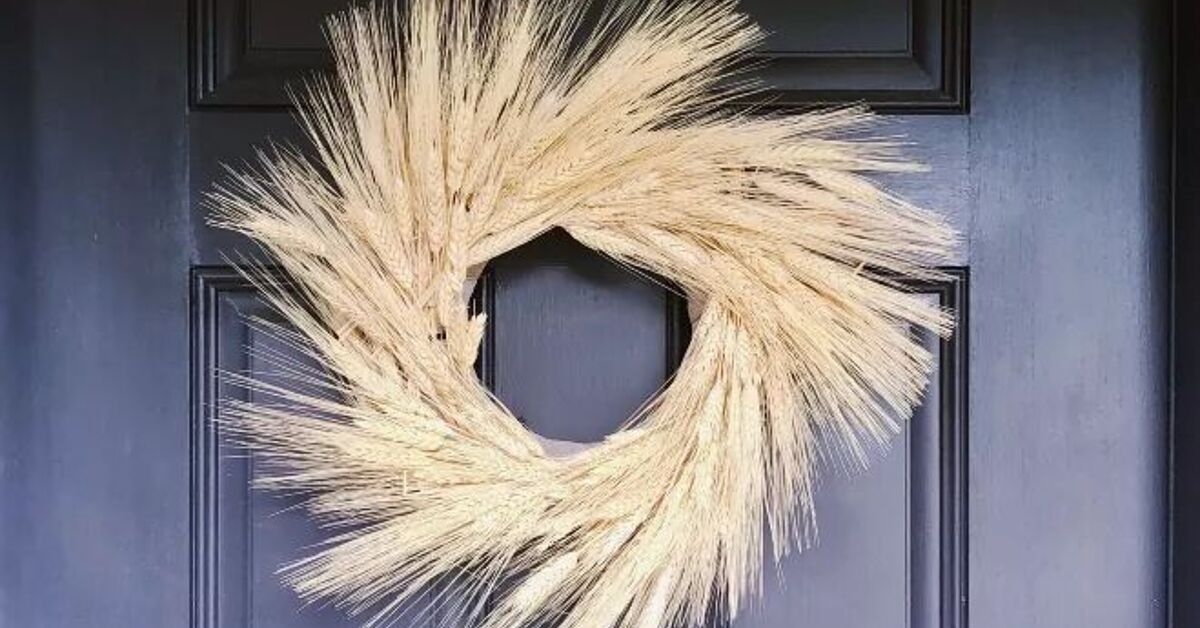
For a subtle nod to early harvest traditions, create a wreath using dried wheat stalks. Wheat has a clean, historic, farmhouse feel that fits beautifully with Thanksgiving’s themes of gathering, gratitude, and seasonal abundance.
Use a straw wreath form or wire ring as your base. Bundle small groups of wheat, trim the stems evenly, and secure them in overlapping layers with floral wire. Keep the color palette simple: golden wheat, natural twine, and perhaps a small linen ribbon. The result is elegant, calm, and timeless. It whispers “harvest table,” not “craft aisle explosion.”
3. Corn Husk Sunburst Wreath
Corn husks are one of the most iconic materials for Thanksgiving wreaths. Their pale, papery texture brings instant harvest character, and when arranged in a sunburst shape, they look both rustic and dramatic.
Soak dried corn husks briefly to make them flexible, pat them dry, then fold or fan them around a wreath form. Layer them with the pointed ends facing outward to create movement. Add a cluster of mini gourds, faux berries, or dried grasses at the bottom for balance. This wreath works especially well on dark-painted doors because the light husks pop beautifully.
4. Mini Gourd and Magnolia Wreath
Magnolia leaves bring sophistication to Thanksgiving decor. Their glossy green tops and velvety brown undersides look rich without trying too hard. Pair them with mini faux gourds and pumpkins for a Southern-inspired wreath that feels polished but still festive.
Attach magnolia leaves around a grapevine or wire base, alternating the green and brown sides. Then wire in small gourds along the lower third of the wreath. Choose cream, sage, copper, or muted orange pumpkins for a refined look. This wreath is perfect if you want autumn charm without turning your porch into a pumpkin patch with Wi-Fi.
5. Thankful Notes Family Wreath
This is one of the sweetest Thanksgiving wreath ideas for families. Start with a simple twig, grapevine, or foam wreath. Cut leaf shapes from kraft paper, cardstock, or felt. Before Thanksgiving dinner, ask each family member or guest to write something they are thankful for on a leaf.
Attach the leaves with mini clothespins, twine, or removable glue dots. By the end of the day, the wreath becomes a keepsake full of small, meaningful messages. Some will be heartfelt. Some will say “mashed potatoes.” Both are valid. Gratitude has many forms, and sometimes it wears butter.
6. Dried Orange and Cinnamon Wreath
If you want a wreath that looks beautiful and smells like a cozy kitchen, dried oranges are the answer. Thinly slice oranges, dry them in a low oven or dehydrator, and pair them with cinnamon sticks, bay leaves, pinecones, and eucalyptus.
This wreath works best indoors or on a covered porch because dried fruit can suffer in damp weather. Use a grapevine base and attach the orange slices in small clusters rather than covering the whole wreath. The translucent orange color catches light beautifully, while cinnamon adds that “someone might be baking” effect. Even if nobody is baking, the door does not need to know.
7. Plaid Ribbon Farmhouse Wreath
Plaid and Thanksgiving go together like turkey and leftovers. A plaid ribbon wreath is easy to make and endlessly customizable. Wrap a foam wreath form with wide plaid ribbon, securing it with pins or hot glue. Then add a small arrangement of faux leaves, cotton stems, wheat, berries, or pumpkins on one side.
Buffalo check creates a modern farmhouse look, while tartan-style plaid feels more traditional. For a softer design, choose cream, rust, sage, or brown plaid instead of bold black and white. The secret is restraint. Plaid is charming, but too much plaid can make your wreath look like it is applying for a job as a picnic blanket.
8. Feather and Acorn Harvest Wreath
Feathers add movement and texture to a Thanksgiving wreath, especially when paired with acorns, pinecones, and warm fall leaves. Use faux pheasant feathers or natural-looking craft feathers for a layered, woodland-inspired design.
Begin with a grapevine base. Add leaves first, then tuck feathers in the same direction so the wreath has a natural flow. Accent with acorns, seed pods, and a narrow velvet ribbon. This style looks especially good on rustic wood doors, cabins, farmhouse porches, or any entryway where you want a cozy outdoorsy mood without inviting actual wildlife.
9. White Pumpkin Neutral Wreath
Not every Thanksgiving wreath needs to shout in orange. A neutral wreath with white pumpkins, beige grasses, cream berries, eucalyptus, and soft brown ribbon can look calm, elegant, and modern.
Choose a grapevine, willow, or metal hoop base. Keep the design airy by decorating only one side or the lower half of the wreath. Add white or ivory pumpkins in odd numbers, then fill around them with dried grasses and pale leaves. This is a great option for modern homes, apartments, minimalist interiors, or anyone who wants seasonal decor that does not argue with the furniture.
10. Bundt Pan Thanksgiving Wreath
For a playful kitchen-themed wreath, use an old Bundt pan as the base. The hole is already there, the shape is already circular, and the personality is already baked in. Choose a copper, bronze, or painted pan for extra charm.
Thread ribbon through the center for hanging, then attach fall florals, mini pumpkins, faux berries, or a small “Give Thanks” tag to the lower edge. This wreath is perfect for a kitchen door, pantry, breakfast nook, or hostess gift. It also lets you repurpose a pan that has not seen cake since 2009. No judgment. We all have dreams.
11. Turkey Tail Tulle Wreath
If you have kids, grandkids, or a personal belief that Thanksgiving should be at least a little silly, make a turkey tail wreath. Use a foam wreath form and tie strips of tulle around it in fall colors such as orange, red, yellow, brown, and burgundy.
Add a simple felt turkey face or wooden cutout at the bottom or center. The tulle creates a fluffy tail effect that is cheerful and fun. This wreath is best for indoor spaces, classroom doors, playrooms, or family areas. It is not subtle, but neither is a turkey, and that bird has been carrying the holiday for centuries.
12. Apple, Berry, and Eucalyptus Wreath
Apples are underrated in Thanksgiving decor. Pumpkins get all the press, but apples bring color, shine, and a farmhouse orchard feeling. Use faux apples for durability, especially outdoors.
Attach eucalyptus stems around a grapevine wreath, then add small red or green apples, berry picks, and a few dried leaves. For a more elegant version, use deep burgundy apples and copper ribbon. For a cheerful country look, use bright red apples with gingham or burlap. This wreath pairs beautifully with porch baskets, mums, lanterns, and a welcome mat that has not been defeated by muddy shoes.
13. Modern Hoop Wreath with Pumpkins and Dried Florals
A metal hoop wreath is ideal for anyone who prefers clean lines and contemporary decor. Use a gold, black, copper, or wood hoop. Decorate only one side with dried florals, pampas grass, bunny tails, eucalyptus, and one or two small pumpkins.
The open space keeps the wreath feeling light and stylish. This design works well in small apartments because it does not overwhelm the door. It also transitions nicely from October through Thanksgiving. To make it more personal, add a small hanging tag that says “Gather,” “Give Thanks,” or “Leftovers Welcome.” Honestly, that last one may be the most accurate.
How to Choose the Right Thanksgiving Wreath for Your Home
Before buying supplies, think about your front door color, porch size, and overall decorating style. A dark door can handle pale wheat, white pumpkins, or corn husks. A white or light-colored door may need deeper colors like burgundy, rust, brown, or forest green for contrast. If your porch already has pumpkins, mums, and lanterns, choose a wreath that complements them rather than competes for attention.
Scale matters too. A tiny wreath on a large front door can look lost, while a giant wreath on a narrow apartment door may feel like it is trying to enter first. For most standard doors, a wreath between 20 and 26 inches wide works well. Indoor wreaths can be smaller, especially over a mantel, mirror, cabinet, or interior door.
Also consider weather. If your wreath will hang outside with no cover, choose faux pumpkins, faux leaves, plastic berries, wired ribbon, and sturdy grapevine or twig bases. Save dried oranges, paper leaves, and delicate feathers for protected areas. Thanksgiving decor should look welcoming, not like it survived a minor shipwreck.
Easy DIY Tips for a Better-Looking Wreath
Use Odd Numbers
Designers often group accents in threes, fives, or sevens because odd numbers look natural and balanced. Try three pumpkins, five pinecones, or seven berry clusters.
Create a Focal Point
Do not spread decorations evenly everywhere unless you want a very traditional look. A strong focal point at the bottom or side gives your wreath personality and polish.
Layer Textures
Combine smooth pumpkins, rough pinecones, soft ribbon, papery husks, glossy leaves, and wispy grasses. Texture makes a wreath look full even when the color palette is simple.
Secure Heavy Items with Wire
Hot glue is helpful, but gravity is undefeated. Use floral wire for heavier pumpkins, gourds, apples, and pinecones. Then use glue to stabilize smaller accents.
Fluff Before Hanging
After attaching everything, hold the wreath upright and adjust leaves, stems, ribbons, and grasses. A wreath often looks different vertically than it does flat on the table.
Budget-Friendly Thanksgiving Wreath Materials
You do not need expensive supplies to create a beautiful Thanksgiving wreath. Start with a basic grapevine wreath, foam ring, wire hoop, straw form, embroidery hoop, or even a repurposed frame. Then look for affordable accents like faux leaves, ribbon scraps, pinecones, acorns, dried grasses, fabric strips, paper leaves, and thrifted kitchen items.
Dollar stores and craft-store clearance bins can be surprisingly useful. Old sweaters can become fabric pumpkins. Brown paper bags can become gratitude leaves. A damaged faux garland can be clipped apart and reused as wreath filler. Even leftover ribbon from past holidays can work if the colors fit. Thanksgiving decorating rewards creativity, not perfection. Besides, nobody at dinner should be inspecting your floral wire unless they are avoiding dish duty.
Where to Display Thanksgiving Wreaths
The front door is the classic location, but it is not the only option. Try hanging a Thanksgiving wreath above the fireplace mantel, over a buffet table, on a kitchen range hood, inside a window, on the back of dining chairs, or over a mirror. A small wreath can even become a centerpiece when laid flat around a candle hurricane or cake stand.
For Thanksgiving dinner, mini wreaths can be used as place settings. Tie a name card to each one and place it on top of a folded napkin. This tiny detail makes the table feel thoughtful without requiring a degree in tablescape architecture.
Personal Experience: What Thanksgiving Wreaths Teach About Hosting
One of the best things about making a Thanksgiving wreath is that it slows you down before the holiday chaos begins. Hosting Thanksgiving can turn even a calm person into someone who whispers motivational speeches to a turkey at 7 a.m. There are groceries to buy, chairs to borrow, potatoes to peel, and at least one mystery container in the refrigerator that must be identified before guests arrive. A wreath, by comparison, is peaceful. It is just you, some leaves, a glue gun, and the brave belief that this bow will eventually behave.
In my experience, the wreath does not need to be fancy to make the house feel ready. One year, the most memorable Thanksgiving decoration was a simple grapevine wreath with three faux pumpkins and a ribbon that had been reused from a gift basket. It was not magazine-perfect. One pumpkin sat slightly higher than the others, as if it had recently heard gossip. But guests noticed it. They smiled before they even came inside. That is the quiet power of seasonal decor: it creates a mood before anyone says a word.
Another year, a family-style thankful wreath became the highlight of the day. Paper leaves were placed near the entryway, and everyone wrote something they appreciated. The adults wrote about health, family, safe travel, and meaningful work. The children wrote about pie, dogs, video games, and “not having school tomorrow.” By evening, the wreath looked full, colorful, and completely honest. It became a better snapshot of the gathering than any posed photo. It showed what people actually cared about in that moment.
Thanksgiving wreaths also remind us that hospitality starts before the meal. A beautiful door does not have to mean an expensive door. It means someone took a few minutes to say, “You are welcome here.” That feeling matters. Guests may forget whether the napkins were linen or paper. They may forget which casserole dish held the green beans. They will not forget whether the home felt warm.
DIY wreaths are especially satisfying because they carry little stories. The pinecones might come from a walk around the neighborhood. The ribbon might be leftover from last year. The mini pumpkins might be chosen by a child who insisted the lopsided one had “the best personality.” These details give a wreath character. Store-bought decor can be beautiful, but handmade decor has fingerprints, and fingerprints are part of the charm.
There is also a practical lesson: wreath-making teaches flexibility. Sometimes the plan changes. The bow is too large. The glue shows. The dried orange slices curl like tiny citrus potato chips. But the final result often looks better when it is not too perfect. Thanksgiving itself is like that. The rolls may brown too quickly. Someone may arrive early. Someone may arrive late. The gravy may need emergency whisking. Still, people gather, laugh, eat, and go home full. A wreath is just the decorative version of that same truth: imperfect things can still be beautiful.
So whether you make a wheat wreath, a pumpkin hoop wreath, a turkey tulle wreath, or a rustic corn husk design, let it reflect your home rather than someone else’s idea of perfect. Add the ribbon you love. Use the colors that make you happy. Let the kids help, even if their design instincts are slightly chaotic. Thanksgiving is not about creating a flawless display. It is about creating a welcome. And if your wreath can survive the weather, the doorbell, and a compliment from your pickiest aunt, congratulations. You have officially mastered seasonal decorating.
Conclusion
From Pilgrim-inspired wheat to cheerful pumpkins, Thanksgiving wreaths offer a simple way to bring warmth, creativity, and harvest charm to your home. They can be rustic, modern, playful, elegant, budget-friendly, or deeply personal. The best wreath is not always the most expensive or elaborate one. It is the one that makes your entryway feel inviting and your guests feel expected.
Choose materials that match your style, build around a strong focal point, and do not be afraid to reuse, repurpose, or improvise. Thanksgiving is already full of tradition, but your wreath can add a fresh twist to the season. Whether it hangs on the front door, above the mantel, or beside the dining table, it becomes a small symbol of gratitude before the feast begins.