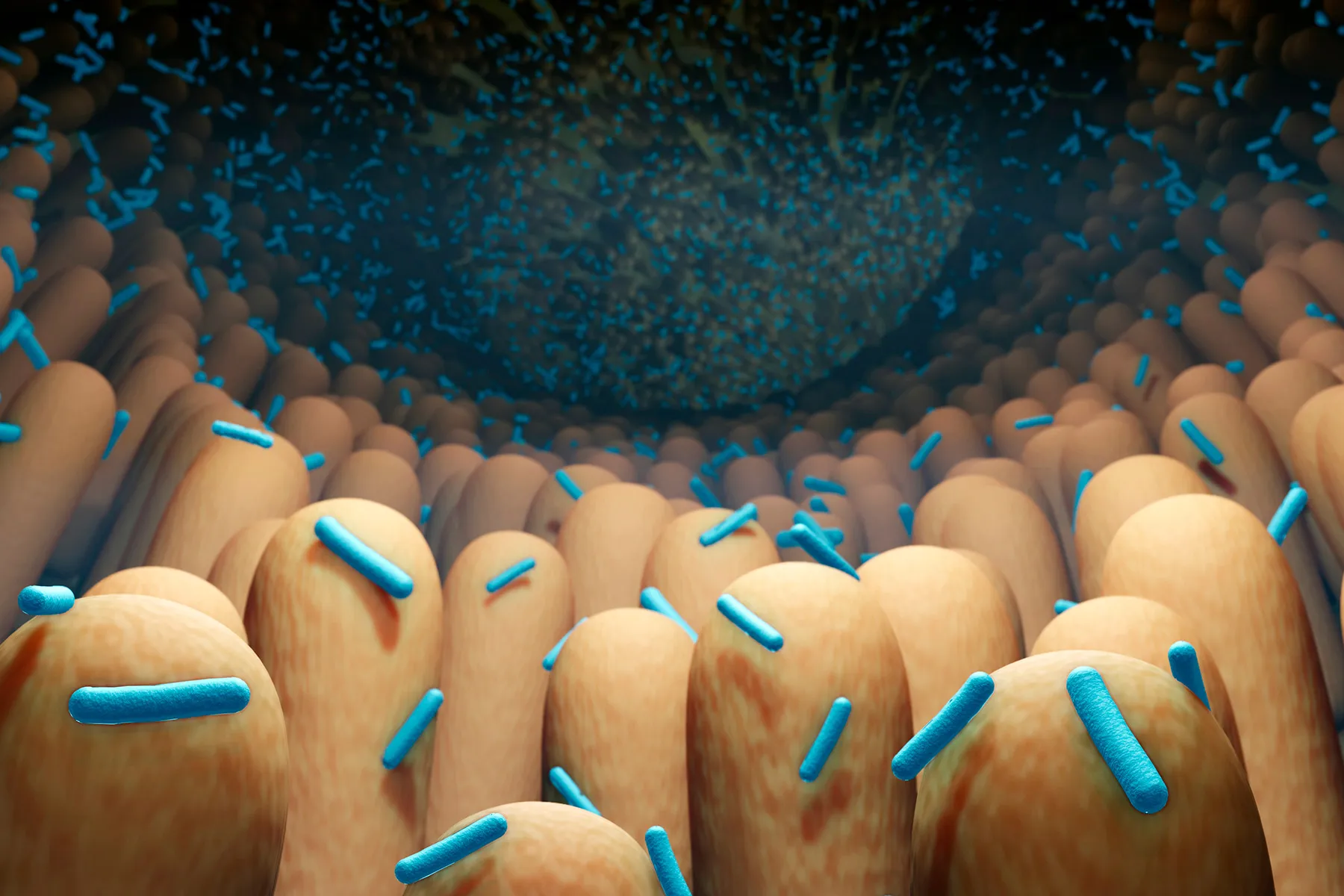
For years, gut health has been the wellness world’s favorite mystery box. One person eats yogurt and feels amazing. Another adds fiber and suddenly becomes a human balloon animal. A third buys a “microbiome reset” product and mostly resets their wallet. The human gut is complicated, moody, and full of tiny organisms that seem to run a very busy underground city.
Now, scientists are getting a better way to study that city without relying only on petri dishes, animal models, or “let’s see what happens” trial-and-error. It is called gut on a chip, and despite sounding like a snack you should not eat during a science fair, it may become one of the most important tools in digestive health research.
A gut-on-a-chip is a small bioengineered device lined with living human intestinal cells. Inside tiny channels, researchers can recreate some of the movement, fluid flow, oxygen levels, immune activity, and microbial interactions that happen in the human intestine. In plain English: it is a miniature, living model of the gut that lets scientists watch digestion, inflammation, infection, drug response, and microbiome behavior in a controlled lab setting.
This technology does not replace doctors, colonoscopies, dietitians, or common sense. But it does give researchers a sharper window into how the gut works. And when the gut is involved in everything from nutrient absorption to immunity, inflammatory bowel disease, medication side effects, and the gut-brain axis, a better window is a very big deal.
What Is a Gut-on-a-Chip?
A gut-on-a-chip is a type of organ-on-a-chip, also known as a microphysiological system. It is usually about the size of a USB stick or microscope slide, but inside it are tiny channels where living human cells grow in a carefully designed environment.
Instead of placing cells flat in a dish and hoping they behave like real intestinal tissue, researchers give them a more realistic home. The chip can include flowing nutrients, intestinal epithelial cells, blood-vessel-like endothelial cells, mucus, immune cells, oxygen gradients, and mechanical stretching that imitates peristalsisthe wave-like squeezing motion that moves food through the gut.
The result is not a full human intestine. Nobody is shrinking a digestive system and putting it in a lab drawer. But compared with traditional flat cell cultures, a gut-on-a-chip can recreate important features of the real intestinal environment: barrier function, cell differentiation, microbial contact, inflammation, absorption, and tissue response over time.
Why the Gut Is So Hard to Study
The human gut is not just a food tube with ambition. It is a living ecosystem. It breaks down food, absorbs nutrients, helps train the immune system, communicates with the nervous system, and hosts trillions of bacteria, fungi, viruses, and other microbes.
That complexity makes gut research difficult. A petri dish is too simple. Animal models are useful, but a mouse gut is not a human gut wearing a tiny lab coat. Human clinical studies are essential, but they are expensive, slow, and limited in what scientists can ethically test. Researchers need models that are realistic enough to reveal human biology but controlled enough to isolate specific mechanisms.
That is where intestinal organ-chip technology shines. Scientists can change one variable at a time: add a bacterial strain, introduce an inflammatory signal, test a drug, adjust oxygen, or compare healthy cells with cells from a patient who has Crohn’s disease or ulcerative colitis. Instead of guessing what happened after the fact, they can observe cause and effect more directly.
How Gut-on-a-Chip Technology Works
Living Human Cells
The chip is usually seeded with human intestinal epithelial cells. Some advanced systems use cells derived from organoids, biopsies, or patient-specific tissue. This matters because human-derived cells can behave more like the real human intestine than generic lab cells.
Fluid Flow
Inside the gut, nothing sits still forever. Fluids move, nutrients pass through, and cells experience constant environmental change. Microfluidic channels in the chip create a steady flow that helps cells mature and function in a more realistic way.
Mechanical Motion
The intestine stretches and contracts during digestion. Some gut chips mimic this motion, which can influence how intestinal cells organize, how tight junctions form, and how microbes interact with the tissue. In short, the gut likes movement. Apparently, even cells know when they are being boring.
Microbiome Support
One of the most exciting advances is the ability to co-culture human intestinal cells with living gut microbes. This is tricky because many important gut bacteria prefer low-oxygen environments. Newer anaerobic intestine-chip models can maintain oxygen conditions that better support complex microbiome communities.
Why This Is a Big Step Forward for Gut Health
Gut health is often marketed as if it can be fixed with one smoothie, one capsule, or one heroic spoonful of sauerkraut. Real science is messier. The microbiome changes from person to person. Diet, medication, sleep, stress, infection, genetics, and age all play a role. A food that helps one person may irritate another. A probiotic that works in one condition may do very little in another.
Gut-on-a-chip technology helps researchers move beyond broad claims. It can show how intestinal cells respond to specific bacteria, how inflammation damages the gut barrier, how drugs are absorbed, and how patient-derived tissue may react differently from healthy tissue. This could help make gut health research more precise and less dependent on one-size-fits-all advice.
For people with chronic digestive problems, that precision matters. Conditions like inflammatory bowel disease, irritable bowel syndrome, celiac disease, colorectal cancer, food sensitivities, and medication-related gut injury are not simple puzzles. They involve immune signals, barrier dysfunction, microbes, diet, and genetics. A gut chip gives scientists a miniature testing ground where those pieces can be studied together.
Gut-on-a-Chip and Inflammatory Bowel Disease
Inflammatory bowel disease, including Crohn’s disease and ulcerative colitis, is one of the clearest areas where gut-on-a-chip technology could help. IBD involves chronic inflammation, immune dysregulation, microbial changes, and damage to the intestinal barrier. Traditional models often capture only part of that story.
With a human colon intestine-chip, researchers can recreate inflammation-like responses, observe immune cell movement, measure barrier injury, and test anti-inflammatory treatments in a controlled environment. Some studies have used patient-derived cells to model disease-specific features, which may help scientists understand why one patient responds to a therapy while another does not.
This does not mean a chip can diagnose IBD at home or replace medical testing. But in drug development, it may help researchers screen therapies earlier, identify mechanisms faster, and reduce the number of failed experiments before clinical trials.
The Microbiome: Finally Getting a Better Stage
The gut microbiome has become famous, but it has also become overhyped. Yes, gut microbes are important. They help ferment fiber, produce metabolites, interact with the immune system, protect against pathogens, and influence gut barrier health. But the microbiome is not a magic keyboard where scientists can press “Bifidobacterium” and play the song of perfect wellness.
One major challenge is that gut microbes live in a very specific environment. Many thrive in low oxygen. They interact with mucus, intestinal cells, immune signals, and each other. Studying them in a standard lab dish can be like trying to understand a rainforest by looking at a houseplant.
Gut-on-a-chip systems provide a more realistic stage. Researchers can study how microbes attach to intestinal tissue, how they produce metabolites, how they influence inflammation, and how antibiotics or diet-related compounds change the balance. This could improve research into probiotics, prebiotics, postbiotics, infections, and microbiome-based therapies.
Drug Testing and Personalized Medicine
One of the biggest promises of organ-on-a-chip technology is better drug testing. The gut is where many medications are absorbed, metabolized, or disrupted by food and microbes. A drug that looks safe in animals may behave differently in humans. A drug that works in a simplified cell culture may fail when exposed to mucus, immune cells, flow, and microbial activity.
A gut-on-a-chip can help researchers ask more human-relevant questions earlier. Will this compound damage the intestinal barrier? Does it trigger inflammation? Is absorption affected by gut bacteria? Could the drug behave differently in tissue from patients with an intestinal disease?
In the future, scientists may be able to build patient-specific chips using cells from an individual person. That could support more personalized treatment decisions. Imagine testing several therapies on a patient’s own intestinal tissue model before choosing one. That future is not fully here yet, but the direction is clear.
Reducing Dependence on Animal Testing
Another reason gut-on-a-chip technology is gaining attention is the growing interest in new approach methodologies, or NAMs. These include organ chips, organoids, advanced cell systems, computer modeling, and other methods designed to produce more human-relevant data while reducing reliance on animal testing.
Animal studies still play a role in biomedical research, but they have limitations. Human biology is not always predicted well by animal biology. For gut health, those differences can be especially important because diet, microbiome composition, immune behavior, and intestinal structure vary widely across species.
Gut-on-a-chip models will not eliminate every need for animal research overnight. Science rarely moves like a superhero landing. But they can help researchers screen drugs, investigate disease mechanisms, and identify safety concerns in ways that are more directly connected to human tissue.
What This Means for Everyday Gut Health
For the average person wondering whether to eat more fiber, take probiotics, or stop blaming every stomach rumble on “toxins,” gut-on-a-chip technology may sound distant. After all, you cannot buy one next to the kombucha.
But the impact could eventually reach everyday care. Better gut models may lead to better treatments for IBD, more accurate testing of digestive side effects, smarter microbiome therapies, and clearer guidance on how diet and medications affect the intestinal barrier.
It may also help clean up gut health marketing. When researchers can test specific claims in more realistic human models, weak ideas may fall apart faster. That is good news for consumers and bad news for miracle products that treat science like a decorative sticker.
Limitations: What Gut-on-a-Chip Cannot Do Yet
Gut-on-a-chip technology is powerful, but it is not perfect. A chip cannot fully recreate the entire body. The gut interacts with the liver, brain, immune system, hormones, metabolism, and nervous system. Some advanced platforms link multiple organ chips together, but whole-body biology remains difficult to model.
Another limitation is standardization. Different labs may use different cell types, chip designs, flow rates, oxygen levels, and measurement methods. For these systems to influence clinical care and regulatory decisions, they need validation, reproducibility, and clear quality standards.
Cost and technical complexity are also barriers. Running a gut-on-a-chip experiment requires specialized equipment and expertise. It is not as simple as putting cells in a dish and hoping they behave. The technology is becoming more accessible, but it is still mainly a research and drug-development tool.
Real-World Examples of Gut-on-a-Chip Research
Researchers have used intestine-chip models to study how mechanical forces and microbes influence intestinal injury and inflammation. Others have developed chips using primary human intestinal cells derived from organoids, helping the model more closely resemble real small intestine or colon tissue.
Advanced platforms have also explored anaerobic microbiome conditions, allowing scientists to keep oxygen-sensitive gut bacteria alive with human intestinal cells. That is a major step because many key gut microbes are not fans of oxygen. They are basically the introverts of microbiology: useful, sensitive, and not interested in bright exposure.
In IBD research, colon chips can model inflammation, barrier damage, immune cell behavior, and tissue-specific responses. In drug development, gut chips may help predict toxicity, absorption, and treatment effects. In microbiome science, they offer a controlled way to test how bacteria, diet-derived molecules, and immune signals interact.
Experience Section: What Gut-on-a-Chip Feels Like from the Human Side
To understand why this technology matters, picture three people meeting the same problem from different angles.
First, there is the patient with recurring gut symptoms. They have tried cutting out dairy, adding yogurt, drinking more water, eating more vegetables, avoiding spicy food, and reading online forums until their browser history looks like a digestive detective novel. They do not want hype. They want answers. For someone like this, gut-on-a-chip research represents hope that future digestive care can become more specific. Instead of “try this and check back later,” medicine may move toward testing how a certain gut environment responds to a therapy before months are lost.
Second, there is the gastroenterologist. In clinic, digestive symptoms can overlap. Bloating, pain, diarrhea, constipation, fatigue, and food reactions can come from many causes. The doctor has medical guidelines, lab tests, imaging, endoscopy, and experience, but the gut still hides details. A better research model can help explain why inflammation persists, why some patients flare after infections, why certain drugs work beautifully for one person and barely wave hello to another. Gut-on-a-chip technology does not make the doctor’s job automatic, but it may sharpen the scientific tools behind future treatment options.
Third, there is the researcher in the lab. Traditional experiments can be frustrating. Cells in a flat dish may not behave like tissue in the body. Animal studies may not translate. Human trials are necessary but slow and expensive. A gut chip gives the researcher a system that is small enough to control but complex enough to be meaningful. They can watch barrier integrity change, track inflammatory signals, introduce microbes, and compare conditions side by side. That is like upgrading from a blurry security camera to a high-definition window.
From a practical health perspective, this technology also teaches a humbling lesson: the gut is not simple. People often want quick fixes, but gut health depends on patterns. Fiber, sleep, stress management, exercise, medication history, infections, immune function, and diet quality all matter. Gut-on-a-chip research reinforces the idea that the intestinal barrier and microbiome respond to environments, not slogans.
For readers, the best takeaway is balanced optimism. This technology is exciting because it may improve research, drug testing, microbiome science, and personalized medicine. But it is not a reason to self-diagnose, replace medical care, or chase every gut trend online. If gut symptoms are persistent, severe, bloody, associated with weight loss, or interfering with daily life, a healthcare professional should be involved. Science can build incredible chips, but your body still deserves real medical attention.
The Future of Gut Health May Be Smaller Than Expected
The phrase “gut on a chip” sounds futuristic, but the core idea is beautifully practical: build a better model of human biology so researchers can ask better questions. The gut is too important to study with blunt tools alone. It influences digestion, immunity, inflammation, metabolism, and possibly brain-related signaling. A more realistic model can help transform scattered clues into clearer answers.
The future may include chips that combine gut tissue with liver, immune, brain, or vascular models. Researchers may use patient-derived cells to test therapies more personally. Drug companies may screen compounds with greater confidence before expensive clinical trials. Microbiome researchers may finally get a better way to separate promising therapies from probiotic fairy dust.
That does not mean every gut mystery will vanish. The human body enjoys being dramatic. But gut-on-a-chip technology gives science a stronger, more human-relevant tool. And in a field where millions of people deal with digestive disorders, chronic inflammation, medication side effects, and confusing gut health advice, that is more than a clever invention. It is a big step forward.
Conclusion
Gut-on-a-chip technology is one of the most promising advances in gut health research because it brings living human intestinal biology into a controlled lab environment. By combining human cells, microfluidic flow, mechanical motion, immune components, and sometimes live microbes, these chips can model the gut in ways traditional systems cannot.
The technology may improve research into inflammatory bowel disease, microbiome therapies, intestinal barrier damage, infection, drug absorption, and personalized medicine. It may also help reduce dependence on animal testing while producing data that better reflects human biology.
Still, gut chips are research tools, not miracle machines. They need validation, standardization, and careful interpretation. The best future is not one where technology replaces medical judgment, but one where it strengthens it. For gut health, that future looks smaller, smarter, and surprisingly chip-shaped.