Important note: Sudocrem can help protect irritated, chafed skin, but it is not an antifungal medicine. Jock itch, also called tinea cruris, is a fungal infection. That means the star of the treatment plan should be an antifungal cream, powder, spray, or gel. Sudocrem may play a supporting rolethink helpful sidekick, not superhero with a cape.
Can You Use Sudocrem for Jock Itch?
Yes, Sudocrem may be used carefully as a supportive skin protectant for jock itch-related rubbing, irritation, and moisture stress. However, it should not replace proven antifungal treatment. Jock itch usually appears in the groin folds, inner thighs, buttocks, or nearby areas where heat, sweat, and friction create a tiny vacation resort for fungus. Unfortunately, the fungus never checks out voluntarily.
Sudocrem contains zinc oxide, an ingredient that forms a protective barrier on the skin. This can be useful when skin feels raw, rubbed, or uncomfortable. But zinc oxide does not kill the dermatophyte fungi that commonly cause jock itch. For that job, over-the-counter antifungal ingredients such as terbinafine, clotrimazole, miconazole, or tolnaftate are commonly used.
What Jock Itch Looks and Feels Like
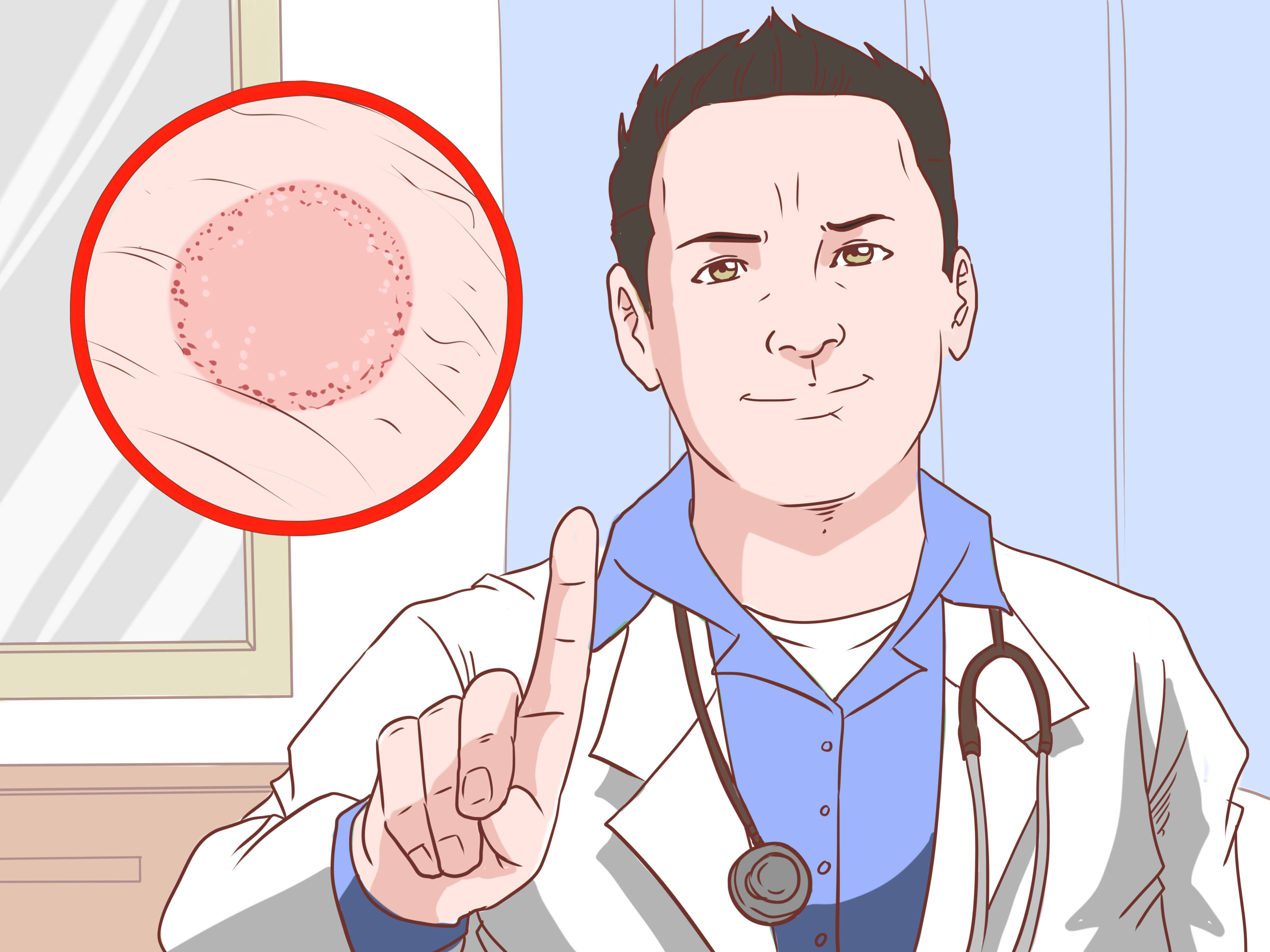
Jock itch often starts as an itchy, red, brown, gray, or irritated rash in the crease where the thigh meets the groin. It may spread outward toward the inner thighs, buttocks, or waistline. The edge of the rash may look raised, scaly, flaky, or ring-shaped. Some people feel burning, stinging, or intense itching; others mostly notice peeling or discomfort when walking, exercising, or wearing tight clothing.
Because several skin problems can look similaryeast rash, eczema, psoriasis, allergic irritation, bacterial infection, or chafingit is smart to pay attention to how the rash behaves. A classic jock itch rash usually likes warmth, sweat, and friction. If it worsens despite antifungal treatment, spreads quickly, becomes painful, produces pus, or keeps coming back, a clinician should check it.
How to Treat Jock Itch With Sudocrem: 15 Steps
Step 1: Confirm That It Seems Like Jock Itch
Before reaching for any cream, look at the pattern. Jock itch typically affects the groin folds and inner thighs and may have a scaly, raised edge. If the rash is mostly on the genitals, has open sores, severe pain, blisters, unusual discharge, fever, or swelling, do not self-diagnose. Get medical advice. The groin is not the place for “close enough” medicine.
Step 2: Understand Sudocrem’s Real Role
Sudocrem is a skin protectant, not a jock itch cure. It may help reduce rubbing and protect irritated skin, but it does not directly treat the fungal infection. Use it only as a thin barrier layer when needed, and only after your antifungal has had time to absorb.
Step 3: Choose an Antifungal Treatment First
Pick an over-the-counter antifungal labeled for jock itch or ringworm. Common options include terbinafine, clotrimazole, miconazole, and tolnaftate. Follow the label exactly. Some products are used once daily; others are used twice daily. The right schedule is the one on the package, not the one invented by impatience.
Step 4: Wash Your Hands Before Touching the Area
Fungus can spread from one body area to another, especially from athlete’s foot to the groin. Wash your hands before applying medication. If you also have itchy, peeling feet, treat athlete’s foot at the same time so your feet do not keep sending the fungus back like an unwanted subscription renewal.
Step 5: Clean the Skin Gently
Use mild soap and lukewarm water. Avoid harsh scrubbing, scented body washes, and aggressive exfoliation. Jock itch already makes the skin irritated; it does not need a motivational speech from a loofah.
Step 6: Dry the Area Completely
This step matters. Fungus loves moisture. Pat the skin dry with a clean towel, then allow the area to air-dry for a few minutes if possible. Use a separate towel for the infected area and wash it regularly.
Step 7: Apply the Antifungal to the Rash and Nearby Skin
Apply a thin layer of antifungal medicine over the rash and slightly beyond the visible border. Fungal edges can be sneaky, and the visible rash may not show the whole area involved. Do not glob on extra medicine unless the label says so. More cream does not mean faster healing; it often just means stickier underwear.
Step 8: Let the Antifungal Absorb
Wait several minutes before putting on clothing or adding any barrier product. The antifungal needs contact with the skin. Covering it immediately with a heavy layer of another cream may interfere with how well it sits on the affected area.
Step 9: Use Sudocrem Sparingly for Friction
If the skin is rubbed raw or irritated from walking, sweating, or clothing, apply a very thin layer of Sudocrem to areas of friction after the antifungal has absorbed. Keep it light. The goal is a breathable protective film, not frosting a cupcake.
Step 10: Avoid Thick, Occlusive Layers on Active Rash
A heavy layer of barrier cream can trap heat and moisture. That may make the environment more comfortable for fungus. Use Sudocrem only where chafing is a problem and avoid smothering the whole rash.
Step 11: Wear Loose, Breathable Underwear
Choose cotton or moisture-wicking underwear that does not rub. Avoid tight jeans, compression shorts, or sweaty workout gear for long periods. If your clothes leave marks, trap sweat, or make you walk like a cowboy in a silent film, they are not helping.
Step 12: Change Clothes After Sweating
After exercise, yard work, sports, or a hot commute, shower and change into dry clothing. Do not sit around in damp underwear. The fungus is already too comfortable; do not offer it a spa package.
Step 13: Wash Towels, Underwear, and Athletic Gear
Wash underwear, towels, gym shorts, athletic supporters, and workout clothes regularly. Do not share towels or clothing. Clean gear that touches the groin or thighs. Reinfection often happens because the rash is treated, but the laundry basket is running a fungal fan club.
Step 14: Continue Treatment Long Enough
Keep using the antifungal for the full time listed on the product label, even if symptoms improve early. Many clinicians recommend continuing treatment for a short period after the rash clears to reduce the chance of return. Stopping too soon is one of the most common reasons jock itch comes back for an encore nobody requested.
Step 15: Know When to See a Healthcare Provider
Get medical advice if the rash does not improve after about two weeks of home care, is severe, returns often, spreads widely, or looks infected. Also seek help sooner if you have diabetes, a weakened immune system, significant pain, fever, drainage, or uncertainty about the diagnosis. Prescription antifungal creams or pills may be needed for stubborn cases.
Sudocrem and Antifungal Cream: Which Goes First?
Use the antifungal first. Clean the area, dry it fully, apply the antifungal, let it absorb, and then use a small amount of Sudocrem only where friction or chafing is bothering you. Do not mix the two creams together in your palm. That creates a mystery paste, not a treatment plan.
If your skin feels too wet or greasy after applying Sudocrem, you may be using too much. A thin layer is enough. If irritation increases, stop using Sudocrem and rinse gently. Some people are sensitive to ingredients such as lanolin, fragrance components, preservatives, or propylene glycol, so watch for worsening redness, burning, or swelling.
Common Mistakes to Avoid
Using Sudocrem Alone
This is the big one. Sudocrem may soothe and protect, but jock itch needs antifungal treatment. Using only a barrier cream may delay proper care and allow the rash to spread.
Using Steroid Cream Without a Diagnosis
Do not use steroid creams for suspected jock itch unless a clinician tells you to. Steroids may reduce redness temporarily, but they can also make fungal infections worse or harder to recognize.
Scratching the Rash
Scratching can break the skin and increase the risk of bacterial infection. Keep nails trimmed, wear soft clothing, and use the antifungal consistently. If itching is intense, ask a pharmacist or clinician what itch-relief options are appropriate.
Ignoring Athlete’s Foot
Jock itch and athlete’s foot often travel as a team. Dry your feet before your groin after showering, use separate towels if needed, and treat both areas when symptoms are present.
Prevention Tips After the Rash Clears
Once the skin looks normal, prevention becomes the real victory lap. Keep the groin clean and dry, change underwear daily, shower after sweating, avoid sharing towels, and wear breathable clothing. Antifungal powder may help people who sweat heavily, but it should be used according to product instructions.
If jock itch keeps coming back, look for patterns. Does it happen after workouts? During hot weather? After wearing tight uniforms or compression shorts? After athlete’s foot flares? The rash may be annoying, but it often leaves clues like a tiny fungal detective novel.
Experience-Based Tips: What People Learn While Treating Jock Itch With Sudocrem
Many people first try Sudocrem because the skin feels rubbed, sweaty, and irritated. That makes sense. A zinc oxide barrier cream can feel comforting on chafed skin, especially when walking, running, or working in hot weather turns every step into a tiny complaint. The experience usually goes best when Sudocrem is treated as comfort care rather than the main cure.
A practical routine often looks like this: shower after sweating, dry the area carefully, apply antifungal medicine, wait, then use a tiny amount of Sudocrem only where clothing rubs. People who succeed tend to be consistent. They do not apply treatment once, forget for three days, and then blame the fungus for being “stubborn.” Fungal infections are persistent, but skipped treatment is basically an engraved invitation.
Another lesson is that dryness matters more than most people expect. Someone may use the correct antifungal but keep wearing tight gym shorts, damp underwear, or heavy clothing. The rash improves, then returns. Once they switch to looser underwear, change clothes after sweating, and dry the area properly, the treatment finally gets a fair chance to work.
Sudocrem can also teach a “less is more” lesson. A thick white layer may feel protective at first, but too much cream can make the area warm and greasy. That is not ideal for jock itch. A thin layer is usually enough for friction. If the skin cannot breathe, the fungus may enjoy the cozy environment more than you do.
People also learn to respect laundry. Towels, underwear, athletic gear, and sleepwear can keep moisture and skin flakes around. Washing them regularly and avoiding shared towels can help prevent the rash from bouncing back. It is not glamorous advice, but neither is jock itch. Sometimes the road to recovery runs directly through the washing machine.
The final experience-based tip is to avoid embarrassment. Jock itch is common. It does not mean someone is dirty, careless, or doomed to live with an itchy groin forever. It usually means fungus found warmth, moisture, and frictionthree things that happen to athletes, workers, students, travelers, and basically anyone with skin and sweat glands. Treat it early, use antifungal medicine properly, keep the area dry, and use Sudocrem only as a careful supporting tool.
Conclusion
Sudocrem can help protect irritated skin during a jock itch flare, but it should not be used as the main treatment. Jock itch is a fungal infection, so an antifungal medicine is the key step. The best approach is simple: clean gently, dry thoroughly, apply antifungal treatment as directed, use a small amount of Sudocrem only for chafing if needed, wear breathable clothing, wash towels and underwear, and keep going until the treatment course is complete.
If symptoms do not improve, if the rash returns often, or if you are unsure whether it is truly jock itch, see a healthcare provider. A quick diagnosis can save weeks of guessing, scratching, and awkward walking.