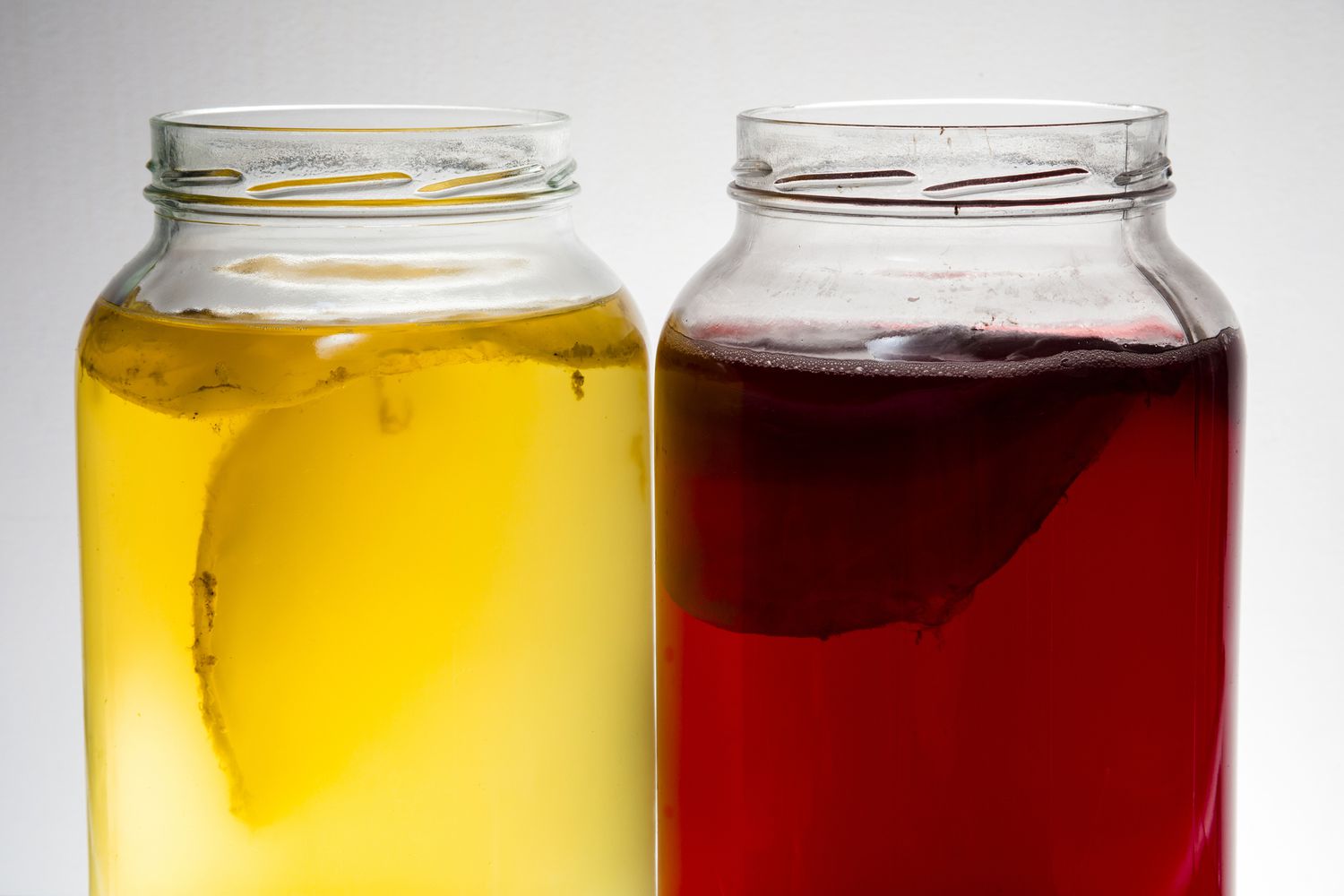
Kombucha has pulled off one of the great PR miracles of modern food culture. It started life as fermented tea with a weird rubbery pancake floating on top and somehow rebranded itself as a wellness darling. Now it lives in sleek glass bottles, glows with probiotic mystique, and whispers sweet promises about gut health, immunity, detox, and eternal youth. Well, maybe not eternal youth, but definitely the kind that makes people say things like, “I feel amazing after three sips.”
So what is kombucha really? Is it an immortal health elixir bubbling with beneficial microbes, or a homemade science experiment that can go sideways faster than an over-carbonated bottle cap? The honest answer is less dramatic and more useful: kombucha is neither a miracle cure nor an automatic menace. It sits somewhere in the middle. When made and handled properly, it can be an enjoyable fermented drink with some potentially helpful traits. When brewed carelessly, stored incorrectly, or consumed with unrealistic expectations, it can become a fizzy little problem in a jar.
If you are looking for the short version, here it is: kombucha may offer some benefits because it starts with tea and ends with fermentation. That gives it a mix of polyphenols, organic acids, and sometimes live microorganisms. But the hype often outruns the evidence. Most bold health claims still lean more on lab studies, animal research, and good marketing than on large, rigorous human trials. At the same time, the risks are very real when hygiene, acidity, containers, or alcohol levels are not kept in check.
What Kombucha Actually Is
Kombucha is traditionally made by fermenting sweetened tea with a SCOBY, short for “symbiotic culture of bacteria and yeast.” That SCOBY is the famous jelly-like disc that looks like it belongs in a high school biology lab but is actually the engine behind the drink. The microbes feed on sugar, transform the tea, and produce a tangy beverage that usually contains acids, trace alcohol, and a changing mix of compounds depending on the tea, sugar, fermentation time, temperature, and storage conditions.
This matters because kombucha is not a single, standardized product. Two bottles on the same store shelf can differ in sugar content, acidity, caffeine, and whether they still contain living microbes. A home-brewed batch can vary even more. That makes blanket statements like “kombucha is great for everyone” about as scientifically precise as saying all soups are the same because they are wet.
It also helps explain why kombucha can be difficult to study. Researchers are not evaluating one fixed recipe. They are evaluating a moving target. One brew may be light, tart, and low in sugar. Another may be sweet enough to qualify as dessert with bubbles. Another may continue fermenting in the bottle and creep upward in alcohol content. In other words, kombucha is part beverage, part microbial improv performance.
Why People See Kombucha as a Health Elixir
Fermentation gives it a gut-health halo
Fermented foods have earned a solid reputation in nutrition circles, especially when they contain live microorganisms. That reputation is one reason kombucha gets so much love. People associate it with yogurt, kefir, kimchi, miso, and other fermented foods that may support a healthy gut environment. Some commercially sold kombucha does contain live microbes, and many drinkers reach for it specifically as a probiotic-style beverage.
But here is the catch: not all fermented foods are probiotic in the meaningful, evidence-based sense. Some are pasteurized after fermentation. Some lose viable organisms during storage. And even when live microbes are present, the health effects are often strain-specific, dose-specific, and condition-specific. So yes, kombucha may fit into a gut-friendly eating pattern, but it should not be confused with a guaranteed microbiome makeover in a bottle.
Tea brings antioxidants to the party
Kombucha starts as tea, and tea already comes with a good nutrition reputation thanks to compounds like polyphenols. Those antioxidants are linked to reduced oxidative stress and are part of the reason black and green tea keep showing up in health conversations. Fermentation may alter or even increase some of these bioactive compounds, which helps explain why kombucha is often discussed as a “functional beverage.”
Still, some of kombucha’s glow likely belongs to the tea itself. If a drink begins with antioxidant-rich tea, then part of the health story may have less to do with the mystical powers of the SCOBY and more to do with the fact that tea was doing respectable work long before kombucha became trendy.
Early research hints at possible benefits
This is where things get interesting, but also where marketers tend to put on roller skates. Some research suggests kombucha could help with blood sugar control, inflammation, cholesterol patterns, and liver-related markers. A small human pilot study has suggested a possible blood sugar benefit in people with diabetes, and other reviews have described promising signals in gut and metabolic health.
That said, “promising” is not the same as “proven.” Small studies can be useful, but they do not settle the case. A single pilot trial does not mean your afternoon kombucha is now a prescription. It means researchers have enough reason to keep looking.
Where the Hype Runs Ahead of the Evidence
If kombucha had a publicist, that publicist would be working overtime. Claims about detoxification, immunity, disease prevention, cancer protection, and dramatic digestive healing are everywhere. The problem is that the strongest scientific support for those sweeping claims is not there yet.
Systematic reviews have repeatedly pointed to the same issue: human clinical evidence is limited. That does not mean kombucha is useless. It means the boldest claims are running on fumes, anecdotes, and wishful thinking. Much of the research that sounds exciting comes from cell studies, animal experiments, or general knowledge about probiotics and tea compounds rather than large, well-designed human trials on kombucha itself.
That distinction matters. Lab findings are valuable, but they do not always translate neatly to real people living real lives, eating real diets, and forgetting their reusable grocery bags in the car. When a wellness product is described as a cure-all, skepticism is not negativity. It is housekeeping for the brain.
When Kombucha Can Become a Problem
Homemade brewing can go wrong
The biggest safety issue with kombucha is not that fermentation is inherently dangerous. Humans have been fermenting foods for ages. The issue is that home fermentation requires control. When sanitation slips, unwanted bacteria or mold can join the party. When the brew is too acidic or not acidic enough at the wrong time, problems can follow. When people use the wrong containers, especially lead-glazed ceramic, the drink can pick up harmful contaminants.
This is why health and food-safety sources keep coming back to the same warnings: use sanitary tools, monitor the process, watch the pH, discard any batch with visible mold, refrigerate finished kombucha, and do not brew it in containers that can leach lead. Homemade kombucha is not automatically unsafe, but it does demand more respect than people sometimes give it.
It can contain alcohol, even when you are not trying
Because kombucha is fermented, it naturally produces some alcohol. In many products, that amount stays low. But fermentation does not always stop just because the bottle gets pretty. Alcohol can continue rising during storage, especially if the product is not properly controlled. In the United States, once kombucha reaches 0.5% alcohol by volume or higher, it crosses an important regulatory line.
That means kombucha is not always the squeaky-clean “nonalcoholic” angel some shoppers assume it is. For people who avoid alcohol for health, religious, pregnancy-related, recovery-related, or personal reasons, this is more than trivia. It is label-reading season.
Some people should be especially cautious
Kombucha is not a great candidate for the “everyone should drink this” club. People who are pregnant or breastfeeding, immunocompromised, or especially sensitive to alcohol or acidity should be cautious or avoid it altogether. Some experts also warn about possible interactions tied to stomach pH and the variability of unregulated home brews.
Even for generally healthy adults, more is not always better. Kombucha can cause stomach upset, nausea, headache, and gastrointestinal distress in some people, especially when consumed in excess. A little fizzy tang can be refreshing. Chugging bottle after bottle because it has a wellness label is how good intentions become a very inconvenient afternoon.
Store-Bought vs. Homemade: Which Is Safer?
In general, commercially produced kombucha from reputable brands is the safer bet. That does not make it perfect, but it usually means better control over sanitation, labeling, refrigeration, and alcohol monitoring. You can compare sugar content, check whether it says “keep refrigerated,” and look for an ingredients list that does not read like a chemistry set having an identity crisis.
Homemade kombucha can be excellent in the hands of someone who understands fermentation basics and follows food-safety practices. But that “can” is doing a lot of work. Home brewers need clean tools, quality starter culture, proper containers, temperature control, pH awareness, and the discipline to toss a sketchy batch without trying to emotionally negotiate with mold.
How to Drink Kombucha Without Acting Like It Is Magic
Choose it for what it is, not what influencers say it is
The smartest approach to kombucha is refreshingly unglamorous. Think of it as a beverage, not a belief system. If you enjoy the taste and your body tolerates it well, it can absolutely fit into a balanced diet. It may be a nicer choice than a highly sweetened soda, especially if you pick a lower-sugar version. But it is not a substitute for fiber, fruits, vegetables, sleep, exercise, or actual medical care.
Read the label like a grown-up
Check the sugar content. Look for refrigeration instructions. Notice the serving size. If alcohol matters to you, do not assume the bottle is harmless just because it is sold next to juice. If you are buying for gut health, remember that not every fermented drink guarantees meaningful probiotic action.
Start small
If you are new to kombucha, start with a modest amount. This is especially true if you are sensitive to caffeine, acidic drinks, or bubbly beverages. Your digestive system does not care that a product has a wellness aura. It cares what actually lands in it.
The Real Verdict: Elixir, Poison, or Just Complicated Tea?
Kombucha is best understood as a potentially beneficial fermented beverage with a tendency to attract exaggerated claims. It is not an immortal health elixir. No drink gets to wear that crown, and if one ever does, it will probably not arrive with a floating SCOBY and a name that sounds like a wizard’s sneeze.
But it is also not automatically homemade poison. That label is too dramatic for a drink that, when properly made and sensibly consumed, is often just a tart, fizzy tea with some interesting biological features. The real danger appears when people assume “natural” means “risk-free,” or when home brewers skip safety steps because the internet told them fermentation is foolproof.
So the reasonable conclusion is this: kombucha can be a fun, flavorful part of a healthy diet for some people. It may offer benefits linked to tea compounds and fermentation. Yet the evidence is still developing, and the risks become more serious when brewing standards, hygiene, storage, or personal health factors are ignored.
In other words, kombucha does not deserve a halo or a horror soundtrack. It deserves context. Drink it because you enjoy it. Appreciate its potential. Respect its limits. And never trust a jar of homemade fizz just because it looks artisanal in sunlight.
Real-World Experiences With Kombucha: What People Often Learn the Hard Way
One reason kombucha remains such a conversation magnet is that people tend to have strong experiences with it, and those experiences are rarely boring. New drinkers often describe their first encounter the same way: curiosity, one cautious sip, a pause, and then a confused face that says, “So this is vinegar tea with ambition?” Some grow to love the tangy taste. Others decide immediately that plain water has never betrayed them and never will.
A common experience among casual kombucha fans is using it as a “better soda” swap. For many people, that works well. The fizz scratches the same itch, but the drink can feel less syrupy and more interesting. That said, shoppers are often surprised when they actually read the label and discover that some bottles are much sweeter than expected. The word “health” has a funny way of making sugar look invisible until the Nutrition Facts panel ruins the mood.
Home brewers tend to go through a particularly dramatic learning curve. At first, the process feels charming and wholesome. There is tea, sugar, a jar, and a SCOBY that gets treated like a slightly unsettling pet. Then reality arrives. Fermentation temperatures matter. Clean tools matter. pH matters. Refrigeration matters. And bottle pressure definitely matters. Plenty of enthusiastic beginners have learned that “natural carbonation” is delightful right up until a neglected bottle opens with the energy of a small fireworks show.
Another common experience is assuming that all homemade batches are automatically more “pure” than store-bought versions. Sometimes that confidence fades after a batch develops suspicious fuzz, strange discoloration, or an odor that suggests nail polish remover and regret. Experienced brewers usually become much more disciplined over time. They stop improvising with random containers, stop guessing about acidity, and stop treating food safety like an optional side quest.
There are also people who swear kombucha helps them feel lighter, less bloated, or more regular. Others report the exact opposite and find that too much leaves them with a grumpy stomach, a headache, or a level of digestive honesty they did not ask for. Both kinds of experiences make sense. Fermented drinks can affect people differently, especially when caffeine, acidity, sugar, and carbonation all enter the chat at once.
Then there is the social side of kombucha, which is honestly half the fun. It has become one of those beverages that says something about identity. Some people drink it because they genuinely like it. Some drink it because they want something less sugary than soda. Some drink it because it lives in that magical retail zone where “wellness” and “expensive” shake hands. And some people keep a bottle in the fridge mostly so guests will assume they know what a microbiome is.
In the end, the most useful real-world lesson is surprisingly simple: kombucha is a drink that rewards realism. People tend to enjoy it most when they stop expecting miracles, choose products carefully, and treat home brewing with proper respect. Once the hype settles down, kombucha becomes what it probably should have been all along: an interesting fermented tea with potential upside, a few legitimate cautions, and absolutely no obligation to transform anyone into a glowing wellness deity by Tuesday.