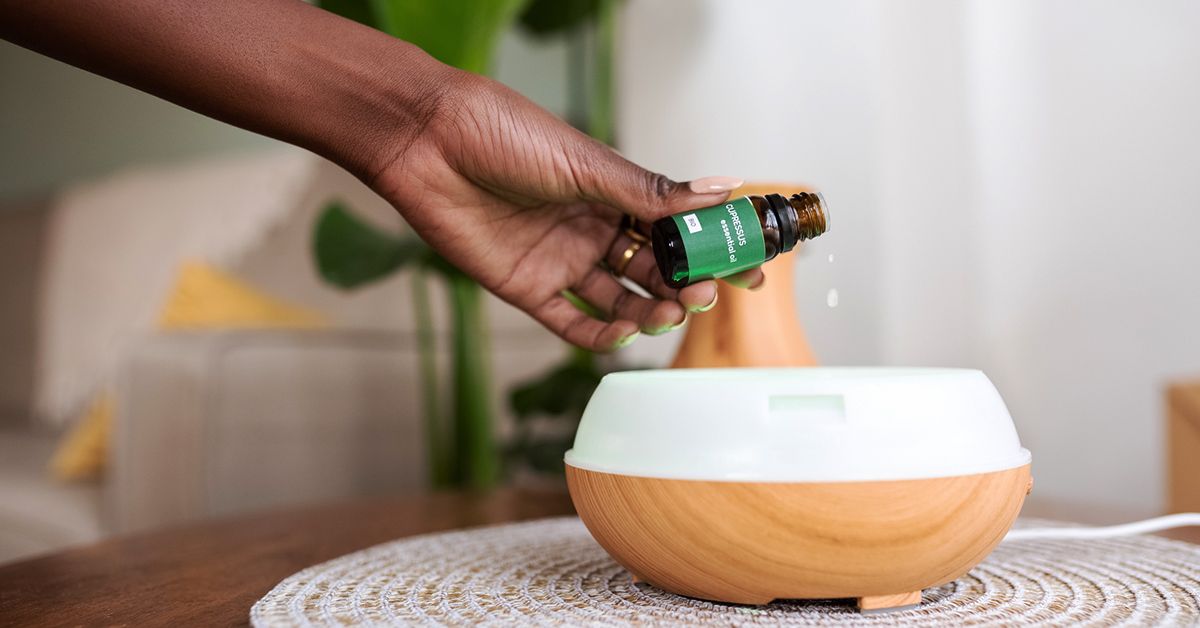
Essential oils can make a hallway smell less like yesterday’s sneakers, turn a plain massage into a small luxury, and add personality to everyday routines. They are also highly concentrated plant extracts, so “natural” is not permission to pour them everywhere like aromatic hot sauce.
The safest approach is simple: use small amounts, dilute before skin contact, ventilate rooms, and treat every bottle as a potent product. Essential oils should not replace medical care, proper cleaning, or an EPA-registered disinfectant when germ control matters.
Before You Begin: Essential Oil Safety in Plain English
Essential oils are commonly inhaled or used in diluted topical products. Swallowing them is different: some can cause serious poisoning, especially in children. Keep bottles tightly closed, clearly labeled, and stored away from children, pets, heat, and flames.
Lavender, tea tree, peppermint, citrus, clove, cinnamon, lemongrass, and other oils may irritate skin or trigger allergic contact dermatitis. Dilute first, patch-test a small area, and stop if you notice burning, redness, itching, swelling, coughing, wheezing, headache, or nausea.
Ask a healthcare professional before use during pregnancy or breastfeeding, or if you have asthma, seizures, serious allergies, chronic lung disease, or complex medications. Parents need age-appropriate pediatric guidance. Pet owners should ask a veterinarian because cats and dogs may be harmed through ingestion, skin exposure, or concentrated airborne droplets.
How to Choose a Better Bottle
Look for dark glass packaging and a label listing the common and Latin plant names, plant part, extraction method, origin, and batch number. Skip products promising to cure infections, detox organs, or replace treatment. “Therapeutic grade” sounds official, but it is not a universal government quality standard.
1. Create a Light, Intentional Home Fragrance
An essential oil diffuser is one of the easiest ways to use aromatherapy at home. The goal is not to make the room smell as though a lavender factory exploded. A light aroma is usually more pleasant and less likely to irritate noses or lungs.
How to Use a Diffuser
Fill the device according to its instructions and begin with the lowest suggested number of drops. Run it briefly in a ventilated room rather than continuously. Keep it where children and pets cannot reach the water, and clean the reservoir regularly.
Try lavender or Roman chamomile in an evening sitting area, sweet orange after cooking, or a small amount of peppermint in a home office. These are fragrance choices, not guarantees of sleep, focus, or better health. Personal preference matters more than an online chart announcing which scent your soul supposedly needs.
Never add oil to an ordinary humidifier unless its manufacturer explicitly permits it. People with asthma, COPD, migraines, or fragrance sensitivity may do better with fresh air and an unscented room.
2. Freshen Closets, Drawers, and Small Spaces
For low-tech home fragrance, use a removable scent source instead of spraying oil directly onto fabric, wood, paint, or upholstery. Essential oils can discolor surfaces and damage some finishes.
Make a Simple Scent Jar
Add one-half cup of baking soda to a small jar and stir in three to five drops of essential oil. Cover the opening with breathable fabric secured by the ring, or use a lid with small holes. Place it upright in a closet, near a shoe rack, or beside a trash can where children and pets cannot reach it.
Sweet orange, cedarwood, lavender, and lemon are popular options. Refresh with one or two drops when the scent fades. More oil does not automatically make a room fresher; sometimes it simply makes the room smell as if it is trying too hard.
For drawers, place one drop on a washable felt pad, let it absorb, and tuck it into a ventilated container so it never touches clothing. This makes the scent easy to remove if it becomes overwhelming.
3. Add Aroma to Light-Duty Household Cleaning
Essential oils can add fragrance to a basic cleaner, but soap or detergent does the cleaning. A homemade mixture is not a disinfectant. When illness, raw-meat contamination, or high-risk germs are involved, use an EPA-registered disinfectant exactly as labeled.
A Fresh-Batch Soap Cleaner
For routine wiping of sealed, nonporous surfaces, combine one teaspoon of unscented liquid dish soap with two drops of lemon, lavender, or tea tree oil. Stir the oil into the soap first, then mix it into two cups of warm water. Prepare only what you need, apply with a cloth, and rinse where appropriate.
Spot-test first. Avoid unsealed stone, waxed wood, electronics, specialty finishes, and surfaces whose manufacturer warns against soap, moisture, or citrus oils. Never combine this mixture with bleach, ammonia, acids, or other cleaners. Household chemistry does not award bonus points for improvisation.
For a scented sink scrub, mix one cup of baking soda with three drops of lemon oil. Use a small amount on a wet stainless-steel or porcelain sink, scrub gently, and rinse. Skip scratch-prone materials.
4. Make a Properly Diluted Body or Massage Oil
Aromatic massage is a familiar way to use essential oils for the body. A carrier oilsuch as jojoba, fractionated coconut, grapeseed, or sweet almondprovides slip while sharply reducing the concentration touching the skin.
Start With a Conservative Dilution
For a roughly 1% adult dilution, add about six drops of essential oil to one fluid ounce of carrier oil. Drop size varies, so this is an estimate. Beginners and people with reactive skin can use less. Label the bottle with its ingredients and date, then store it in a cool, dark place.
Lavender creates a soft evening blend, while sweet orange offers a brighter aroma. Keep oils away from eyes, the inside of the nose and ears, broken skin, and irritated areas. Do not use them to self-treat a rash, infection, injury, or persistent pain.
Patch-test the blend on the inner forearm before broad use. People with eczema or fragrance allergy may prefer plain, fragrance-free massage oil. Some citrus oils, including certain bergamot oils, can increase sun sensitivity, so check the supplier’s safety instructions.
5. Build a Safer Bath or Foot-Soak Ritual
Dropping essential oil directly into bath water is a classic mistake. Oil and water do not mix, so concentrated droplets may land on skin and cause stinging or irritation in places where nobody wants an aromatherapy surprise.
Use a Dispersing Bath Base
The simplest option is a commercially formulated bath oil, gel, or salt product designed to disperse essential oils. Follow its label rather than adding extra drops. For a homemade adult foot soak, mix one drop of lavender into one tablespoon of fragrance-free liquid bath base or a cosmetic dispersant intended for essential oils. Stir it thoroughly into warm water before soaking.
Keep the session brief and stop if you experience irritation, coughing, dizziness, or headache. Carrier oils can make tubs and floors slippery, so rinse the surface and use a bath mat before relaxation becomes an unplanned balance test.
People with diabetes, poor circulation, neuropathy, wounds, or active skin conditions should seek professional advice before foot soaks. For children, pregnancy, or highly sensitive skin, a fragrance-free bath is often the better option.
Common Mistakes to Avoid
- Using oils undiluted: Direct application raises the risk of irritation, sensitization, or burns.
- Swallowing essential oils: Concentrated oils can be toxic and should not be added casually to food or drinks.
- Making medical promises: Aromatherapy may support a pleasant routine, but it does not cure infections or chronic disease.
- Diffusing continuously: Ventilate the room and schedule fragrance-free breaks.
- Ignoring other household members: A scent you love may trigger symptoms in a guest, child, or pet.
- Keeping old blends forever: Heat, light, air, and time can change oils and increase irritation risk.
If an oil is swallowed, splashed into the eyes, or causes concerning symptoms, contact U.S. Poison Control at 1-800-222-1222. Call 911 for breathing trouble, seizures, collapse, or inability to wake the person.
Conclusion: Let Essential Oils Be Supporting Characters
The most useful methods are usually the least dramatic: a lightly scented room, a removable closet freshener, a soap-based cleaner, a diluted massage oil, or a carefully dispersed bath product.
Start with less than you think you need. Read labels, respect sensitivities, and remember that fragrance is not cleanliness, disinfection, or medical treatment. Used thoughtfully, essential oils can be charming supporting characters in a home routinewithout taking over the entire production.
Bonus Experience: One Week of Practical Essential Oil Use
The following 500-word scenario combines common, realistic user experiences. It is an illustrative routine, not a claim of medical benefit or a substitute for professional advice.
Day 1: Starting Smaller Than Expected
The first surprise was how little oil the room actually needed. A diffuser filled to the manufacturer’s line with only a few drops of sweet orange created a noticeable scent within minutes. The original plan had been to add more, but “more” would have pushed the room from fresh to aggressively fruit-themed. Running the diffuser briefly, then opening the door, produced a softer result that lingered without becoming tiring.
Day 2: The Closet Test
A baking-soda scent jar went onto a high closet shelf. Cedarwood made the space smell warmer, but the biggest lesson was placement. When the jar sat too close to clean towels, the scent felt heavy. Moving it several feet away made the fragrance subtle. The experiment also confirmed that removable scent sources are easier to control than fabric sprays. Nothing was stained, and the jar could disappear instantly when a fragrance-sensitive visitor arrived.
Day 3: Cleaning Without Pretending to Disinfect
The fresh-batch soap cleaner worked well for wiping fingerprints from sealed counters and cabinet pulls. It smelled pleasant, but the important mental adjustment was separating “smells clean” from “has been disinfected.” The mixture handled ordinary grime because it contained soap and water. For the cutting board used with raw chicken, a labeled disinfecting product remained the correct tool. This distinction was less glamorous than an all-purpose miracle recipe, but considerably more useful.
Day 4: The Patch Test Earns Its Keep
A 1% lavender massage blend was tested on the inner forearm before being used on the shoulders. No reaction appeared, and the final massage needed only a small amount. The scent made the routine feel intentional, but the massage itselfthe slow pressure, the quiet room, and the pause from screensprobably did much of the relaxing work. That was not disappointing. It was a reminder that essential oils can support a ritual without needing superhero powers.
Day 5: A Scent-Free Day
After several days of experimenting, the best choice was no fragrance at all. The nose had begun to feel tired, and a scent-free break reset the experience. Aromatherapy did not need to become background noise from morning to night. Intermittent use kept each aroma noticeable and reduced the chance that the entire home would smell like a gift shop with ambition.
Day 6: The Foot-Soak Reality Check
One drop of lavender was mixed into a dispersing bath base before it touched the water. The oil did not float in visible beads, and the fragrance stayed gentle. The basin still became slightly slippery, so cleanup mattered. A towel under the bowl and a careful rinse afterward prevented the “relaxation followed by slapstick” sequence that bathroom floors seem eager to arrange.
Day 7: Keeping Only What Worked
By the end of the week, the useful system was modest: one short diffuser session, one closet jar, one clearly labeled massage blend, and an occasional foot soak. The complicated blends and endless online recipes suddenly looked unnecessary. The most satisfying experience came from consistency, low concentrations, and easy-to-stop methods. Essential oils worked best as optional accentspleasant, controlled, and never in charge of the household.