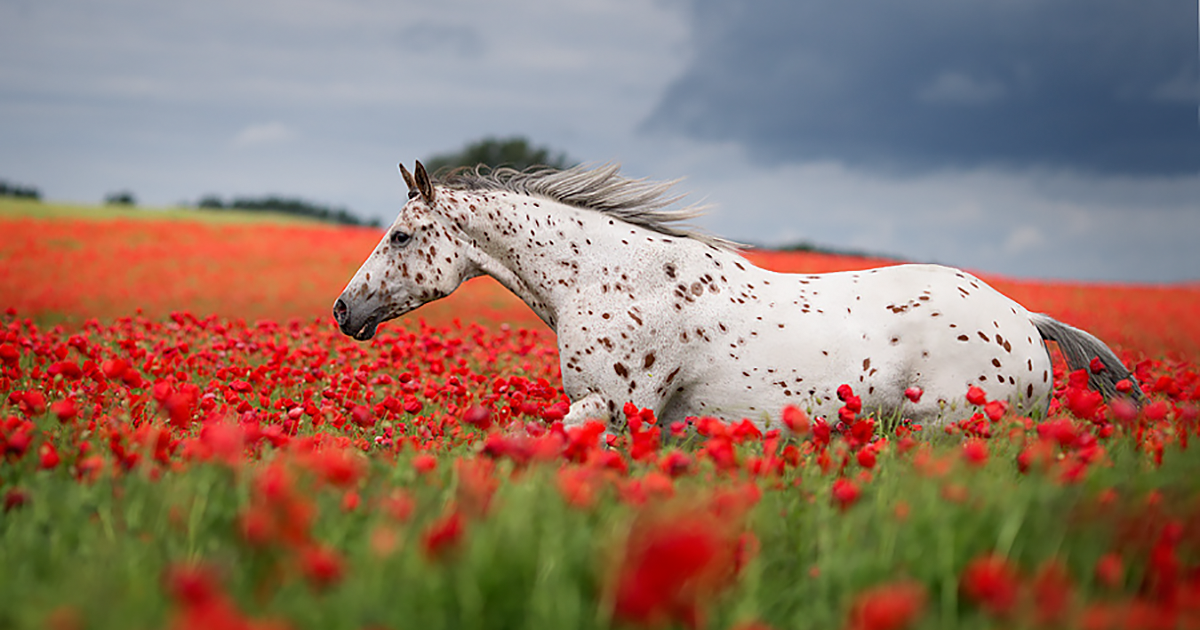
Some people graduate, polish a résumé, and march bravely toward a climate-controlled office with a rolling chair and a suspiciously cheerful break room. I did not. I looked at that path, nodded respectfully, and then wandered straight toward muddy boots, sunrise fog, flying manes, and a camera bag that somehow always weighs the same as a compact refrigerator.
I followed my dream to become a horse photographer.
That sounds romantic, and to be fair, it often is. Horses are powerful, expressive, unpredictable, and ridiculously photogenic on their good days. On their bad days, they are still photogenic, just slightly more interested in trotting away from your creative vision. But that is exactly what makes equine photography such a fascinating career. It is not just about taking pretty pictures. It is about understanding movement, light, timing, emotion, trust, and the tiny split-second when a horse looks like poetry instead of a blur with opinions.
If you have ever wondered what it is really like to trade a conventional career path for a life built around horse photography, here is the honest version: it is thrilling, exhausting, artistic, business-heavy, occasionally chaotic, and never boring. In other words, it beats another meeting that could have been an email.
Why Horse Photography Feels Like More Than Just a Job
There is a reason niche photographers build entire careers around horses. People do not just own horses; they form deep emotional bonds with them. Riders remember the horse that taught them confidence, the mare that carried them through grief, the gelding that somehow knows when they have had a terrible day. A camera turns those relationships into something permanent.
That emotional layer is what makes being a horse photographer different from simply documenting an animal. You are photographing connection. Sometimes it is a polished portrait with a braided mane and a clean halter. Sometimes it is a candid image of a rider pressing their forehead against a horse’s cheek in the quiet light after a lesson. Often, the most powerful frame is not the most dramatic one. It is the one that feels true.
This is also why horse photography can become a real business instead of a hobby that mostly drains your bank account. Clients want wall art, albums, show coverage, sale images, black-background portraits, ranch branding photos, and social-ready content. Once you understand the visual language of the horse world, you are not just a photographer with a camera. You become a specialist who knows how to create images horse people actually care about.
The Dream Looks Glamorous. The Workflow Looks Like Work.
Let’s clear up a charming misconception: becoming a horse photographer is not just frolicking through pastures while whispering, “Gorgeous, darling, give me more ears forward.” It is part artist, part animal observer, part weather analyst, part marketer, part editor, and part small-business owner.
You have to learn horses first
If you do not understand horse behavior, your photos suffer immediately. More importantly, your safety does too. Horses are large prey animals, which means they notice everything: tension, rushed movement, unfamiliar noises, weird energy, and the one plastic bag in the county that has decided today is its villain era.
Good equine photographers learn to read ears, eyes, nostrils, posture, and movement. A horse with soft eyes and relaxed curiosity is very different from a horse that is overwhelmed or irritated. Knowing when to step in, slow down, change angles, or give the animal a break is not optional. It is part of the craft.
You have to learn light and motion
Photographing horses means dealing with speed, size, and contrast. A dark bay horse in a dim indoor arena? Congratulations, your camera is now in graduate school. An energetic gray galloping across bright sand? Better get your exposure right before that beautiful coat turns into an overexposed ghost.
Action work usually demands fast shutter speeds, reliable autofocus, and a lens that can keep up. Portrait work demands patience, clean backgrounds, flattering angles, and careful attention to the eyes. Horses look magnificent when photographed well, but they are not especially interested in making your settings easy.
You have to run a business
This is the part dreamers tend to skip in their fantasies. The photography itself is only part of the job. You also need to price sessions, answer inquiries, maintain gear, update your portfolio, market your services, manage editing time, send invoices, track expenses, and build a brand people remember.
Many photographers are self-employed, and that freedom comes with extra responsibility. You do not just make the pictures. You are also the scheduling department, accounting department, customer service department, and emergency problem-solving department. You wanted freedom. Freedom heard you and handed you spreadsheets.
What Makes a Great Horse Photo?
The best horse photos are not accidental. They combine technical skill with observation and taste. A strong image usually starts with a few basics that sound simple but are surprisingly easy to mess up.
The eye has to matter
If the eye is not sharp, the image usually loses its magic. That is true in most animal photography, but it feels especially important with horses because so much of their expression lives there. A bright, alert eye creates connection. A dull or soft eye makes even a stunning horse feel distant.
That is why experienced photographers obsess over focus and catchlight. A horse can have perfect conformation, perfect tack, perfect scenery, and perfect weather, yet still look flat if the eye does not come alive in the frame.
The background cannot be a disaster
One of the quickest ways to ruin a beautiful equine portrait is to place it in front of visual chaos. Random buckets, parked trucks, messy fences, tangled hoses, glaring signs, and the world’s saddest patch of mud can all turn a strong image into a before photo.
Professional horse photography often looks polished because the photographer is ruthless about backgrounds. Clean lines, intentional framing, and simple surroundings let the horse dominate the image instead of competing with barn clutter.
The pose has to respect the horse
Every horse has good angles and bad angles. Some look regal from the side, some shine in close portrait work, and some become absolute supermodels the second they start moving. Ears matter. Leg placement matters. Neck shape matters. Even tiny differences in head position can change the whole frame.
That is why photographing horses well is not about firing off 300 random shots and praying for magic. It is about timing. You wait for the ears to come forward, the topline to soften, the stride to open, or the rider-horse connection to show up for one perfect beat.
How I Turned Passion Into a Horse Photography Career
The leap from passion to profession rarely happens in one cinematic moment. Usually, it starts smaller. You photograph a friend’s horse. Then another. Then someone asks if you can shoot at a local show. Then a stable asks for branding images. Then you realize your weekends are booked, your hard drive is full, and strangers are calling you “the horse photographer.” That is when it gets real.
Building a career in horse photography means choosing a niche and then going deep. You start to understand what different clients need. A horse owner may want soulful portraits for wall art. A trainer may want bold, clean images for marketing. A breeder may want consistent conformation photos. A competitor may want sharp action images that prove both style and performance.
That variety is part of the appeal. You can build your brand around one specialty or combine several: equine portraits, black-background horse photography, show coverage, ranch lifestyle content, commercial work, or fine art prints. The trick is consistency. Clients need to know what your work feels like before they ever book you.
And yes, social media helps. But the real growth usually comes from reputation inside horse communities. Barns talk. Trainers talk. Riders definitely talk. If you are calm, professional, good with animals, and able to deliver images that make clients emotional in the best way, word spreads fast.
The Skills Nobody Mentions Enough
Patience
You cannot bully a horse into being photogenic. Actually, let me revise that: you can try, but the result will be ugly, unsafe, or both. Patience is one of the most profitable skills in this business. Some horses need a few minutes to settle. Some need space. Some need movement before they are ready for a portrait. Some need snacks, and frankly, same.
Adaptability
Outdoor photography is a partnership with conditions you do not control. Weather changes. Light shifts. Horses roll in dirt five minutes before the session. Riders get nervous. Wind appears with personal grudges. The photographers who last are the ones who adapt without acting like the sky betrayed them personally.
Storytelling
Clients remember photos that feel like memories, not just images that look expensive. That might mean capturing the chaos of show day, the elegance of a dressage warm-up, the dust in golden hour, or the quiet moment before a rider swings into the saddle. Technical perfection matters, but storytelling is what gives your work a heartbeat.
Why I Never Regretted Skipping the Office Path
Would an office job have been easier? In some ways, absolutely. Fewer early mornings. Fewer muddy fields. Fewer moments spent bribing a horse to look into the lens while pretending this is all under control. But easier and better are not the same thing.
Being a horse photographer gives me something a conventional job never could: a sense of authorship over my own life. My days are not identical. My work has physicality, variety, and emotion. I get to make things that last. I get to collaborate with animals that cannot be directed like human models but somehow communicate more honestly than most boardrooms ever will.
That does not mean the path is effortless. It means it is meaningful. And for a lot of creative people, meaningful beats comfortable every time.
The Truth About Following a Dream
Following a dream is often sold like a movie trailer: dramatic music, bold leap, instant transformation. Real life is less cinematic and more practical. You follow a dream by learning a niche thoroughly, improving your craft relentlessly, pricing your work with courage, and showing up consistently enough that people begin to trust you.
In equine photography, that trust matters doubly. Clients are handing you something deeply personal. Horses are not just animals to them. They are partners, teachers, comfort, history, and home. When you understand that, your work changes. You stop chasing “nice photos” and start creating meaningful ones.
So no, I did not choose the boring office job. I chose the one with dawn call times, dust on my jeans, memory cards in every pocket, and horses looking majestic for half a second before trying to eat the lead rope. I chose the harder route, the stranger route, the muddier route, and the one that made sense in my bones.
I chose to become a horse photographer. And honestly? Best career plot twist ever.
Extended Experiences From Life as a Horse Photographer
The moments that stay with me are rarely the polished ones clients see first. They are the in-between moments. The mare that would not stand still until her owner started humming softly beside her. The young rider who arrived trying to look confident, then relaxed the second her pony turned an ear back to listen to her voice. The retired gelding with scars and a stiff step who transformed in front of the lens the minute the sunset hit his coat. Those are the moments that taught me horse photography is not about controlling everything. It is about recognizing truth when it appears.
I remember one session that started as a complete mess. The weather changed, the barn aisle was busier than expected, and the horse had decided that standing quietly was an outrageous request. For the first twenty minutes, nothing looked elegant. His mane kept blowing into his eyes, a tractor was making noise in the background, and every time I raised the camera, he turned his head like he had just received a better offer elsewhere. In a normal job, that kind of start might feel like a failed meeting. In horse photography, it is Tuesday.
So we slowed down. I stopped forcing the schedule and watched the horse instead. His owner scratched his favorite spot on the withers. He took a breath. His posture softened. The light dipped lower and got warmer. Suddenly the whole session changed. We ended up making one portrait where his ears were forward, his eye caught the light perfectly, and his owner started crying when she saw the preview on the back of the camera. Not because the image was flashy, but because she said, “That’s him. That is exactly who he is.”
That sentence has become my measuring stick. Not “That’s beautiful,” although I love hearing that too. Not “That’s expensive-looking,” though let’s be honest, I also enjoy that very much. The line I chase is: “That’s him.” Or “That’s her.” Or “That’s us.” It means the photograph did more than record an animal. It recognized personality.
There are funny moments too, and plenty of them. I have backed into fences, crouched in mud, and made noises so ridiculous that nearby humans had to pretend they were not associated with me. I have waved hats, squeaked dog toys, rustled wrappers, and performed interpretive enthusiasm to get one horse to put its ears forward for two seconds. Horse photographers develop a special kind of dignity, and by dignity, I mean the ability to embarrass yourself professionally without hesitation.
But there is also deep satisfaction in the routine. Loading gear before sunrise. Driving out to a farm while the roads are still quiet. Seeing steam rise off a horse’s back in cold morning light. Hearing the soft clink of tack and the low murmur between rider and horse before a session begins. These details never feel ordinary to me. They make the work feel grounded, tactile, and alive in a way many careers do not.
The longer I do this, the more I realize I did not just choose a subject. I chose a world. Horse photography introduced me to trainers, rescue workers, breeders, competitors, ranch families, teenage riders, and older owners saying goodbye to once-in-a-lifetime partners. It gave me access to stories I never would have found from behind a desk. Some sessions celebrate beginnings. Some preserve endings. All of them ask me to pay attention.
That is probably the greatest gift in this career. It trained me to notice. To notice light, timing, tension, trust, weather, silence, and emotion. To notice when a horse needs a break. To notice when a rider is trying not to cry. To notice the exact second an ordinary scene becomes unforgettable. And once you learn to see life that way, I do not think you can go back to sleepwalking through your work.
So when people ask whether I ever wish I had chosen a safer, neater, more conventional career, I usually laugh. Safer? Maybe. Cleaner? Definitely. More predictable? Without question. But I would have missed all of this: the movement, the stories, the absurdity, the beauty, and the privilege of turning fleeting moments between horses and humans into something they can hold onto. For me, that trade was never even close.
Conclusion
Choosing a career in horse photography instead of a traditional office path is not just a rebellious lifestyle move. It is a commitment to craft, patience, business discipline, and emotional storytelling. The job demands technical skill, a calm understanding of horses, and the flexibility to build a creative business from the ground up. But for the people who genuinely love both horses and photography, it can become a deeply rewarding career.
In the end, becoming a horse photographer is not about escaping work. It is about choosing work that feels alive. It is about trading routine for purpose, cubicles for open air, and generic output for images that people treasure for years. That may not be the easiest path, but it is the kind of path that makes a career feel like a life.