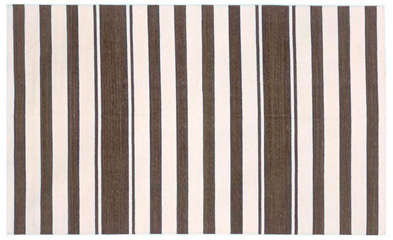
Vice Brown Carpet sounds like the flooring choice of a stylish detective in a moody jazz cluband honestly, that is not a bad design direction. A rich brown carpet can make a room feel grounded, warm, confident, and quietly expensive, even when the rest of the furniture was assembled with an Allen wrench and emotional resilience.
In practical home design terms, “Vice Brown Carpet” can be understood as a deep, warm brown carpet style: think cocoa, espresso, walnut, tobacco, roasted chestnut, or dark taupe with attitude. It is not the flat, lifeless brown carpet people remember from forgotten basements of the 1970s. Done well, brown carpet becomes a modern neutral. It hides everyday wear, softens sound, adds comfort underfoot, and pairs beautifully with cream walls, leather furniture, brushed metal, natural wood, woven textures, and moody accent colors.
This guide breaks down how to choose, style, install, and maintain Vice Brown Carpet for real American homesbusy living rooms, cozy bedrooms, family dens, rental-friendly refreshes, and spaces where pets, kids, coffee, and life itself happen daily.
What Is Vice Brown Carpet?
Vice Brown Carpet is best described as a rich brown carpet style with depth. It may be a solid dark brown, a textured brown blend, a heathered taupe-brown, or a patterned carpet that mixes chocolate, tan, charcoal, beige, and warm gray. The “vice” part gives the color a little edge: less “plain brown office carpet,” more “handsome lounge with a secret bookshelf door.”
Brown carpeting works because it behaves like a neutral without feeling cold. While gray carpet dominated many homes for years, warmer neutrals have become more appealing because they feel natural and lived-in. Brown connects visually with wood, leather, soil, stone, coffee, and other organic materials. That makes it easy to use in both traditional and modern interiors.
Why Brown Carpet Is Making a Comeback
Homeowners are moving away from icy gray interiors and sterile white-on-white spaces. Warm neutrals now feel more personal, more comfortable, and frankly, more forgiving. A brown carpet does not panic at the sight of a muddy shoe. It does not immediately reveal every tiny speck the way stark white flooring can. It also does not swallow a room as dramatically as black carpet sometimes does.
Vice Brown Carpet lands in the sweet spot: dark enough to feel elegant, warm enough to feel welcoming, and versatile enough to work with many decorating styles. In a bedroom, it creates a cocoon effect. In a family room, it adds durability and softness. In a media room, it reduces glare and absorbs sound. In a home office, it gives the space a polished, grounded lookvery “I pay my bills on time,” even if the desk drawer says otherwise.
Best Rooms for Vice Brown Carpet
Bedrooms
Bedrooms are one of the best places for brown carpet. The color adds warmth, while the soft surface makes mornings less rude. A plush or textured cut-pile Vice Brown Carpet can make a bedroom feel calm and hotel-like, especially when paired with linen bedding, cream walls, walnut furniture, and warm lighting.
Living Rooms and Family Rooms
For living rooms, choose a brown carpet with texture or subtle pattern. A heathered brown blend hides crumbs, lint, and everyday traffic better than a perfectly solid shade. If the room gets heavy use, consider nylon or triexta fibers for resilience. If comfort and stain resistance matter most, polyester may be a smart option.
Home Offices
Vice Brown Carpet works well in home offices because it feels stable and professional. It also helps reduce noise, which is useful if your workday includes video calls, keyboard tapping, and the occasional dramatic sigh. Use a low-pile or loop-style carpet under rolling chairs, and add a chair mat to prevent fiber crushing.
Basements
Brown carpet can make a basement feel less like an underground storage bunker and more like an intentional living space. However, moisture matters. In basements, look for carpet tiles, solution-dyed fibers, or moisture-resistant backing systems. Avoid installing carpet directly over damp concrete without solving the moisture issue first.
Choosing the Right Shade of Brown
Not all brown carpets are created equal. Some feel modern and rich; others can look muddy or dated. The secret is undertone.
Espresso Brown
Espresso brown is dramatic, elegant, and ideal for bedrooms, media rooms, and offices. It pairs well with ivory walls, camel leather, black accents, walnut furniture, and brass or brushed nickel lighting.
Cocoa Brown
Cocoa brown is softer and more flexible than espresso. It feels cozy without being too dark and works nicely in living rooms, bedrooms, and dens. Pair it with cream, clay, olive green, soft blue, or warm gray.
Taupe Brown
Taupe brown is the easiest choice for homeowners who want warmth but not too much drama. It blends brown, beige, and gray, making it a bridge between old cool-toned interiors and newer warm neutral palettes.
Reddish Brown
Reddish brown can look beautiful when it leans toward rust, chestnut, or deep russet. The key is subtlety. Too much orange or red can make the carpet feel dated, especially in large rooms. Use samples and view them in daylight and evening light before committing.
Carpet Fiber Options: What Works Best?
The color gets attention, but fiber determines how the carpet performs. A beautiful brown carpet that mats down in six months is not a design investment; it is a soft, expensive regret.
Nylon
Nylon is widely valued for durability and resilience. It bounces back well from foot traffic, making it a strong choice for stairs, hallways, family rooms, and busy homes. Many nylon carpets are treated for stain resistance, and solution-dyed nylon offers improved fade and stain performance.
Polyester
Polyester is soft, budget-friendly, and naturally resistant to many water-based stains. It is a good choice for bedrooms and moderate-traffic spaces. It may not rebound from crushing as well as nylon, so choose a dense construction if using polyester in a busier room.
Triexta
Triexta is known for combining softness, stain resistance, and durability. It is especially appealing for families with pets or children. For a Vice Brown Carpet in an active home, triexta can be a strong middle ground between performance and comfort.
Wool
Wool is the luxury option. It is natural, beautiful, and resilient, with a rich texture that suits brown tones extremely well. However, wool is more expensive and requires careful maintenance. It is best for homeowners who appreciate natural materials and are ready to care for them properly.
Pile, Texture, and Pattern
Color is only part of the story. Texture determines whether brown carpet looks elegant or flat. For Vice Brown Carpet, texture is your best friend.
Textured Cut Pile
Textured cut pile is a practical choice for many homes. It has a soft feel, hides footprints better than smooth plush carpet, and works well in bedrooms and living areas.
Frieze
Frieze carpet has twisted fibers that create a casual, slightly tousled appearance. In brown, it can look cozy and relaxed. It is good for family rooms because it disguises wear better than very smooth carpet.
Loop Pile
Loop pile carpet is durable and structured. It can work beautifully in offices, stairs, and high-traffic rooms. Pet owners should be careful, though, because claws can snag some loop carpets.
Patterned Carpet
A subtle herringbone, ribbed, diamond, or tonal pattern can make brown carpet feel custom. Pattern also helps hide dirt and creates visual interest without shouting, “Look at my floor!” across the room.
How to Style Vice Brown Carpet
The easiest way to style Vice Brown Carpet is to treat it like a warm foundation. Build around it with contrast, texture, and light.
Wall Colors That Work
Cream, ivory, warm white, mushroom, greige, clay, pale sage, and soft blue all pair well with brown carpet. Avoid wall colors that are too yellow unless the carpet has a cooler undertone. Otherwise, the room may start looking like a bowl of butterscotch pudding.
Furniture Pairings
Brown carpet looks excellent with cream upholstery, cognac leather, walnut wood, black metal, cane, rattan, boucle, and linen. If your furniture is also dark brown, add contrast with light pillows, throws, curtains, and artwork.
Accent Colors
Try olive green, navy blue, burnt orange, terracotta, muted gold, dusty rose, charcoal, or deep teal. These colors bring personality while keeping the brown carpet grounded and sophisticated.
Lighting Matters
Dark brown carpet absorbs light, so use layered lighting. Combine ceiling lights, floor lamps, table lamps, and wall sconces. Warm bulbs can enhance the cozy effect, while too-cool bulbs may make the room feel flat.
Padding: The Hidden Hero Under the Carpet
Carpet padding is not glamorous, but neither is back pain, premature wear, or a carpet that feels like it was installed over stale toast. Good padding improves comfort, insulation, sound absorption, and carpet longevity.
For most residential cut-pile carpets, a firm and resilient cushion is usually better than an overly thick, squishy one. Too much cushion can cause the carpet backing to flex excessively, which may lead to wrinkles or faster wear. Always check the carpet manufacturer’s padding recommendation before installation, especially if the carpet has a warranty.
Installation Tips Before You Buy
Before ordering Vice Brown Carpet, bring samples home. Store lighting is a notorious trickster. A carpet that looks like elegant cocoa in the showroom may turn reddish, grayish, or oddly purple in your house. Look at samples in morning light, afternoon light, and evening lamp light.
Measure carefully and account for seams, closets, stairs, and pattern direction. Professional installation is usually worth it because carpet needs to be stretched properly. Poor installation can cause wrinkles, ripples, visible seams, and premature wear. If the room has old carpet, inspect the subfloor after removal. Squeaks, stains, moisture issues, and uneven spots should be fixed before the new carpet goes down.
Cost Expectations for Brown Carpet
The cost of installing carpet in the United States varies widely depending on fiber, quality, padding, room size, removal of old flooring, stairs, labor, and regional pricing. Budget carpets may be affordable for quick updates, while premium wool or high-performance carpets cost significantly more. For many homeowners, the smartest value is a mid-grade carpet with good density, suitable padding, and professional installation.
When comparing quotes, do not look only at the carpet price per square foot. Ask whether the quote includes padding, installation, furniture moving, old carpet removal, haul-away, stairs, transitions, tack strips, and subfloor prep. The cheapest quote sometimes becomes less charming once the “surprise extras” arrive wearing work boots.
Cleaning and Maintenance
Vice Brown Carpet is forgiving, but it is not magical. Dirt can still damage fibers, even if the color hides it. Vacuum high-traffic areas frequently and slower than you think you need to. Fast vacuuming is basically just giving the carpet a polite breeze.
Blot spills immediately with a clean white cloth. Do not rub, because rubbing can spread the stain and damage the pile. Use cleaning products recommended by the carpet manufacturer, and avoid soaking the carpet. Too much moisture can affect backing, padding, and subfloor materials.
Professional deep cleaning every 12 to 18 months is a common recommendation for maintaining appearance and supporting warranty requirements. Homes with pets, children, allergies, or heavy traffic may need cleaning more often. Entry mats also help by catching grit before it gets ground into the carpet.
Indoor Air Quality Considerations
New carpet, padding, and adhesives can release odors and low levels of volatile organic compounds shortly after installation. To reduce indoor air concerns, look for low-emitting carpet products, ask about certified adhesives and cushion, and ventilate the room well after installation. Open windows when weather allows, run fans, and follow installer and manufacturer guidance.
For households sensitive to odors, request samples in advance and ask the retailer about low-VOC options. A beautiful carpet should make your home feel better, not make everyone ask why the bedroom smells like a new car wearing cologne.
Common Mistakes to Avoid
Choosing a Flat Solid Brown
A flat, single-tone brown can look dull in a large room. Choose texture, tonal variation, or a subtle pattern to add depth.
Ignoring Undertones
Brown may lean red, yellow, gray, green, or black. Match the undertone to your walls, furniture, and wood finishes.
Using Too Much Dark Furniture
Dark carpet plus dark furniture plus dark curtains can make a room feel heavy. Balance brown flooring with lighter textiles, reflective accents, and layered lighting.
Skipping Samples
Never buy carpet from a tiny online image alone. Carpet is tactile and light-sensitive. Samples are not optional; they are your flooring audition.
Buying Based Only on Softness
Softness feels wonderful, but durability, density, twist, stain resistance, and padding matter just as much. The best carpet is the one that still looks good after real life moves in.
Experience Section: Living With Vice Brown Carpet
Living with Vice Brown Carpet is a little like owning a great brown leather jacket. It goes with almost everything, looks better when styled thoughtfully, and forgives more than it probably should. In real homes, that forgiveness matters. A pale carpet may look dreamy in a staged photo, but then someone walks across it with garden shoes, the dog celebrates a rainstorm, or a child turns snack time into a crumb-based art installation. Brown carpet does not eliminate mess, but it does reduce visual panic.
One of the best experiences with a deep brown carpet is how quickly it makes a room feel finished. In a bedroom, it can turn basic white walls and simple furniture into a cozy retreat. Add ivory bedding, a warm wood nightstand, a woven basket, and a lamp with a linen shade, and suddenly the room looks intentional. The carpet acts as the visual anchor. Without it, the room might feel like furniture floating in a box. With it, everything settles.
In family rooms, the biggest advantage is comfort. Brown carpet invites people to sit on the floor, play board games, stretch out during movie night, or build pillow forts that violate several imaginary building codes. It also softens sound. Compared with hard flooring, carpet can make a room feel quieter and less echo-prone, which is especially useful in open-plan homes where noise travels like gossip at a neighborhood barbecue.
Another practical experience is how brown carpet handles changing decor. You can refresh the room without replacing the flooring. In fall, add rust pillows and plaid throws. In spring, use sage green, cream, and natural linen. For a more modern look, bring in black-framed art, sculptural lighting, and a clean-lined sofa. For a traditional room, use wood furniture, brass accents, and patterned drapes. Vice Brown Carpet adapts because it is strong enough to have presence but neutral enough not to argue with every pillow.
There are a few lessons homeowners learn quickly. First, lighting is everything. A dark brown carpet in a room with poor lighting can feel heavier than expected. Floor lamps and warm bulbs help. Second, texture matters. A heathered or patterned brown carpet is easier to live with than a perfectly smooth solid one. Third, vacuum lines may show on plush styles, which some people love because it looks freshly cleaned and others dislike because it looks like the carpet has opinions. Choose accordingly.
Pet owners often appreciate brown carpet because it disguises some fur and small marks, especially if the carpet has tonal variation. However, stain resistance and cleanability are still essential. A brown carpet can hide a small smudge, but it cannot negotiate with a full pet accident. Choose performance fibers, clean spills quickly, and keep a manufacturer-approved spot cleaner nearby.
The most satisfying part of Vice Brown Carpet is its mood. It feels grounded, mature, and comfortable. It says the room is meant to be used, not merely admired from a doorway. It welcomes bare feet, movie nights, quiet mornings, and the occasional dropped cookie. In other words, it behaves like flooring for actual humans.
Conclusion
Vice Brown Carpet is more than a color choice; it is a design strategy. It brings warmth where gray feels cold, depth where beige feels bland, and practicality where pale flooring gets nervous. The best version is textured, well-padded, correctly installed, and matched to the room’s lighting, furniture, and lifestyle.
For bedrooms, dens, family rooms, offices, and cozy basements, a rich brown carpet can be a smart, stylish foundation. Choose the right fiber, test samples at home, invest in quality padding, and maintain it with regular vacuuming and professional cleaning. Do that, and Vice Brown Carpet can deliver comfort, character, and a little dramatic charmwithout turning your home into a retro time capsule.
Note: This article is written for web publication and synthesizes practical guidance from reputable U.S. flooring retailers, carpet industry resources, home design publications, indoor air quality recommendations, and professional carpet care standards.