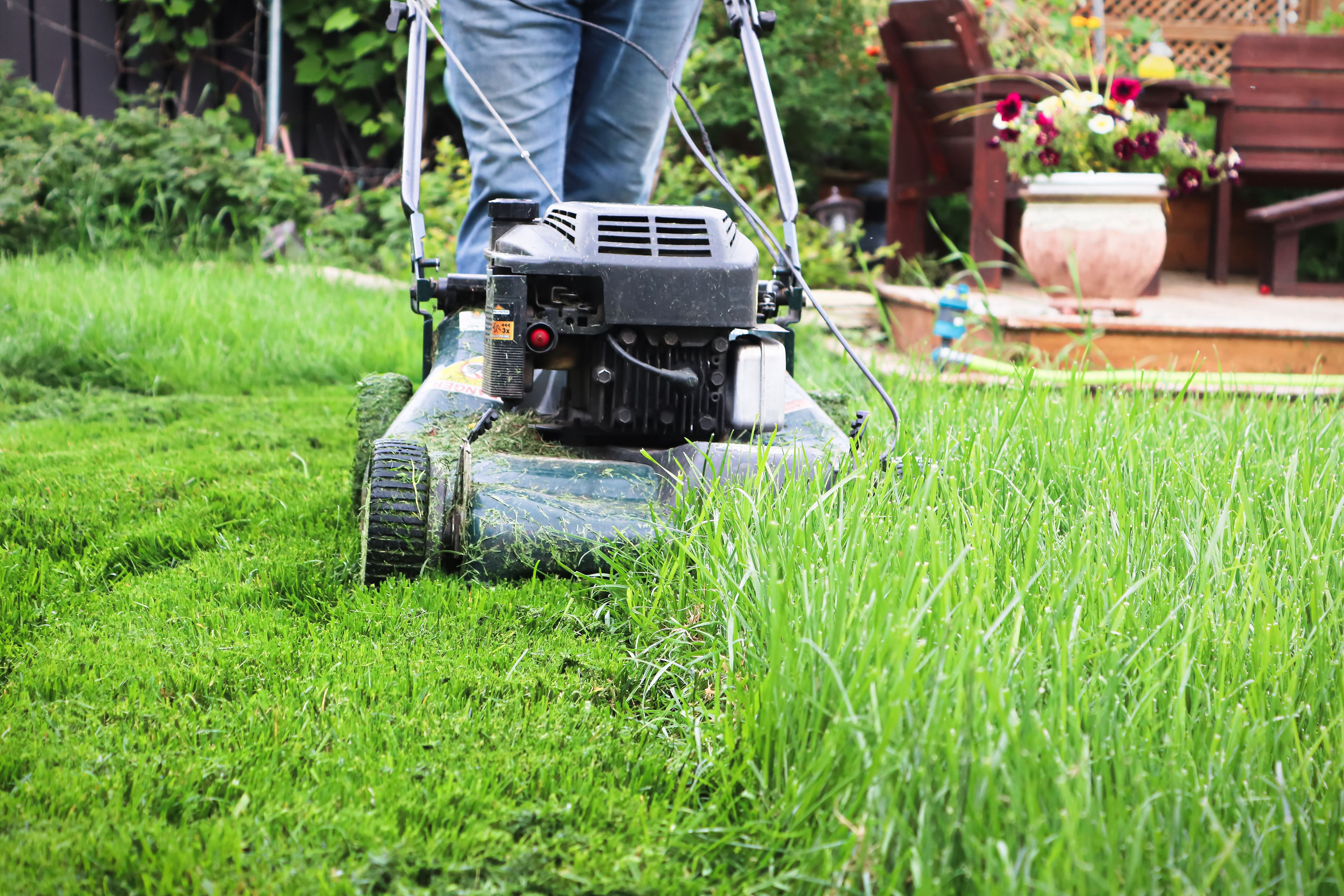
Can you mow wet grass? Technically, yes. Should you? Usually, no. Wet grass is not forbidden by the laws of nature, but it does have a talent for turning an ordinary Saturday chore into a slippery, clumpy, mower-choking circus. If your lawn is damp from light morning dew, you may be able to mow carefully once the blades are mostly dry. If the yard is soggy, shiny with water, muddy underfoot, or still recovering from a storm, step away from the mower and let the grass breathe.
The best answer is simple: mow when the grass is dry whenever possible. Dry grass cuts more cleanly, spreads clippings more evenly, protects your mower, reduces lawn disease risk, and keeps you from skating across the yard like a confused penguin pushing machinery. Still, real life happens. Rainy weeks arrive. Grass grows fast. Your lawn starts looking like it is auditioning for a jungle documentary. That is why this guide explains when mowing wet grass is a bad idea, when it may be manageable, and how to do it as safely and cleanly as possible.
Can You Mow Wet Grass?
You can mow slightly damp grass in a pinch, but mowing very wet grass is not recommended. The problem is not only the grass itself. The bigger issues are safety, mower performance, soil condition, and the quality of the cut. Wet grass bends instead of standing upright, so mower blades may tear it rather than slice it cleanly. Heavy wet clippings stick together, clog the mower deck, leave clumps across the lawn, and can smother healthy turf if they are not removed.
Wet soil creates another problem. When the ground is saturated, mower wheels can press ruts into the lawn, compact the soil, and damage tender grass crowns. On slopes, wet grass can become slippery enough to make mowing genuinely dangerous. A mower is not a toy, and a slippery hill is not the place to test your balance like you are competing in the Lawn Care Olympics.
Why Mowing Wet Grass Is Usually a Bad Idea
1. Wet Grass Gives an Uneven Cut
Dry grass stands more upright, which helps mower blades cut evenly. Wet grass bends, sticks together, and lies flat in patches. The result is a lawn that may look uneven even after you mow. You might see tall streaks, flattened areas, or ragged tips. That uneven cut is not just cosmetic. Ragged grass blades can lose moisture faster and become more vulnerable to stress.
2. Wet Clippings Clump and Smother the Lawn
Grasscycling, or leaving fine clippings on the lawn, is usually good practice. Small dry clippings break down quickly and return nutrients to the soil. Wet clippings, however, behave like green oatmeal. They clump together, sit heavily on the turf, block sunlight, and trap moisture. If left in thick piles, they can create yellow patches underneath.
3. Wet Soil Compacts More Easily
When soil is soaked, it is more vulnerable to compaction. The weight of a mower, especially a riding mower, can squeeze air spaces out of the soil. Compacted soil makes it harder for roots to access oxygen, water, and nutrients. In plain English: your lawn may look green on top, but underneath, the roots are muttering, “This is not a five-star resort.”
4. Mowers Clog Faster in Wet Grass
Wet grass sticks to the underside of the mower deck, around the blade, and near the discharge chute. This can reduce cutting efficiency, strain the engine or motor, and force you to stop repeatedly to clean the machine. That cleaning must only be done when the mower is fully off and safe to handle. Never reach under a mower deck while the blade may still be moving.
5. Wet Conditions Increase Safety Risks
Wet grass is slippery, and slopes make the risk worse. If you lose your footing behind a walk-behind mower or lose traction on a riding mower, a simple chore can become dangerous quickly. Mowing near ditches, ponds, retaining walls, or steep slopes is especially risky when the ground is wet. When in doubt, trim those areas later with safer equipment or wait for dry conditions.
6. Wet Mowing Can Spread Lawn Disease
Many turf diseases thrive in moist conditions. Mowing wet grass can move fungal material and wet clippings from one area of the lawn to another. It also leaves torn grass tips more exposed. That does not mean mowing wet grass automatically gives your yard a disease problem, but it can increase the odds when weather, poor airflow, overwatering, and dull blades are already part of the story.
When Is It Okay to Mow Damp Grass?
There is a big difference between slightly damp grass and soggy grass. Slightly damp grass may be manageable if the soil is firm, the blades are not dripping, and your shoes do not sink into the ground. Soggy grass is a different animal. If water squishes around your shoes, mower tires leave marks, or clippings stick in wet slabs, it is too wet to mow.
A practical test is simple: walk across the lawn. If your shoes get soaked, the ground feels soft, or footprints remain pressed into the turf, wait. Another test is to brush the grass with your hand. If water beads heavily or the blades stick together, give the lawn more time. Late morning or afternoon is often better than early morning because dew has had time to evaporate.
7 Mowing Tips for Wet or Damp Grass
Tip 1: Wait as Long as You Reasonably Can
The best wet grass mowing tip is also the least exciting: wait. Let the sun and wind do their free lawn-care magic. Even a few extra hours can make a major difference. A lawn that is too wet at 7 a.m. may be mowable by 1 p.m. If rain is expected for several days, choose the driest window and avoid mowing during or immediately after rainfall.
Tip 2: Raise the Mower Deck
If the grass has grown taller than usual because of rain, do not scalp it back to normal height in one dramatic haircut. Raise the mower deck and remove only a small portion of the blade. A good rule is to avoid cutting more than one-third of the grass blade at one time. If the lawn is very tall, mow high first, wait a day or two, then mow again at the regular height.
Tip 3: Sharpen the Blade Before You Mow
A sharp mower blade matters every time, but it matters even more when grass is damp. Wet blades are harder to cut cleanly. A dull mower blade tears grass, leaving brownish, ragged tips that make the whole lawn look tired. Think of it like slicing a tomato with a butter knife. Possible? Yes. Elegant? Absolutely not.
Tip 4: Mow Slowly
Slow down when mowing damp grass. A slower pace gives the mower more time to lift and cut the grass, process clippings, and discharge material without clogging. Moving too fast through wet growth can leave uncut strips and heavy clumps. It can also make the mower work harder than necessary.
Tip 5: Use Side Discharge or Bagging When Needed
Mulching wet grass often leads to clumping because damp clippings do not chop and disperse well. If the grass is only lightly damp, side discharge may work better because it moves clippings out of the deck faster. If clumps are heavy, consider bagging. Do not leave thick piles of wet clippings on the lawn. Rake them up or spread them thinly after mowing.
Tip 6: Avoid Slopes, Ditches, and Soft Spots
Wet grass and slopes are a bad combination. If any part of the yard feels slippery, muddy, or unstable, skip it. Mow flat, firm areas only and come back to tricky spots later. Around drainage ditches, ponds, retaining walls, or steep banks, use extra caution and avoid taking heavy equipment close to edges. A patch of unmowed grass is far less embarrassing than a mower stuck in mud.
Tip 7: Clean the Mower Afterward
Wet grass builds up under the mower deck and can hold moisture against metal parts. After mowing, turn the mower off completely, follow the manufacturer’s safety instructions, and clean the deck once it is safe. Remove stuck clippings, check the blade area, and let the mower dry before storing it. This helps prevent rust, odor, and future clogging.
What to Do If You Already Mowed Wet Grass
If you mowed wet grass and the lawn looks rough, do not panic. Grass is tougher than it looks. First, rake or spread out clumps so they do not suffocate the turf. Next, inspect the lawn for ruts. If the soil is soft and wheel marks are shallow, let the area dry before doing anything. Walking over it repeatedly may make compaction worse. Once the soil is dry, lightly fluff flattened grass with a rake.
If the cut looks uneven, resist the urge to immediately mow again while the lawn is still wet. Wait until the grass is dry and firm, then do a second pass at the proper height. If you see torn or brown tips later, sharpen the mower blade before the next mow. A clean blade is one of the easiest upgrades you can give your lawn.
Best Time of Day to Mow After Rain
The best time to mow after rain is when the grass blades and soil surface have dried. This is often late morning, midday, or afternoon, depending on sunlight, wind, humidity, shade, and soil drainage. Avoid mowing at dawn when dew is heavy. Also avoid mowing late in the evening if the grass will stay wet overnight, especially in humid climates, because long wet periods can encourage disease.
If your lawn has shaded areas, they may stay wet much longer than sunny sections. Treat them differently. You may be able to mow the sunny front yard at noon and leave the shady side yard until the next day. Your neighbors will survive the suspense.
Should You Use a Push Mower or Riding Mower on Wet Grass?
If mowing damp grass is unavoidable, a push mower is usually less damaging than a riding mower because it is lighter. Riding mowers can compact wet soil and leave deeper ruts, especially during turns. Zero-turn mowers can be particularly rough on soft turf if the operator pivots sharply. If you must use a riding mower, avoid tight turns, slow down, and skip any wet slopes or soft areas.
For small wet patches, consider trimming later instead of forcing the mower through them. Sometimes the best lawn-care decision is not heroic. It is simply walking back to the garage and pretending you planned a “natural meadow corner” all along.
How Wet Mowing Affects Different Grass Types
Cool-season grasses such as Kentucky bluegrass, tall fescue, perennial ryegrass, and fine fescue often grow quickly during cool, rainy periods. That fast growth can tempt homeowners to mow before the lawn is ready. Warm-season grasses such as bermudagrass, zoysiagrass, centipedegrass, and St. Augustinegrass may also become difficult to manage during rainy stretches, especially in humid regions.
No matter the grass type, the principles are similar: keep blades sharp, mow at the recommended height, avoid removing too much at once, and stay off saturated soil. The correct mowing height depends on the grass species and local conditions, so homeowners should follow regional recommendations for their turf type. Mowing too low stresses the lawn, reduces root depth, and opens the door for weeds.
Wet Grass Mowing Mistakes to Avoid
Mistake 1: Cutting Too Low
Scalping a wet lawn is a fast way to make it look worse. Taller grass supports deeper roots and better stress tolerance. If the lawn has grown too tall, reduce the height gradually.
Mistake 2: Ignoring Clumps
Wet clumps do not politely disappear. They sit on the lawn like tiny green blankets and block light. Rake them, spread them, or bag them.
Mistake 3: Mowing With a Dull Blade
Dull blades tear grass. Wet grass makes that tearing more likely. Sharpen the blade at least once a season, and more often if you mow frequently or hit sticks, rocks, or thick growth.
Mistake 4: Turning Sharply on Soft Soil
Sharp turns can rip turf when the ground is wet. Make wide, gentle turns and avoid pivoting in place.
Mistake 5: Cleaning the Mower While It Is Unsafe
Never clear clogs with your hands while the mower is running or capable of starting. Shut it down fully and follow the owner’s manual before cleaning. Safety is not the boring part of lawn care. It is the part that lets you keep doing lawn care with all your fingers.
Practical Homeowner Experience: What Wet Grass Teaches You
Anyone who has cared for a lawn through spring rain knows the feeling. The forecast says rain Monday, Tuesday, Wednesday, Thursday, and possibly forever. The grass is growing like it has a gym membership, the mower is waiting in the garage, and the neighbors’ lawns somehow look calmer than yours. This is when wet grass mowing decisions become less theoretical and more personal.
In real life, the best experience-based rule is to inspect the lawn before mowing, not just the weather app. A lawn can look dry from the kitchen window and still be soggy at soil level. Walk the yard first. Check the low spots, shaded corners, and areas near downspouts. These are the places that usually betray you. If your shoes pick up mud or the grass sticks flat to the ground, the mower will probably struggle too.
Another lesson: wet grass punishes impatience. Homeowners often mow because the lawn looks tall, but a rushed cut can leave clumps everywhere. Then the job becomes two chores instead of one: mowing first, raking second. If you wait until the surface dries, the mower runs cleaner, the clippings spread better, and the lawn looks more even. Waiting can feel lazy, but in lawn care, strategic laziness is sometimes wisdom wearing old sneakers.
Experience also shows that not all parts of a yard dry at the same speed. A sunny front lawn may be ready hours before a shaded backyard. Instead of mowing everything at once, split the job. Mow the dry areas today and the damp areas tomorrow. This prevents ruts and keeps you from forcing the mower through problem zones. It also gives you a perfectly respectable excuse to take a break, which is an underrated lawn-care tool.
If you do mow damp grass, pay attention to the mower’s sound. When the engine bogs down or the deck begins to clog, the machine is telling you something. Slow down, raise the deck, or stop. Pushing harder rarely improves the result. It usually creates clumps, uneven cutting, and a mower that looks like it swallowed a salad bar.
One of the most useful habits is cleaning the mower after damp mowing. Wet clippings dry into stubborn mats under the deck. They can reduce airflow, affect cutting performance, and create odor in storage. Cleaning right after mowing, once the mower is safely off and cooled according to the manual, saves time later. Future you will be grateful. Future you may even say nice things about present you.
Finally, wet grass teaches patience with the lawn itself. A single imperfect mow will not ruin a healthy yard. The bigger danger is repeating bad habits: mowing too low, mowing on saturated soil, ignoring dull blades, and leaving clumps behind week after week. Good mowing is not about making the lawn perfect every time. It is about making small decisions that help the grass recover, grow evenly, and stay resilient through changing weather.
Conclusion: So, Can You Mow Wet Grass?
You can mow slightly damp grass if you must, but the smarter choice is to wait until the lawn is dry. Wet mowing can cause uneven cuts, clumps, mower clogging, soil compaction, ruts, and safety hazards. If the lawn is soggy, muddy, slippery, or covered in standing water, do not mow. If it is only lightly damp and you cannot wait, raise the mower deck, use a sharp blade, mow slowly, avoid slopes, manage clippings, and clean the mower afterward.
The healthiest lawns are not created by heroic mowing in terrible conditions. They are built by consistent, boring, dependable habits: proper mowing height, sharp blades, the one-third rule, smart timing, and patience after rain. In other words, your lawn does not need drama. It needs dry shoes, a sharp blade, and someone willing to wait until the grass is ready.