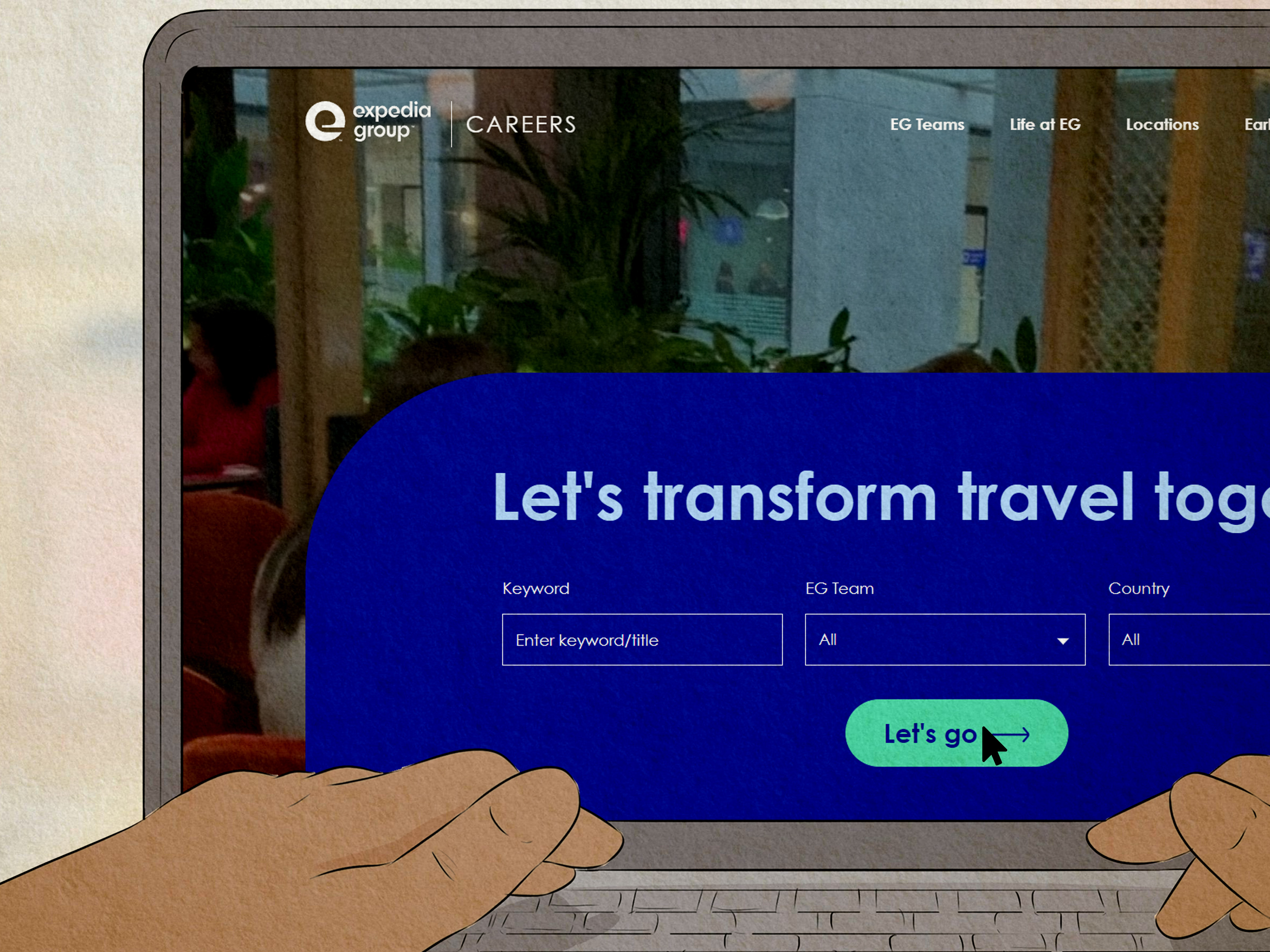
Becoming a travel agent online sounds glamorous, and to be fair, parts of it absolutely are. You get to help people plan honeymoons, bucket-list vacations, family reunions, cruises, and “I desperately need a beach and a beverage” escapes. But before you start picturing yourself closing bookings in fuzzy slippers with a laptop and a latte, let’s tell the truth: this is a real business. A fun business, yes. A flexible business, yes. But still a business.
The good news is that starting an online travel business is more accessible than ever. You do not need a storefront with a globe in the window and a stack of brochures from 1997. What you do need is a plan, the right structure, solid training, and a healthy respect for the fine print. The most successful online travel advisors are not just trip planners. They are consultants, marketers, problem-solvers, and relationship-builders with excellent taste in carry-on luggage.
If you have been wondering how to become a travel agent online, this step-by-step guide walks you through the process in a practical, realistic, and slightly less boring way. Here are the 13 steps that can take you from “I love travel” to “I run a travel business online.”
1. Learn What an Online Travel Agent Actually Does
Before you launch a travel business, get clear on the job itself. An online travel agent, often called a travel advisor, helps clients research, plan, book, and manage travel. That may include hotels, cruises, tours, insurance, transfers, group travel, all-inclusive resorts, destination weddings, custom itineraries, and sometimes air.
In other words, you are not just clicking “book now” on behalf of strangers. You are matching people with the right trips, solving problems when plans go sideways, and building trust strong enough that clients come back again and again. Your real product is not just travel. It is expertise, reassurance, convenience, and better decisions.
2. Decide Whether This Is a Side Hustle, a Full-Time Career, or a Slow Burn
This step matters more than people think. If you want a side income, your setup may be leaner. If you want to build a full-time online travel agency, your timeline, brand, budget, and training should be more serious from day one.
Ask yourself a few blunt questions. How many hours a week can you realistically work? Do you want to sell travel casually to friends and family, or do you want to build a recognizable online brand? Are you comfortable with income that may be uneven at first? This business can grow beautifully, but it rarely behaves like a vending machine. You do not insert a website and instantly get commissions.
3. Choose Your Niche Before the Internet Chooses One for You
Trying to sell every kind of trip to every kind of traveler is a fast way to sound generic online. Niche down early. You can always expand later, but starting with a specialty helps people understand why they should book with you instead of wandering into a search engine and making chaotic choices at 1:14 a.m.
Popular travel niches include:
Luxury travel, family vacations, cruises, Disney trips, destination weddings, honeymoon travel, Europe itineraries, adventure travel, group travel, wellness retreats, and accessible travel are all strong options. The best niche often sits at the intersection of what you enjoy, what you understand, and what people are willing to pay for.
For example, if you are obsessed with cruises, CLIA training can become especially useful. If you want to focus on luxury hotels and tours, supplier relationships and polished client service will matter even more. A niche gives your marketing direction and makes your website easier to rank for relevant search queries.
4. Get Training So You Are Not Just “Good at Googling”
Here is a loving reality check: enjoying travel does not automatically qualify you to advise clients. Plenty of people love tacos too; that does not make them restaurant consultants. Training helps you understand how the industry works, how suppliers operate, how commissions are paid, how to protect client trust, and how to manage real-world bookings without panicking.
Travel agent certification is not always legally required, but it can make you more credible and more capable. Programs from organizations such as ASTA and The Travel Institute are widely recognized. If cruises are part of your plan, CLIA education can also strengthen your expertise. Training gives you vocabulary, workflow, and confidence, which is a lot more helpful than “I once booked a great trip to Cancun.”
5. Pick Your Path: Host Agency or Independent Agency
This is one of the biggest decisions you will make. Most new online travel agents start with a host agency, and for good reason. A host agency can provide access to booking systems, supplier relationships, back-office support, training, commission processing, and sometimes marketing tools. It can also let you operate under the host’s accreditation rather than chasing every credential yourself on day one.
Starting independently can offer more control, but it also means more responsibility, more setup, and usually more cost. You may need your own accreditation, your own tech stack, your own compliance process, and your own direct supplier relationships. That is a lot to juggle while also trying to find clients.
For beginners, a host agency is often the smoother runway. It is not a magic carpet, but it is at least a runway.
6. Research Host Agencies Like You Are Hiring a Business Partner
Not all host agencies are created equal. Some are fantastic. Some are fine. Some are the business equivalent of booking a hotel because the lobby smelled nice. Compare them carefully.
What to look for in a host agency:
Review commission splits, monthly fees, annual fees, onboarding support, training quality, CRM tools, supplier access, niche compatibility, marketing help, community culture, and payout schedules. Also ask whether they provide support for seller-of-travel compliance, E&O insurance, website tools, and lead generation.
Pay attention to the boring stuff. The boring stuff pays the bills. A host agency that offers strong bookkeeping support, better commission leverage, and useful technology can save you hours of admin work and a surprising number of headaches.
7. Set Up the Business Legally
Now for the part everyone procrastinates because it is less exciting than choosing a logo font. You need a legal business setup. At minimum, decide on a business structure, register the business if required in your state, and separate personal and business finances as early as possible.
Many new travel advisors begin as sole proprietors because it is simple. Others form an LLC for liability separation and a more formal business structure. The right choice depends on your goals, tax situation, and risk tolerance. A travel business may start from your kitchen table, but it should not be run like a lemonade stand with Wi-Fi.
You should also apply for an EIN if you need one or want one for banking and tax administration. Open a dedicated business bank account. Keep records from the start. Future-you will be less dramatic during tax season.
8. Understand Seller of Travel Rules and Industry Credentials
This is where new advisors often get confused, because people throw around terms like CLIA, ARC, IATAN, accreditation, registration, and certification as if they all mean the same thing. They absolutely do not.
A travel agent certification is education-based. It shows you completed training. Seller of travel registration is a legal compliance issue in certain states. ARC and IATAN relate more to industry accreditation and recognition. CLIA is especially relevant if you plan to sell cruises. These are different tools for different purposes.
There is no single universal U.S. travel agent license that solves everything everywhere. However, some states have specific rules. California and Florida are two of the most commonly discussed examples, and requirements can include registration, fees, disclosures, and financial protections depending on your model. If you operate online, that does not mean state rules magically evaporate into the cloud. Read the rules carefully and follow the requirements that apply to your business.
For many beginners working under a host agency, the host’s infrastructure helps simplify this stage. If you plan to build a fully independent agency, expect compliance and accreditation to take more effort, paperwork, and money.
9. Build a Simple Business Plan
No, this does not need to be a 47-page masterpiece with pie charts that look like modern art. But you do need a plan. A business plan forces you to think through your niche, target market, pricing strategy, startup costs, revenue goals, supplier mix, and marketing plan.
At minimum, write down who you serve, what kinds of trips you sell, how you will get leads, what tools you need, how much you will spend in year one, and what success looks like after 6, 12, and 24 months. This is especially important for an online travel business because digital freedom can turn into digital chaos if you do not create structure.
10. Create Your Brand, Website, and Online Presence
If you want to become a travel agent online, then yes, your online presence matters. A lot. Your website should clearly say who you help, what you book, and why clients should trust you. Do not make visitors solve a mystery just to understand what you do.
Your online setup should include:
A business name, domain, professional email address, clean homepage, service page, about page, inquiry form, and basic SEO foundations. You should also create social profiles where your audience actually hangs out. That may be Instagram, Facebook, TikTok, Pinterest, LinkedIn, or a smart combination. The goal is not to be everywhere. The goal is to be consistent somewhere.
Use real language. Write like a helpful human, not a brochure with a caffeine problem. If your niche is family travel, show families. If your niche is luxury travel, your visuals and copy should feel elevated. If your niche is cruises, say so proudly and often.
11. Learn How Travel Agent Commissions and Revenue Really Work
This step is crucial, because many beginners assume travel advisors are instantly paid huge commissions on everything. The actual answer is more nuanced, and occasionally less sparkly.
Travel agents may earn through commissions, planning fees, service fees, consultation fees, or a mix of those. Commission structures vary by supplier and product. Some products pay better than others. Some pay after travel is completed, which means cash flow can lag behind effort. That is why many experienced advisors build fee-based services into their business model instead of relying on commissions alone.
A host agency can often help you access better commission levels because it aggregates volume across many advisors. That is one of the practical reasons host models are popular. Still, the smartest mindset is to treat commissions as part of a revenue strategy, not a fairy tale.
12. Market Yourself Like a Pro, Even Before You Feel Like One
You do not need a massive following to get clients, but you do need visibility. Start by telling people what you do in plain English. Share useful travel content. Publish destination tips. Build an email list. Ask for referrals. Collect testimonials. Network in niche communities. Show up consistently enough that people remember you when they are ready to book.
SEO can help here, especially if your website targets specific traveler intent. “Luxury honeymoon travel advisor,” “family Disney travel planner,” or “Mediterranean cruise specialist” will usually perform better than vague phrases like “I love helping people travel.” The search engine is not your therapist. It needs specifics.
Also, do not underestimate content marketing. Blog posts, destination guides, packing advice, cruise tips, visa reminders, and planning checklists can all help build trust while improving organic visibility. Helpful content is one of the best long-term marketing assets for an online travel advisor.
13. Keep Learning, Tracking, and Improving
The travel industry changes constantly. Supplier programs shift. Entry requirements change. Client expectations evolve. New tools appear. Old tools break at the exact worst moment. The advisors who last are the ones who keep learning.
Track what clients ask for most. Watch which trips are profitable. Improve your workflow. Continue training. Attend webinars. Join professional communities. Refine your niche. Update your SEO strategy. Review your site. Raise your fees when your expertise grows. The online travel business rewards momentum, not perfection.
Think of your first year as an apprenticeship in public. You are building a brand, learning systems, and developing confidence all at once. That can feel messy, but messy does not mean failing. It usually means you are actually doing the work.
Final Thoughts
If you want to become a travel agent online, the best approach is not to chase shortcuts. It is to build a smart foundation. Learn the industry. Choose a niche. Decide whether a host agency makes sense. Set up the business properly. Understand compliance. Build a brand people can trust. Then market, improve, and stay patient.
The internet has made it easier than ever to launch a travel business from home, but ease of entry is not the same as ease of success. The advisors who win are the ones who combine passion with process. They are warm, organized, credible, and genuinely useful. They know when to dream big and when to read the contract twice.
So yes, you can become a travel agent online. Just do it with a plan, not a Pinterest board and a prayer.
Experience-Based Lessons From the Real World of Starting Online
One of the most valuable truths about becoming a travel agent online is that your early experience will teach you almost as much as your formal training. The first few months tend to be full of tiny revelations. For example, many new advisors assume clients mainly want low prices, but what they often want even more is clarity. They want someone who can explain the difference between two resorts, tell them whether a connection time is risky, and calm them down when a confirmation email looks weird. Expertise often sounds less like grand speeches and more like, “Here’s what I recommend, and here’s why.”
Another common lesson is that confidence usually arrives after repetition, not before it. Your first client inquiry may feel like a final exam. Your fifth feels manageable. Your twentieth feels like a conversation. Over time, you learn how to ask better questions, spot weak itineraries, identify unrealistic budgets, and steer travelers toward smarter choices without sounding pushy. That rhythm is part of becoming a professional.
Many online travel agents also discover that organization is a secret superpower. It is not the glamorous part of the business, but it is the difference between looking polished and looking panicked. Templates, checklists, client forms, invoice systems, and calendar reminders can save your sanity. A travel advisor who has solid systems can handle far more business than one who relies on memory and vibes.
Then there is the marketing side, which usually feels awkward at first. Most people do not wake up naturally eager to “build a personal brand.” But with experience, marketing becomes less about self-promotion and more about service. When you share useful tips, answer common traveler questions, or explain how planning works, you are not showing off. You are making it easier for the right clients to find you. That shift in mindset helps a lot.
Perhaps the biggest lesson is that a successful online travel business is built on trust, not noise. Fancy graphics help. Clever captions help. SEO definitely helps. But none of those things matter as much as being reliable, honest, responsive, and knowledgeable. Clients remember who solved a problem, who caught a mistake, who stayed calm during a delay, and who made their trip feel easier. In the end, those experiences are what turn a new travel agent into a booked-and-busy one.