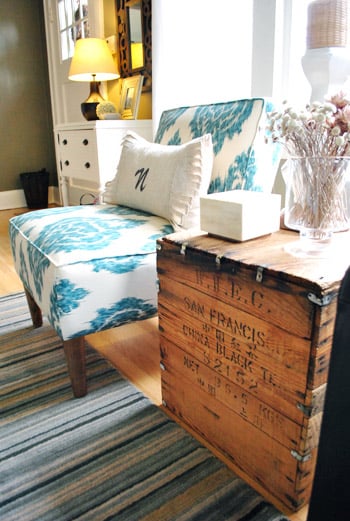
Eclectic style is the charming art of making several different design personalities sit at the same dinner table without starting a fight. It mixes vintage and modern furniture, bold patterns, collected objects, artwork, color, texture, and personal treasures into one room that feels layered instead of chaotic. In other words, it is not “I found this on sale and panicked.” It is intentional contrast.
The secret to a cohesive eclectic room is not owning expensive furniture or memorizing every design era from Victorian to mid-century modern. The real trick is creating a visual conversation. A curved velvet chair can talk to a rustic wood table. A modern lamp can flirt with an antique mirror. A striped rug can shake hands with floral pillows. When the room has a shared color story, repeated shapes, balanced scale, and thoughtful editing, eclectic decor becomes warm, personal, and polished.
This guide breaks down how to create an eclectic room that looks curated, not cluttered; creative, not confused; and stylish, not like your furniture moved in during five separate breakups.
What Does “Cohesive Eclectic” Really Mean?
A cohesive eclectic room combines different styles, periods, materials, and influences while still feeling unified. It may include a traditional sofa, a modern coffee table, a vintage rug, global textiles, abstract art, plants, and family heirlooms. The pieces do not need to match, but they do need to relate.
Think of eclectic interior design like a playlist. A room can include jazz, pop, soul, and a little classic rock, but the whole thing should still have a rhythm. Without rhythm, it is just noise with throw pillows.
The Difference Between Eclectic and Random
Random decor happens when every object competes for attention. Eclectic decor happens when contrast is controlled. A room can be colorful, layered, and full of personality, but it still needs boundaries. Those boundaries usually come from color, scale, repetition, layout, and negative space.
If every item in the room says, “Look at me!” the room becomes exhausting. A cohesive eclectic room lets a few pieces speak loudly while the rest provide backup vocals.
Start With a Clear Color Palette
The fastest way to make an eclectic room feel cohesive is to choose a color palette before you start adding furniture and decor. This does not mean everything must be beige, although beige does enjoy acting like it owns real estate. It means the room needs a controlled set of colors that repeat throughout the space.
A good eclectic color palette usually includes one or two dominant colors, one grounding neutral, and one or two accent colors. For example, you might build a room around warm white walls, camel leather, deep green, brass, and touches of burgundy. Or you could use navy, cream, walnut wood, terracotta, and black. The exact colors matter less than the repetition.
Use the 60-30-10 Rule Loosely
The classic 60-30-10 rule can help: 60 percent of the room is a dominant color, 30 percent is a secondary color, and 10 percent is an accent. In an eclectic room, this rule should be flexible, not bossy. Use it as a guide when the room starts looking like a fabric store sneezed.
For instance, your walls and large rug might make up the 60 percent foundation. Upholstery and wood tones could form the 30 percent layer. Art, pillows, lamps, and small accessories can bring in the final 10 percent of punch.
Choose a Neutral Foundation for Flexibility
A neutral base gives eclectic decor room to breathe. White, cream, taupe, gray, greige, mushroom, charcoal, and soft earthy tones all work well as backdrops. Neutral walls, large rugs, or main upholstery pieces can help balance bold art, patterned textiles, and unusual furniture.
This does not mean the room has to be pale or quiet. A dark green wall, navy sofa, or chocolate brown rug can also function as a foundation if it appears intentional and repeats in smaller accents. The goal is to create visual stability before layering in personality.
Let the Big Pieces Be Calm, Then Add the Drama
If you are nervous about mixing styles, keep the largest pieces simple. A clean-lined sofa, natural fiber rug, classic curtains, or wood dining table can anchor the room. Then bring in character with art, lamps, chairs, textiles, books, ceramics, and vintage finds. This method lets you experiment without turning every purchase into a dramatic life decision.
Repeat SomethingColor, Shape, Material, or Mood
Repetition is the quiet genius behind eclectic decorating. It tells the eye, “Yes, these things belong together.” Repetition can be obvious, such as using the same shade of blue in the rug, artwork, and pillows. It can also be subtle, like repeating curved silhouettes in a round mirror, arched chair back, globe lamp, and circular side table.
You can repeat materials, too. Brass picture frames, a brass floor lamp, and brass cabinet hardware can connect different parts of the room. Wood tones, woven textures, black accents, or ceramic pieces can do the same. The items do not need to be identical. In fact, they should not be. Similarity creates flow; sameness creates showroom fatigue.
Use the “Red Thread” Idea
Many designers use a “red thread” concept: one recurring design idea that runs through a room or home. Your red thread might be warm woods, botanical motifs, black metal accents, vintage portrait art, natural textures, or a relaxed travel-inspired mood. Once you identify it, repeat it lightly. The best red thread feels natural, not like a committee meeting.
Mix Furniture Styles With Intention
A cohesive eclectic room rarely uses a matching furniture set. Matching sets can make a room feel flat and overly packaged. Instead, mix furniture from different periods and styles while keeping proportion, color, or material in mind.
For example, pair a traditional roll-arm sofa with a sleek modern coffee table. Add a vintage sideboard, a contemporary lamp, and a pair of sculptural chairs. The contrast creates depth, but the room stays cohesive if the finishes, colors, or shapes repeat.
Balance Heavy and Light Pieces
Watch visual weight. A chunky antique cabinet can look fantastic, but if every other piece is also heavy, the room may feel crowded. Balance substantial furniture with pieces that have legs, glass, open shelving, or lighter silhouettes. A room needs rhythm: solid, airy, tall, low, curved, straight.
If one side of the room has a large dark bookcase, balance it with a substantial artwork, tall plant, or floor lamp on the opposite side. Balance does not require symmetry, but it does require awareness.
Layer Patterns Without Losing Your Mind
Pattern mixing is where eclectic rooms get their sparkle. Florals, stripes, checks, animal prints, geometrics, and vintage motifs can live together beautifully when they share color or vary in scale.
The easiest formula is to mix one large-scale pattern, one medium-scale pattern, and one small-scale pattern. For example, use a large botanical curtain, a medium striped rug, and small geometric pillows. If the colors connect, the patterns will feel like cousins instead of strangers arguing at Thanksgiving.
Give Patterns a Common Color
A shared color is the simplest bridge between patterns. A navy floral pillow can work with a navy-and-cream striped rug. A terracotta block-print curtain can connect to a rug with small terracotta details. When in doubt, repeat one color three times in the room. Three is often enough to make a choice look intentional.
Use Texture to Add Depth
Texture is essential in eclectic interior design because it creates richness even when the color palette is restrained. Mix smooth leather, nubby linen, polished metal, raw wood, velvet, rattan, wool, glass, plaster, and ceramics. Texture makes a room feel touchable and lived-in.
A neutral eclectic room especially needs texture. Without it, beige walls, beige upholstery, and beige curtains can start to feel like the inside of an oatmeal packet. Add a chunky knit throw, cane chair, woven basket, stone table, velvet pillow, or aged wood frame to bring the room to life.
Combine Rough and Refined
One of the most reliable eclectic decorating tricks is mixing rough and refined finishes. Try a rustic wood bench under a polished mirror, a sleek marble table beside a worn leather chair, or a delicate silk pillow on a casual linen sofa. The contrast keeps the room interesting.
Let One Piece Be the Star
Every cohesive eclectic room needs a focal point. This could be a colorful rug, oversized artwork, dramatic light fixture, vintage sofa, fireplace, wallpapered wall, or sculptural coffee table. Once you choose the star, let other pieces support it.
If your rug is bold, pull colors from it for pillows and art. If your artwork is the hero, echo its shapes or tones in smaller accessories. If your sofa is bright emerald green, avoid making every other item equally loud. Let the sofa have its diva moment.
Do Not Create Ten Focal Points
A common eclectic decorating mistake is giving every wall, shelf, chair, and lamp main-character energy. The result is visual traffic. Choose one primary focal point and one or two secondary moments. The rest of the room should support the story, not steal the microphone.
Anchor the Room With the Right Rug
A rug can make or break a cohesive eclectic room. It grounds the furniture, defines the seating area, introduces color or pattern, and softens the space. In a living room, choose a rug large enough for at least the front legs of the main furniture pieces to sit on it. A too-small rug can make the furniture look like it is avoiding commitment.
Vintage-style rugs work beautifully in eclectic rooms because they often include multiple colors, worn-in texture, and timeless pattern. Natural fiber rugs can also create a calm foundation under more colorful furniture and accessories.
Use the Rug as a Color Map
If you are unsure how to choose colors, start with the rug. Pull two or three colors from it and repeat them in pillows, lamps, art, books, or ceramics. This creates instant cohesion and saves you from wandering through the paint aisle whispering, “What is my truth?”
Curate Art and Accessories Carefully
Eclectic style thrives on personal objects: travel souvenirs, inherited pieces, thrift-store treasures, books, pottery, framed textiles, family photos, and original art. These items give the room soul. The challenge is editing them so the room feels collected, not crowded.
Group similar objects together. A collection of small ceramics looks stronger on one shelf than scattered across every surface. A gallery wall feels more cohesive when frames, spacing, colors, or subject matter share a connection. Mix frame styles if you want a collected look, but keep spacing consistent.
Leave Breathing Room
Not every surface needs decor. Negative space is not wasted space; it is what allows the good pieces to shine. If your shelves are packed tighter than an airport security line, remove a few items. The remaining objects will look more important.
Layer Lighting Like a Designer
Lighting is one of the most overlooked parts of creating a cohesive eclectic room. A single ceiling fixture rarely creates warmth or dimension. Use ambient lighting for general brightness, task lighting for reading or working, and accent lighting to highlight art, shelves, plants, or architectural details.
Eclectic rooms are perfect places for interesting lamps and chandeliers. A modern globe lamp can sit beside a traditional chair. A vintage sconce can brighten a contemporary gallery wall. Lighting is jewelry for the room, and yes, your room deserves earrings.
Use Warm Bulbs and Dimmers
Warm light makes layered rooms feel inviting. Dimmers are especially useful because eclectic spaces often include varied textures and finishes that look different throughout the day. Good lighting can make velvet glow, brass shimmer, and your questionable flea-market purchase look intentional.
Respect Scale and Proportion
Scale is the difference between charming and awkward. A tiny coffee table in front of a large sofa will look lost. A massive armchair in a small room may feel like it is slowly taking over the household. Before buying anything, measure.
Mixing styles works best when pieces are compatible in size. A delicate antique side table can work beside a modern sofa if the height is right. Oversized art can make a small room feel intentional, but too many oversized pieces can overwhelm it. Balance large, medium, and small items throughout the space.
Create Visual Triangles
Designers often use visual triangles to move the eye around a room. For example, repeat black in a floor lamp, picture frame, and side table. Repeat terracotta in a pillow, vase, and artwork. These triangular connections help different pieces feel related.
Blend Old and New
One of the joys of eclectic decorating is combining old and new. Vintage furniture adds patina, craftsmanship, and story. Modern pieces add freshness and function. Together, they prevent a room from feeling like a museum or a catalog page.
Try pairing an antique dresser with modern hardware, a contemporary sofa with a vintage rug, or a new dining table with mismatched thrifted chairs. If the chairs are very different, unify them with the same seat fabric or paint color. A little coordination can turn “garage sale leftovers” into “European country house charm.”
Make the Room Work for Real Life
A cohesive eclectic room should not only look good in photos. It should support the way you live. Before styling shelves or choosing art, ask what the room needs to do. Is it for entertaining, reading, watching movies, working from home, hosting game night, or hiding laundry before guests arrive?
Function creates natural order. Use baskets for clutter, trays for remotes, ottomans for flexible seating, and side tables where people actually need them. A beautiful room that has nowhere to set a drink is not design; it is a test of patience.
Common Mistakes to Avoid
Using Too Many Unrelated Colors
Color chaos is the fastest way to make an eclectic room feel messy. Limit the main palette and repeat colors throughout the room.
Buying Everything at Once
Eclectic rooms should feel collected over time. If everything is purchased from one store in one weekend, the room may look staged rather than personal.
Ignoring the Architecture
Work with the bones of the room. A historic fireplace, exposed brick wall, tall windows, or original molding can guide your choices.
Confusing Clutter With Character
Eclectic does not mean keeping every object you have ever liked. Edit often. Your room should tell a story, not read your entire diary aloud.
A Step-by-Step Plan for Creating a Cohesive Eclectic Room
- Choose your mood. Decide whether the room should feel cozy, playful, elegant, relaxed, dramatic, earthy, or colorful.
- Pick a palette. Select a foundation color, secondary colors, and one or two accents.
- Start with anchors. Choose the rug, sofa, dining table, bed, or main storage piece first.
- Add contrast. Mix old and new, curved and straight, rough and smooth, dark and light.
- Repeat details. Use recurring color, shape, finish, or texture to connect the room.
- Layer lighting. Include overhead, task, and accent lighting.
- Edit accessories. Keep the meaningful pieces and remove the fillers.
- Live with it. Eclectic rooms improve over time, so let the space evolve.
Experience Notes: What Actually Works in a Real Eclectic Room
In real life, creating a cohesive eclectic room usually begins with one awkward truth: most people already own mismatched things. A sofa from a previous apartment. A chair inherited from a relative. A coffee table bought during a “this is my new personality” phase. A lamp that looked smaller online. The good news is that these pieces do not need to be replaced immediately. In many cases, they simply need a stronger plan.
One practical experience is to start by removing small accessories before judging the furniture. Many rooms look mismatched because every surface is covered. Once shelves, tables, and corners are cleared, the main shapes become easier to understand. Suddenly, the vintage cabinet is not the problem. The problem was the twelve unrelated objects on top of it, including one candle shaped like a mushroom and three vases competing for emotional dominance.
Another useful experience is choosing a “bridge piece.” This is one item that connects several colors or styles in the room. A patterned rug can bridge a blue sofa, warm wood table, cream walls, and brass lamp. A large artwork can connect black, green, pink, and tan. A set of pillows can make an old chair and modern couch feel like they were introduced by a very competent mutual friend.
Paint and fabric are also powerful fixers. If mismatched dining chairs feel too chaotic, paint them the same color or recover the seats in one fabric. If an old sofa looks disconnected, add pillows that repeat colors from the rug or artwork. If a dark wood piece feels too heavy, place it near other warm wood tones so it looks intentional. The goal is not to hide differences; it is to give differences context.
Lighting changes everything. A room that feels cluttered under harsh overhead lighting can feel intimate and layered with table lamps, sconces, and warm bulbs. Lamps also help distribute visual weight. A tall floor lamp can balance a bookcase. A sculptural table lamp can make a quiet corner feel designed. Never underestimate the power of lighting to make eclectic decor look expensive, even when half the room came from thrift stores and one item was technically rescued from a curb.
The most important experience is learning to pause. Eclectic rooms are better when they are collected slowly. Leave space for future discoveries. The perfect side table, painting, or textile may appear later. A cohesive eclectic room should feel alive, not finished by force. When you allow the room to evolve, it gains personality, memory, and charm. That is the real beauty of eclectic design: it gives your home permission to be stylish and human at the same time.
Conclusion
Creating a cohesive, eclectic room is not about following rigid rules or matching every finish. It is about building harmony through thoughtful contrast. Start with a clear color palette, repeat key shapes or materials, mix furniture styles with intention, layer texture, choose the right rug, curate meaningful objects, and use lighting to create atmosphere.
The best eclectic rooms feel personal, comfortable, and slightly surprising. They show where you have been, what you love, and how you live. They are polished but not perfect. Designed but not sterile. Collected but not cluttered. In short, they are the kind of rooms that make guests say, “This is so you,” which is much better than, “Did a storage unit explode in here?”
Note: This article is written as original, publication-ready HTML body content based on real interior design principles and current decorating guidance, with no source links or unnecessary reference elements inserted into the article body.