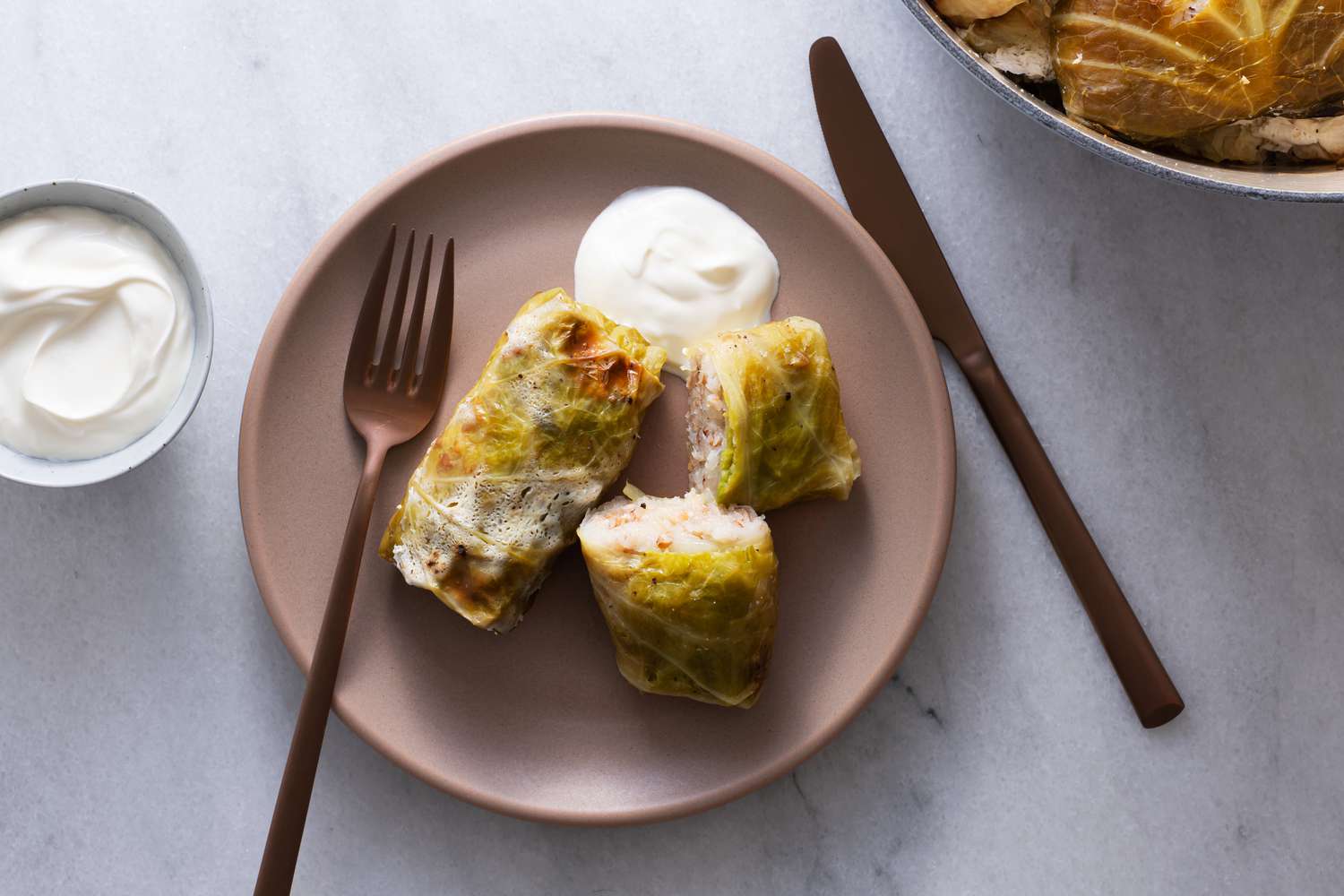
If cozy sweaters and thick socks were a dinner, they’d be Ukrainian stuffed cabbage.
Holubtsi (pronounced “ho-LOOB-tsee”) are tender cabbage leaves wrapped around a savory filling of
meat, rice, and aromatics, all slowly baked in a tomato sauce until everything tastes like a hug
from your Ukrainian grandma… even if you don’t have one.
In this in-depth guide, you’ll learn exactly how to make traditional Ukrainian cabbage rolls
at home, with step-by-step instructions, helpful timing cues, and plenty of tips for making them ahead,
freezing them, and serving them like a pro. Grab a big pot and an even bigger appetite.
What Is Holubtsi?
Holubtsi are classic Ukrainian cabbage rolls made from blanched cabbage leaves stuffed with a mixture
of ground meat (often beef or pork), rice, onions, and herbs, then simmered or baked in a tomato-based
sauce. The name roughly translates to “little pigeons,” a nod to their cute, plump shape.
You’ll find similar rolls all over Eastern Europe, but Ukrainian holubtsi tend to lean
toward simple ingredients, slow cooking, and lots of family tradition.
Holubtsi show up on the table for holidays, weddings, and Sunday dinners. They’re hearty, budget-friendly,
and designed to feed a crowd. Better yet, they taste even better the next day, which is pretty much the
definition of perfect comfort food.
Ingredients for Ukrainian Stuffed Cabbage (Holubtsi)
For the cabbage
- 1 large head green cabbage (about 3–4 pounds)
- Salt, for the blanching water
For the filling
- 1 tablespoon neutral oil or butter
- 1 medium yellow onion, finely diced
- 2 medium carrots, grated
- 3 cloves garlic, minced
- 1 pound ground beef (80–90% lean) or a mix of beef and pork
- 3/4 cup uncooked white rice, rinsed
- 1 large egg, lightly beaten
- 2–3 tablespoons chopped fresh dill
- 2 tablespoons chopped fresh parsley (optional but tasty)
- 1 teaspoon fine sea salt (plus more to taste)
- 1/2 teaspoon freshly ground black pepper
- 1/2 teaspoon smoked or sweet paprika
For the tomato sauce
- 1 tablespoon neutral oil or butter
- 1 small onion, finely diced
- 2 cloves garlic, minced
- 1 (28-ounce) can crushed or pureed tomatoes
- 1 cup low-sodium chicken or beef broth
- 1 tablespoon tomato paste (for depth)
- 1 teaspoon sugar (to balance acidity)
- 1 bay leaf
- Salt and pepper to taste
- 1/2 cup sour cream or heavy cream (optional for a creamier sauce)
To serve
- Sour cream or plain yogurt
- Extra fresh dill or parsley
- Crusty bread or mashed potatoes (highly recommended)
Step 1: Prepare the Cabbage Leaves
The only vaguely “fussy” part of holubtsi is getting those cabbage leaves soft and flexible.
Once you conquer this step, everything else is easy.
-
Core the cabbage: Remove any wilted outer leaves. Use a sharp knife to cut out the hard core
at the base of the cabbage, creating a cone-shaped opening. -
Blanch the whole head: Bring a large pot of salted water to a boil. Carefully lower in the cabbage,
core side down. Simmer for 5–10 minutes, turning occasionally, until the outer leaves are flexible but not mushy. -
Peel the leaves: Using tongs, pull off softened outer leaves one by one and transfer them to a tray
to cool. If the inner leaves are still stiff, return the cabbage to the water for a few more minutes and repeat. -
Trim the thick ribs: Once cool enough to handle, lay each leaf flat and shave down the thick center
vein with a knife so the leaf can roll easily without tearing.
Don’t stress if a few leaves tear. You can use small or damaged pieces to line the bottom of your baking dish or
to patch holes when rolling.
Step 2: Make the Holubtsi Filling
The filling is where the magic happens. You’re aiming for a moist, flavorful mixture that holds together
when rolled but doesn’t turn into a meat brick.
-
Sauté the aromatics: Heat the oil or butter in a skillet over medium heat. Add the diced onion and
grated carrot with a pinch of salt. Cook, stirring occasionally, for about 5–7 minutes until softened and lightly
golden. Stir in the garlic and cook for another 30–60 seconds, just until fragrant. Let cool slightly. -
Combine the filling: In a large mixing bowl, add the ground meat, rinsed rice, egg, cooled onion-carrot
mixture, dill, parsley (if using), salt, pepper, and paprika. -
Mix gently: Use clean hands or a fork to mix everything just until evenly combined. Over-mixing can make
the filling dense. You want it cohesive but still a little fluffy. -
Test the seasoning (optional but pro-level): Fry a teaspoon of the filling in a small skillet, taste,
and adjust the salt and pepper if needed.
Step 3: Mix the Tomato Sauce
Holubtsi sauce can be simple, but a few extra steps build layers of flavor without extra work.
-
Sauté the onion and garlic: In a saucepan, heat the oil or butter over medium heat. Add the onion and
cook for 4–5 minutes until soft and translucent. Add garlic and cook for another 30 seconds. -
Add tomatoes and broth: Stir in the crushed tomatoes, broth, and tomato paste. Add the sugar, bay leaf,
salt, and pepper. Bring to a gentle simmer. -
Simmer: Let the sauce bubble gently for 10–15 minutes to meld the flavors. If you’re using sour cream
or heavy cream, whisk it in at the end, off the heat. -
Adjust: Taste and tweak the seasoning. The sauce should be tangy, savory, and lightly salted; it will
mellow as it cooks with the cabbage.
Step 4: Roll the Holubtsi
Time to turn your prep into proper cabbage rolls. Think of this like rolling mini burritos in cabbage coats.
-
Prep the pan: Heat the oven to 350°F (175°C). Lightly oil a large baking dish or Dutch oven.
Line the bottom with any torn or leftover cabbage leaves to prevent sticking and add extra flavor. -
Fill the leaves: Place one cabbage leaf on a cutting board, stem side toward you. Add 2–3 tablespoons
of filling near the base (less for small leaves, more for big ones). -
Roll it up: Fold the sides of the leaf over the filling, then roll from the base toward the top,
tucking as you go to create a tight little package. Place the roll seam-side down in the dish. -
Repeat: Continue until you’ve used up all the filling. Pack the rolls snugly in a single layer;
if needed, make a second layer on top.
Step 5: Bake Until Tender and Cozy
-
Pour on the sauce: Remove the bay leaf from the sauce. Pour most of it evenly over the cabbage rolls,
reserving about 1/2 cup in case you want extra for serving. The rolls should be mostly submerged. -
Cover tightly: Cover the dish with a lid or a double layer of foil. This traps steam and helps
the cabbage become ultra-tender. -
Bake low and slow: Bake for about 1 1/2 to 2 hours, until the cabbage is very tender and the rice is cooked.
If you like a slightly caramelized top, uncover for the last 15–20 minutes. -
Rest before serving: Let the holubtsi rest for at least 15 minutes. This makes them easier to serve
and gives the flavors time to settle.
Serving Suggestions
Serve Ukrainian stuffed cabbage rolls hot, spooning extra sauce over the top. Add a generous dollop
of sour cream or plain yogurt and a sprinkle of fresh dill or parsley. Holubtsi are fantastic with:
- Creamy mashed potatoes
- Buttered boiled potatoes with dill
- Dark rye bread or crusty sourdough
- A simple cucumber and tomato salad with vinegar
This is not the night to serve tiny salad portions. Holubtsi shine as a full, hearty meal meant for second helpings.
Make-Ahead, Storage, and Freezing Tips
Holubtsi are almost better when you plan ahead, which makes them perfect for holidays or busy weeks.
-
Make ahead (uncooked): Assemble the rolls and arrange them in the baking dish. Cover tightly and refrigerate
for up to 24 hours. Add sauce just before baking, or add it ahead and bake straight from the fridge (adding 10–15 minutes). -
Leftovers: Cooked rolls keep well in an airtight container in the refrigerator for 3–4 days.
Reheat gently in the oven or on the stove with a splash of broth or water. -
Freezing uncooked: Place rolled, uncooked holubtsi on a parchment-lined tray and freeze until solid.
Transfer to freezer bags or containers and freeze for up to 3 months. Thaw overnight in the fridge, then bake with sauce. -
Freezing cooked: You can also freeze fully cooked rolls in sauce. Let them cool completely, portion them
into containers, and freeze for up to 3 months. Thaw in the fridge and reheat gently.
Variations on the Classic Holubtsi Recipe
Once you’ve mastered the classic version, it’s easy to tweak the recipe without losing the soul of the dish.
- All-beef or all-pork: Use one type of meat instead of a mixture. Pork will be richer; beef will be slightly leaner.
-
Vegetarian holubtsi: Swap the meat for sautéed mushrooms and extra vegetables. Add a bit of cooked lentils
or buckwheat for protein and texture. - More rice-forward: Use extra rice and less meat for a lighter, budget-friendlier roll.
- Creamier sauce: Stir more sour cream or cream into the sauce for a luxurious, silky finish.
- More tang: Add a splash of vinegar, lemon juice, or use a portion of sauerkraut in the sauce for brightness.
Common Mistakes and How to Avoid Them
-
Tough cabbage: If the leaves are hard to roll or chewy after baking, they weren’t blanched long enough.
Next time, give them a few more minutes in boiling water. -
Dry filling: Use meat with some fat, don’t skimp on onion and carrot, and avoid over-baking. The sauce
should come up around the rolls, not just sit on top. -
Undercooked rice: Make sure the rolls are tightly covered and baked long enough. If your oven runs cool,
extend the cook time by 15–20 minutes. - Leaky rolls: Don’t overstuff the leaves. A modest amount of filling rolls more securely and cooks more evenly.
Extra : Real-Life Experiences with Ukrainian Stuffed Cabbage
Holubtsi isn’t just a recipeit’s an activity, a family project, and sometimes a group therapy session disguised as dinner.
Ask anyone who grew up with Ukrainian cabbage rolls, and they’ll probably tell you at least one story that
starts with, “We made three pans of holubtsi that day…”
One of the most common experiences people share is making holubtsi in huge batches for holidays. Picture this: a grandma at the
head of the table, aunts and cousins lined up like a tiny cabbage-rolling army, and a mountain of blanched cabbage leaves in
the middle. Someone is in charge of trimming ribs, someone else scoops filling, and someone inevitably rolls their first cabbage
so loosely that it collapses in the pan. Nobody minds. There’s always one rookie roll.
Another familiar moment: the first time you try to core a cabbage without feeling like you’re performing minor surgery.
The good news is that by your second or third head of cabbage, you’ll move much faster. Many home cooks discover a rhythm:
while one cabbage is blanching, they’re trimming leaves from the previous one and rolling the first batch. Holubtsi teaches
you to think like a small-scale production manageronly your “factory” smells like garlic and tomato sauce.
People also quickly learn that stuffed cabbage is incredibly forgiving. If a leaf tears, you patch it with another piece and
keep rolling. If your rolls are different sizes, you tuck the smaller ones in between larger ones so they don’t open while
cooking. If your sauce seems a little thin, you bake the rolls uncovered for the last stretch and let the sauce thicken and
brown at the edges. Holubtsi rewards effort, not perfection.
Many cooks share the experience of making holubtsi as a bridge between generations. Maybe the original written recipe was
just a list of ingredients in a notebookno measurements, just “some rice” and “enough cabbage.” Re-creating it means
standing in the kitchen, tasting, adjusting, and deciding, “Okay, this feels right.” That’s when a personal version is born:
maybe a little more dill, a touch of smoked paprika, or a creamier sauce, but still recognizably the same dish that appeared
on the table decades ago.
There’s also the practical experience: holubtsi as meal prep hero. Once people realize how well cabbage rolls freeze and
reheat, they start doubling the recipe. One pan goes on the table now, and another disappears into the freezer for a future
“I don’t feel like cooking” night. Pulling out a pan of homemade Ukrainian stuffed cabbage on a busy weekday feels like
cheating in the best possible way.
Finally, there’s the moment of serving holubtsi to someone who’s never tried them. They may be skeptical“Cabbage rolls?
Really?”but then they cut into a soft roll, taste the savory filling, the tender cabbage, and the tangy tomato sauce,
and suddenly they’re asking for seconds and the recipe. That’s the real power of holubtsi: it takes very humble ingredients
and turns them into something worthy of holidays, family stories, and a permanent spot in your comfort-food rotation.
Conclusion
Ukrainian stuffed cabbage (holubtsi) may look like a special-occasion dish, but once you’ve made it once or twice,
it becomes that reliable, cozy meal you can pull out for guests, holidays, or any time you need serious comfort in a bowl.
With soft cabbage leaves, a simple yet flavor-packed filling, and slow baking in rich tomato sauce, holubtsi is proof that
classic recipes are classic for a reason.
Roll a tray, share it with people you love, and don’t be surprised when this old-world favorite becomes one of your
most requested recipes.