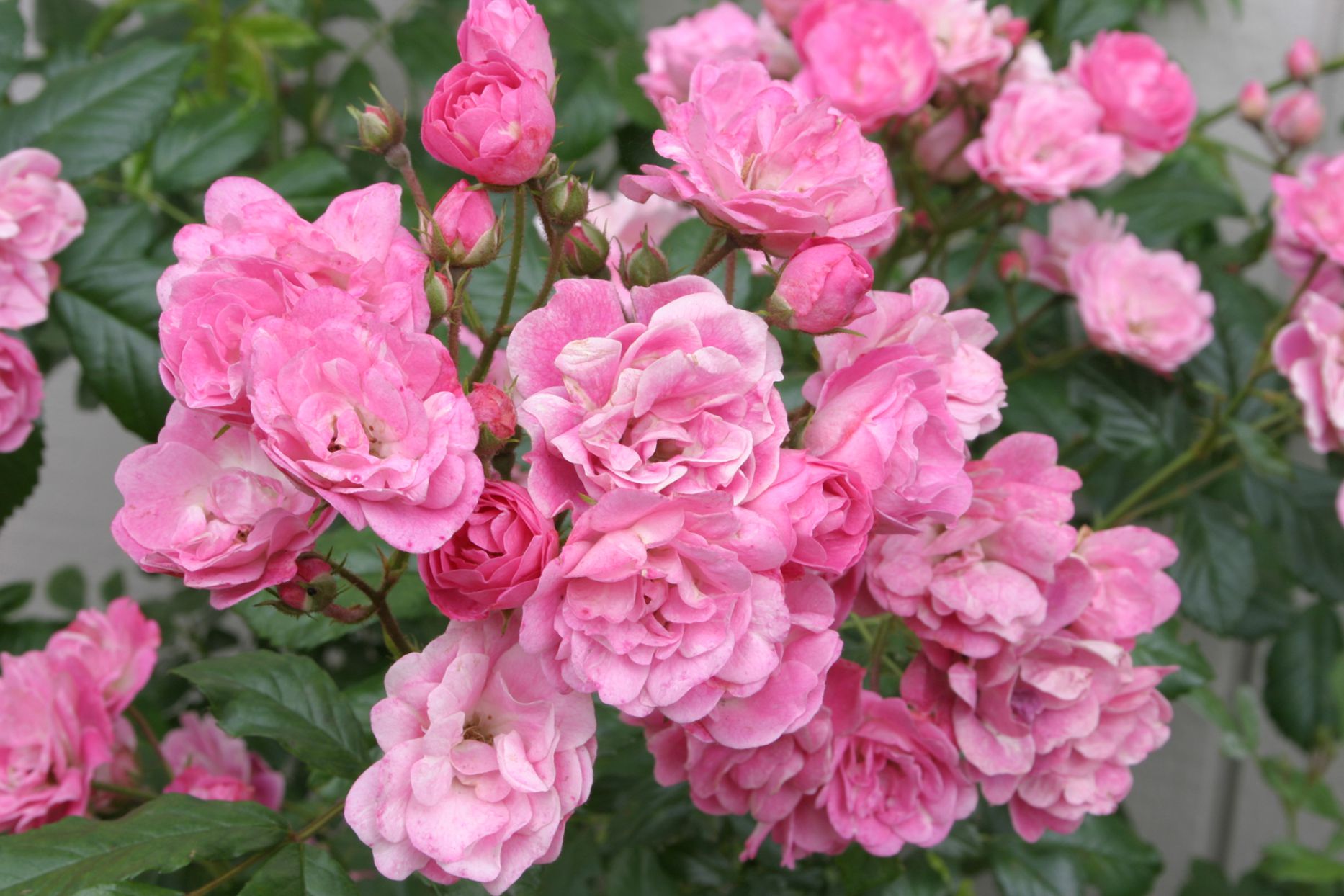
Roses have a dramatic reputation. They wear velvet petals, demand good lighting, and occasionally behave like tiny garden celebrities who will not perform unless the soil catering is correct. But here is the good news: learning when to fertilize roses is not nearly as mysterious as it sounds. The secret is timing fertilizer around active growth, bloom cycles, weather, and your local frost datesnot tossing plant food at the bush whenever it gives you a judgmental thorny stare.
Fertilizing roses at the right time can help produce stronger canes, deeper green leaves, fuller buds, and bigger, brighter blossoms. Fertilizing at the wrong time, however, can lead to weak growth, burned roots, fewer flowers, or tender new shoots that get smacked by winter. In other words, rose fertilizer is helpful, but it is not magic glitter. It works best when used with water, sunlight, healthy soil, pruning, mulch, and a tiny bit of gardener patiencewhich is, admittedly, the hardest ingredient to buy.
This guide explains exactly when to fertilize roses, how often to feed different types of roses, what kind of fertilizer to use, and when to stop fertilizing so your plants can prepare for winter. Whether you grow hybrid teas, floribundas, shrub roses, climbing roses, Knock Out roses, miniature roses, or container roses, the goal is the same: healthy plants that bloom like they heard compliments were being handed out.
Why Timing Matters When Fertilizing Roses
Roses are active growers during the warm season. When they are pushing out new leaves, forming buds, and reblooming, they need nutrients to support that work. Fertilizer helps supply essential elements such as nitrogen, phosphorus, potassium, and sometimes micronutrients like iron, magnesium, manganese, and zinc.
However, roses do not need the same amount of fertilizer all year. Feeding them too early in cold soil may waste nutrients because roots are not yet actively absorbing much. Feeding them too late in the season can encourage soft, tender growth that may be damaged by frost. Feeding them too much at any time can burn roots, increase disease pressure, and create lush leaves without enough flowers. Basically, the plant grows a salad bar instead of a bouquet.
The Big Rule: Fertilize When Roses Are Actively Growing
The best time to start fertilizing roses is in spring, after the plant has begun leafing out and the risk of severe freezing has mostly passed. Look for swelling buds, new reddish or green shoots, and leaves beginning to open. That is your rose saying, “Yes, I am awake. Coffee would be lovely.”
For most regions in the United States, the first feeding happens in early to mid-spring. In colder climates, this may be April or May. In warmer Southern regions, it may be February or March. In frost-free parts of South Florida, roses may grow nearly year-round and can need a different feeding rhythm than roses in Chicago, Denver, or New England.
The Best Fertilizing Schedule for Roses
There is no single calendar date that works for every garden, because roses do not read calendars. They read soil temperature, daylight, water, and weather. Still, most gardeners can follow a seasonal pattern.
First Feeding: Spring, When New Leaves Appear
Begin fertilizing when the rose has new growth and leaves are opening. This first feeding supports strong stems, healthy foliage, and the first major bloom of the season. If you prune roses in early spring, fertilize after pruning when the plant starts actively growing. Do not fertilize a completely dormant rose just because you are excited and wearing your gardening gloves indoors.
Use a balanced rose fertilizer, a slow-release shrub fertilizer, or a complete garden fertilizer according to the product label. If your soil has not been tested, avoid guessing wildly with specialty additives. A soil test is the garden version of reading the recipe before baking. It tells you what your soil actually needs instead of letting you season it like soup.
Second Feeding: After the First Flush of Blooms
Many roses put on a big spring show, then pause before producing the next round of flowers. After the first flush fades, repeat-blooming roses benefit from another feeding. This is especially useful for hybrid teas, floribundas, grandifloras, and many modern shrub roses that bloom in cycles.
Deadhead spent flowers before or around this time unless you are growing varieties prized for rose hips. Removing faded blooms encourages many repeat bloomers to redirect energy into new buds instead of seed production. Think of it as politely telling the rose, “Lovely performance. Encore, please.”
Summer Feeding: Light, Regular Support During Bloom Cycles
For repeat-blooming roses, a light feeding every four to six weeks during the growing season can support continued flower production. Some gardeners prefer granular fertilizer after each bloom cycle; others use diluted liquid fertilizer more frequently. Slow-release products can simplify the schedule by releasing nutrients gradually over several months.
In hot summer weather, be cautious. Roses under drought stress should not be fertilized until they are watered and recovering. Fertilizer salts can damage dry roots, and forcing new growth during heat stress is like asking someone to run a marathon while wearing a winter coat. Water first, wait until the plant perks up, then feed lightly if needed.
Final Feeding: Stop Before Frost
In climates with cold winters, stop fertilizing about six to eight weeks before your average first frost date. Many extension recommendations land around late July, early August, mid-August, or late summer depending on the region. The point is not the exact date; the point is to stop early enough that roses can slow down, harden off, and prepare for dormancy.
Late nitrogen-heavy feeding can push tender new stems that look cheerful in September but suffer badly when temperatures drop. If you want your rose to survive winter with dignity, do not hype it up with a late-season buffet.
Regional Timing: Adjust Your Rose Fertilizer Schedule
Where you garden matters. A rose in Minnesota and a rose in Miami are technically the same kind of plant, but they are living very different lifestyles.
Cold-Winter Regions
In colder areas, wait until spring growth is clearly underway before fertilizing. Feed after leaf-out, again after the first bloom cycle, and possibly once more in midsummer for repeat bloomers. Stop by late July or early to mid-August so plants can prepare for winter. Species roses and hardy shrub roses may need only one spring feeding, especially if they are growing well.
Mild-Winter Regions
In mild climates, roses often have a longer growing season. Begin feeding earlier in spring and continue through bloom cycles. Still, avoid overfeeding during extreme heat, drought, or late-season periods when the plant should begin slowing down. Even where winters are gentle, roses benefit from a rhythm instead of nonstop fertilizer confetti.
Warm and Frost-Free Regions
In parts of Florida and similar climates, roses may grow most of the year. Monthly feeding may be appropriate, with smaller, more frequent applications during rainy summer periods when nutrients can leach quickly from soil. Controlled-release fertilizer and organic matter can be especially helpful because they provide steadier nutrition.
How Often Should You Fertilize Different Types of Roses?
Different roses have different appetites. Some are hungry divas; others are low-maintenance garden citizens who quietly bloom without sending a formal complaint.
Hybrid Tea, Floribunda, and Grandiflora Roses
These roses are often grown for large, showy flowers and repeat bloom. They usually benefit from a regular feeding program during the growing season. Start in spring, feed after bloom cycles, and stop before frost. For bigger blossoms, consistency matters more than dumping on a huge amount at once.
Shrub Roses and Landscape Roses
Many shrub roses, including easy-care landscape roses, need less fertilizer than hybrid teas. If they are planted in good soil with compost and mulch, one spring feeding may be enough. If flowering slows or leaves look pale, a second light feeding after the first bloom may help.
Climbing Roses
Climbers need nutrients for long canes and flowers, but timing also depends on whether they bloom once or repeat. Once-blooming climbers generally flower on older wood, so avoid heavy late pruning and focus fertilizer in spring after growth begins. Repeat-blooming climbers can be fertilized after bloom cycles like other repeat bloomers.
Miniature and Container Roses
Container roses dry out and use nutrients faster than roses planted in the ground. They may need lighter but more frequent feeding during active growth. Use a diluted liquid fertilizer or a controlled-release product labeled for container plants. Always water containers well, because dry potting mix plus fertilizer is a recipe for crispy sadness.
What Is the Best Fertilizer for Roses?
The best rose fertilizer depends on your soil, your rose type, and your gardening style. A balanced rose fertilizer with nitrogen, phosphorus, and potassium is a common choice. Many rose-specific products also include micronutrients that help support healthy foliage and flower development.
Understanding N-P-K Without Needing a Chemistry Degree
Fertilizer labels show three numbers, such as 10-10-10, 12-4-8, or 5-10-5. These represent nitrogen, phosphorus, and potassium.
- Nitrogen supports leafy green growth and strong stems.
- Phosphorus supports root development and plant energy processes.
- Potassium helps overall plant strength, stress tolerance, and winter hardiness.
More is not automatically better. Too much nitrogen can create lush, soft growth that attracts aphids and diseases while reducing flower quality. Too much fertilizer can also burn roots. Follow label directions, especially with synthetic fertilizers, because the label is not decorative literature.
Organic Fertilizers for Roses
Compost, composted manure, alfalfa meal, fish-based fertilizers, cottonseed meal, and other organic products can improve soil structure while adding nutrients slowly. Organic fertilizers are often gentler, but they still need to be used correctly. Organic does not mean “apply with a shovel and hope for the best.”
Compost is especially valuable because it improves soil texture, water retention, drainage, and microbial activity. A one- to two-inch layer of compost around the root zone in spring can support roses without shocking them. Keep compost and mulch pulled a few inches away from the canes to reduce rot and pest issues.
Slow-Release Fertilizers
Slow-release fertilizers are convenient for busy gardeners. They release nutrients gradually, often over several months, depending on moisture and temperature. Apply them in spring according to label directions. They are useful for shrub roses, landscape roses, and gardeners who love roses but also have a life outside the flower bed.
Liquid Fertilizers
Liquid fertilizers act quickly and can be useful during active growth or for container roses. They are often applied every two to four weeks at a diluted rate, depending on the product. Because they move through soil quickly, they may need more frequent application than granular fertilizers, especially in containers or sandy soil.
How to Fertilize Roses the Right Way
Good fertilizer timing is only half the story. Application matters too. Even the best rose food can cause trouble if applied carelessly.
Step 1: Water Before Feeding
Never fertilize dry, stressed roses. Water the plant deeply the day before or earlier the same day. Moist soil helps protect roots and allows nutrients to move into the root zone.
Step 2: Apply Fertilizer Around the Drip Line
Spread granular fertilizer in a ring around the plant, starting several inches away from the crown or canes. Most feeding roots are not directly against the stem; they spread outward. Keep fertilizer from touching the canes or graft union.
Step 3: Scratch It Lightly Into the Soil
Use a hand cultivator or gloved fingers to gently work dry fertilizer into the top layer of soil. Do not dig aggressively. Rose roots are not asking for a surprise excavation.
Step 4: Water Again
After fertilizing, water thoroughly. This dissolves nutrients and moves them toward the roots. It also reduces the chance of fertilizer burn.
Step 5: Mulch After Feeding
A two- to three-inch layer of mulch helps conserve moisture, moderate soil temperature, and reduce weeds. Organic mulches such as shredded bark, pine straw, chopped leaves, or composted materials can gradually improve the soil as they break down. Keep mulch away from direct contact with rose canes.
Signs Your Roses Need Fertilizer
Roses can be surprisingly expressive. They may not speak, but they absolutely send messages through leaves, stems, and flowers.
- Pale green or yellowing foliage may suggest nutrient deficiency, poor drainage, or pH problems.
- Weak stems and small leaves can indicate low vigor.
- Few flowers after the first bloom may mean the plant needs water, sun, pruning, or nutrients.
- Small blooms may be linked to stress, heat, insufficient feeding, or inadequate watering.
- Excessive leafy growth with few flowers can mean too much nitrogen.
Before adding more fertilizer, check the basics. Does the rose get at least six hours of sun? Is the soil draining well? Is the plant watered deeply during dry periods? Are pests or diseases stealing energy? Fertilizer can help only if the rest of the rose care routine is not quietly falling apart in the background.
Common Rose Fertilizing Mistakes
Fertilizing Too Early
Feeding before roses are actively growing wastes fertilizer and may not benefit the plant. Wait for leaf-out and warming soil.
Fertilizing During Drought Stress
Dry roots are vulnerable to burn. Water first, let the plant recover, then fertilize lightly if needed.
Using Too Much Fertilizer
If one scoop is good, three scoops are not three times better. Overfertilizing can damage roots, encourage weak growth, and increase pest problems.
Feeding Too Late in the Season
Late nitrogen encourages tender growth that may be damaged by cold. Stop six to eight weeks before frost in cold-winter areas.
Ignoring Soil Health
Healthy roses begin below the surface. Compost, mulch, good drainage, and soil testing do more for long-term performance than random fertilizer experiments.
A Simple Rose Fertilizer Calendar
Use this sample schedule as a flexible guide. Adjust it for your climate, rose type, and product label.
Early Spring
Prune as needed. When leaves begin to open, apply the first feeding. Add compost and mulch. Water deeply.
Late Spring to Early Summer
After the first bloom flush, deadhead and feed repeat-blooming roses again. Watch for aphids, black spot, and drought stress.
Midsummer
Feed lightly after bloom cycles if roses are healthy and actively growing. Reduce fertilizer during extreme heat. Keep soil evenly moist.
Late Summer
Stop fertilizing in cold-winter climates about six to eight weeks before the first expected frost. Let plants slow down naturally.
Fall
Do not push new leafy growth. Continue watering during dry spells. Allow some roses to form hips if desired. Clean up diseased leaves and prepare for winter protection where needed.
Experience Notes: What Gardeners Learn After Feeding Roses for a Few Seasons
The first thing many gardeners learn about fertilizing roses is that roses reward consistency more than drama. A steady spring feeding, a thoughtful post-bloom feeding, and good watering usually beat the “panic fertilizer” method. Panic fertilizer happens when a rose looks sad, the gardener gasps, and three different products are applied in one emotional afternoon. The rose rarely appreciates the buffet.
One practical experience is that roses often bloom better when fertilizer is paired with deep watering. A gardener may apply a high-quality rose fertilizer and still see disappointing results if the soil stays dry. Nutrients cannot help much if they are sitting in dry soil like guests waiting outside a locked restaurant. Water moves nutrients into the root zone and helps the plant use them efficiently.
Another common lesson is that less-demanding shrub roses do not always need the same feeding schedule as hybrid teas. A tough landscape rose growing in compost-rich soil may bloom beautifully with one spring application and mulch. Meanwhile, a hybrid tea grown for large cut flowers may need regular feeding after each bloom cycle. Treating every rose exactly the same can lead to overfeeding some and underfeeding others.
Container roses teach the fastest lessons because they have less soil to buffer mistakes. If you forget to water, they wilt. If you fertilize too heavily, leaf edges may brown. If you feed lightly and consistently during active growth, they often respond with fresh leaves and repeat blooms. Many gardeners find that diluted liquid fertilizer works well for potted roses because it is easier to control.
Experienced rose growers also learn not to worship every garden myth. Epsom salt, bone meal, banana peels, coffee grounds, and homemade mixtures all have devoted fan clubs. Some may be useful in specific conditions, but none should replace understanding your soil. If magnesium is not deficient, adding Epsom salt every month is not a secret rose spell. If phosphorus is already adequate, extra bone meal will not automatically create dinner-plate blooms. A soil test is less glamorous than a miracle hack, but roses prefer facts over folklore.
Finally, timing the last feeding is one of the biggest differences between beginner and experienced rose care. New gardeners often want to keep pushing blooms late into the season. Seasoned gardeners know when to stop. Letting roses slow down before winter helps them mature their canes and store energy. It may feel strange to stop feeding while the weather is still pleasant, but that restraint can mean healthier plants next spring.
The best rose fertilizing routine is not complicated: feed when roses are growing, support them after bloom cycles, water deeply, mulch generously, stop before frost, and pay attention. Roses may look fancy, but their needs are practical. Give them sunlight, soil, water, and nutrients at the right time, and they will often repay you with blossoms that make neighbors slow down mid-walk.
Conclusion
Knowing when to fertilize roses is the difference between encouraging healthy bloom power and accidentally creating a thorny green jungle with fewer flowers. Start in spring when new leaves appear, feed repeat-blooming roses after bloom cycles, water before and after applying fertilizer, and stop feeding before frost in cold-winter regions. Choose a rose fertilizer that fits your soil and plant type, and remember that compost, mulch, drainage, and sunlight matter just as much as the fertilizer bag.
For bigger, brighter blossoms, do not chase complicated tricks. Follow the plant’s growth cycle. Roses bloom best when they are nourished steadily, not overwhelmed. Give them good timing, reasonable feeding, and a little gardener attention, and they will do what roses do best: make the whole yard look like it has excellent taste.