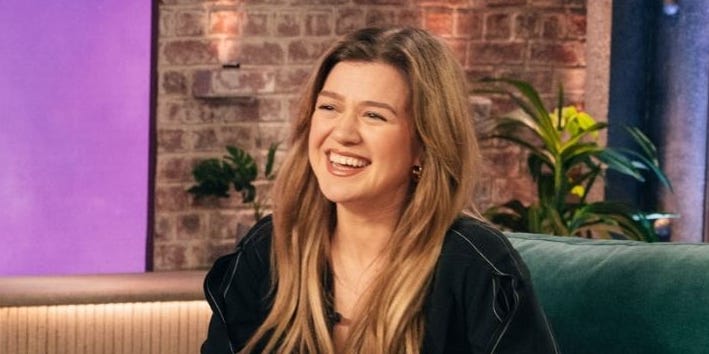
Daytime TV loves a routine. Same host, same couch, same cheerful mug, same celebrity plugging a movie while pretending they are absolutely not jet-lagged. But The Kelly Clarkson Show has never been at its best when it acts like furniture. It works because Kelly Clarkson herself is not furniture. She is a powerhouse vocalist, a quick-witted host, and the rare TV personality who can move from a goofy game to an emotional conversation without making viewers feel like they accidentally changed channels.
That is exactly why the buzz around Season 7 matters. This was not just another “welcome back after summer” reset. Season 7 arrived with clear changes to tone, structure, and storytelling. It expanded the show’s feel-good DNA, sharpened its focus on community-centered segments, widened the musical ambitions of “Kellyoke,” and rolled out a lineup of guests designed to keep the show culturally relevant without losing its signature heart. Then, in a bigger twist than most daytime shows would dare script, Season 7 also became the show’s final chapter.
So yes, the headline writes itself: major changes. But the more interesting story is why those changes matter. Season 7 was not a desperate reinvention. It was a smart refresh. It kept the best parts of the show intact while gently upgrading the engine under the hood. In TV terms, that is harder than it looks. In human terms, it is like redecorating your house without losing the one chair everyone fights over at Thanksgiving.
Season 7 Did Not Reboot the Show. It Refined It.
When Season 7 was announced, the first obvious update was timing. The new season officially premiered on September 29, 2025, after production resumed earlier that month in New York. That return alone mattered because it signaled stability at a moment when many daytime programs were struggling to stay culturally loud, commercially useful, or even fully alive. Clarkson’s show came back with confidence, not panic.
But the real shift was creative. Instead of simply rolling out a fresh guest list and calling it a day, the show used Season 7 to make its mission clearer. The production leaned more deliberately into stories about people making a difference, community heroes, and moments of generosity that feel refreshingly human in an entertainment landscape that can sometimes seem powered by chaos and cold brew alone.
That emotional framing was visible right away. The opening stretch of Season 7 put a spotlight on heroes connected to the devastating Texas floods, setting the tone for a season that wanted to do more than entertain. The show still had laughs, celebrity banter, and musical fireworks, but it also made a point of asking what daytime TV can offer when people are exhausted by headlines and hungry for sincerity.
The Biggest Season 7 Changes Fans Actually Noticed
1. A More Purpose-Driven Editorial Focus
For years, The Kelly Clarkson Show has balanced celebrity interviews with “good human” storytelling. Season 7 pushed that balance further. Rather than treating uplifting stories as side dishes, the show made them feel closer to the main course. That may sound subtle on paper, but on screen it changes the entire rhythm of an episode.
The result is a show that feels more intentional. Instead of relying only on fame to drive momentum, Season 7 gave more oxygen to everyday people whose work, resilience, and kindness added emotional weight. In an era when many talk shows chase viral moments like they are chasing a runaway shopping cart in a parking lot, that choice made Clarkson’s show feel surprisingly grounded.
2. New Segments Added Fresh Energy
One of the clearest format updates involved new recurring segments. Season 7 introduced “Life Well Lit”, a feature built to spotlight people who bring light to their communities. That title could have been unbearably cheesy in the wrong hands. On this show, it fits. Clarkson’s brand has always been emotional openness without excessive polish, and the segment plays directly into that strength.
The show also rolled out “Celebs With Skills”, which gives celebrity guests room to demonstrate talents that have nothing to do with selling a movie, series, or skincare serum. The concept is clever because it breaks the usual talk-show rhythm. Suddenly, guests are not just promoting; they are revealing something odd, charming, or unexpectedly useful. That makes the interviews feel less transactional and more alive.
Together, these additions gave Season 7 a stronger identity. They made episodes feel more segmented in a good way: music, conversation, service, surprise, and personality all got their own lanes without causing the show to feel crowded.
3. “Kellyoke” Got Even Bolder
Let’s be honest: “Kellyoke” is not a segment anymore. It is a franchise within a franchise. It is the thing fans search for, clip, replay, debate, and occasionally use to remind themselves that yes, Kelly Clarkson can sing basically anything short of a restaurant menu and still make it sound dramatic.
Season 7 did not play it safe with “Kellyoke.” Reports around the new season made clear that Clarkson and music director Jason Halbert were widening the song selection and experimenting with fresh choices, including tracks by artists like Queen, Maren Morris, Sam Fischer, Whitney Houston, and others. That matters because the segment could easily have become repetitive by now. Instead, Season 7 treated it like a living feature, not a museum exhibit.
This musical expansion helped the show in two ways. First, it protected one of its most popular assets from becoming stale. Second, it reinforced Clarkson’s biggest advantage in daytime: she is not playing a host who loves music. She is a real musician who happens to be a gifted host. That difference is why “Kellyoke” continues to feel earned.
4. A Starrier-Than-Usual Guest Roster
Season 7 also came out swinging with a heavy-hitting guest list. Names tied to the season included Emily Blunt, Marion Cotillard, Colin Farrell, Scarlett Johansson, Dwayne Johnson, Matthew McConaughey, Lionel Richie, Julia Roberts, Shonda Rhimes, Margot Robbie, Reese Witherspoon, Channing Tatum, and more. That is not a guest list. That is a small awards show with better lighting.
The celebrity lineup served an obvious purpose: keep the show competitive and topical. But the more important point is that Clarkson’s interview style makes these appearances feel less like mandatory press stops and more like actual conversations. She is warm without being stiff, funny without trying too hard, and famous enough that guests do not have to pretend they have never heard of her. In talk-show terms, that chemistry is gold.
5. The New York Audience Experience Stayed Central
Though the show’s move to New York happened before Season 7, the current season continued to build around that Rockefeller Center identity. Tapings remained at Studio 6A in 30 Rockefeller Plaza, with free audience tickets distributed through 1iota. That live audience setup matters because it strengthens the show’s theater-like feel.
Unlike some daytime programs that can seem over-managed or oddly airless, The Kelly Clarkson Show benefits from the room. You can feel the audience energy during “Kellyoke,” the laughter lands faster, and the emotional reveals hit harder. Season 7 leaned into that live, in-the-moment quality instead of sanding it down.
Why These Changes Worked
The smartest thing about Season 7 is that the show did not mistake “change” for “identity crisis.” It did not suddenly become a politics program, a therapy hour, or a celebrity circus. It stayed recognizably Kelly. The updates were strategic rather than theatrical.
That distinction matters for SEO-minded readers, TV watchers, and industry observers alike. A successful seasonal refresh is not about yelling “new and improved” from the rooftop. It is about noticing where audience habits are shifting and then adjusting the product without breaking the emotional contract with viewers. Clarkson’s team appears to understand that contract better than many of its competitors.
Viewers come for Kelly’s voice, humor, and relatability. They stay for the emotional generosity. Season 7 strengthened both sides of that equation. It delivered more structure without losing spontaneity, and more purpose without losing fun. That is a difficult balance. Plenty of talk shows can make you laugh. Plenty can make you feel. Very few can do both in the same hour without giving you tonal whiplash.
The Plot Twist: Season 7 Became the Final Season
Then came the biggest change of all. In February 2026, it was announced that The Kelly Clarkson Show would end with Season 7, with episodes continuing through fall 2026. That news instantly changed how viewers interpret the season. What first looked like a creative refresh now also reads as a farewell stretch, even if the show itself has not turned every episode into a long goodbye.
The ending gives Season 7 a different emotional charge. Every format tweak, every “Kellyoke” choice, every guest appearance, and every community-centered segment now carries a little extra weight. Fans are not just watching a show evolve. They are watching it complete its final arc.
The closing-season status also explains why the show’s tone has felt especially intentional. Rather than drifting into autopilot, the series appears determined to go out as itself: warm, musical, upbeat, and deeply personal. That is a far more graceful exit than the classic television method of slowly becoming a ghost of your former self while executives insist everything is “business as usual.”
Season 7 also opened the door to guest-host experimentation, with P!NK among the special hosts announced for part of the final run. Even that choice made sense. It preserved the show’s musical identity while giving the format a little variety and signaling that the final season still had room to surprise viewers.
What Season 7 Says About Kelly Clarkson’s Strength as a Host
More than anything, Season 7 confirms that Clarkson’s appeal is not accidental. She has become one of the few daytime hosts who can feel both mainstream and genuinely personal. She is polished enough for syndication but loose enough to feel human. She can sing the roof off the studio, joke about awkward moments, and turn emotional without sounding scripted.
That combination is why the Season 7 changes land. If these exact updates were dropped into a colder format, they might feel calculated. On Clarkson’s show, they feel like extensions of the host’s personality. The optimism feels believable. The music feels earned. The emotional beats feel lived in.
In other words, the show did not need to become someone else to stay relevant. It just needed to become a sharper version of itself. Season 7 accomplished that, and that is no small feat in a daytime landscape where many programs are fighting for attention against streaming, podcasts, social clips, and everyone’s favorite competitor: not turning the TV on at all.
Fan Experience: Why Season 7 Feels Different in Real Time
One of the most interesting parts of Season 7 is how differently it plays depending on how you experience it. If you are a longtime fan watching from home, the changes may not feel like a giant neon sign blinking “new format alert.” Instead, they show up in texture. The episodes breathe a little differently. The emotional stories hit a little harder. The music choices feel slightly more adventurous. The celebrity chats seem less like scheduled pit stops and more like conversations that have permission to wander.
For live audience members, that difference is even easier to imagine. A show taped at Rockefeller Center already has a certain New York electricity to it. Add in “Kellyoke,” surprise reveals, and community-honoring segments, and Season 7 starts to feel less like a standard daytime production and more like a hybrid of concert, talk show, and emotional group therapy led by someone who can also out-sing your playlist. Not bad for a weekday afternoon.
There is also a deeper viewer experience at work here. Because the season now exists under the shadow of the show’s eventual ending, fans are watching with sharper attention. Moments that might have once felt routine now land with a little more significance. A great vocal cover is not just a great cover; it is one more reminder of the musical identity that made the show stand out. A moving interview is not just content; it is evidence of why Clarkson connected in the first place.
Season 7 creates the rare feeling that a show is both stable and fleeting. Stable, because the format still knows what it is. Fleeting, because viewers know the runway is shorter now. That combination can make ordinary episodes feel more meaningful. Fans start noticing details: the warmth in Kelly’s delivery, the way the audience responds, the pacing of a reveal, the emotional honesty in an otherwise funny segment. Nothing is dramatically different, and yet everything feels slightly more precious.
From a broader pop-culture perspective, that experience matters because it reminds viewers what daytime TV can still do well. It can create habit. It can create comfort. It can give people a reason to stop doom-scrolling for an hour and spend time with something that feels lively, kind, and unashamedly human. Season 7 seems to understand that the audience is not just looking for distraction. They are looking for connection.
That may be the real reason the Season 7 changes resonate. They are not flashy for the sake of flash. They are built around the experience of being a viewer in 2025 and 2026: tired, overloaded, skeptical, but still open to joy when it feels real. Clarkson’s show has always traded in that kind of emotional realism. This season simply sharpened it. And now that the final-season context is part of the story, the whole experience carries more emotional echo than anyone expected when the premiere date first dropped.
Final Thoughts
The Kelly Clarkson Show did not need a gimmick to make Season 7 matter. It needed clarity, confidence, and a reason for viewers to keep showing up. It found all three. The season introduced meaningful format additions, pushed its music segment into fresh territory, elevated community stories, and kept the celebrity booking machine humming. Then it added one final reality check: this season is the end of the road.
That makes Season 7 more than a programming update. It is a case study in how a talk show can evolve without losing its soul. The changes are real, but the heart is still recognizably Kelly Clarkson: big voice, quick laugh, open emotion, and just enough chaos to keep things from feeling corporate. In daytime television, that combination is rare. In a final season, it is even rarer.