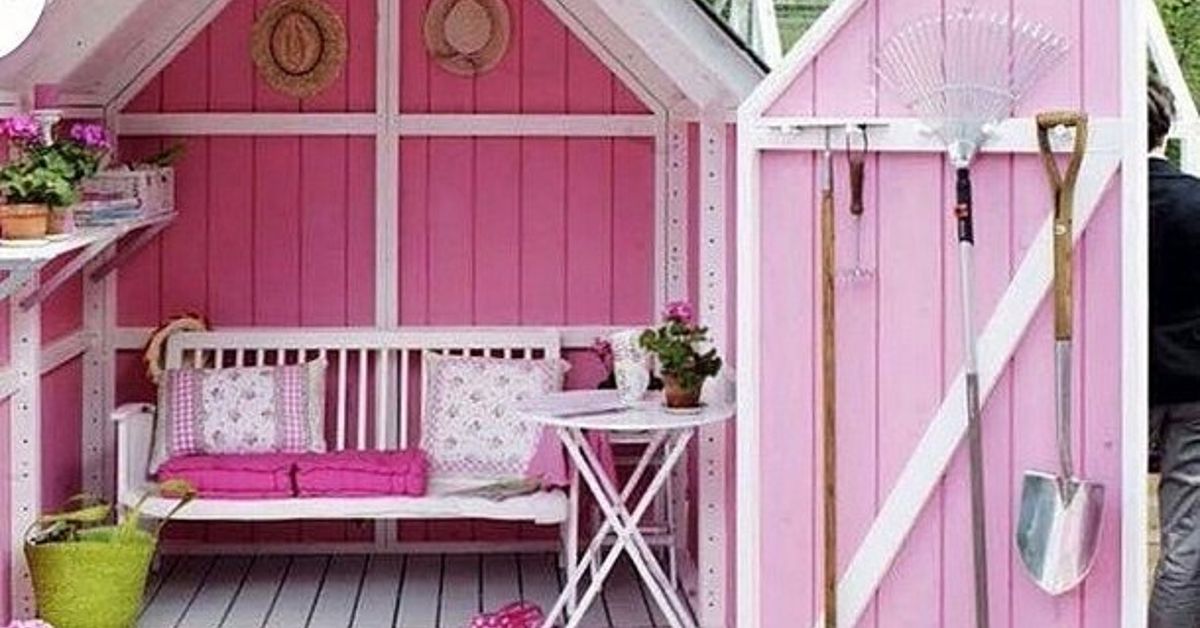
Move over, spare bedroom. Scoot aside, dining-table “office.” The she-shed has officially marched across the lawn, opened a pair of French doors, lit a candle, and declared the backyard a new frontier of personal space. Once treated like a cute design gimmick, the she-shed is now part home office, part creative studio, part wellness retreat, and part tiny rebellion against the idea that every corner of the house must be shared, practical, or filled with laundry baskets.
At its simplest, a she-shed is a small backyard structure transformed into a personalized retreat. It may begin life as a storage shed, prefab garden building, or custom backyard studio, but it quickly becomes something far more charming: a reading nook, craft room, yoga hut, potting shed, writing cabin, mini library, work-from-home hideaway, or tea-sipping sanctuary where nobody asks where the scissors are.
The rise of the she-shed is not just about pretty paint colors and twinkle lights, although those certainly help. It reflects bigger lifestyle shifts in American homes: remote and hybrid work, increased interest in outdoor living, wellness-focused design, small-space creativity, and the desire for a private place that feels separate from the noise of everyday life. In other words, the she-shed is taking over because it solves a very modern problem: everyone is home more often, but not everyone has room to breathe.
What Is a She-Shed, Really?
A she-shed is often described as the feminine cousin of the man cave, but that comparison does not quite do it justice. A man cave is usually about escape; a she-shed is about intention. It is designed around hobbies, rest, creativity, self-care, work, gardening, reading, or simply enjoying quiet time without pretending the kitchen counter is a peaceful place to answer emails.
Unlike a traditional shed used for lawn tools and holiday decorations, a backyard she-shed is made to feel inviting. Common upgrades include insulation, finished walls, comfortable flooring, electricity, lighting, heating or cooling, windows, shelving, plants, seating, and decorative details that reflect the owner’s personality. Some are romantic and cottage-inspired. Others are sleek backyard office sheds with built-in desks and Wi-Fi. Some look like tiny libraries. Some are greenhouses with attitude. Some are basically “please do not disturb” signs with shingles.
Why the She-Shed Trend Is Growing Fast
1. Backyards Have Become Extensions of the Home
Outdoor living has changed dramatically. Homeowners are no longer satisfied with a lonely patio chair and a grill that has seen better decades. Today’s backyard is expected to work harder: entertain guests, support wellness routines, provide privacy, improve curb appeal, and expand usable living space. Popular outdoor design trends show a strong preference for spaces that feel like true extensions of the home, with comfortable seating, shade, lighting, heating elements, and layered decor.
The she-shed fits perfectly into this movement. It turns unused yard space into a destination. Instead of saying, “I’m going outside,” the owner gets to say, “I’m going to my studio,” which sounds infinitely more glamorous, even when the walk is only twelve steps and involves avoiding a sprinkler.
2. Remote Work Made Private Space More Valuable
Work-from-home life did not disappear after the pandemic. Many American businesses still allow some form of remote or hybrid work, and research based on large-scale U.S. business surveys shows that working from home has settled into a durable part of modern work life. That means the home office is no longer a luxury; for many people, it is a necessity.
But not every home has a spare room. A she-shed can offer a separate, quiet workspace without sacrificing a bedroom or turning the living room into a conference center. A backyard office shed creates a physical boundary between work and home, which is valuable for focus and mental health. Close the laptop, step outside, lock the door, and suddenly the commute is short enough to do in slippers.
3. Women Want Space Designed Around Their Own Needs
The cultural appeal of the she-shed is also emotional. Many women spend years managing shared spaces: family rooms, kitchens, bedrooms, kids’ play areas, guest rooms, and storage zones that somehow become everyone’s problem. A she-shed offers something differenta space where the design starts with one person’s needs.
That need might be creative. It might be professional. It might be restorative. It might involve painting, journaling, sewing, gardening, stretching, reading, or drinking coffee while staring peacefully at a wall. The point is ownership. A she-shed says, “This space has a purpose, and that purpose is mine.”
Popular She-Shed Ideas That Actually Work
The Backyard Office Shed
For freelancers, remote workers, entrepreneurs, and anyone tired of taking meetings beside a pile of dishes, the backyard office shed is one of the most practical she-shed ideas. A small desk, ergonomic chair, strong Wi-Fi, task lighting, storage, insulation, and climate control can transform a basic shed into a high-functioning workspace.
The key is to design it like a real office, not a storage unit with a laptop. Add outlets where you need them. Think about natural light to reduce eye strain. Use shelves or cabinets to keep supplies contained. Include a rug or acoustic panels if sound echoes. A small porch or potted plants outside the entrance can make the workday feel less corporate and more “CEO of My Own Backyard.”
The Reading Retreat or Tiny Library
Reading sheds are having a major moment, especially on social media. The formula is irresistible: bookshelves, cozy seating, soft lighting, a coffee cart, floral wallpaper, and enough pillows to qualify as architecture. One widely shared real-life example involved a Virginia woman turning a backyard shed into a pink personal library, complete with bookshelves, insulation, electricity, a chandelier, and a dedicated chair for daily reading.
A reading she-shed does not need to be huge. A 10-by-12-foot shed can hold a comfortable chair, narrow shelves, a side table, and a small heater or fan. The magic comes from atmosphere: warm light, textiles, plants, curtains, and books arranged in a way that makes visitors whisper, “I could live here,” even though there is absolutely no bathroom.
The Craft Room or Art Studio
Crafting takes space, and more importantly, crafting creates mess. Glitter, paint, fabric scraps, beads, yarn, glue sticks, and half-finished projects can overwhelm a regular room. A she-shed craft studio gives creative work a dedicated zone where supplies can stay organized and projects do not have to be packed away every night.
Smart storage matters here. Use pegboards for tools, wall-mounted shelves for bins, a sturdy worktable, labeled drawers, and bright lighting. If painting or working with strong materials, ventilation is essential. A Dutch door, screened window, or small exhaust fan can keep the space comfortable and safer.
The Garden She-Shed
The garden she-shed is the classic version: part potting shed, part plant-lover’s hideaway. It may include a workbench, seed storage, garden tools, terracotta pots, watering cans, and a seating corner for admiring the results. Add flower boxes, climbing vines, a gravel path, or a tiny deck, and suddenly your backyard looks like it belongs in a lifestyle magazine that smells faintly of lavender.
This version works especially well because it connects indoor comfort with outdoor beauty. It can be practical during planting season and peaceful year-round. Even a simple shed can feel special with a fresh coat of paint, vintage hooks, baskets, and plants that soften the structure’s edges.
The Wellness Shed
Wellness gardens and outdoor relaxation spaces are becoming more popular as people look for ways to reduce stress at home. A wellness she-shed can support yoga, meditation, journaling, stretching, breathwork, tea rituals, or quiet recovery after a long day. It does not need expensive spa equipment. In fact, the best wellness sheds often rely on simple sensory choices: natural materials, soft textures, calming colors, plants, gentle sound, and uncluttered space.
Think bamboo shades, a washable mat, a small fountain outside, a shelf for candles or essential oils, and enough open floor area to move comfortably. The goal is not to create a luxury resort. The goal is to create a place where your nervous system stops acting like it has 37 browser tabs open.
How Much Does a She-Shed Cost?
The cost of a she-shed varies widely because the phrase can describe anything from a decorated prefab garden shed to a fully finished backyard studio with electricity, insulation, custom windows, flooring, heating, cooling, and professional installation.
Basic shed builds often fall into the low-thousands range, while more finished structures can climb much higher. Home improvement cost guides commonly place shed projects anywhere from around $1,000 to $15,000 for many typical builds, with more elaborate custom designs costing significantly more. Prefabricated options may cost less per square foot than custom construction, but finishing the inside adds expenses for insulation, walls, flooring, lighting, electrical work, paint, furniture, and decor.
For a realistic budget, divide the project into three categories:
- The structure: prefab shed, custom build, foundation, delivery, assembly, windows, doors, and roofing.
- The systems: electricity, heating, cooling, insulation, ventilation, internet connection, and possible plumbing.
- The experience: furniture, storage, rugs, curtains, lighting, artwork, plants, landscaping, and outdoor seating.
The budget-friendly route is to buy a simple shed and upgrade it slowly. The premium route is to hire professionals to create a polished backyard studio from the start. The middle routeoften the sweet spotis to purchase a solid structure, then DIY the decorating and some non-technical finishes while hiring licensed pros for electrical work.
Permits, Power, and Practical Things Nobody Puts on Pinterest
Before ordering a shed, check local building rules. Permit requirements vary by city, county, state, structure size, foundation type, electrical installation, plumbing, height, setbacks, and intended use. Many areas exempt small non-habitable sheds under a certain square footage, often around 120 or 200 square feet, but that does not mean all backyard studios are automatically permit-free.
If the she-shed will have electricity, plumbing, a permanent foundation, heating, cooling, or be used as a regular office or studio, the rules may be stricter. Homeowners associations may also regulate exterior colors, placement, roof style, or visibility from the street. It is much easier to ask questions before construction than to explain later why a blush-pink cottage has appeared beside the fence like a very fashionable legal issue.
Design Tips for a She-Shed That Feels Finished
Start With the Purpose
A beautiful she-shed can still fail if it does not support how you actually live. Before choosing paint colors, decide what the space must do. Will you sit, work, stretch, sew, paint, garden, host friends, store books, or film content? A yoga shed needs open floor space. A writing shed needs a desk and quiet. A craft shed needs storage and durable surfaces. A reading shed needs comfort and lighting. Function first; fairy lights second.
Use Indoor Comfort Outdoors
One reason modern she-sheds feel so appealing is that they borrow from interior design. Think upholstered seating, layered rugs, curtains, framed art, bookshelves, lamps, and coordinated color palettes. Outdoor living trends increasingly favor indoor-style comfort outside, so do not be afraid to make the shed feel like a real room.
Just choose materials wisely. Use moisture-resistant flooring, washable textiles, sealed surfaces, and furniture that can handle temperature changes. If the shed is not climate-controlled, avoid delicate antiques or anything that will sulk dramatically in humidity.
Bring in Natural Light
Windows make a huge difference. Natural light helps a small shed feel larger, more cheerful, and less like a place where garden tools go to contemplate existence. French doors, skylights, transom windows, or even a single well-placed window can transform the mood of the space.
Landscape Around It
A she-shed should not look like it crash-landed in the yard. Add a path, planters, flower boxes, stepping stones, a small deck, or climbing plants to connect it with the landscape. Outdoor lighting can make the approach feel magical at night, while shrubs or trellises can create privacy.
She-Shed Styles Taking Over Backyards
Cottagecore she-sheds feature floral curtains, painted furniture, vintage mirrors, scalloped trim, soft colors, and overflowing flower boxes. They are ideal for reading, tea, journaling, or pretending you are the mysterious neighbor in a cozy novel.
Modern minimalist she-sheds use clean lines, neutral colors, built-in storage, glass doors, and simple furniture. They work beautifully as offices, studios, or meditation rooms.
Boho she-sheds mix rattan chairs, layered rugs, macramé, plants, warm lighting, and relaxed textures. They feel casual, creative, and highly nap-compatible.
Garden greenhouse she-sheds blend plants, potting benches, sunlight, and seating. They are perfect for homeowners who want a space that feels alive, earthy, and connected to the seasons.
Library she-sheds focus on books, deep seating, soft light, and quiet. Add a coffee station and you may never return to the main house except for snacks and dramatic blanket changes.
Common Mistakes to Avoid
The biggest mistake is underestimating the boring basics. A shed may look adorable online, but comfort depends on insulation, airflow, weatherproofing, foundation quality, and safe wiring. Another mistake is buying too small. Measure furniture before ordering the structure, and remember that walking space matters. A chair may technically fit, but if you have to enter sideways like a crab in a cardigan, the shed is too cramped.
Also avoid overdecorating too quickly. Small spaces get cluttered fast. Choose flexible pieces, wall storage, foldable tables, and furniture with hidden storage. Leave breathing room. The best she-sheds feel personal, not packed.
Experiences From the She-Shed Life: What It Actually Feels Like
The real beauty of a she-shed often appears after the decorating is done. At first, the project may feel like a checklist: order shed, level ground, paint walls, hang lights, move chair, arrange shelves. But once the space is usable, it becomes part of the rhythm of daily life. That is when the she-shed changes from “cute backyard project” to “small building that somehow improves the whole week.”
Imagine starting a Saturday morning by carrying coffee down a little stone path while the rest of the house is still waking up. Inside the shed, the air is quiet. The chair is exactly where you left it. The notebook is still open. Nobody has moved your pen. This detail may sound small, but anyone who shares a home knows the luxury of finding an object exactly where it belongs. A she-shed offers continuity. It holds your place.
For creative people, that continuity can be powerful. A painter can leave brushes drying. A quilter can keep fabric sorted. A writer can tape ideas to the wall without someone asking whether the sticky notes are “important.” A gardener can start seedlings, store gloves, and plan beds without clearing everything off the dining table before dinner. The shed becomes a physical reminder that hobbies deserve space, not just leftover minutes.
For remote workers, the experience is more practical but just as meaningful. Walking to a backyard office creates a mini commute, which helps the brain shift into work mode. At the end of the day, closing the shed door can feel like closing the office. That boundary is hard to create when the laptop lives beside the couch. The she-shed says: work happens here, rest happens there, and the two do not need to wrestle on the kitchen island.
For parents and caregivers, the she-shed can feel almost revolutionary. It is not about rejecting family life; it is about preserving a personal center within it. Even twenty minutes in a quiet space can reset the mood of an entire day. Reading one chapter, stretching, watering plants, or sitting in silence can make the return to the busy house feel less like defeat and more like re-entry.
Of course, the experience is not always flawless. Bugs may attempt to become roommates. Wi-Fi may need boosting. Summer heat can turn an uninsulated shed into a decorative toaster. Winter can make the floor feel like an ice cube with zoning restrictions. These realities do not ruin the dream; they simply prove that comfort should be planned, not assumed. Screens, seals, insulation, shade, a fan, a safe heater, and weather-resistant materials make the difference between a seasonal novelty and a year-round retreat.
The most satisfying she-sheds evolve over time. Owners add a porch later, swap the chair, plant lavender by the door, install better shelving, or discover that the original “yoga shed” has become a reading room with suspiciously many snacks. That flexibility is part of the charm. A she-shed does not have to be perfect on day one. It just has to be yours.
Conclusion: The She-Shed Is More Than a Trend
The she-shed is taking over because it answers several needs at once. It gives homeowners more usable space, makes backyards more functional, supports remote work, encourages creativity, and creates a personal retreat without requiring a full home addition. It can be budget-friendly or luxurious, rustic or modern, practical or dreamy. Most importantly, it gives people permission to design a small corner of life around peace, focus, and joy.
In a world where homes are expected to be offices, gyms, classrooms, restaurants, studios, and recovery zones, the she-shed offers a refreshingly simple promise: a door you can close, a space you can shape, and a little room to be yourself. That may be why this backyard trend is not fading anytime soon. The she-shed is not just taking over the yard. It is taking back personal space, one charming little building at a time.