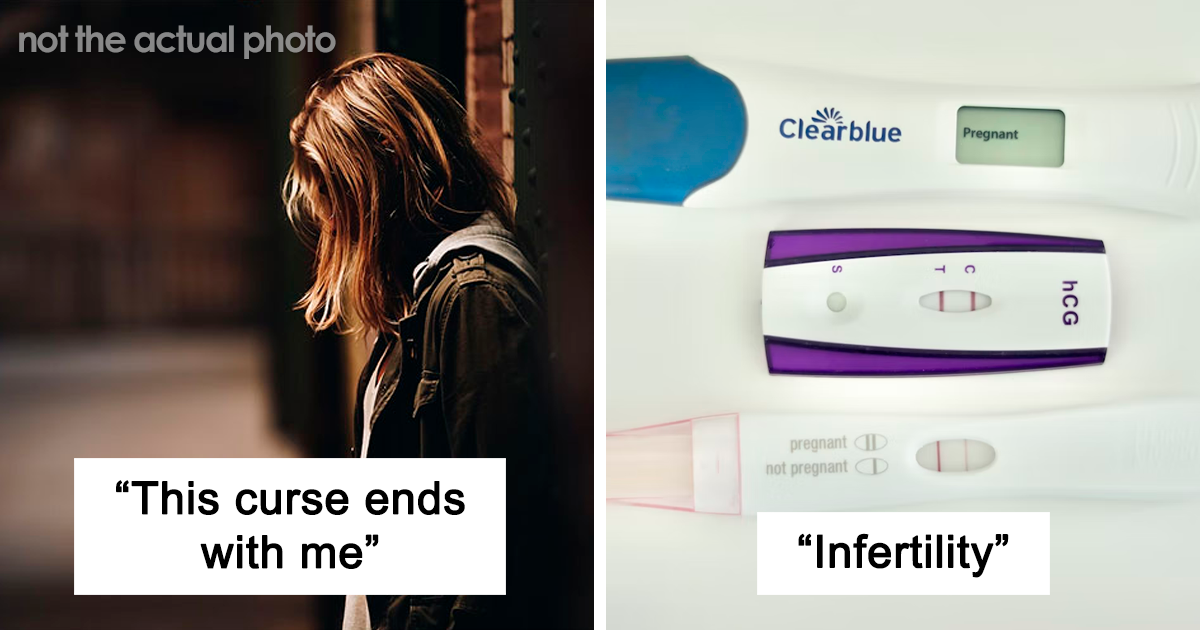
Note: This is not an argument that parenthood is bad. Plenty of people deeply love being parents. It is a reality check for anyone deciding whether children belong in their own life storynot because relatives keep asking at Thanksgiving, not because Instagram showed a baby in a tiny cardigan, but because the decision deserves honest thought.
Having children can be meaningful, hilarious, exhausting, expensive, tender, and occasionally sticky in ways no one warned you about. But it is not a required milestone, a retirement plan, or a cure for boredom. More adults are openly deciding to remain child-free or delay parenthood for personal, financial, health, and world-related reasons. In a Pew Research Center survey, many adults under 50 who did not expect to have children said the biggest reason was simply that they did not want to, while others cited affordability, competing goals, and concerns about the state of the world.
Below are 50 eye-opening reasons not to have kids in today’s worldor at least reasons to pause before turning a positive pregnancy test into a permanent life plan.
Financial Reasons to Think Twice About Parenthood
When the Budget Is Already Doing Cardio
- You genuinely do not want children. That is a complete reason. You do not need a 40-slide presentation, a courtroom defense, or a spreadsheet with pie charts.
- Your finances are already stretched. If rent, groceries, debt payments, and emergencies already compete for attention, adding a child may create stress instead of stability.
- Child care can cost more than expected. A recent Census Bureau analysis found that households paying for child care spent an average of $10,520 annually in 2024. That is not a tiny “extra expense”; it can resemble a second rent payment.
- Housing may no longer fit your life. A studio apartment can feel charming when it is just you, your partner, and one suspicious houseplant. Add a child, stroller, crib, toys, and midnight crying, and charm can become chaos.
- Health insurance becomes a bigger financial puzzle. In 2025, average employer-sponsored family health coverage premiums reached $26,993, with workers contributing an average of $6,850.
- Emergency savings matter more with dependents. A broken car, lost job, medical bill, or sudden move is stressful alone. It is far more complicated when another human depends on your next paycheck.
- Raising a child is not limited to diapers and formula. Food, housing, transportation, clothing, school activities, medical care, technology, and birthday parties all pile onto the family budget. USDA child-cost research has long shown that the financial commitment runs from birth through age 17and beyond for many families.
- You may be paying down debt. Student loans, credit cards, medical balances, and car loans do not magically become less annoying because someone calls you “Mom” or “Dad.”
- You want to prioritize retirement. Choosing financial security later in life is not selfish. Children are not guaranteed caregivers, and nobody should create a person to fill a future nursing-home shift.
- Your career income is unpredictable. Freelancers, entrepreneurs, tipped workers, artists, seasonal employees, and people in unstable industries may need flexibility that parenting makes harder to maintain.
Time, Freedom, and the Reality of Daily Life
Because “Free Time” Is Not a Mythical Creature
- You value control over your schedule. Parenting means calendars filled with appointments, school events, sick days, practices, pickups, and surprise calls that begin with, “Your child did something interesting today.”
- Sleep is important to your health and sanity. Babies do not care that you have a quarterly report due at 8 a.m. Their tiny biological clocks often operate like experimental jazz.
- You enjoy spontaneous travel. A weekend getaway is easier when “packing” does not involve snacks, car seats, spare clothes, medicine, stuffed animals, and negotiations with a six-year-old about socks.
- You want room for hobbies. Music, sports, gaming, gardening, writing, fitness, volunteering, and creative work can remain central parts of a child-free lifestyle.
- You are rebuilding your identity. Some adults are still discovering what they want from work, relationships, gender expression, faith, creativity, or community. Parenthood should not be used as a shortcut to identity.
- You need quiet to function well. Introverts, people with demanding jobs, and anyone who recharges through solitude are allowed to admit that constant noise and needs may not be their ideal lifestyle.
- You want a flexible home. You may prefer living in different cities, taking international assignments, downsizing, co-living, or simply moving when an opportunity appears.
- You are caring for other relatives. Supporting aging parents, siblings, or family members with disabilities can already involve emotional labor, money, transportation, and time.
- You do not have a dependable support network. The “village” is wonderful when it exists. When it does not, two exhausted adults can end up trying to do the work of an entire neighborhood.
- You do not want your relationship to become a logistics company. Romance can survive parenthood, but it takes effort. Without communication, couples can spend years talking mainly about bills, bedtime, and who forgot the lunchbox.
Time is not merely an abstract complaint. Bureau of Labor Statistics data found that adults in households with children under age six spent an average of 2.3 hours per day on primary child care in 2023. Adults living with children under 13 also spent an average of 5.1 hours daily providing secondary child care while doing other activities.
Health, Pregnancy, and Emotional Readiness
Parenthood Is Not a Test You Have to Take
- Pregnancy can affect your physical health. Pregnancy and childbirth are not identical for everyone. They can be smooth, difficult, joyful, scary, or all four before lunch.
- You have a health condition that needs attention. Chronic pain, autoimmune illness, disability, cancer treatment, fertility concerns, or medication management may shape whether parenthood feels realistic or safe right now.
- You are protecting your mental health. Choosing stability, therapy, rest, medication adherence, and recovery can be a responsible decisionnot a personal failure.
- You know you are vulnerable to burnout. The U.S. Surgeon General’s parental well-being advisory noted that parents report higher stress than other adults, with one-third of parents reporting high stress in 2023.
- You are healing from a difficult childhood. Becoming a parent does not automatically repair old wounds. Some people wisely choose to heal first, while others decide parenting is not part of their path.
- You are not comfortable with the uncertainty of fertility or pregnancy. Fertility treatment, miscarriage, pregnancy complications, postpartum recovery, and birth outcomes can bring emotional, medical, and financial strain.
- You may not have reliable maternity or paternity leave. Federal FMLA protections can provide eligible workers up to 12 workweeks of job-protected leave, but eligibility rules apply and the law does not require that leave to be paid.
- Access to maternity care may be limited where you live. HRSA reports that 35% of U.S. counties lack hospitals, birth centers, or obstetric providers offering obstetric care, with rural areas especially affected.
- You do not want to gamble on unequal household labor. Before having kids, couples should discuss who handles night feedings, school paperwork, doctor appointments, meal planning, cleaning, and the invisible management work.
- You are not ready to put another person’s needs first for decades. This is not a moral flaw. It is honesty, and honesty is far kinder than resenting a child for needing ordinary care.
Relationship and Lifestyle Reasons
Love Is Not a Baby-Making Deadline
- Your partner does not want children. A child should be a two-yes decision. One hesitant “maybe someday” is not a green light for a permanent family decision.
- You do not have a partner you trust as a co-parent. Attraction is lovely. Reliability at 3 a.m. with a sick toddler is a different skill set entirely.
- Your relationship is unstable. A baby cannot repair conflict, infidelity, resentment, addiction, emotional distance, or incompatible values. It usually adds more pressure to whatever is already there.
- You are happy being single. Single adults can absolutely be excellent parents, but choosing not to become one is equally valid when it does not fit your vision of life.
- You want to nurture in other ways. Teaching, mentoring, volunteering, fostering animals, supporting nieces and nephews, making art, or serving a community can all be deeply meaningful forms of care.
- You want to invest in friendships. Adult friendships need time and attention. A child-free life can make room for chosen family, dinner parties, long phone calls, and being the person who actually shows up.
- You do not want to repeat harmful family patterns. Recognizing a pattern of abuse, addiction, manipulation, or neglect is painful. Deciding not to pass it forward can be an act of courage.
- You value a lower-consumption lifestyle. Some people feel strongly about minimizing possessions, travel emissions, household consumption, or their environmental footprint. Their values may lead them away from parenting.
- You are building a business or creative career. Big ambitions do not make someone cold or shallow. They simply mean their energy may be going somewhere else right now.
- You prefer a life with fewer irreversible choices. Jobs can change. Cities can change. Relationships can change. Parenting, however, is not a subscription you cancel because the free trial got intense.
Concerns About Raising Children in Today’s World
It Is Okay to Look at the Bigger Picture
- Climate anxiety feels real to you. Concern about heat, drought, storms, wildfires, and long-term environmental uncertainty is a common reason some people question parenthood.
- Extreme weather affects family planning. EPA data show that extreme heat events are expected to become more frequent and severe as the climate warms. For some adults, that future feels harder to plan around.
- You worry about affordability in general. Housing, health care, child care, and rents have risen faster than many people’s sense of financial security. Urban Institute research has highlighted the widening pressure between household earnings and essential costs.
- You are concerned about children’s mental health environment. Parenting today can include navigating social media, cyberbullying, academic stress, online comparisons, and a constant digital stream of information.
- You worry about school safety or bullying. CDC youth data show that many students continue to report violence, poor mental health, and suicidal thoughts or behaviors, especially among some vulnerable groups.
- You do not want to police screens all day. Parenting in the smartphone era can mean managing gaming, messaging apps, algorithms, online harassment, digital privacy, and the ancient parental cry of “Please put that down.”
- You are worried about access to quality education. Schools vary dramatically by neighborhood, funding, staffing, class size, and local resources. For many parents, choosing a home becomes partly a school-system decision.
- You see child care shortages around you. A place may have plenty of coffee shops but almost no affordable infant-care openings. That is a very modern and deeply inconvenient plot twist.
- You do not want social pressure to make the decision for you. Family traditions, religion, peers, and culture can strongly encourage parenthood. But pressure is not the same as desire.
- Waiting is still a valid decision. “Not now” can become “yes later,” or it can become “no.” Either outcome is better when it comes from thoughtfulness rather than panic.
Experience Notes: What This Decision Can Look Like in Real Life
The following examples are illustrative composites, not claims about specific individuals. They reflect common situations people describe when thinking through a child-free life or delaying parenthood.
Case one: The couple with a full calendar and a half-full savings account. Maya and Jordan both liked children. They enjoyed spending time with nieces, nephews, and friends’ kids. But liking children was not the same as wanting to parent one every day. Their rent had increased twice in three years, Maya was repaying graduate-school debt, and Jordan’s freelance income came in waves. They made a realistic budget and discovered that infant care would consume a huge portion of their monthly income.
Instead of treating that discovery like a personal failure, they treated it as information. They chose to wait. They built an emergency fund, improved their insurance coverage, and talked honestly about whether their desire for children was internal or borrowed from everyone around them. Two years later, they still had no babyand no regret about refusing to make a life-altering decision under financial pressure.
Case two: The person who wanted peace more than parenthood. Andre had spent most of his twenties caring for a parent with chronic illness. He loved his family, but he knew how draining constant caregiving could be. When relatives asked when he would have children, he used to laugh it off. Eventually, he started answering plainly: “I do not want to be a parent.”
That sentence felt strange at first because he had been trained to think adulthood required marriage, mortgage paperwork, and a small person throwing cereal at the wall. Over time, he realized that a meaningful life could include friends, work, travel, therapy, community service, and weekends that did not involve assembling furniture shaped like a giraffe. His child-free choice was not empty; it was deliberate.
Case three: The couple who learned that readiness is more than love. Priya and Elena had a strong relationship and stable jobs, but they kept postponing children because they were not aligned on labor, lifestyle, or location. One wanted to stay near family; the other wanted to move for work. One imagined a busy household; the other needed a quiet home after an intense job.
Instead of assuming love would solve the mismatch, they had difficult conversations. They discussed nighttime care, career breaks, family boundaries, finances, disability, school choices, and what would happen if one parent became ill. Their talks did not instantly produce a happy answer, but they prevented a rushed one. They concluded that parenthood should begin with a shared plan, not a vague hope that both people would “figure it out somehow.”
Case four: The person choosing “not now” without apologizing. Leah was 31 and tired of hearing that she was “running out of time.” She wanted to change careers, move to a new city, and focus on her mental health. She was not anti-child. She was anti-making-a-decision-because-other-people-were-uncomfortable-with-her-timeline.
Her experience shows why the best reason not to have kids today may simply be that today is not the right day. Parenthood deserves willingness, resources, support, and a genuine yes. Anything less can wait.
Conclusion: Choosing Not to Have Kids Can Be a Complete Life Choice
The decision not to have children is not automatically pessimistic, selfish, immature, or temporary. It can come from self-awareness, compassion, financial realism, health needs, environmental values, relationship honesty, or a desire to build a different kind of meaningful life.
Parenthood can be beautiful for people who truly want it and can pursue it with support. But a child deserves more than social pressure, panic about age, or a hope that life will somehow become easier after the baby arrives. Whether you choose children, delay them, or remain child-free, the healthiest choice is one made with honesty instead of obligation.