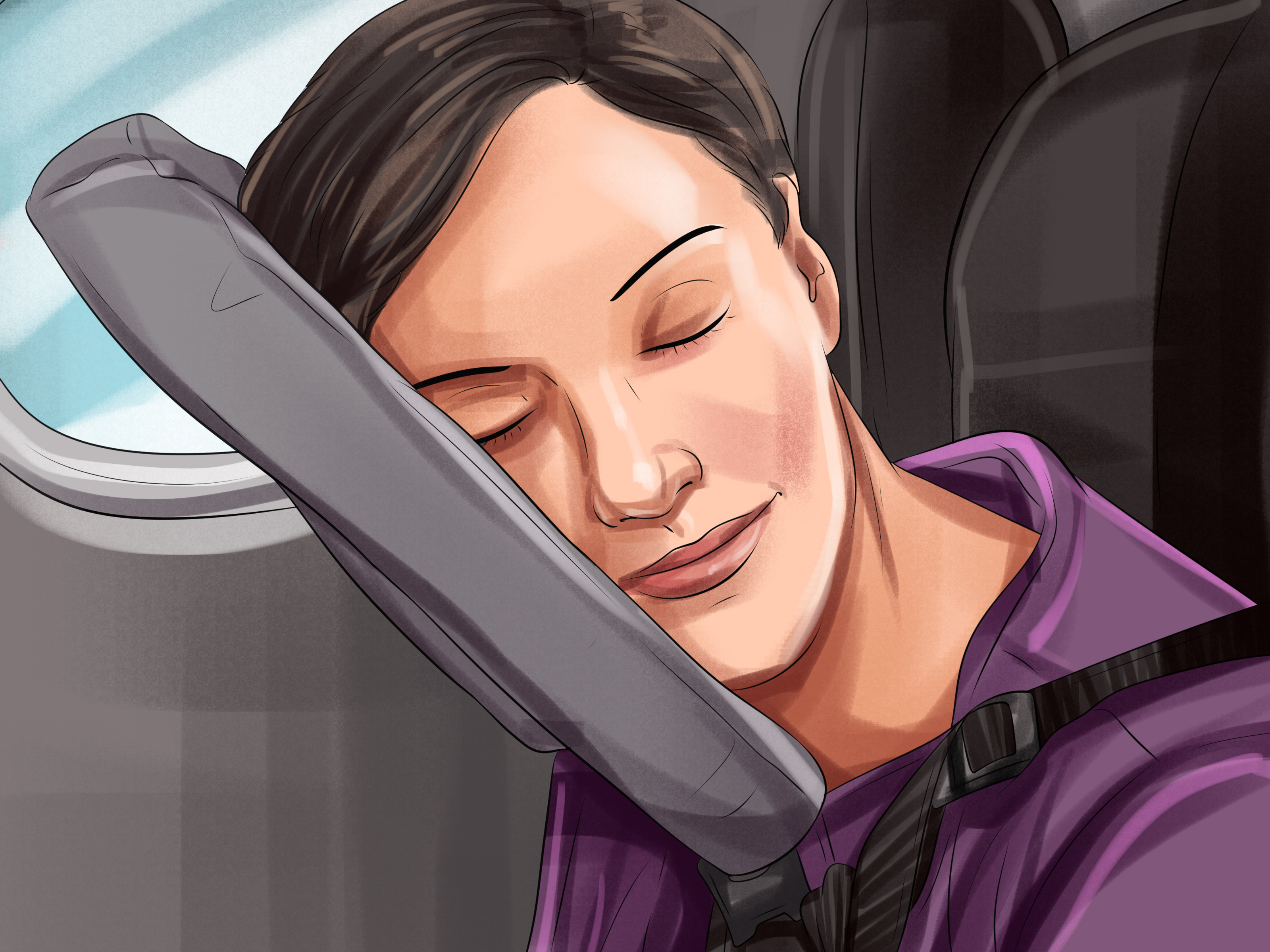
Travel pillows look simple. You put one around your neck, close your eyes, and wake up looking refreshed, right? In theory, yes. In reality, many travelers end up wearing a neck pillow like a confused scarf, a soft necklace, or a tiny life preserver that somehow fails to save them from the dreaded airplane head-bob.
The good news is that learning how to use a travel pillow properly can make long flights, train rides, road trips, airport layovers, and bus journeys far more comfortable. A good travel neck pillow supports your head, helps reduce awkward neck bending, and makes upright rest feel less like sleeping inside a filing cabinet.
This guide breaks the process into 13 practical steps, from choosing the right travel pillow to positioning it correctly, adjusting it for airplanes or cars, keeping it clean, and using it with other smart travel habits. Whether you are a frequent flyer, a road-trip fan, or someone who simply wants to avoid arriving with a neck that feels like overcooked spaghetti, this article is for you.
Why Travel Pillow Position Matters
A travel pillow is not just a cute accessory hanging from your backpack. Its real job is to support your head and neck when you are resting upright. When you sit in a plane or car seat, your head naturally wants to fall forward or sideways as you relax. That may feel harmless for five minutes, but after an hour, your neck muscles may start filing formal complaints.
The best position keeps your neck close to neutral alignment. In plain English, your head should not be pushed too far forward, tilted sharply sideways, or hanging backward like you are auditioning for a dramatic fainting scene. The pillow should fill the gap between your head, neck, shoulders, and the seat so your muscles can relax instead of working overtime.
Different pillow styles work differently. U-shaped neck pillows wrap around the neck. Wraparound pillows provide chin support. Inflatable pillows let you control firmness. Rectangular compressible pillows feel more like mini bed pillows. Scarf-style pillows use internal support to hold the head upright. The right one depends on your sleeping style, body size, seat position, and personal tolerance for looking slightly like a cozy burrito.
How to Use a Travel Pillow: 13 Steps
1. Choose the Right Type of Travel Pillow
Before you use a travel pillow, choose one that matches how you travel and sleep. A classic U-shaped memory foam pillow is popular because it supports the sides and back of the neck. A wraparound pillow is better if your head tends to fall forward. An inflatable pillow is ideal for travelers who need to save luggage space. A rectangular travel pillow works well for window seats, hotel naps, camping, and long train rides.
If you often wake up with neck stiffness, look for a pillow with enough structure to hold your head steady. Very soft pillows may feel luxurious in your hand but collapse the moment your head gets serious. On the other hand, a pillow that is too firm can feel like hugging a pool noodle made of concrete. Aim for supportive, comfortable, and adjustable.
2. Test the Pillow Before Your Trip
Never make your first test of a travel pillow at 35,000 feet. Try it at home first while sitting in a chair, on the couch, or in the passenger seat of a parked car. Lean back, close your eyes, and notice where your head naturally falls. Does the pillow stop your chin from dropping? Does it support the sides of your neck? Does it push your head forward awkwardly?
A five-minute home test can prevent six hours of regret. Adjust straps, toggles, inflation level, or pillow placement before packing it. If the pillow has a removable cover, practice taking it off and putting it back on, because wrestling a pillowcase in an airport bathroom is not a personality-building exercise anyone needs.
3. Place the Pillow Around Your Neck Correctly
The classic way to wear a U-shaped travel pillow is with the open gap in front. This supports the back and sides of your neck while allowing your chin to rest naturally. However, some travelers prefer rotating the pillow so the thicker part sits under the chin and the opening faces the back. This can help if your head tends to fall forward when you sleep upright.
There is no single perfect position for every person. The correct position is the one that keeps your head supported without forcing your neck into a strange angle. Think “gentle support,” not “medical neck brace from a sitcom.”
4. Adjust the Fit So It Feels Snug, Not Tight
Many travel pillows include snaps, Velcro, drawstrings, toggles, or overlapping ends. Use these features to create a secure fit. The pillow should sit close enough to support your jawline, neck, and lower head, but not so tight that you feel trapped.
A good rule: you should be able to breathe, swallow, turn slightly, and relax your shoulders. If your pillow makes you feel like you are being politely strangled by a marshmallow, loosen it. If your head still flops around like a dashboard bobblehead, tighten it or reposition it.
5. Support the Direction Your Head Falls
Pay attention to your natural sleeping direction. Some people lean left. Some lean right. Some slump forward. Some perform a mysterious rotating motion that could qualify as interpretive dance. Your travel pillow should support the direction your head actually moves, not the direction you wish it moved.
If you lean sideways, place the thickest part of the pillow on that side. If you fall forward, rotate the pillow so it supports your chin. If you lean backward, make sure the pillow is not so bulky behind your neck that it pushes your head forward. Smart positioning is more important than simply wearing the pillow in the “standard” way.
6. Use the Seat Back or Window for Extra Support
A travel pillow works best when paired with your seat. On an airplane, lean back gently and let the pillow fill the space between your neck and the seat. If you have a window seat, you can use the window wall for side support, but place the pillow between your head and the wall so your neck does not bend sharply.
On a train or bus, use the seat corner if available. In a car, passengers can recline slightly if it is safe and comfortable. Drivers should never use a bulky neck pillow that limits movement or visibility. Comfort is wonderful; road safety is better.
7. Recline Slightly When Possible
Even a small recline can reduce the amount of forward head drop. If you are on a plane, recline slowly and politely, especially if the person behind you has a laptop, drink, or emotional attachment to personal space. A slight angle often works better than a full recline because it supports the upper body without creating lower-back strain.
If reclining is not possible, sit back fully in the seat and avoid perching on the edge. The more your torso is supported, the less your neck has to compensate. Your spine is a team project, not a solo performance by your poor cervical muscles.
8. Add Lower-Back Support
Neck comfort often starts lower than the neck. If your lower back collapses into a rounded posture, your head may drift forward. Place a small jacket, scarf, rolled hoodie, or compact lumbar pillow behind your lower back. This helps your spine maintain a more natural curve while seated.
Once your lower back is supported, your travel neck pillow can do its actual job instead of trying to fix your entire posture with one fluffy ring. Pairing neck support with lumbar support is especially helpful on long-haul flights and road trips.
9. Pair the Pillow With Sleep Accessories
A travel pillow is useful, but it is not a magic sleep button. For better rest, combine it with an eye mask, earplugs or noise-canceling headphones, comfortable layers, and a hydration plan. Cabin lights, engine noise, announcements, temperature changes, and snack carts all compete with sleep like contestants on a very annoying reality show.
Wear clothing that allows movement. Avoid tight collars that interfere with the pillow. If you use headphones, check whether the pillow presses them into your ears. Some high-sided pillows can clash with bulky headphones, so earbuds may be more comfortable.
10. Use It on Planes, Trains, Buses, and Road Trips
Travel pillows are not only for airplanes. On trains, they help during long scenic rides when the scenery becomes “mostly eyelids.” On buses, they reduce sideways head wobble. In cars, they help passengers nap without folding into strange shapes. During layovers, a rectangular or inflatable pillow can turn a backpack, airport bench, or lounge chair into something slightly more humane.
For road trips, passengers can use a neck pillow while sitting upright or slightly reclined. Children may need smaller pillows designed for their size. A pillow that is too large can push a child’s head forward, so fit matters.
11. Keep Moving During Long Trips
Even the best travel pillow cannot replace movement. On long flights or car rides, change position regularly. Stand, walk when permitted, roll your shoulders, gently turn your neck, and stretch your legs. If you are flying, follow crew instructions and move only when it is safe to do so.
For long-distance travel, especially trips over four hours, movement also supports circulation. Simple seated exercises such as heel raises, toe raises, ankle circles, and gentle leg muscle contractions can help you feel less stiff. Your travel pillow supports rest; movement supports the rest of you.
12. Store the Pillow Hygienically
Your travel pillow touches your neck, hair, face, backpack, airport seat, airplane tray area, and possibly the floor if gravity gets involved. Store it in a clean pouch or attach it to your bag in a way that keeps the surface protected. Avoid placing it directly in security bins if you can pack it inside your carry-on or a protective sleeve.
If the pillow clips outside your bag, consider using a washable cover. A pillow that has toured three airports, two taxis, and one questionable terminal bathroom should not immediately cuddle your face. Hygiene is not glamorous, but neither is mystery rash.
13. Clean It After Your Trip
After traveling, clean your pillow according to the care label. Many memory foam pillows have removable covers that can be machine washed on a gentle cycle with mild detergent. Foam inserts often need spot cleaning and full air drying rather than machine washing. Inflatable pillows can usually be wiped down, deflated, and stored dry.
Always let the pillow dry completely before packing it away. Moisture trapped in fabric or foam can lead to odor or mildew. A clean travel pillow lasts longer, smells better, and does not announce your last vacation before you do.
Common Travel Pillow Mistakes to Avoid
Wearing It Too Loosely
If your pillow spins around your neck freely, it is not supporting much. Tighten or reposition it so it stays where your head needs support.
Using a Pillow That Is Too Tall
A bulky pillow can push your head forward, especially in airplane seats with curved headrests. If your chin is forced toward your chest, try rotating the pillow, loosening it, or choosing a lower-profile design.
Ignoring the Chin Drop Problem
Many travelers focus on side support but forget the chin. If your head falls forward, choose a wraparound design or wear a U-shaped pillow backward so the thicker section supports the front.
Forgetting About Heat
Memory foam and fleece can feel warm. If you overheat easily, look for breathable fabric, cooling covers, or inflatable designs. Travel is already sweaty enough without your neck pillow turning into a personal sauna.
How to Choose the Best Travel Pillow for Your Sleeping Style
If you sleep upright with your head falling forward, choose a pillow with front chin support. If you lean to the side, choose one with tall side panels. If you like firm structure, memory foam may work well. If you want lightweight packing, inflatable pillows are practical. If you hate anything around your neck, a small rectangular pillow may be better.
Side sleepers often like thicker support on one side. Back sleepers usually need balanced support behind the neck without too much bulk. Combination sleepers may prefer adjustable pillows with straps or bendable shapes. The goal is not to buy the fanciest pillow; it is to buy the one you will actually use.
Extra Travel Pillow Experiences and Practical Lessons
After many trips, one lesson becomes clear: the best travel pillow is the one that solves your specific travel problem. A person who sleeps like a statue may love a simple U-shaped pillow. A person whose head drops forward every ten minutes may need a wraparound style with chin support. Someone who packs with military precision may prefer an inflatable pillow that disappears into a tiny pouch. Someone who packs like they are relocating permanently may not care about size at all.
One common experience is the “airport purchase panic.” This happens when you arrive at the gate, remember your six-hour flight, and buy the first pillow you see. It may be fine, or it may feel like a decorative donut stuffed with packing peanuts. Whenever possible, buy your pillow before the trip and test it at home. Your neck deserves better than a last-minute retail gamble next to the magazine rack.
Another useful lesson: window seats and travel pillows are natural allies. If you can lean slightly toward the wall with the pillow cushioning your head, you may get better support than you would in an aisle seat. Aisle seats are great for leg movement and bathroom access, but they expose you to passing elbows, beverage carts, and the occasional backpack swing of destiny. If sleep is your main goal, the window seat often wins.
Travel pillows also behave differently depending on the seat. Some airplane headrests curve forward, which can make thick pillows uncomfortable behind the neck. In that case, rotate the pillow or shift the bulk to the front or side. On buses and trains, the seat backs may be flatter, so a traditional U-shaped pillow may work perfectly. In cars, passengers can combine a neck pillow with a small lumbar roll for a surprisingly comfortable setup.
For overnight flights, timing matters. Put the pillow on before you are completely exhausted. If you wait until you are already half-asleep, you may end up with the pillow upside down, your headphones tangled, and your seatbelt buckle digging into your hip like a tiny metal villain. Set up your sleep system early: pillow adjusted, eye mask ready, water nearby, phone stored, and seatbelt visible over your blanket if required by the airline.
Cleaning is another real-world lesson travelers learn quickly. A travel pillow may look innocent, but it collects airport life. Use a washable cover when possible. After each trip, wash the cover, wipe the pillow body if needed, and air it out. If your pillow smells like a mixture of airplane cabin, coffee, and regret, it is time for a cleaning session.
Finally, do not expect a travel pillow to create perfect sleep in an imperfect environment. It will not silence a crying baby, widen your economy seat, or convince the person in front of you not to recline during meal service. What it can do is reduce neck strain, improve support, and make rest more realistic. Think of it as a comfort tool, not a miracle object. Used correctly, it can help you arrive less stiff, less cranky, and less likely to rotate your entire torso just to look left.
Conclusion
Learning how to use a travel pillow is mostly about fit, position, and support. Choose a pillow that matches your sleeping style, test it before your trip, place it where your head needs help, and adjust it so your neck stays relaxed rather than bent. Combine it with smart posture, lower-back support, movement breaks, hydration, and clean storage habits.
A travel pillow may be small, but it can make a big difference on long journeys. Use it well, and your next flight, train ride, bus trip, or road adventure may feel less like a battle with gravity and more like actual rest. Your neck will thank you. It may not write a postcard, but it will know.
Note: This article is for general travel comfort and educational purposes only. If you have persistent neck pain, numbness, dizziness, recent injury, or a medical condition affecting your spine or circulation, consult a qualified healthcare professional before relying on any travel pillow or sleep-positioning method.