Note: HTML body only, ready for web publishing and cleaned of unnecessary citation artifacts.
Your pupils are tiny shape-shifters with a full-time job and zero appreciation posts. One second they are shrinking in bright sunlight like they just heard an embarrassing story about you from middle school. The next, they are widening in a dark room like they are trying to gather every last photon in the neighborhood. That constant change is usually a good sign. It means your eyes and nervous system are doing exactly what they are supposed to do.
Still, pupil size can be surprisingly mysterious. Lots of people glance in the mirror, notice that one pupil looks bigger, or wonder whether their eyes are “too dilated,” and suddenly they are one search away from diagnosing themselves with a rare brain disorder. Deep breath. In most cases, pupil changes have ordinary explanations like light, focus, stress, medications, or an eye exam. But sometimes a change in pupils can point to an eye problem or a neurologic emergency that should not be ignored.
This guide breaks down what normal pupil size looks like, why pupils change, what uneven pupils can mean, and when a weird-looking pupil is worth a same-day call to a doctor instead of a dramatic monologue in front of the bathroom mirror.
What Is the Pupil, Exactly?
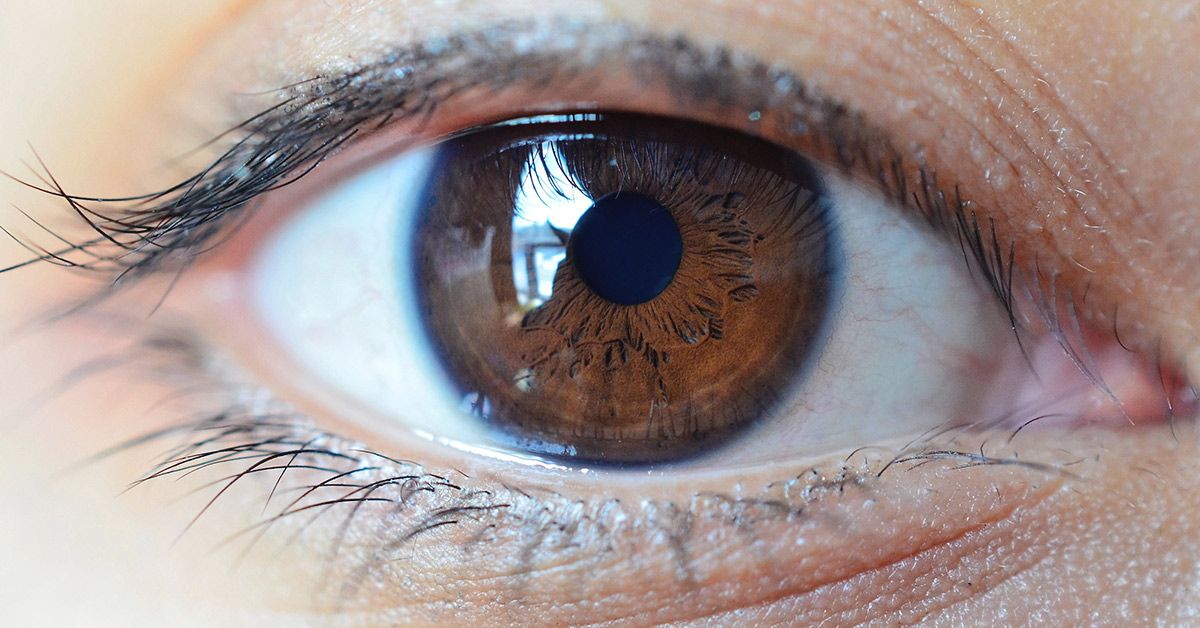
The pupil is the dark opening in the center of the iris, which is the colored part of your eye. It is not a solid black dot painted onto your eyeball. It is an opening that lets light travel through the front of the eye so the retina can process what you see.
The iris controls that opening using muscles that tighten or relax depending on what your body needs. In bright light, the pupil gets smaller to reduce the amount of light entering the eye. In dim light, it gets larger to let in more light. Think of it like a camera aperture, except your eye does it automatically and does not require a settings menu.
What’s a Normal Pupil Size?
Here is the most useful answer: there is not one single “normal” number that fits every person in every situation.
In healthy adults, pupil size usually changes with lighting. In bright light, pupils are often around 2 to 4 millimeters. In dim light or darkness, they often expand to around 4 to 8 millimeters. Across different conditions, a typical physiologic range can stretch from roughly 1.5 to 8 millimeters.
That means your pupils are supposed to move around. A pupil that never changes would be far stranger than one that does.
Normal pupil size is not just about the number
Eye doctors do not judge pupils by size alone. They also look at whether both pupils are round, whether they respond to light quickly, whether they react the same way in each eye, and whether they constrict when you focus on something close.
So when people ask, “Is my pupil size normal?” the real question is usually: Do my pupils react normally? Size matters, but behavior matters more.
Can one pupil be slightly bigger than the other?
Yes. A small difference between pupils can be completely normal. This is called physiologic anisocoria. If the difference is small, often about 1 millimeter or less, and both pupils still react normally to light, it may simply be your personal wiring. Plenty of healthy people have this and never notice it until a mirror, a selfie, or a highly observant friend points it out.
The key word is slight. A tiny difference that has likely been there a long time is very different from a sudden new mismatch that comes with pain, drooping eyelid, headache, double vision, or changes in alertness.
When Do Pupils Change?
Pupils change all the time, and most of those changes are normal.
1. When the lighting changes
This is the big one. Walk out into noon sunlight and your pupils tighten down to protect the retina from too much light. Step into a dark room, and they widen so you can pull in more visual information. This is why your eyes need a moment to “adjust” when you switch environments.
2. When you focus on something up close
Your pupils also get smaller when you shift attention to something near, like a book, your phone, or the ingredient list on a snack you probably did not need but absolutely bought anyway. This is part of the eye’s near response, which helps sharpen close-up vision.
3. When your body is stressed, alert, or emotional
Your nervous system can influence pupil size too. Stress, surprise, excitement, and heightened alertness can all make pupils appear larger. That does not mean every dramatic pupil photo is a medical crisis. Sometimes your pupils are simply reacting to emotion, attention, or changes in autonomic nervous system activity.
4. When you use certain medications
Some medicines can make pupils larger, smaller, or slower to react. Dilating eye drops are the obvious example, but they are not the only one. Certain medications with anticholinergic effects, some motion-sickness products, stimulants, and a few neurologic or psychiatric medications can widen pupils. Opioids are classically linked to very small pupils. This is one reason doctors look at pupils during exams. The eyes can offer clues about what the body has been exposed to.
5. During an eye exam
If you have ever had your pupils dilated at the eye doctor, you already know the deal: blurry near vision, light sensitivity, and a temporary inability to text without holding your phone like it personally offended you. That is expected. Eye drops used for dilation make the pupils stay larger for a while so the doctor can examine the retina and optic nerve more thoroughly.
For many people, the effects last several hours. During that time, bright light may feel harsh, and close-up tasks may be annoying. That is normal after dilation.
6. As you get older
Aging can affect how pupils behave. Older adults often have smaller pupils in general and slower responses to changes in light. That may contribute to trouble adjusting in dark environments, increased glare sensitivity, or the feeling that entering a dim restaurant suddenly turns the menu into abstract art.
Why Pupils Sometimes Look Abnormal
Not every pupil change is harmless. Some are caused by eye conditions, nerve problems, injuries, or medication exposure.
Large pupils
A pupil that stays unusually large is called mydriasis. It may happen after dilating drops, with certain medicines, or after accidental exposure to something that affects the eye, such as medication getting transferred from fingers to the eye. In some cases, mydriasis can also be linked to eye trauma, nerve problems, or acute eye disease.
Small pupils
Very small pupils are called miosis. Bright light can do this normally, but very constricted pupils may also be associated with medications such as opioids or with certain neurologic or toxic exposures.
Unequal pupils
Unequal pupils are called anisocoria. Again, this can be totally normal if the difference is small and stable. But anisocoria may also happen with conditions affecting the eye muscles, the nerves to the iris, the brain, or the neck. Doctors often look at whether the difference is more noticeable in bright light or in darkness because that can help identify which pupil is behaving abnormally.
When Pupil Changes Can Signal a Problem
This is where context matters. A pupil change all by itself may not mean much. A pupil change plus other symptoms can be a major clue.
Possible eye-related causes
Eye trauma can change the shape or size of a pupil. So can inflammation inside the eye. Acute angle-closure glaucoma, which is an urgent eye emergency, may cause a painful red eye, blurred vision, halos around lights, headache, nausea, vomiting, and a mid-dilated pupil that does not react normally.
Possible nerve or brain-related causes
Some pupil changes happen when the nerves controlling the iris are disrupted. Examples include Horner syndrome, which often causes a smaller pupil and drooping eyelid on one side, and third nerve palsy, which can cause a larger abnormal pupil, drooping eyelid, and double vision. A sudden change in pupil size after head injury, or with confusion, weakness, severe headache, or trouble seeing, needs urgent evaluation.
Children need special attention too
In infants and children, unusual pupils deserve prompt attention. A white-looking pupil in a flash photo, for example, is not something to shrug off. It can be a warning sign of serious eye disease and should be checked right away. A child with new unequal pupils, droopy eyelid, or a noticeable change in eye appearance also needs medical evaluation.
When Should You Worry About Your Pupils?
Call an eye doctor or seek urgent medical care if a pupil change is new, sudden, or paired with symptoms. That includes:
- Eye pain or a red eye
- Blurred vision, vision loss, or halos around lights
- Double vision
- A drooping eyelid
- A severe headache
- Nausea or vomiting with eye symptoms
- Confusion, weakness, trouble speaking, or other neurologic changes
- Recent head or eye injury
- One pupil suddenly much larger than the other
If one pupil is slightly different from the other but has looked that way for years, and you have no pain or vision change, that is less alarming. But if it is new to you, it is worth having checked. “Probably nothing” is not the same as “definitely harmless.”
How Doctors Check Whether Pupil Changes Are Normal
An eye doctor or emergency clinician will usually start with a basic but telling set of questions. When did you first notice the change? Is it always there or only in certain lighting? Any trauma, new medications, patches, eye drops, headaches, drooping eyelid, or double vision?
Then comes the exam. They look at pupil size in bright and dim light, test how the pupils react to light, assess your eye movements, check eyelid position, and evaluate vision. Sometimes they will compare old photos to see whether a difference has been there for years. That old driver’s license photo you hate may turn out to be unexpectedly useful.
If the pupil change suggests a nerve problem or serious eye disease, more testing may be needed. That could include imaging, specialized eye drops, pressure checks, or referral to an ophthalmologist or neurologist.
The Bottom Line on Normal Pupil Size
Normal pupil size is flexible, not fixed. Healthy pupils get smaller in bright light, larger in dim light, and can shift with focus, stress, medications, eye drops, and age. In many adults, bright-light pupils may be around 2 to 4 millimeters, while dark-adapted pupils often expand to around 4 to 8 millimeters.
A slight difference between pupils can also be normal. But sudden, dramatic, or symptomatic pupil changes are not something to ignore. If a new pupil change shows up with pain, vision problems, headache, drooping eyelid, double vision, or neurologic symptoms, get medical help promptly.
Your pupils are supposed to change. That is their job. The trick is knowing when they are doing normal behind-the-scenes work and when they are waving a tiny but meaningful red flag.
Everyday Experiences People Often Have With Pupil Changes
For many people, pupil changes are not something they think about until a random moment makes them notice. It might happen in a bathroom mirror after stepping out of bright sunlight. One second your eyes look sharp and focused, and the next your pupils seem tiny, like they just snapped to attention. Then, when the room gets dimmer, they slowly widen again. That can feel strange if you are seeing it on purpose for the first time, but it is often just your eyes doing routine light adjustment.
Another common experience happens after a dilated eye exam. People often leave the clinic and immediately understand that their pupils have zero interest in productivity for the next few hours. Screens look too bright. Reading feels annoying. Sunlight suddenly acts like it has personal drama with your retinas. Many people describe feeling fine at distance but weirdly clumsy with up-close tasks, especially texting, reading labels, or trying to sign a receipt without looking like they are guessing. That temporary mismatch is a classic post-dilation experience.
Some people first notice uneven pupils in photos. A selfie in low light, a video call window, or a flash picture can make one pupil look slightly larger than the other. That discovery can be unsettling, especially if you had never noticed it before. Sometimes it turns out to be a harmless long-standing difference. Sometimes it is just the angle, lighting, or reflection. But because pupil changes can matter, many people feel reassured only after an eye professional confirms everything is normal.
Stress can create its own odd moments. During a tense conversation, a near-miss while driving, or a burst of excitement, pupils may widen as part of the body’s alert response. People do not usually feel the pupils changing, of course, but they may notice their eyes seem more sensitive, more focused, or a little “different” in the mirror afterward. It is one of those body reactions that happens quietly in the background while the nervous system handles the bigger moment.
Older adults sometimes describe a different kind of pupil-related experience: not dramatic size changes, but slower adjustment. Walking from a bright sidewalk into a dim restaurant may make the room feel darker than expected. Driving at night may seem harder than it used to. Bright headlights can feel harsher, and recovery after glare can take longer. These changes do not always mean disease, but they can reflect normal age-related differences in how pupils respond to light.
Parents can have their own version of pupil worry. A child’s eye may look unusual in a photo, or one pupil may seem different during a bedtime check in a dim room. Those moments can be stressful because with children, small signs sometimes matter more. Most turn out to have a simple explanation, but unusual pupil findings in kids are one of those things that deserve real attention rather than wishful thinking.
In day-to-day life, the biggest lesson is this: pupils are dynamic. They react, adjust, and adapt constantly. The experience of noticing those changes can feel alarming, but very often it is just the body being brilliantly automatic. The goal is not to panic over every mirror observation. It is to recognize what is routine, what is temporary, and what deserves a professional look.
Conclusion
Pupil size is one of those small details that reveals a lot. Healthy pupils are always responding to light, focus, and signals from the nervous system, so “normal” is less about one perfect number and more about flexible, coordinated behavior. A little variation can be harmless. A sudden or symptom-filled change can be important. Knowing the difference helps you respond with the right amount of calm, not too little and definitely not too much.