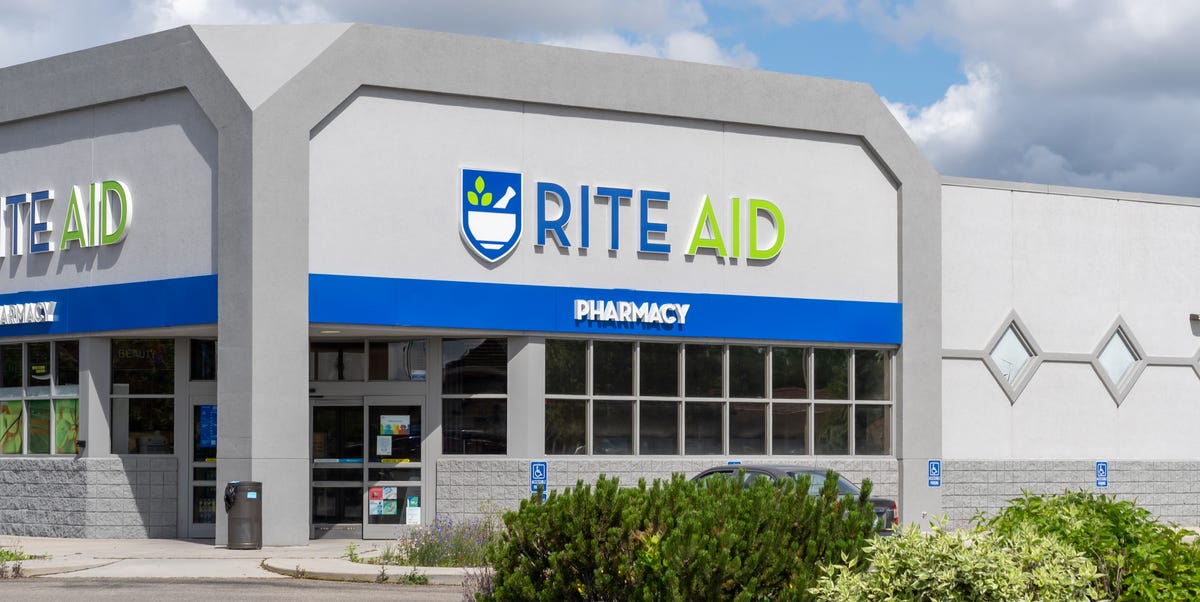
When a neighborhood Rite Aid closes, the first reaction is usually not, “Oh no, where will I buy discount holiday candy in February?” It is more serious: “What happens to my prescriptions?” For millions of former Rite Aid customers, that question became very real as the pharmacy chain went through bankruptcy, sold pharmacy assets, and closed its remaining stores.
The good news is that prescriptions usually do not disappear when a pharmacy shuts its doors. They are typically transferred to another pharmacy, often a nearby chain or independent pharmacy that buys the prescription files. The less-good news? You may need to do a little detective work, especially if you use several medications, controlled substances, insurance-based refills, automatic refills, vaccines, or specialty prescriptions.
This guide explains what happened during the Rite Aid closures, where prescriptions likely went, how to find your medication records, what to do if your refill is missing, and how to avoid a pharmacy-closing headache in the future. Because nothing says “modern health care” quite like needing a refill and suddenly learning your pharmacy has packed up like it owed money to the mob.
The Short Answer: Your Rite Aid Prescriptions Were Supposed to Transfer
When Rite Aid stores closed, customer prescription files were generally moved to other pharmacies. In the 2025 bankruptcy process, Rite Aid sold pharmacy assets and prescription files to multiple buyers, including major pharmacy operators such as CVS, Walgreens, Albertsons, Kroger, Giant Eagle, and other buyers depending on the market. CVS later confirmed it had acquired prescription files from hundreds of former Rite Aid and Bartell Drugs pharmacies across 15 states and began operating dozens of former locations in Idaho, Oregon, and Washington.
In plain English, your prescription record may now live at a CVS, Walgreens, grocery-store pharmacy, regional pharmacy, or local independent pharmacy. The exact destination depends on your former Rite Aid location and the buyer assigned to that store’s prescription files.
However, “supposed to transfer” is not the same as “effortlessly appears at the perfect pharmacy at the exact moment you need it.” Patients may still run into delays, insurance mismatches, medication backorders, controlled-substance rules, missing refills, or confusion over where the file landed.
Why Rite Aid Closed: A Quick Background
Rite Aid was once one of the most recognizable drugstore chains in the United States. For decades, it served as a neighborhood pharmacy, convenience store, vaccine stop, seasonal-decoration warehouse, and emergency source of cough drops at 9:47 p.m.
But the retail pharmacy business changed. Large chains faced lower prescription margins, higher operating costs, competition from online pharmacies and big-box retailers, pressure from insurers and pharmacy benefit managers, and shifting consumer behavior. Rite Aid also carried heavy debt and legal costs, including opioid-related litigation. After filing for bankruptcy in 2023 and emerging as a smaller private company, Rite Aid filed for Chapter 11 again in 2025 and moved toward selling assets and winding down operations.
For customers, the bankruptcy headline mattered less than the practical question: “Can I still get my blood pressure pills, insulin, inhaler, ADHD medication, antibiotics, or pain medication?” That is where prescription-file transfers became the center of the story.
Where Did Rite Aid Prescriptions Go?
Your former Rite Aid prescriptions may have gone to one of several places:
1. A Nearby CVS Pharmacy
CVS became one of the largest recipients of former Rite Aid prescription files. In many areas, CVS locations received customer prescription records from closed Rite Aid stores. Some former Rite Aid or Bartell Drugs stores in the Pacific Northwest were also converted into CVS locations.
2. Walgreens or Another National Chain
In some markets, Walgreens or another large pharmacy operator received prescription files. This was not universal, so do not assume your file went to the closest Walgreens just because it has the same fluorescent lighting and a candy aisle that somehow knows your weaknesses.
3. A Grocery-Store Pharmacy
Some prescription files went to grocery-based pharmacies operated by companies such as Albertsons, Kroger, or Giant Eagle. This can be convenient if your new pharmacy is inside the place where you already buy milk, cereal, and one suspiciously expensive bag of grapes.
4. A Local Independent Pharmacy
In some communities, independent pharmacies received files or picked up former Rite Aid patients who needed a new home for prescriptions. Independent pharmacies can be especially helpful for patients who want more personal service, medication synchronization, local delivery, or extra support navigating insurance issues.
How to Find Out Where Your Rite Aid Prescription Was Transferred
If you are unsure where your prescriptions went, start with these steps:
Check Any Notice You Received
Many patients received emails, texts, mailed notices, app alerts, or signs in stores before closure. These notices often named the receiving pharmacy. Search your email for “Rite Aid prescription transfer,” “pharmacy closure,” “CVS,” “Walgreens,” or the name of your local store.
Use Rite Aid’s Online Prescription Transfer or Records Pages
Rite Aid’s website has directed former customers to resources for locating transferred prescriptions and requesting prescription or immunization records. If your old store has closed, this is one of the most direct ways to begin.
Call Pharmacies Near Your Former Rite Aid
If the online tools do not help, call the pharmacies closest to your old Rite Aid and ask whether they received prescription files from that location. Have your full name, date of birth, old Rite Aid address, phone number, and medication names ready.
Contact Your Prescriber
If no pharmacy can find your record, call your doctor, clinic, or specialist. They may need to send a new prescription to your preferred pharmacy. This is especially important if your medication is urgent or cannot safely be interrupted.
What Happens to Refills?
In many cases, remaining refills transfer with the prescription file. For example, if you had three refills left on a cholesterol medication at Rite Aid, the receiving pharmacy may be able to fill those remaining refills after the file transfer is complete.
Still, patients should verify the refill count. Ask the new pharmacy:
- Which prescriptions transferred?
- How many refills remain?
- Which prescriptions are expired?
- Which medications require a new doctor authorization?
- Are automatic refills still active?
- Does my insurance work at this pharmacy?
Do not assume every medication transferred perfectly. Pharmacy systems are powerful, but they are not magical elves. A quick phone call can prevent a surprise at the counter.
What About Controlled Substances?
Controlled substances can be trickier. Medications such as certain ADHD drugs, opioid pain medications, anxiety medications, sleep medications, and some seizure medications are subject to federal and state rules. The Drug Enforcement Administration allows certain electronic prescriptions for Schedule II-V controlled substances to be transferred between registered retail pharmacies for initial filling on a one-time basis, if state law also allows it and the transfer is handled properly between pharmacists.
That sounds technical because it is technical. For patients, the practical takeaway is simple: if your controlled medication did not transfer cleanly, you may need your prescriber to issue a new prescription to the new pharmacy. Do not wait until the day you run out. Controlled-substance refill timing is already strict enough without adding a closed pharmacy to the circus.
What About Immunization Records?
Rite Aid pharmacies provided vaccines for flu, COVID-19, shingles, pneumonia, RSV, and other immunizations. If you received vaccines at Rite Aid, your immunization history may be available through pharmacy records, the receiving pharmacy, your state immunization registry, or your health care provider.
If you need proof of vaccination for school, work, travel, elder care, or medical records, request it early. State immunization registries can be helpful, but access rules vary by state. Your doctor may also have vaccine information if it was reported back to their electronic health record system.
Can You Choose a Different Pharmacy?
Yes. Even if your Rite Aid prescription file was transferred to a specific pharmacy, you are not married to that pharmacy. No cake, no vows, no awkward first dance. You can usually move your prescriptions again to another pharmacy that better fits your insurance, location, hours, delivery needs, or medication pricing.
To transfer to a pharmacy of your choice, contact the new pharmacy and ask them to request the transfer. For many noncontrolled medications, the receiving pharmacy can handle most of the process. For controlled substances, specialty medications, expired prescriptions, or prescriptions with no refills left, your prescriber may need to send a new prescription.
Insurance Problems After a Rite Aid Closure
A prescription transfer does not always mean your out-of-pocket cost stays the same. Your new pharmacy may be outside your insurance plan’s preferred network. The medication may process differently. A coupon you used at Rite Aid may not apply. A discount card may show a different price. A 90-day refill may require mail order. Welcome to the charming maze known as American pharmacy benefits.
Before filling, ask the new pharmacy to check your insurance price. If the cost looks wrong, call your insurer or pharmacy benefit manager and ask:
- Is this pharmacy in network?
- Is there a preferred pharmacy with a lower copay?
- Can I fill 90 days at retail?
- Does this medication require prior authorization?
- Is mail order cheaper for maintenance medications?
If the price jumps dramatically, do not panic at the counter while clutching your receipt like it personally betrayed you. Ask the pharmacist to reprocess the claim, check the insurance information, compare discount pricing if appropriate, and contact your prescriber if a lower-cost alternative exists.
What If Your Prescription Was Not Transferred?
If your prescription did not transfer, take action in this order:
Call the Receiving Pharmacy First
Ask the pharmacy to search under your full legal name, date of birth, previous phone number, and old address. Sometimes records are present but not matched to the profile you expected.
Call Other Nearby Pharmacies
If you do not know the assigned receiving pharmacy, call nearby CVS, Walgreens, grocery pharmacies, and independent pharmacies. Tell them your former Rite Aid location and ask whether they received its prescription files.
Request Records
Former customers can request prescription histories and immunization records through Rite Aid-related record resources. Under HIPAA, patients generally have rights to access their health information from covered entities, including pharmacy-related health records.
Ask Your Doctor for a New Prescription
If the medication is urgent, call your prescriber and explain that your Rite Aid closed and the new pharmacy cannot locate the prescription. Ask whether they can send a new prescription electronically to your chosen pharmacy.
How to Prevent Missed Doses During a Pharmacy Closure
Pharmacy closures are disruptive, but a little preparation helps. Make a current medication list that includes drug names, strengths, directions, prescriber names, refill dates, and pharmacy phone numbers. Keep photos of prescription labels on your phone. Ask your pharmacist for a printed medication history if you still have access to the store or receiving pharmacy.
If you take maintenance medications, ask your doctor whether a 90-day supply is appropriate. For medications that cannot be stopped suddenly, such as some heart, seizure, mental health, diabetes, or blood pressure medications, plan refills several days early whenever possible. The goal is to avoid turning a pharmacy closure into a medical cliffhanger.
Why Rite Aid Closures Matter Beyond One Chain
The Rite Aid closures are part of a larger shift in U.S. pharmacy access. CVS, Walgreens, Rite Aid, and independent pharmacies have all faced store closures or financial strain. When pharmacies disappear, communities can lose more than a place to pick up pills. They may lose vaccine access, medication counseling, blood pressure checks, diabetes supplies, naloxone access, over-the-counter guidance, and a trusted pharmacist who knows that “the small white pill” is not enough information but tries to help anyway.
This matters most for older adults, people with disabilities, rural communities, low-income neighborhoods, and patients without reliable transportation. A “nearby pharmacy” on a map may not be nearby for someone who depends on a bus route, caregiver, walker, or lunch break from a second job.
Real-World Experiences: What Former Rite Aid Customers Learned
For many former Rite Aid customers, the closure experience felt less like changing stores and more like losing a familiar health-care routine. A person who had used the same pharmacy for ten or twenty years often knew the pharmacists by name. The staff knew which manufacturer worked best, which refill always needed a doctor call, which insurance card was current, and which customer preferred a phone call instead of a text message. When that store closed, the relationship vanished overnight. The medicine might have transferred, but the trust did not always transfer with it.
One common experience was confusion over automatic refills. A patient might assume the new pharmacy would continue every refill exactly as Rite Aid had done. Then the refill date arrived, no text appeared, and the patient discovered that auto-refill settings had not carried over or needed fresh consent. The lesson: after any pharmacy transfer, ask the new pharmacy to review every active medication and confirm whether auto-refill, reminder texts, delivery, and 90-day supplies are turned on.
Another experience involved insurance surprises. Some patients found that their new pharmacy was convenient but not the cheapest option under their plan. Others discovered that a preferred pharmacy network had changed the copay. A medication that cost $10 at Rite Aid might cost more at the new counter, not because the pill changed, but because the insurance contract did. The practical move is to compare the new pharmacy against your insurer’s preferred list before moving all prescriptions permanently.
Patients taking controlled substances often had the most stressful transitions. Even when pharmacists wanted to help, federal and state rules limited what could be transferred, how many times, and under what conditions. People taking ADHD medication, opioid pain medication, or certain anxiety prescriptions often had to contact prescribers for new orders. The best experience came from patients who acted early, called both the pharmacy and prescriber, and did not wait until the bottle was empty except for one lonely tablet rattling around like a maraca.
Caregivers also learned to keep better records. Adult children managing medications for parents often had to reconstruct refill schedules, vaccine records, and prescriber information. The most prepared caregivers had a medication list, photos of labels, doctor portal access, and insurance information in one folder. The least prepared had “Mom takes a little blue one after breakfast,” which is a sentence that can make any pharmacist age three years.
The biggest lesson from the Rite Aid closures is that patients need a backup plan. Choose a primary pharmacy, but also know a second option. Keep your medication list updated. Ask for refills before the last minute. Save your prescription history. Confirm where your records went. And when a pharmacy closes, treat it like a health-care task, not just a shopping inconvenience. Your future self, standing calmly at the counter with everything organized, will be very proud.
Conclusion: Your Prescription Has a Paper Trail, Even If the Store Is Gone
Rite Aid may no longer be the familiar stop it once was, but your prescriptions should still have a trail. Most files were transferred or sold to other pharmacies as part of the closure and bankruptcy process. If you are a former Rite Aid customer, your job is to confirm where your prescriptions went, check refill status, verify insurance pricing, request records if needed, and contact your prescriber quickly when something is missing.
The most important rule is simple: do not wait until you are out of medication. Pharmacy closures create confusion, but early action turns chaos into a manageable errand. And if you can survive a prescription transfer during a national pharmacy wind-down, congratulationsyou have officially earned a black belt in American health-care paperwork.
Note: This article is for general informational purposes and is not medical, legal, or insurance advice. Patients should contact their pharmacist, prescriber, insurer, or state pharmacy board for guidance about their specific prescription situation.