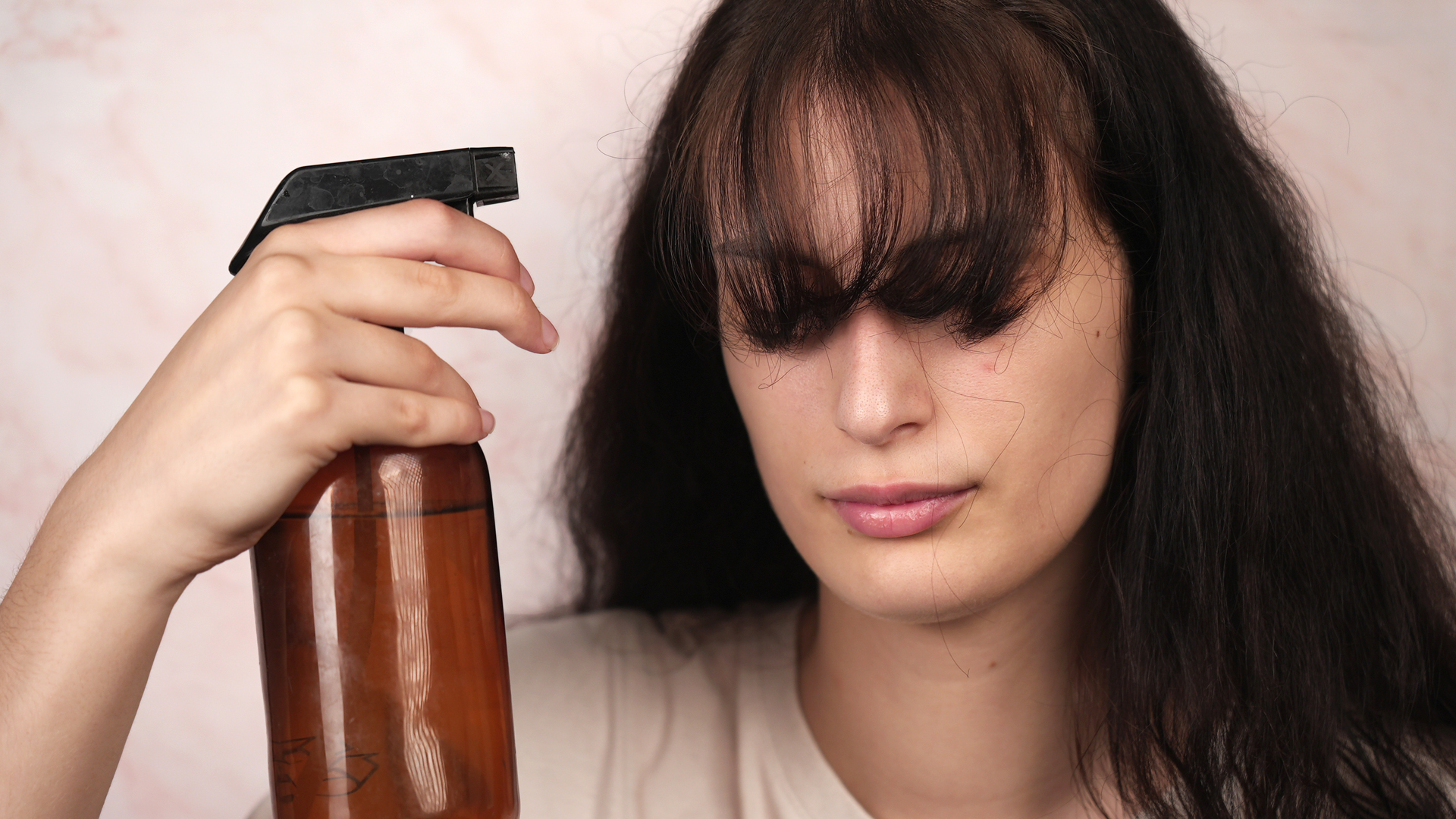
Bangs are tiny, dramatic roommates. They live directly on your forehead, demand daily attention, and occasionally decide to split down the middle like they are auditioning for a curtain-bang role nobody offered them.
The good news is that separated bangs are usually not a permanent hair mystery. They often happen because of oil, sweat, moisture, product buildup, a stubborn growth pattern, or styling that encourages your fringe to part. With the right reset routine, you can train your bangs to sit together, look fuller, and stop doing the awkward “two lonely clumps” thing by lunchtime.
This guide explains why bangs separate, how to blow-dry and set them correctly, what products help without turning your forehead fringe into a shiny helmet, and how to work with your hair type instead of arguing with it every morning.
Why Do Bangs Keep Separating?
Before declaring war on your fringe, it helps to understand why it is misbehaving. Bangs do not usually split because they are “bad hair.” They split because hair naturally follows moisture, weight, movement, and the direction in which it dries.
Your Natural Part Is Trying to Reclaim Territory
If you normally wear a center part or side part, the roots near your forehead may keep pushing your bangs back toward that familiar divide. Hair remembers the direction it has been encouraged to fall in for months or years. Your bangs may be short, but their roots are still loyal to the old regime.
A cowlick can make this even more noticeable. A cowlick is simply a section of hair that grows in a different direction than the surrounding strands. It is not a personal insult from the universe, although it can feel that way when one little patch refuses to cooperate before school, work, or a photo.
Oil, Sweat, and Skincare Can Make Bangs Clump
Your bangs sit close to your scalp and touch your forehead all day. Natural scalp oil, sweat, facial moisturizer, sunscreen, makeup, and humidity can cause individual strands to stick together. Once those strands clump, they create spaces between them. Suddenly, your smooth fringe becomes two separate teams holding an awkward meeting on either side of your forehead.
This is why freshly washed bangs often behave beautifully while second-day bangs start looking stringy. The issue may not be your entire hairstyle. It may simply be the small front section absorbing oil faster than the rest of your hair.
Too Much Product Can Weigh Fringe Down
Heavy conditioner, oils, thick creams, waxes, and sticky hairspray can make bangs look flat or piecey in the wrong way. Bangs usually need far less product than the rest of your hair because they are short, close to the roots, and naturally exposed to forehead oil.
Think of styling products like hot sauce: a tiny amount can improve the situation, while too much can make everyone regret their choices.
Drying Direction Matters More Than You Think
When bangs air-dry along your natural part, they often separate where the hair already wants to divide. When you blow-dry them forward, side to side, and slightly against their natural direction, you help reset the roots. This is the heart of “training” bangs: you are not changing how the hair grows, but you are repeatedly teaching it where you want it to sit.
The 7-Minute Reset for Bangs That Split
You do not need to wash your entire head every time your bangs separate. In fact, washing and styling only your fringe is one of the easiest ways to keep it fresh between full wash days.
Step 1: Dampen or Wash Only Your Bangs
If your bangs are only slightly out of shape, mist them with water until the roots are damp. If they feel oily, shampoo just the bangs in the sink or shower. Use a small amount of gentle shampoo and focus on the roots, where oil and product buildup collect.
Avoid applying regular conditioner directly to the roots of your bangs. If the ends feel dry, use the tiniest amount of lightweight conditioner only on the lower half of the fringe. The goal is soft movement, not a buttery forehead curtain.
Step 2: Apply a Lightweight Styling Product
Choose one light product based on what your bangs need:
- For flat or fine bangs: Use a small amount of volumizing mousse or root-lifting spray.
- For oily or clumpy bangs: Use a little dry shampoo after drying to absorb oil and add texture.
- For frizzy bangs: Use a pea-sized amount of lightweight smoothing cream or anti-humidity spray.
- For stubborn flyaways: Mist hairspray onto a clean spoolie brush or small comb instead of spraying the fringe heavily.
Use a heat protectant before blow-drying or using a flat iron. Keeping heat moderate and limiting repeated passes helps reduce dryness and breakage over time.
Step 3: Blow-Dry the Roots Side to Side
This is the magic move. Point the dryer downward at the roots and brush your bangs from left to right, then right to left. Do not let them dry in the center part. Move the hair in the opposite direction from where it wants to split.
You can use a small paddle brush, a mini round brush, or even your fingers while you are learning. The important part is the movement: dry the roots from side to side first, then direct the bangs forward.
Step 4: Pull the Bangs Forward and Add a Gentle Bend
Once the roots are mostly dry, brush the bangs straight down toward your forehead. Use a small round brush to create a soft curve under the ends. Keep the movement gentle. You want your fringe to sit naturally, not resemble a cereal bowl that gained access to a blow dryer.
For curtain bangs, direct the center pieces down and then guide each side away from the face. For blunt bangs, keep most of the section moving forward rather than splitting it into two sides.
Step 5: Cool Them in Place
Hair holds its shape better when it cools after styling. Use the cool-shot setting on your dryer, then let your bangs rest in the direction you want. You can also clip them lightly with a no-crease clip or place a small roller at the roots for a few minutes while you finish getting ready.
This step takes almost no effort, yet it often makes the difference between “fresh salon fringe” and “my bangs have abandoned the plan.”
How to Train Your Bangs Over Time
Training bangs is less about one perfect styling session and more about consistency. Hair near the front of your head dries quickly, so the first few minutes after washing are especially important.
Style Bangs First, Not Last
Do your bangs before the rest of your hair. If you wait until you finish blow-drying, curling, applying makeup, and searching for a missing sock, your fringe may already be dry in its favorite split position.
Start with damp roots, blow-dry side to side, direct the hair forward, and let it cool before moving on. This small habit gives you more control than trying to rescue dry, divided bangs with a blast of hairspray later.
Repeat the Same Direction Daily
For one to two weeks, keep styling your bangs in the same direction every morning. If you want straight-across bangs, dry them forward. If you want curtain bangs, guide the middle downward first and then curve each side outward.
Consistency matters because you are encouraging the roots to settle in a new position. You are essentially giving your bangs a daily reminder of their job description.
Use Accessories Strategically
Soft headbands, no-crease clips, small rollers, and silk scarves can help hold bangs in place while they cool or while you get ready. They are particularly useful on humid days, after a workout, or when your hairline has decided to become a weather station.
Do not pull bangs tightly backward for long periods every day, especially if the hairline feels tender. Gentle placement works better than aggressive tension.
Best Bangs Training Tips for Different Hair Types
Fine or Oily Hair
Fine hair is more likely to separate when oil makes strands stick together. Keep products light, skip conditioner near the roots, and use dry shampoo before your bangs look greasy rather than after they have already collapsed.
A small amount of volumizing mousse can give fine bangs more grip. Blow-dry at the roots while moving the hair side to side, then finish with a cool shot. Avoid touching your bangs throughout the day, since fingers transfer oil faster than most people realize.
Thick or Coarse Hair
Thick bangs may separate because they have too much weight or because the cut does not remove enough bulk. Blow-dry in smaller sections, beginning close to the roots. Use a smoothing cream sparingly and focus on the ends rather than the scalp.
If your bangs puff, flip, or split no matter how carefully you style them, ask a stylist whether the fringe needs more texture, softer ends, or a slightly different shape. Sometimes the solution is not more product. Sometimes it is a better haircut.
Wavy or Curly Hair
Curly and wavy bangs do not need to behave like straight bangs. The goal is not to erase your natural texture; it is to help the curls or waves form in a way that feels intentional.
Apply a lightweight curl cream or gel to damp bangs, then gently shape them with your fingers. Diffuse on low or medium heat if needed. Avoid brushing curls dry, since that can create frizz and disrupt the natural pattern. A stylist who understands textured hair can help create a bang shape that works with your curl pattern instead of fighting it every morning.
Bangs With a Cowlick
A cowlick near the hairline usually needs immediate attention while damp. Blow-dry the cowlick in the opposite direction from where it naturally lifts or splits. Then guide the hair forward and let it cool while held in place.
For a very strong cowlick, long side-swept bangs, curtain bangs, or a textured fringe may be easier to maintain than a strict blunt bang. That is not “giving up.” It is called choosing a haircut that does not require a daily negotiation summit.
Common Mistakes That Make Bangs Separate Faster
Letting Them Air-Dry in the Wrong Direction
Air-drying can be great for many hairstyles, but it is risky for bangs that already split. When the roots dry along a center part or cowlick, the separation becomes harder to reverse later.
Using Too Much Hairspray
Heavy hairspray can make bangs stiff, shiny, and stuck together in thick strands. Use light hold only after the bangs are dry and shaped. A soft mist is enough. Your fringe needs support, not concrete.
Applying Face Products Right Before Styling
Heavy moisturizer, facial oil, sunscreen, and makeup can transfer to bangs and make them separate. Let skincare absorb before styling your hair. If your forehead gets shiny during the day, blotting papers can help reduce the oil transfer that causes clumping.
Ignoring Product Buildup
Dry shampoo, mousse, hairspray, and styling cream can help, but layers of product eventually become too much. Wash your bangs regularly and clean your brushes, combs, clips, and rollers. Styling tools collect oil and residue too, which means they can quietly reintroduce the problem you are trying to fix.
Cutting Them Too Often at Home
When bangs start splitting, it is tempting to trim the middle section shorter. That can create an uneven shape and make the separation look more obvious. If the cut feels bulky, overly blunt, too short, or uneven around a cowlick, a professional trim is usually safer than an emotional five-minute bathroom haircut.
When the Haircut Is the Real Problem
Sometimes your bangs are not separating because you are styling them wrong. Sometimes they are separating because the cut is working against your hair’s texture, density, or growth pattern.
Consider seeing a stylist when:
- Your bangs always split in the exact same place, even when freshly styled.
- A cowlick causes one side to pop upward or sweep sideways.
- Your fringe feels too heavy, bulky, or blunt for your hair texture.
- The sides are not blending into the rest of your haircut.
- You need a style that requires less daily heat styling.
Bring photos of the bang shape you want, but also be honest about your normal hair routine. A great fringe should fit your real life, not require a professional blowout and a full moon every morning.
Your Emergency Bangs Kit for Humid Days
Humidity, workouts, rain, and hot weather can make bangs separate even after a good blowout. Keep a small rescue kit in your bag or bathroom drawer:
- A mini dry shampoo or translucent powder for oil control
- Blotting papers for forehead shine
- A small comb or spoolie brush
- No-crease clips or a soft headband
- A travel-size smoothing spray for flyaways
When your bangs start splitting, blot your forehead first. Then fluff the roots with dry shampoo, brush lightly side to side, and clip the fringe in place for a few minutes. You may not need a full restyle. Often, you just need to remove the oil and restore some lift.
Real-Life Bangs Training Experiences: What the Process Usually Feels Like
Training bangs sounds wonderfully simple until you are standing in front of a mirror at 7:43 a.m., holding a round brush in one hand and wondering why your fringe has divided itself into a dramatic center part overnight. The real experience is usually a mix of small victories, tiny setbacks, and learning what your own hair does when nobody is watching.
During the first few days, many people notice that their bangs seem to split even more whenever they stop paying attention. That is normal. Hair that has spent months falling into a center part does not suddenly wake up prepared to become a perfectly smooth fringe. The important moment is not when the bangs split; it is what you do next. A quick mist of water, a few passes from side to side with a dryer, and a cool-down period can gradually make the reset faster.
One common experience is realizing that your forehead is the real troublemaker. You may style your bangs perfectly, walk outside, and notice them separating twenty minutes later. Often, this happens because facial moisturizer, sunscreen, sweat, or natural skin oil has transferred into the fringe. Blotting the forehead before touching the hair can feel like a surprisingly powerful little trick. It is not glamorous, but neither is staring at two greasy bang sections that appear to be avoiding each other socially.
Another lesson comes from trying too many products at once. A person may begin with mousse, add smoothing cream, finish with hairspray, and then wonder why the bangs look like they have been assigned a corporate job. Usually, the best result comes from choosing one product for one problem. Need volume? Use a little mousse. Need oil control? Use dry shampoo. Need to smooth one flyaway? Use a tiny bit of finishing product. Bangs are short, so they become overloaded faster than the rest of your hair.
People with cowlicks often have a different experience. Their bangs may look perfect for five minutes, then one section pops upward or slides to the side as though it has a private agenda. The most useful discovery is usually that timing matters more than force. Styling the cowlick while it is damp, directing it opposite its natural lift, and letting it cool in place often works better than trying to flatten it aggressively once it is already dry.
There is also an emotional adjustment period. Bangs make your face feel different, and every tiny change can seem enormous because the hair is directly in your line of sight. A millimeter too short, a little extra puff, or one separated section can feel like a major event. After a week or two, most people become less reactive. You learn that bangs do not have to look identical every day to look good. Some days they are soft and airy; some days they are slightly lived-in; some days they behave beautifully for no obvious reason and deserve a small round of applause.
The best long-term experience usually comes from simplifying the routine. Once you know whether your bangs need water, dry shampoo, a little mousse, or a quick blow-dry, the process becomes much less dramatic. You stop treating every split as a crisis and start treating it as a small styling signal. That is the real goal of training bangs: not perfection, but a routine that makes your fringe easier to manage and lets you spend less time negotiating with your reflection.
Final Thoughts: Your Bangs Can Learn New Tricks
Separated bangs are frustrating, but they are rarely hopeless. Start with clean or damp roots, dry your fringe side to side before directing it forward, use lightweight products, control forehead oil, and give the hair a moment to cool in place.
Most importantly, work with your hair’s natural texture and growth pattern. The best bangs are not the ones that require constant battle. They are the ones that look good while still allowing you to leave the house before lunchtime.
Note: This article provides general hair-styling information. For sudden hair loss, scalp irritation, persistent breakage, or concerns about hair and skin health, speak with a licensed dermatologist or qualified hairstylist.