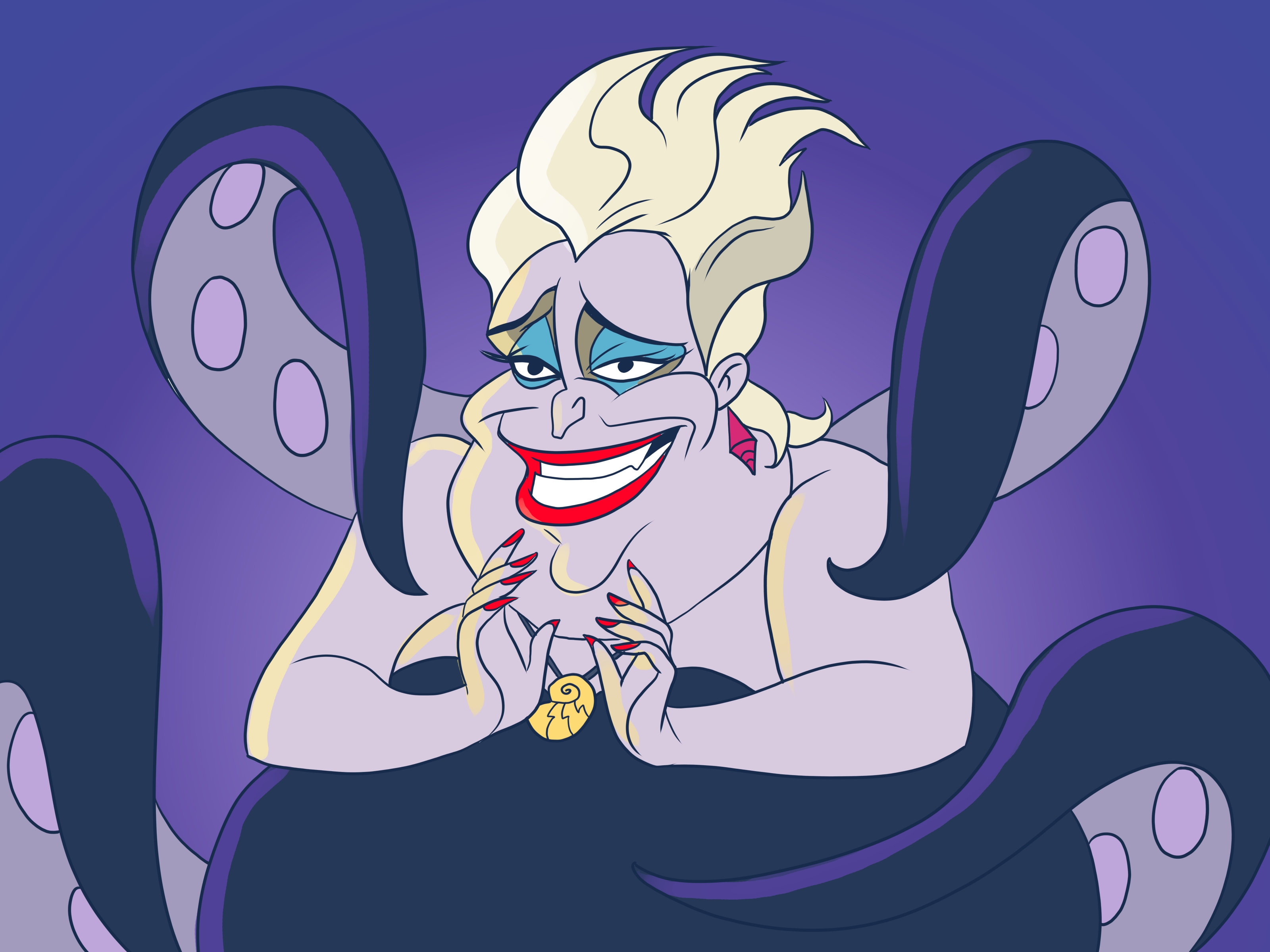
Note: This quiz is for entertainment and self-reflection, not a clinical assessment. It is designed to help you explore your fictional villain archetype, not diagnose your soul as “dramatic with a cape.”
Some people take personality quizzes to discover whether they are a golden retriever, a forest fairy, or the human embodiment of iced coffee. Others want the real question answered: Who’s my villain character? And honestly, that may be the most revealing quiz of all. Villains are fascinating because they magnify traits many people already recognize in themselvesambition, control, sarcasm, secrecy, pride, charm, or the occasional urge to stare out a rainy window and mutter, “They underestimated me.”
A great villain character personality quiz is fun, but it also works because it taps into real patterns of behavior. Some people lead with strategy. Some win through charisma. Some rebel on principle. Some create chaos, not because they are evil, but because rules feel like cheap wallpaper over a cracked wall. In fiction, those traits become iconic villain types. In real life, they are usually less dramatic and more like, “I made a spreadsheet for revenge and color-coded it.”
In this guide, you will find a playful but thoughtful personality quiz, learn what your results might say about your fictional energy, and explore why villain archetypes are so irresistible in the first place. Ready? Excellent. Please rotate your imaginary throne toward the moonlight.
Why Villain Character Quizzes Are So Weirdly Accurate
People love villain quizzes because villains are rarely random. The best fictional antagonists are built around recognizable motives: power, justice, control, survival, attention, revenge, or freedom. Those motives show up in everyday life too, just without the dramatic soundtrack. A villain archetype works like a symbolic mirror. It exaggerates a trait so you can notice it more clearly.
That is why a who’s my villain character quiz can feel surprisingly personal. You are not just choosing between capes and monologues. You are choosing how you respond to pressure, how you handle conflict, whether you charm or confront, and whether your default mode is “burn the system down” or “quietly take over the boardroom.” Fiction simply turns those tendencies into memorable character types.
There is also a deeper reason these quizzes stick. They let people explore the “shadow side” of personality in a safe, playful way. Most of us are not villains. Most of us are just tired, opinionated, and one bad email away from becoming a minor antagonist in someone else’s story. A quiz gives that tension a language. It lets you laugh at your intensity while also learning something useful about your style.
How to Take This Villain Personality Quiz
For each question, choose the answer that feels most like your natural reaction, not the one that sounds noble on a coffee mug. Keep track of your letters. At the end, count which one you chose most often.
- A = The Mastermind
- B = The Charismatic Manipulator
- C = The Rebel Trickster
- D = The Fallen Idealist
The Quiz: Who’s Your Villain Character?
1. Someone underestimates you in public. What do you do?
A. Smile, say very little, and begin planning a flawless comeback.
B. Win the room back with charm so smooth it should come with jazz music.
C. Roast them creatively and turn the moment into performance art.
D. Say nothing, but remember exactly how unfair it felt.
2. What motivates you most?
A. Control.
B. Influence.
C. Freedom.
D. Justice.
3. In a group project, your secret role is usually:
A. The planner who knows where the ship is going.
B. The persuasive one who keeps everyone onboard.
C. The wildcard who breaks stale ideas open.
D. The one carrying the moral burden and half the actual work.
4. Which setting feels most like your villain origin backdrop?
A. A glass office at night with city lights below.
B. A candlelit gala where everyone loves you for the wrong reasons.
C. A hidden workshop full of inventions, graffiti, and bad decisions.
D. A quiet place where trust was broken and never fully repaired.
5. How do you handle conflict?
A. I stay calm and think three moves ahead.
B. I talk my way around it, through it, and occasionally above it.
C. I push back fast and refuse boring rules.
D. I take it personally, even when I pretend I do not.
6. Your greatest fictional weakness would be:
A. Overconfidence in my plan.
B. Needing admiration.
C. Acting before thinking.
D. Letting pain become identity.
7. Which quote feels most like your energy?
A. “I already considered that outcome.”
B. “People usually give me what I want.”
C. “Rules are suggestions with good marketing.”
D. “I did not start this, but I might finish it.”
8. When someone wrongs you, what is your instinct?
A. Build leverage.
B. Make them regret underestimating my social range.
C. Cause a little chaos and call it balance.
D. Decide whether this is a lesson, a boundary, or a final chapter.
9. What kind of reputation secretly appeals to you?
A. Untouchable.
B. Magnetic.
C. Unpredictable.
D. Misunderstood but unforgettable.
10. Pick your ultimate villain accessory.
A. A private control room with too many screens.
B. A smile that could sell snow to a snowstorm.
C. A deck of wild ideas and zero adult supervision.
D. A journal full of principles, scars, and very sharp observations.
Your Results: Meet Your Inner Villain Archetype
Mostly A: The Mastermind
Your villain character is the Mastermind, the brilliant strategist who treats every situation like a chessboard and every weak argument like free entertainment. You are analytical, composed, and highly motivated by competence. You do not need noise when precision will do. If fictional characters had annual reviews, yours would say, “Excellent planning, alarming calmness, suspiciously elegant contingency system.”
The Mastermind villain archetype is all about foresight, structure, and control. You probably dislike sloppy thinking, emotional chaos, and people who say “we’ll figure it out” with the confidence of a person holding no map. Your strength is long-range vision. Your risk is rigidity. When this type goes too far, strategy becomes obsession and control becomes a substitute for trust.
Mostly B: The Charismatic Manipulator
Your villain character is the Charismatic Manipulator, the one who can enter a room, read the temperature in seconds, and somehow leave holding the metaphorical microphone. You understand people quickly, and that gives you influence. In fiction, this becomes the seductive, persuasive villain who rarely needs brute force because words do the heavy lifting.
Your strengths include social intelligence, confidence, adaptability, and a remarkable ability to make others feel seen. Your danger zone is using charm to control outcomes too much. When healthy, this energy makes you a strong leader and communicator. When exaggerated into villain territory, it turns into image management, emotional games, and the occasional “I’m not manipulating anyone, I’m just very persuasive” speech.
Mostly C: The Rebel Trickster
Your villain character is the Rebel Trickster, the gleeful disruptor who pokes holes in systems, exposes hypocrisy, and refuses to behave just because someone printed rules in a nice font. You are witty, independent, inventive, and allergic to stale authority. You probably do not want control for control’s sake. You want movement, possibility, and the freedom to smash fake order when it becomes oppressive.
This villain archetype thrives on surprise. You use humor, unpredictability, and bold action to shift the balance. Your best quality is creative rebellion. Your greatest risk is confusing disruption with direction. Chaos can open doors, but it can also remove the floor. In a story, you are the character audiences love because they never know what you will do nextand somehow that is exactly the point.
Mostly D: The Fallen Idealist
Your villain character is the Fallen Idealist, arguably the most emotionally powerful villain type of all. You are driven by principles, but you have probably learned the hard way that noble intentions do not guarantee fair outcomes. This type often begins as the person who wanted to protect, repair, or improve something important. Then betrayal, grief, or disillusionment enters the plot like a wrecking ball wearing good shoes.
Your strength is conviction. Your weakness is the temptation to let pain justify everything. The Fallen Idealist makes audiences uncomfortable because the motives often make sense. This type is not evil for sport. This type believes the world forced its hand. In real life, that translates into passion, depth, and a strong moral corebut also a need to watch for bitterness, black-and-white thinking, and emotional exhaustion dressed up as purpose.
What Your Villain Result Really Says About You
A villain personality quiz is most useful when you treat the result as a pattern, not a prison. You are not one fixed character. People are layered. You might score as a Mastermind at work, a Rebel Trickster with friends, and a Fallen Idealist every time customer service says, “We value your feedback,” while clearly doing no such thing.
That is why this kind of personality quiz feels so fun. It gives language to your default style under pressure. Are you strategic, magnetic, disruptive, or deeply principled? Do you seek power, freedom, approval, or fairness? Those are meaningful questions, even when wrapped in villain eyeliner.
The best results also highlight your growth edge. If you are a Mastermind, maybe the lesson is to allow imperfection. If you are a Charismatic Manipulator, maybe it is practicing honesty without performance. If you are a Rebel Trickster, maybe it is building something after breaking what no longer works. If you are a Fallen Idealist, maybe it is protecting your values without letting hurt become your compass.
How to Use Your Villain Archetype for Self-Reflection
1. Notice your default motive
When conflict hits, what do you protect first: control, image, freedom, or justice? Your answer tells you more than the label itself.
2. Watch your stress behavior
Many people meet their “inner villain” under pressure. Stress reveals your exaggerated traits. Calm reveals your values. Both matter.
3. Separate drama from truth
Quiz results are symbolic. They are useful because they simplify patterns, but real personality is more fluid than any four-letter box or theatrical result screen.
4. Turn the insight into balance
Every villain archetype has a healthy twin. Strategy becomes wisdom. Charm becomes leadership. rebellion becomes innovation. idealism becomes integrity. The goal is not to erase your edge. The goal is to sharpen it without letting it run the whole show.
Experiences People Often Have with a “Who’s My Villain Character?” Quiz
One of the funniest things about taking a who’s my villain character personality quiz is how quickly people go from “This is just for fun” to “Why is this reading me like my search history?” That reaction is common because villain archetypes tend to spotlight traits people already suspect they have but rarely say out loud. It is easy to admit you are ambitious when it sounds professional. It is more revealing to admit you might enjoy being ten steps ahead.
Many people feel immediate recognition when they get their result. The Mastermind says, “Okay, fair, I do make backup plans for my backup plans.” The Charismatic Manipulator laughs nervously and claims the result is wrong while somehow persuading everyone else that it is flattering. The Rebel Trickster feels seen in a way that is both delightful and mildly incriminating. The Fallen Idealist often pauses the longest, because that result tends to touch something deepervalues, disappointment, loyalty, or old emotional bruises.
Another common experience is comparing results with friends. This is where the quiz stops being a solo reflection tool and turns into a social event with suspiciously accurate side-eyes. Suddenly everyone is assigning fictional soundtrack music to each other. The organized friend becomes “the one who absolutely has a secret plan.” The funniest friend is exposed as “chaos with excellent timing.” The sweetest person in the room gets Fallen Idealist and everyone realizes kindness and intensity are not opposites. They are roommates.
People also tend to use villain results as a playful way to talk about boundaries, pressure, and identity. Someone who gets Mastermind may realize they rely on control when they feel unsafe. Someone who lands on Charismatic Manipulator may notice how often they smooth things over instead of saying what they actually want. Someone who gets Rebel Trickster may recognize that humor is both a gift and a shield. Someone who gets Fallen Idealist may connect with the idea that pain can harden into a worldview if it is not processed honestly.
Then there is the best experience of all: relief. A well-made villain quiz can be oddly freeing because it shows that your more intense traits are not random. They have a shape. They have a story. And once you can name a pattern, you can work with it. You do not have to fear your sharp edges to understand them. In fact, understanding them is what keeps them from running your entire life like a dramatic board meeting in a thunderstorm.
In the end, most people do not walk away from this kind of quiz thinking, “Excellent, I am evil now.” They walk away thinking, “That explains a lot.” And that is the real magic. The quiz offers a mirror with a velvet cape. It makes self-awareness feel entertaining instead of heavy. It gives you a language for your ambition, your humor, your hurt, your appetite for freedom, or your need to be taken seriously. And once those patterns are visible, they become easier to balance. So yes, your villain character might be fictional. But the insight? That part is very real.
Conclusion
If you have ever asked, “Who’s my villain character?” the answer is not just a fun label. It is a clue about your style, your motives, and the role you tend to play when life gets messy. Maybe you are the Mastermind who survives through strategy. Maybe you are the Charismatic Manipulator who bends rooms with presence. Maybe you are the Rebel Trickster who cracks systems open with wit. Or maybe you are the Fallen Idealist who feels everything deeply and refuses shallow answers.
The point of a good villain character quiz is not to trap you inside a stereotype. It is to help you recognize your patterns with a little humor and a lot more honesty. Villain archetypes are compelling because they exaggerate truths people already carry. When you understand your fictional “dark side,” you often understand your real strengths more clearly too. Which, frankly, is a much better use of your power than building a lava castle.