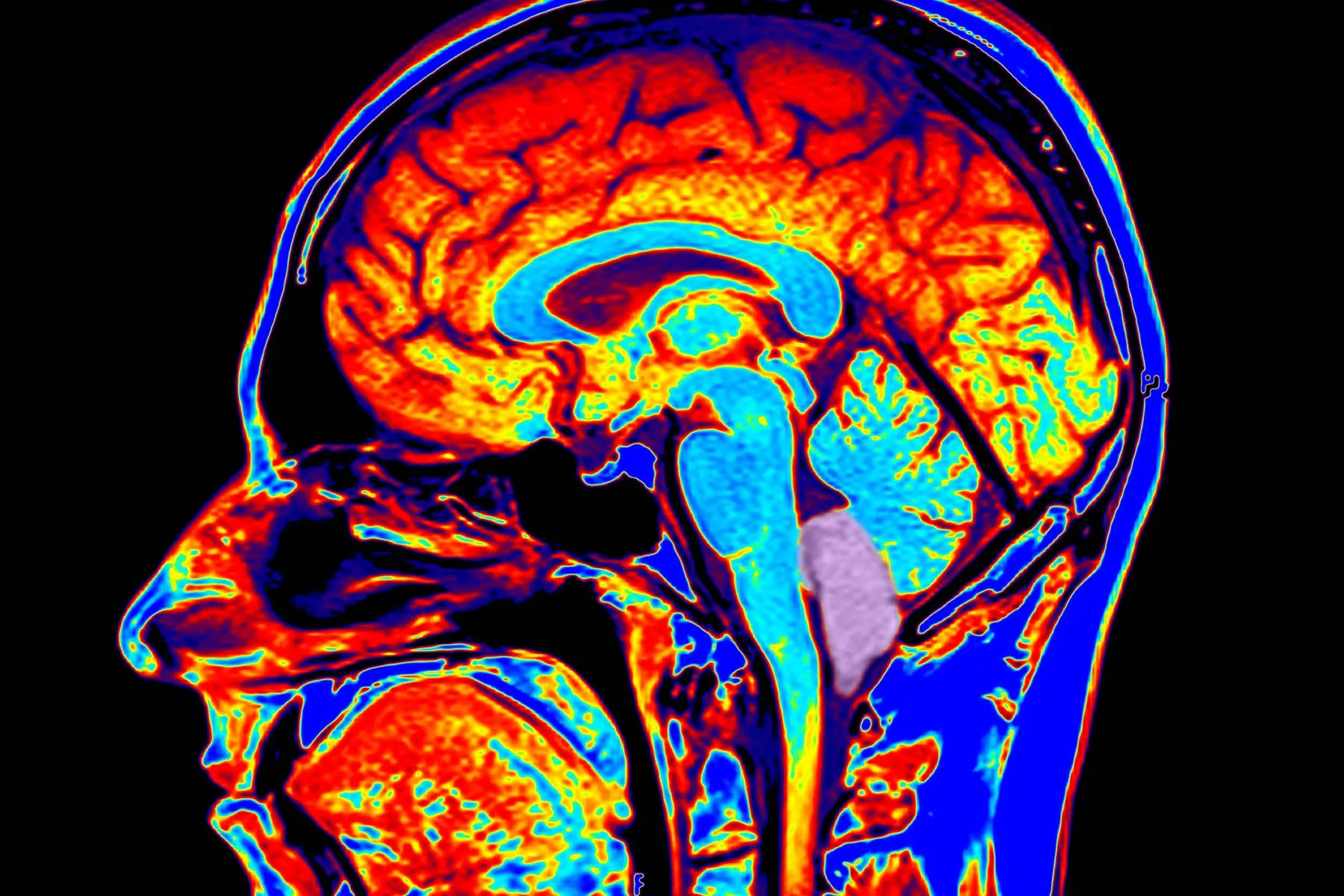
Some medical conditions sound like they belong in a textbook nobody opens unless there is a quiz tomorrow. Chiari malformation is one of them. But for the people living with it, this is not trivia. It can mean stubborn headaches, dizzy spells, numb hands, disrupted sleep, frightening swallowing problems, or symptoms that seem to bounce from one doctor’s office to another before anyone finally says, “Aha. There it is.”
At its core, Chiari malformation is a structural problem at the point where the brain and spinal canal meet. The lower part of the brain, usually the cerebellum, sits lower than it should and can crowd the opening at the base of the skull. That crowding may block the normal flow of cerebrospinal fluid, irritate the brainstem or spinal cord, and create symptoms that range from barely noticeable to life-altering.
The tricky part is that not everyone with Chiari malformation feels sick. Some people learn they have it only after getting an MRI for something completely unrelated. Others spend years trying to explain symptoms that sound disconnected but are actually part of the same neurological puzzle. That mix of mystery, variability, and very real impact is what makes understanding this condition so important.
What Is Chiari Malformation?
Chiari malformation is a condition in which brain tissue extends downward into the spinal canal. This usually happens because the lower back portion of the skull is too small, shaped differently, or crowded enough that the brain does not have its usual amount of elbow room. And when the brain runs out of room, it does not politely file a complaint. It pushes downward.
The structure most often involved is the cerebellum, the area that helps coordinate balance, movement, and posture. In some cases, the problem also affects the brainstem, which helps control essential functions such as breathing and swallowing. The reduced space may also disrupt the flow of cerebrospinal fluid (CSF), the fluid that cushions the brain and spinal cord. When that flow becomes blocked or turbulent, symptoms can appear and related problems such as syringomyelia may develop.
Syringomyelia is a fluid-filled cavity, or syrinx, inside the spinal cord. It is one of the most important complications linked to Chiari malformation because it can damage the spinal cord over time. That is one reason doctors take symptoms seriously even when the condition itself sounds rare or unfamiliar.
Types of Chiari Malformation
Doctors usually divide Chiari malformation into several types. These types are not just labels for filing cabinets. They help explain when symptoms tend to show up, how severe the condition may be, and what treatment might be needed.
Type I
Chiari malformation type I is the most common form. In this type, the lower part of the cerebellum extends through the foramen magnum, the opening at the base of the skull. Type I may not cause symptoms in early childhood and is often diagnosed in older children, teenagers, or adults. Some people never develop symptoms at all, while others have headaches, neck pain, balance trouble, or signs of a syrinx.
Type II
Chiari malformation type II is more severe and is strongly associated with myelomeningocele, a form of spina bifida. In this type, more tissue from the cerebellum and brainstem shifts downward. Symptoms usually appear earlier in life, and babies or children may have feeding difficulties, breathing problems, swallowing trouble, or hydrocephalus.
Type III
Chiari malformation type III is very rare and serious. In this form, part of the cerebellum and sometimes the brainstem extends through an abnormal opening in the skull. It is typically identified at birth or during pregnancy and often causes significant neurological complications.
Type IV
Chiari malformation type IV is the rarest and most severe form in traditional classifications. It involves incomplete or abnormal development of the cerebellum. Because it is so serious, the outlook is often poor.
Some medical centers also mention Type 0, a less commonly used label for patients who have symptoms related to disrupted CSF flow without the classic downward displacement seen in Type I. Not every source uses this classification, which is a good reminder that medicine loves nuance almost as much as it loves long words.
Symptoms of Chiari Malformation
The symptoms of Chiari malformation can vary a lot depending on the type, the amount of crowding, whether CSF flow is blocked, and whether complications such as syringomyelia are present. That variability is one reason diagnosis is sometimes delayed.
Common Symptoms in Teens and Adults
- Headaches, especially at the back of the head
- Headaches that get worse with coughing, straining, sneezing, or laughing
- Neck pain
- Dizziness or vertigo
- Poor balance and coordination
- Numbness or tingling in the arms or hands
- Muscle weakness
- Trouble swallowing
- Hoarseness or voice changes
- Vision problems, including blurred or double vision
- Tinnitus or hearing changes
- Sleep problems, including sleep apnea in some cases
Symptoms in Infants and Children
- Feeding problems
- Weak cry
- Breathing difficulties or noisy breathing
- Poor head control
- Developmental delays
- Arm weakness
- Curvature of the spine, especially if a syrinx is present
One of the most classic symptoms of Chiari malformation type I is a pressure-like headache that flares with coughing or straining. That detail matters because it can distinguish Chiari headaches from more common headache disorders. Still, not every Chiari headache reads the manual. Some people feel burning neck pain, shoulder pain, or a vague sense that something is simply “off.”
What Causes Chiari Malformation?
Most Chiari malformations are considered congenital, meaning they are present from birth. The issue often develops because the skull and brain do not fit together in the usual way. A smaller or misshapen posterior fossa, the area near the back and bottom of the skull, can crowd the cerebellum downward.
That said, not every case is straightforward. Some people have acquired Chiari malformation, which can happen later in life due to conditions that alter CSF pressure or anatomy. In practice, doctors focus less on the drama of the origin story and more on what the imaging shows, what symptoms are happening, and whether the nervous system is under pressure.
How Chiari Malformation Is Diagnosed
The gold standard test for diagnosis is usually an MRI of the brain and often the cervical spine. MRI can show whether the cerebellar tonsils extend below the foramen magnum, whether a syrinx is present, and whether related issues such as hydrocephalus or spinal cord compression need attention.
A diagnosis generally begins with a careful history and neurological exam. A doctor may ask questions such as:
- Do your headaches worsen with coughing or straining?
- Have you noticed numbness, weakness, or balance problems?
- Do you choke, snore heavily, or have trouble swallowing?
- Have symptoms changed over time?
Because symptoms can mimic migraine, inner ear disorders, pinched nerves, anxiety, or orthopedic problems, many people do not get an answer right away. That is frustrating, but not uncommon. Chiari can be a master of disguise.
Treatment for Chiari Malformation
Chiari malformation treatment depends on the type of malformation, the severity of symptoms, MRI findings, and whether complications are present. Not every patient needs surgery. That point deserves a spotlight because the word “brain” plus the word “malformation” tends to make everyone’s pulse quicken.
Observation and Non-Surgical Care
If a person has no symptoms or only mild symptoms, doctors may recommend watchful waiting. This can include regular follow-up visits, repeat MRI scans when needed, and symptom management. For some patients, treatment may focus on pain relief, headache care, activity adjustments, or monitoring for change.
Non-surgical treatment does not fix the structural issue itself, but it may be appropriate when symptoms are limited and there is no sign of progressive neurological damage. The key is careful follow-up, not wishful thinking.
Surgery
When symptoms are significant, worsening, or linked to problems such as syringomyelia, hydrocephalus, or brainstem compression, surgery is often the main treatment. The most common operation is posterior fossa decompression.
In this procedure, a neurosurgeon removes a small section of bone at the back of the skull to create more space. Depending on the patient, surgery may also include:
- Removing part of the first cervical vertebra (C1 laminectomy)
- Opening and expanding the dura with a patch (duraplasty)
- Treating hydrocephalus with a shunt or other procedure
- Addressing a syrinx by restoring CSF flow
- Managing associated structural problems when present
The goals of surgery are usually to:
- Relieve pressure on the cerebellum, brainstem, and spinal cord
- Restore more normal CSF flow
- Prevent ongoing neurological damage
- Improve or stabilize symptoms
It is important to understand that surgery is not a magic wand. Some patients improve dramatically. Others experience partial relief. Some symptoms, especially if nerve damage has been present for a long time, may not disappear completely. The aim is often improvement and prevention of further harm, not instant perfection.
What Recovery Can Look Like
Recovery varies. Some people feel better quickly, especially if headaches were driven by pressure and blocked CSF flow. Others need more time, particularly if they had a syrinx, long-standing nerve symptoms, or a more complex Chiari pattern. Fatigue after surgery is common, and follow-up imaging may be needed to make sure decompression worked as intended and that a syrinx is shrinking or stable.
Doctors also watch for complications such as CSF leaks, infection, or persistent symptoms. This is why experienced neurosurgical care matters. Chiari is not a condition for guesswork or internet bravado.
Living With Chiari Malformation
Living with Chiari malformation can be physically exhausting and emotionally confusing. One day you may look completely fine to everyone around you. The next day, a cough, a workout, or even laughing too hard can trigger a pounding headache. Many patients say the hardest part is that the condition can be invisible until it suddenly is not.
Daily life may involve managing headaches, pacing activity, tracking symptoms, working around fatigue, or dealing with school and job interruptions. Some people have to rethink sports, heavy lifting, or activities that increase pressure in the head and neck. Others do well for years with little limitation. That broad range is why one patient’s story should never be used as a blueprint for everyone else.
If you have been diagnosed with Chiari malformation, it helps to keep records of symptoms, MRI reports, and changes over time. It also helps to ask specific questions: Is there a syrinx? Is CSF flow blocked? What are the goals of treatment? What would make surgery more strongly recommended? Good questions do not annoy good doctors.
Experiences Related to Chiari Malformation: What Patients and Families Often Go Through
For many patients, the experience of Chiari malformation symptoms, types and treatment does not begin with a dramatic diagnosis. It begins with little clues that do not seem connected. A teenager may start getting headaches after volleyball practice, then notice tingling in one hand, then realize hot and cold feel strangely different in the shower. An adult may spend years being treated for migraines, neck strain, or stress before an MRI finally reveals the real issue. A baby may have trouble feeding or breathing, and parents may sense something is wrong long before the full picture becomes clear.
That gap between symptoms and diagnosis can be one of the hardest parts. Patients often describe feeling dismissed because they look healthy, or confused because their symptoms come and go. Families can feel stuck in a loop of referrals, tests, and mixed opinions. When the diagnosis finally lands, there is often a strange mix of fear and relief: fear because it involves the brain and spinal cord, relief because at last the symptoms have a name.
Another common experience is learning that Chiari is not one-size-fits-all. One person may have Type I found by accident and never need surgery. Another may have worsening pain, loss of sensation, balance problems, or a syrinx that changes the treatment conversation quickly. Parents of children with Type II often face even more complex decisions because Chiari can overlap with spina bifida, hydrocephalus, or breathing and swallowing issues.
The treatment decision itself can be emotional. Surgery can sound terrifying, especially when words like decompression, duraplasty, and brainstem enter the chat. At the same time, patients with severe symptoms often say they reach a point where doing nothing feels scarier. Many want to know not only whether surgery can help, but what life might look like afterward. Will headaches improve? Will numbness go away? Can school, sports, work, or sleep feel normal again?
Recovery stories vary, but many share a similar theme: progress is real, but not always dramatic on day one. Some patients notice that their headache pattern eases first. Others feel steadier on their feet or gradually regain function over months. Families of children often talk about small victories that feel enormous, like easier breathing, better feeding, more energy, or a child returning to everyday routines.
There is also a mental and emotional side that deserves respect. Living with a rare neurological condition can be lonely. Patients may grieve lost time, missed activities, or years spent wondering why they felt so unwell. At the same time, many describe becoming skilled advocates for themselves or their children. They learn the language of MRI findings, CSF flow, and syrinx monitoring whether they wanted that education or not.
The most honest way to describe the Chiari experience is this: it is rarely simple, often frustrating, but not hopeless. Good diagnosis, careful follow-up, and the right treatment plan can make a major difference. For many patients, getting the correct answer is the moment the fog begins to lift.
Final Thoughts
Chiari malformation is a structural neurological condition, but the way it shows up in real life is deeply personal. Symptoms can be mild, severe, sneaky, or dramatic. Some patients need only monitoring, while others need surgery to relieve pressure and restore CSF flow. Understanding the types, symptoms, and treatment options is the first step toward making sense of a condition that can otherwise feel frustratingly unpredictable.
If there is one takeaway worth underlining, circling, and maybe putting in bold twice, it is this: persistent neurological symptoms deserve real evaluation. A headache that worsens with straining, unexplained numbness, swallowing trouble, balance changes, or a syrinx on imaging should not be brushed aside. With the right medical team, people with Chiari malformation can move from confusion toward clarity and from fear toward a plan.