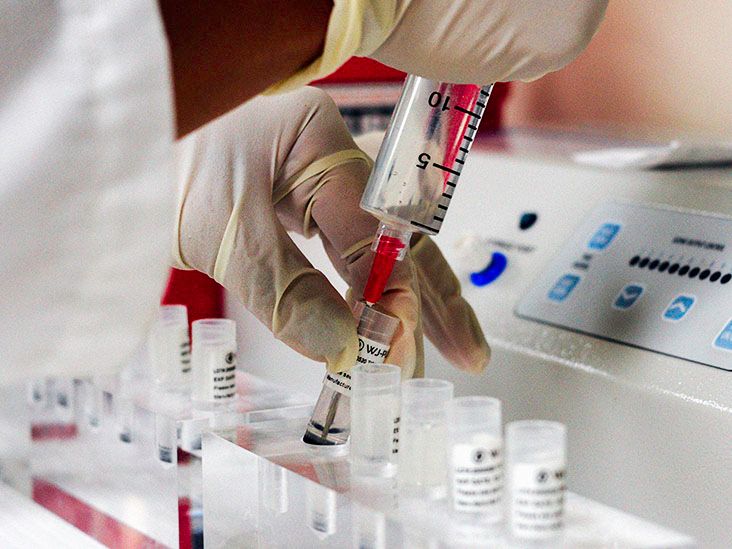
Acute myeloid leukemia, or AML, is the kind of diagnosis that makes everyone in the room suddenly become very interested in medical vocabulary. Words like “induction,” “remission,” “conditioning,” and “engraftment” start flying around like confetti at a very serious parade. Among the biggest terms patients and families may hear is bone marrow transplant for AML, also called a stem cell transplant or hematopoietic cell transplant.
A bone marrow transplant is not a simple “swap out the old marrow and pop in the new” procedure. If only medicine came with a reset button and a complimentary snack. Instead, it is an intensive treatment that uses high-dose therapy to make room for healthy blood-forming stem cells. For some people with AML, especially those at higher risk of relapse, this treatment can offer the best chance of long-term remission or cure. For others, the risks may outweigh the benefits.
This guide explains what a bone marrow transplant for AML involves, how survival rates are understood, which risks matter most, and what patients often experience before, during, and after transplant.
What Is AML?
AML is a fast-growing cancer of the blood and bone marrow. It begins in immature myeloid cells, which normally develop into red blood cells, white blood cells, or platelets. In AML, these immature cells multiply abnormally and crowd out healthy blood-forming cells. That can lead to anemia, infections, easy bruising, bleeding, fatigue, fever, bone pain, and other symptoms that are easy to mistake for “I’m just tired” until the body starts waving bigger red flags.
AML treatment usually starts quickly because the disease can progress rapidly. Standard therapy often includes induction chemotherapy to put the disease into remission, followed by consolidation therapy to reduce the chance of relapse. Depending on the patient’s age, genetic risk, response to treatment, measurable residual disease status, and overall health, consolidation may include additional chemotherapy, targeted therapy, or a stem cell transplant.
What Is a Bone Marrow Transplant for AML?
A bone marrow transplant replaces diseased or damaged blood-forming cells with healthy stem cells. In AML, the goal is usually to destroy remaining leukemia cells and rebuild the immune and blood-forming system with donor cells.
Allogeneic transplant
The most common transplant used for AML is an allogeneic stem cell transplant. “Allogeneic” means the stem cells come from another person. The donor may be a matched sibling, matched unrelated donor, partially matched family member, or umbilical cord blood unit. Doctors match donors using human leukocyte antigen, or HLA, markers. Think of HLA matching as the immune system’s version of checking IDs at the door. The closer the match, the lower the risk of certain complications, though no transplant is completely risk-free.
Allogeneic transplant can help in two ways. First, conditioning therapy uses chemotherapy, and sometimes radiation, to kill leukemia cells and suppress the patient’s immune system. Second, donor immune cells may recognize and attack leftover leukemia cells. This is called the graft-versus-leukemia effect. It is one of the reasons transplant can be powerful in AML. It is also why the immune system must be carefully managed afterward; the same donor cells that may fight leukemia can sometimes attack healthy tissue.
Autologous transplant
An autologous transplant uses the patient’s own stem cells. This approach is less common in AML because the collected cells may carry a risk of hidden leukemia contamination, and it does not provide the donor immune effect that can help prevent relapse. Some centers may consider it in selected situations, but allogeneic transplant is usually the main transplant option discussed for higher-risk AML.
Who May Need a Bone Marrow Transplant for AML?
Not every person with AML needs a transplant. Some people with favorable-risk AML may do well with chemotherapy or targeted therapy without transplant. Others have disease features that make relapse more likely, so transplant becomes part of the treatment conversation.
Doctors commonly consider a bone marrow transplant for AML when a patient has intermediate-risk or adverse-risk genetic changes, AML that returns after remission, AML that does not respond well to initial treatment, therapy-related AML, AML that develops from a previous blood disorder, or measurable residual disease after treatment. Measurable residual disease, often shortened to MRD, means very sensitive tests can still detect leukemia cells even when standard tests suggest remission. MRD positivity before transplant is generally linked with a higher risk of relapse afterward.
Age matters, but it is no longer the only gatekeeper. Older adults were once considered poor candidates for transplant simply because of age. Today, reduced-intensity conditioning, better infection prevention, improved donor options, and stronger supportive care mean some adults in their 60s and 70s may be candidates if they are otherwise fit enough. In transplant medicine, the number on the birthday cake matters, but so does how well the engine runs.
How the Transplant Process Works
1. Pre-transplant evaluation
Before transplant, the medical team performs a deep evaluation. This may include blood tests, bone marrow biopsy, heart and lung testing, kidney and liver function testing, infection screening, dental evaluation, imaging, medication review, and discussions about fertility, caregiving, finances, and emotional support.
This stage can feel like applying for a mortgage, joining NASA, and preparing for a marathon at the same time. The purpose is not to annoy patients with appointments. It is to estimate risk, prevent avoidable complications, and decide whether transplant is truly the best option.
2. Donor search and stem cell source
If a matched sibling is available, that may be the first option. If not, transplant centers can search donor registries for matched unrelated donors. Some patients may receive stem cells from a haploidentical, or half-matched, family donor. Cord blood may be an option in certain cases.
Stem cells can come from bone marrow, peripheral blood, or umbilical cord blood. Peripheral blood stem cell collection is common because it can provide a large number of cells and may speed engraftment. Bone marrow collection is done under anesthesia from the pelvic bones. Despite the name, a “bone marrow transplant” often uses stem cells collected from the blood rather than directly from marrow.
3. Conditioning therapy
Conditioning happens before the stem cell infusion. It may be myeloablative, meaning very intensive, or reduced-intensity, meaning gentler but still serious. Conditioning aims to kill remaining leukemia cells, make space in the marrow, and weaken the immune system enough to accept donor cells.
Myeloablative conditioning may be used for younger or very fit patients. Reduced-intensity conditioning may be used for older adults or people with other health conditions. “Reduced intensity” does not mean “easy.” It means the dose is adjusted to balance anti-leukemia effect with safety.
4. Stem cell infusion
The actual transplant day can be surprisingly quiet. Stem cells are infused through a central venous catheter, similar to a blood transfusion. No dramatic operating room music is required. The cells travel through the bloodstream to the bone marrow, where they begin the work of rebuilding blood production.
5. Engraftment and early recovery
Engraftment is when the donor cells start producing new blood cells. This usually takes a few weeks, though timing varies. During this period, patients are at high risk for infections, bleeding, mouth sores, diarrhea, nausea, fatigue, and nutritional problems. Many patients spend weeks in or near the hospital while the transplant team monitors blood counts, organ function, fever, medications, and signs of graft-versus-host disease.
Bone Marrow Transplant for AML Survival Rate
Survival rates after a bone marrow transplant for AML are not one-size-fits-all. Anyone offering a single magical number is probably oversimplifying, and AML does not enjoy being simplified. Outcomes depend on disease status at transplant, genetic risk, MRD status, age, donor match, conditioning intensity, organ function, infections, relapse risk, and how well complications are managed.
For AML overall, population-level five-year relative survival in the United States is roughly one-third, but that number includes many patients of different ages, disease types, and treatments. Transplant-specific survival can be higher or lower depending on the situation.
Patients transplanted in first complete remission generally have better outcomes than those transplanted with active disease or after multiple relapses. In broad clinical terms, many adults who undergo allogeneic transplant in remission may have long-term survival estimates in the range of about 40% to 70%, depending on risk features and study population. Patients transplanted in second remission may have lower but still meaningful chances of long-term survival. Those transplanted with refractory or active relapsed AML often face much tougher odds, sometimes closer to 10% to 30% in older studies and high-risk groups.
Children and younger adults often tolerate intensive treatment better and may have higher survival rates than older adults. However, older adults who are carefully selected for transplant may still benefit, especially when their AML has high-risk features and their overall health supports the procedure.
Key factors that influence survival
Disease status: Being in complete remission at transplant is one of the strongest favorable signs. Transplant can still be considered outside remission, but relapse risk is higher.
Genetics and mutations: AML is not one disease wearing one hat. It is a collection of biologically different leukemias. Mutations such as FLT3, NPM1, IDH1, IDH2, TP53, and chromosomal changes can influence prognosis and treatment planning.
MRD status: If sensitive testing detects residual leukemia before transplant, relapse risk after transplant is higher. MRD monitoring may also guide post-transplant decisions, such as maintenance therapy or early intervention.
Age and fitness: Chronological age matters, but functional status, organ health, frailty, nutrition, and other medical conditions matter just as much.
Donor match: A well-matched donor can reduce certain risks, though modern approaches have improved outcomes for unrelated and haploidentical donors.
Post-transplant care: Infection prevention, GVHD management, medication adherence, nutrition, rehabilitation, and close follow-up can all influence recovery.
Major Risks of Bone Marrow Transplant for AML
A bone marrow transplant can be lifesaving, but it is also one of the most intensive cancer treatments. The risks are real, and patients deserve plain language instead of sugarcoating. Sugar belongs in cookies, not consent forms.
Infections
After transplant, the immune system is weak. Patients may be vulnerable to bacterial, viral, and fungal infections. Fever after transplant is treated seriously because infections can become dangerous quickly. Preventive antibiotics, antivirals, antifungals, vaccines, hand hygiene, food safety, and avoiding sick contacts are all part of the recovery plan.
Graft-versus-host disease
Graft-versus-host disease, or GVHD, happens when donor immune cells attack the patient’s healthy tissues. Acute GVHD often affects the skin, liver, and digestive tract. Chronic GVHD can involve the skin, mouth, eyes, lungs, joints, liver, and other organs. GVHD can be mild, moderate, severe, or life-threatening.
Doctors use medications to lower GVHD risk, including immunosuppressive drugs. Some transplant approaches use post-transplant cyclophosphamide to help prevent GVHD, especially in haploidentical and other donor settings. The challenge is balance: doctors want enough donor immune activity to fight leukemia, but not so much that healthy organs become collateral damage.
Relapse
Relapse remains one of the biggest reasons transplant fails in AML. If AML returns after transplant, treatment may include targeted therapy, chemotherapy, donor lymphocyte infusion, immunotherapy, clinical trials, or supportive care depending on the situation. Relapse after transplant is difficult, but research continues to improve prevention and treatment strategies.
Organ damage
Conditioning therapy and transplant medications can affect the liver, kidneys, lungs, heart, and nervous system. One serious liver complication is sinusoidal obstruction syndrome, also called veno-occlusive disease. Lung complications may occur early or late. Care teams monitor organ function closely before and after transplant.
Graft failure
Graft failure means the donor cells do not successfully establish blood production. It is uncommon but serious. Treatment may require growth factors, additional stem cells, transfusions, infection management, or a second transplant in selected cases.
Infertility and hormonal changes
High-dose chemotherapy, radiation, and some conditioning regimens can affect fertility. Patients who may want children in the future should ask about sperm banking, egg freezing, embryo freezing, ovarian tissue preservation, or other options before treatment begins whenever time allows.
Long-term effects
Late effects can include cataracts, bone loss, thyroid problems, early menopause, fatigue, memory or concentration problems, sexual health changes, secondary cancers, emotional distress, and chronic GVHD. Survivorship care is not optional decoration. It is part of the treatment.
Benefits of Transplant: Why Take the Risk?
The biggest potential benefit is long-term remission or cure. For patients with higher-risk AML, chemotherapy alone may not provide enough protection against relapse. A transplant adds the graft-versus-leukemia effect, which can continue fighting residual disease after chemotherapy has done its work.
Transplant may also allow doctors to use post-transplant maintenance therapy in selected patients. For example, patients with FLT3-mutated AML may be considered for FLT3 inhibitor maintenance after transplant. Patients with IDH mutations may be evaluated for targeted strategies. These decisions depend on evolving evidence, approvals, side effects, and individual risk.
The benefit is not guaranteed. The decision is a careful trade-off between relapse risk without transplant and treatment-related risk with transplant. A good transplant conversation should include both sides of the scale, not just the shiny hope side.
Recovery Timeline After AML Transplant
Recovery varies, but many patients think in phases.
First month
The early phase focuses on surviving low blood counts, preventing infection, managing side effects, and waiting for engraftment. Fatigue can be intense. Appetite may disappear like it owes someone money. Mouth sores, nausea, diarrhea, and weakness are common.
First 100 days
The first 100 days are a major milestone because many early complications appear during this window. Patients often have frequent clinic visits, blood tests, medication adjustments, transfusions, and monitoring for GVHD. Caregivers play a major role with transportation, medication schedules, meals, cleaning, and emotional support.
Three months to one year
Energy may slowly return, but recovery is rarely a straight line. Some days feel like progress; others feel like someone unplugged the battery overnight. Immune rebuilding takes time. Many patients need revaccination after transplant because previous vaccine protection may be reduced or lost.
Beyond one year
Some people return to work, school, exercise, and travel. Others manage chronic GVHD, fatigue, infections, or organ issues. Long-term follow-up helps detect relapse, late effects, and quality-of-life challenges early.
How Patients Can Prepare for Transplant
Preparation is practical, emotional, and logistical. Patients should ask their transplant team about expected hospital stay, caregiver requirements, lodging near the transplant center, fertility preservation, infection precautions, diet, exercise, financial counseling, clinical trials, and emergency symptoms.
A medication list is essential. So is a reliable thermometer. A notebook or phone app can help track symptoms, appointments, questions, and lab results. Patients should also designate a main caregiver and backup caregiver because transplant recovery is not a solo backpacking trip. Even the most independent person will need help.
Questions to Ask the Transplant Team
Useful questions include: Why do you recommend transplant for my AML? What is my risk of relapse without transplant? Am I in remission? What is my MRD status? What donor options do I have? What conditioning regimen would you use? What survival range applies to patients like me? What are my personal risks for GVHD, infection, organ damage, infertility, and treatment-related death? Are maintenance therapies or clinical trials available after transplant? How long will I need a caregiver? What symptoms require urgent care?
Patients should not feel embarrassed asking the same question twice. Transplant information is dense. Nobody wins a prize for pretending to understand everything on the first pass.
Practical Experiences: What Patients and Caregivers Often Wish They Knew
Many AML transplant patients describe the experience as less like one big event and more like a long series of small tests. The stem cell infusion may take only a short time, but the recovery can stretch across months. One common surprise is how quiet transplant day itself can feel. Families may expect fireworks, dramatic music, or at least a ceremonial gong. Instead, a nurse may hang a bag of stem cells, check vital signs, and calmly do the work while everyone else wonders, “That’s it?” In a way, yes. In another way, that quiet bag is the beginning of an enormous biological rebuilding project.
Patients often say fatigue is more complicated than ordinary tiredness. It is not the “I stayed up too late watching a show” kind of tired. It can feel like walking through wet cement while carrying invisible groceries. Small tasks such as showering, eating, or answering messages may require planning. This is why pacing matters. A realistic goal might be walking to the mailbox, sitting outside for ten minutes, or eating a few bites of protein. Progress counts even when it arrives wearing tiny shoes.
Caregivers often learn that their job is part nurse, part driver, part chef, part appointment manager, and part emotional weather reporter. Medication schedules can be confusing, especially when doses change after lab results. Many caregivers use pill organizers, alarms, written charts, and color-coded notes. This is not overdoing it. It is survival administration, and it deserves respect.
Food can become unexpectedly tricky. Taste changes, nausea, mouth sores, and food safety rules may turn favorite meals into “absolutely not” meals. Patients may tolerate bland foods, smoothies, soups, eggs, yogurt, or small frequent snacks better than large meals. The goal is not culinary glamour. The goal is calories, protein, hydration, and avoiding unsafe foods while the immune system is weak.
Emotionally, transplant can create strange contrasts. A patient may feel grateful and terrified in the same hour. Families may celebrate good lab results while still worrying about relapse. Scanxiety, fear of fever, sleep disruption, body image changes, and frustration with slow recovery are common. Counseling, support groups, social workers, spiritual care, and honest conversations can help. Mental health support is not a luxury add-on; it is part of whole-person cancer care.
One of the most helpful experiences patients share is learning to report symptoms early. Fever, rash, diarrhea, shortness of breath, yellowing skin, severe fatigue, bleeding, confusion, or reduced urination should not be “wait and see” situations unless the transplant team says so. After transplant, small symptoms can become big problems quickly. Calling the team is not bothering them. It is exactly what they want patients to do.
Finally, many survivors say recovery changes their relationship with time. Milestones such as engraftment, day 100, six months, one year, and vaccine restart dates become meaningful. Some people return to a familiar life; others build a different one. Either way, the experience is not only medical. It is physical, emotional, financial, social, and deeply human.
Conclusion
A bone marrow transplant for AML can be one of the most powerful treatments available, especially for patients with higher-risk disease or AML that has returned. It may offer a chance for long-term remission or cure, but it also carries serious risks, including infection, graft-versus-host disease, relapse, organ damage, infertility, and long-term side effects.
Survival rates depend heavily on individual factors. Patients transplanted in remission, especially with low or undetectable MRD, generally have better outcomes than those transplanted with active disease. Donor match, age, fitness, AML genetics, and post-transplant care all shape the outlook.
The best decision comes from a detailed conversation with an experienced leukemia and transplant team. Patients should ask for personalized survival estimates, risk explanations, donor options, clinical trial possibilities, and a realistic recovery plan. AML may be aggressive, but modern transplant care gives many people a fighting chanceand sometimes, that chance is exactly what the next chapter needs.
Note: This article is for educational purposes only and does not replace medical advice. AML treatment and transplant decisions should always be made with a qualified hematologist-oncologist or transplant specialist who understands the patient’s full medical history.