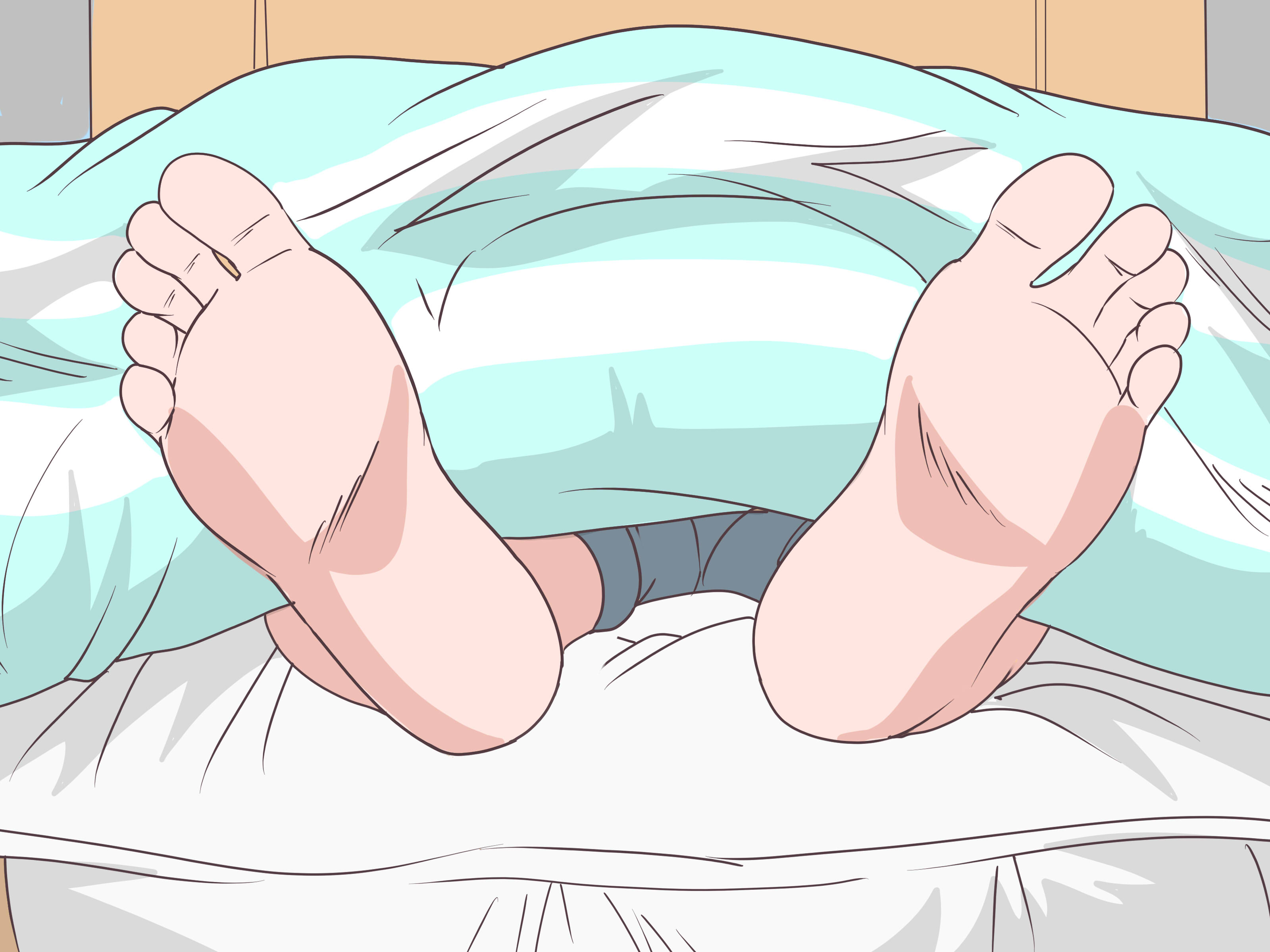
Few things can turn a peaceful night, a good workout, or a perfectly innocent walk to the fridge into a dramatic courtroom scene quite like a calf cramp. One second, your leg is minding its own business. The next, your calf muscle has decided to clench like it is auditioning for a superhero movie. Painful? Absolutely. Common? Very. Usually serious? Not always, but it definitely knows how to get your attention.
Calf cramps are sudden, involuntary contractions of the muscles in the back of the lower leg. They may last a few seconds or several minutes, and afterward the muscle can feel sore, tight, or tender. Many people call them “charley horses,” which sounds charming until one wakes you up at 2:37 a.m. and makes you negotiate with your own foot.
The good news is that most calf cramps can be relieved with simple at-home steps. The even better news is that you do not need a complicated routine, a drawer full of gadgets, or a PhD in leg drama. This guide breaks down three simple ways to relieve calf cramps quickly, plus practical prevention tips and real-life experience-based advice to help keep your calves calmer in the future.
What Causes Calf Cramps?
Before jumping into relief methods, it helps to understand why calf cramps happen. In many cases, the exact cause is hard to pin down. Muscle cramps can appear during exercise, after exercise, while resting, or during sleep. The calf muscles are especially vulnerable because they work hard all day during standing, walking, climbing stairs, driving, running, and even balancing your body while you pretend you only came into the kitchen for water.
Common triggers include muscle fatigue, dehydration, low intake of key minerals, sudden increases in activity, prolonged sitting or standing, tight muscles, poor footwear, pregnancy, and certain medications such as diuretics. Some medical conditions, including nerve problems, kidney disease, thyroid disorders, diabetes, and circulation issues, may also contribute to frequent leg cramps.
For most people, an occasional calf cramp is not a medical emergency. However, cramps that are severe, frequent, long-lasting, linked with swelling or redness, or interfering with sleep should be discussed with a healthcare professional. Pain in one calf with swelling, warmth, or shortness of breath should be treated urgently because it may signal something more serious than an ordinary cramp.
Way 1: Stretch the Calf Gently and Immediately
When a calf cramp hits, stretching is usually the fastest and most reliable first step. A cramp happens when the muscle contracts and does not relax properly. Gentle stretching encourages the muscle fibers to lengthen again, which can help break the painful contraction.
How to Do the Classic Calf Cramp Stretch
Sit or lie down with the affected leg straight. Slowly pull the toes of that foot toward your shin. You can use your hand, a towel, a belt, or a resistance band if reaching your foot is difficult. Keep the knee straight, breathe slowly, and hold the stretch for 15 to 30 seconds. Do not yank, bounce, or wage war against your calf. The goal is persuasion, not punishment.
If you are able to stand safely, another option is to place the cramped leg slightly behind you, keep the heel on the floor, and lean forward against a wall. You should feel the stretch through the back of the lower leg and possibly down toward the heel. Keep both feet pointed forward and avoid letting the back heel pop up.
Why Stretching Works
The calf is made up mainly of the gastrocnemius and soleus muscles. These muscles help point your toes, push your body forward while walking, and stabilize the ankle. When they cramp, your foot may point downward involuntarily. Pulling the toes upward does the opposite movement, helping the calf lengthen and release.
For nighttime calf cramps, stretching before bed may also help reduce the chance of another surprise attack. A simple wall stretch, held for 20 to 30 seconds on each side, can become part of a low-effort evening routine. It takes less time than scrolling through three “just one more” videos and is much kinder to your sleep.
Stretching Mistakes to Avoid
Do not bounce aggressively during a cramp. Fast bouncing can irritate the muscle and make it tighten more. Do not force the stretch to the point of sharp pain. A strong pulling sensation is normal, but sharp, tearing, or burning pain is a signal to stop. Also, avoid jumping right back into intense activity as soon as the cramp fades. Give the muscle a moment to recover before asking it to return to business as usual.
Way 2: Massage the Muscle and Use Heat or Cold
Stretching handles the “release” part of calf cramp relief. Massage, heat, and cold help with the “please stop complaining” part afterward. Once the cramp begins to ease, gently rub the calf with your hands. Start with light pressure and move slowly over the tight area. If the muscle feels like a hard knot, use small circular motions around it rather than digging directly into it like you are searching for buried treasure.
How to Massage a Cramped Calf
Place both hands around the calf and stroke upward toward the knee with gentle pressure. Then use your thumbs or fingertips to make slow circles over the tightest area. Keep the movement controlled and comfortable. If you have a foam roller or massage stick nearby, use it lightly after the worst of the cramp has passed. During the cramp itself, your hands may be better because you can adjust pressure quickly.
Massage may improve comfort by increasing local circulation, reducing tension, and calming the irritated muscle. It also gives you something useful to do while you mutter things at your calf that should not be printed in a family-friendly article.
When to Use Heat
Heat can be helpful when the calf feels tight, stiff, or sore after a cramp. A warm towel, heating pad, or warm shower may relax the muscle and make it easier to move. Use heat for 15 to 20 minutes at a comfortable temperature. Avoid falling asleep on a heating pad, and do not use intense heat on skin that has reduced sensation.
Heat is especially useful for people who get leg cramps at night or after long periods of sitting. For example, if your calf cramps after a day at a desk, a short walk followed by a warm shower and light stretching can be a simple recovery routine.
When to Use Cold
Cold may feel better if the calf remains sore, tender, or irritated after the cramp. Wrap an ice pack or cold pack in a thin towel and apply it for 10 to 15 minutes. Do not place ice directly on bare skin. Cold does not usually “unlock” a cramp as quickly as stretching, but it can calm lingering soreness afterward.
Think of heat and cold as two different tools. Heat says, “Relax, friend.” Cold says, “Let’s calm this down.” Your calf may prefer one over the other, so pay attention to what feels best.
Way 3: Hydrate, Replenish, and Prevent the Next Cramp
Relieving a calf cramp is great. Preventing the next one is even better. Hydration and mineral balance matter because muscles need fluid and electrolytes to contract and relax normally. Electrolytes include sodium, potassium, calcium, and magnesium. They help carry electrical signals that tell muscles when to tighten and when to let go.
Drink Fluids Consistently
Dehydration does not always announce itself with desert-level thirst. You may simply feel tired, headachy, sluggish, or more prone to muscle tightness. If you sweat heavily, exercise in hot weather, drink a lot of alcohol, or take medications that increase urination, your fluid needs may be higher.
A practical approach is to drink water throughout the day rather than trying to “catch up” all at once at night. Your bladder will not appreciate a midnight water-chugging competition. During workouts, drink before, during, and after activity. For long or sweaty exercise sessions, an electrolyte drink or salty snack may be useful, especially if you notice white salt marks on your clothes or skin after sweating.
Eat Mineral-Rich Foods
Food is a smart place to start before reaching for supplements. Potassium-rich foods include bananas, oranges, potatoes, sweet potatoes, beans, lentils, spinach, yogurt, and avocado. Magnesium-rich foods include nuts, seeds, whole grains, leafy greens, black beans, and dark chocolate. Calcium can come from dairy products, fortified plant milks, tofu made with calcium, canned salmon with bones, and leafy greens.
This does not mean one banana can magically stop every cramp. Bananas are helpful, but they are not tiny yellow paramedics. Instead, think of mineral-rich foods as part of your overall muscle-support plan. Balanced meals, enough fluids, and regular movement work better together than any single miracle snack.
Be Careful With Supplements and Quinine
Magnesium supplements are popular for leg cramps, but results vary, and they are not right for everyone. People with kidney disease, certain heart conditions, or those taking specific medications should talk with a healthcare professional before using magnesium. Too much supplemental magnesium can cause diarrhea, nausea, and more serious problems in vulnerable people.
Quinine deserves an extra warning. Although it has a history of use for nighttime leg cramps, it is not recommended for routine treatment or prevention because it can cause serious side effects, including dangerous heart rhythm problems, severe allergic reactions, bleeding problems, and kidney injury. Tonic water contains much less quinine than prescription medication, but it should not be treated as a cramp cure.
Extra Prevention Tips for Calf Cramps
Warm Up Before Exercise
Cold, tight muscles are more likely to complain when suddenly asked to sprint, jump, or climb hills. Spend five to ten minutes warming up with light movement before harder exercise. Walking, easy cycling, ankle circles, and gentle calf raises can prepare the lower legs for work.
Increase Activity Gradually
Many calf cramps show up after a sudden jump in intensity. Maybe you went from casual walking to weekend warrior mode, or from “I own running shoes” to “let’s do hill sprints.” Muscles prefer gradual change. Increase distance, speed, or resistance slowly so your calves have time to adapt.
Move During Long Sitting or Standing
Long periods in one position can make calves stiff. If you sit at a desk, point and flex your feet occasionally, circle your ankles, and stand up for short movement breaks. If you stand for work, shift weight, do gentle calf raises, and wear supportive shoes. Your calves are not furniture; they like to be invited to move.
Check Your Sleep Position
Some people sleep with their toes pointed downward, which shortens the calf muscles for hours. Heavy bedding can also push the feet into that position. Loosening sheets at the foot of the bed or sleeping with the feet in a more neutral position may reduce nighttime cramps.
When Should You See a Doctor?
Most calf cramps are harmless and improve with self-care. Still, it is wise to seek medical advice if cramps happen often, wake you repeatedly, last longer than a few minutes, occur with weakness or numbness, or begin after starting a new medication. You should also get help if calf pain comes with swelling, redness, warmth, or tenderness in one leg, especially after travel, surgery, injury, or long immobility.
A healthcare provider may review your medications, hydration habits, exercise routine, medical history, and symptoms. In some cases, blood tests or other evaluations may be needed to look for electrolyte problems, thyroid issues, kidney concerns, circulation problems, or nerve-related causes.
A Simple Calf Cramp Relief Routine
Here is an easy routine to remember when a calf cramp strikes:
- Stretch: Straighten the leg and pull the toes toward the shin for 15 to 30 seconds.
- Massage: Rub the calf gently until the tightness starts to fade.
- Recover: Use heat for stiffness or cold for soreness, then sip water and move slowly.
For prevention, stretch calves before bed, drink fluids consistently, eat a balanced diet with potassium, magnesium, and calcium, warm up before exercise, and avoid sudden jumps in activity. Simple does not mean weak. Sometimes the most effective solutions are the ones you can actually remember while half-asleep and bargaining with your leg.
Real-Life Experience: What Calf Cramps Teach You the Hard Way
Anyone who has dealt with calf cramps more than once eventually learns that the body has a very direct communication style. It may whisper with mild tightness during the day, then yell at night with a full calf cramp that launches you upright like a toaster pastry. The experience is memorable, humbling, and oddly educational.
One common experience is the “after a busy day” cramp. You spend hours walking, standing, cleaning, shopping, gardening, or traveling. Everything feels fine until bedtime. Then, just as sleep gets comfortable, the calf tightens into a rock. In that moment, stretching becomes less of a wellness tip and more of a survival skill. Pulling the toes toward the shin, breathing through the discomfort, and gently massaging the muscle can turn the panic down quickly.
Another familiar situation is the “new workout enthusiasm” cramp. Maybe you return to running after months away, try a new fitness class, or decide that stairs are your new personality. The calves work harder than usual, fatigue builds, and later they stage a protest. This teaches an important lesson: muscles enjoy ambition, but they prefer ambition with a warm-up. Gradual training, rest days, and post-exercise stretching are not boring details. They are peace treaties.
Hydration is another lesson people often learn through trial and error. Many people assume they are drinking enough because they have coffee, tea, or an occasional glass of water nearby. But during hot weather, travel, illness, or sweaty exercise, fluid needs change. A day of too little water can make calves feel tighter by evening. Adding regular water breaks and mineral-rich foods can make a noticeable difference, especially for people who cramp after workouts or during summer heat.
There is also the “desk leg” experience. Long hours sitting can leave calves stiff, ankles lazy, and circulation sluggish. Then a sudden walk, stair climb, or stretch in bed triggers a cramp. The fix is not dramatic. A few ankle circles, standing breaks, short walks, and calf raises throughout the day can help keep the lower legs from turning into office equipment.
The biggest experience-based takeaway is that calf cramps respond best to consistency. One stretch after one cramp helps in the moment, but regular calf care helps reduce repeat episodes. Keep a towel or strap near the bed if nighttime cramps are common. Stretch after showers when muscles are warm. Wear supportive shoes on long days. Eat real meals instead of relying on random snacks and heroic caffeine. Your calves may not send a thank-you card, but they may stop waking you up like a tiny muscular alarm clock.
Calf cramps are annoying, but they are also useful reminders. They tell you to move more gently, hydrate more steadily, stretch more often, and respect recovery. In other words, your calf may be dramatic, but sometimes it has a point.
Conclusion
Calf cramps can feel intense, but the best first steps are simple: stretch the muscle, massage it gently, and support recovery with heat, cold, hydration, and balanced nutrition. Most cramps pass quickly and can be managed at home. To reduce future cramps, build a routine around calf flexibility, regular movement, proper warm-ups, gradual exercise progress, supportive shoes, and steady fluid intake.
Do not ignore frequent or unusual cramps, especially if they come with swelling, weakness, numbness, redness, warmth, or severe pain. Your legs carry you through the day, so they deserve more than emergency attention at midnight. Give your calves a little daily care, and they may be far less likely to turn your peaceful evening into a one-leg opera.