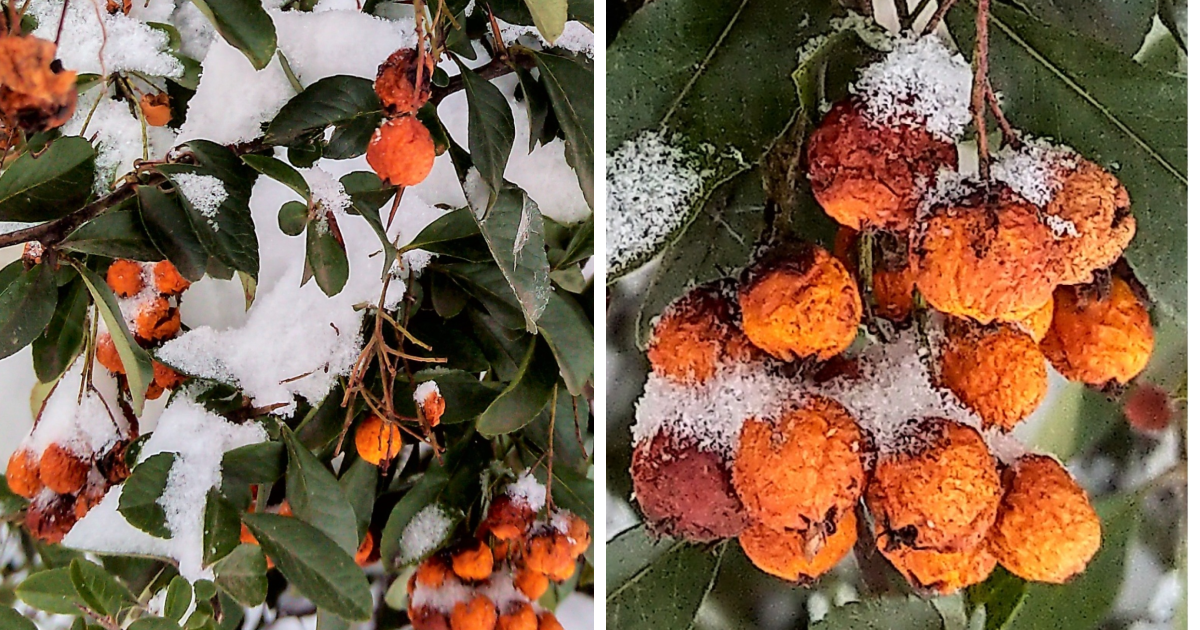
Winter can feel like the world hit a “desaturate” filter. Trees go bare, skies lean gray, sidewalks become fifty shades of slush, and everyone mysteriously owns the same black puffer jacket. That’s exactly why bright color in winter photography is so satisfying. A red mitten, a yellow umbrella, cobalt-blue door trim, or a bowl of oranges on a snowy windowsill can steal the scene in one frame.
This is where the challenge “Hello Pandas, Post A Photo Of A Bright-Colored Accent In Winter” shines: it invites people to notice small, joyful details that are easy to miss during cold months. It’s simple, social, and wildly photogenic. Better yet, it works for everyonefrom DSLR lovers and phone-camera pros to people who mostly photograph coffee cups and their dog’s dramatic side-eye.
In this guide, you’ll get practical photo techniques, color-picking ideas, winter styling inspiration, caption formulas, and community-building tips that can help your post stand out. You’ll also get a 500-word experience section at the end to capture the emotional side of this theme and make your article richer for readers and search engines alike.
Why Bright Color Hits Different in Winter
1) Winter light changes your mood and your visuals
When days are shorter and sunlight is limited, many people feel a seasonal dip in energy and mood. Seasonal Affective Disorder (SAD) is a real patternnot just “I need a blanket and three naps.” In winter, some people experience low energy, mood changes, and reduced motivation. So when you deliberately look for bright details, the act itself can feel mentally refreshing. Your camera roll becomes a tiny rebellion against gloomy weather.
2) Color contrast is stronger against snow and neutrals
Winter scenes often have naturally low color varietywhite snow, gray sky, brown branches, dark coats. Add one saturated object and your composition gains instant hierarchy. The eye lands exactly where you want it to. That’s the visual superpower of a bright winter accent: it creates a clear focal point without complicated editing.
3) Color harmony helps “random” photos feel intentional
If you’ve ever wondered why some photos feel cinematic while others feel accidental, color relationships are usually the secret. Complementary pairs (like blue/orange), analogous tones (like red/orange/yellow), and triadic combinations can make winter photos feel designed instead of lucky. Even one small accent can look editorial when the palette is intentional.
What Counts as a Bright-Colored Accent?
A bright-colored accent is a small, high-impact visual element that stands out from a muted environment. In winter photography, that can be:
- Nature accents: oranges on a tree, red berries, evergreen wreath ribbon, cardinal feathers.
- Fashion accents: neon beanie, scarlet gloves, mustard scarf, bright rain boots.
- Street accents: colorful doors, murals, bicycles, umbrellas, holiday market signs.
- Home accents: jewel-tone pillows, bold throw blankets, painted furniture, vibrant ceramics.
- Food accents: pomegranate seeds, citrus slices, hot cocoa toppings, candy cane reds.
Rule of thumb: if the object would still grab attention in a black-and-white winter scene converted back to color, you’ve found your accent.
How to Photograph Bright Accents in Winter Like a Pro
1) Fix exposure so snow looks white (not dull gray)
Cameras often underexpose snow because light meters try to average scenes toward medium gray. The result: muddy snow and a photo that looks colder than your landlord. Use positive exposure compensation (or manual adjustments) so whites stay bright and your accent color pops naturally.
2) Control white balance to protect your color story
Auto white balance can flatten the mood or remove intentional warmth/coolness in winter light. If your scene has beautiful blue shadows or warm late-afternoon tones, consider setting white balance manually or using presets. This is especially useful when your accent is warm (orange/red) against a cool environment.
3) Keep batteries warm and rotate spares
Cold weather drains battery performance faster. Bring fully charged extras and keep them in an inner pocket close to body heat. If one battery appears dead, warming it can recover usable power. This tiny habit saves shoots, especially when your perfect accent appears for five magical seconds and then disappears forever.
4) Use simple composition frameworks
- Rule of thirds: place the accent off-center for movement.
- Negative space: let snow or sky surround the object to amplify color impact.
- Leading lines: use sidewalks, fences, branches, or footprints to guide the eye.
- Foreground framing: shoot through frosted windows or branches for depth.
- Low angle: emphasize contrast between bright object and pale ground.
5) Adjust ISO and shutter speed for low winter light
Dim winter days often require raising ISO. If your subject moves (pets, kids, snowfall, birds), prioritize enough shutter speed to avoid blur. A technically imperfect photo with emotional energy beats a technically perfect photo of nothing happening.
Styling Bright Accents Indoors and Outdoors
Indoor winter accent ideas
Design publications consistently recommend layering soft textures, warm lighting, and seasonal color swaps for winter comfort. In practice, that means throws, pillows, lamps, and artwork are your low-risk, high-impact tools. If you don’t want to repaint walls, swap textiles and tabletop pieces. If you do want bolder change, accent paint or color drenching can transform a room quickly.
Try one of these combinations:
- Ivory + charcoal + burnt orange
- Greige + wood tones + deep teal
- Snow white + black + cherry red
- Soft sage + cream + golden yellow
Outdoor and street accent ideas
Look for high-contrast objects against snow or cloudy skies:
- Mailboxes and doors painted in saturated colors
- Holiday leftovers (ribbon, wreaths, lights) that still photograph well
- Farmers market produce in winter stalls
- Umbrellas in rain/sleet scenes
- Public art and murals near neutral architecture
Pro tip: shoot after light snow or drizzle when surfaces are clean and reflections add texture.
Prompt Ideas for “Hello Pandas” Style Participation
If you’re posting in a challenge format, give people an easy entry point. Here are engagement-friendly prompts:
- “Show one bright object that made your cold day feel warmer.”
- “Post a winter photo with exactly one bold color.”
- “Find color in nature: berries, bark, birds, or fruit.”
- “Show your coziest indoor accent this week.”
- “Capture a bright accessory in motion: scarf, umbrella, or gloves.”
- “Post a before/after edit: muted vs color-enhanced.”
- “Find a blue-and-orange winter scene.”
- “Show your neighborhood’s brightest winter corner.”
- “What color feels like ‘warmth’ to you this season?”
- “Tell the story behind your brightest winter photo.”
Caption Formulas That Actually Get Comments
Great winter captions are specific, sensory, and conversational. Try these templates:
- Micro-story: “It was 28°F, my fingers were numb, and then this red umbrella appeared like a movie prop.”
- Question hook: “Team winter neutrals or team neon scarf?”
- Color meaning: “I picked yellow today because gray skies needed competition.”
- Behind-the-shot: “Snow kept metering gray, so I bumped exposure and waited for one clean step.”
- Playful line: “Winter said monochrome; my mittens said absolutely not.”
How This Theme Builds Community (Not Just Pretty Posts)
Photo challenges work because they combine creativity, low pressure, and social connection. People can join with any camera, any budget, any style. That inclusivity matters. Research on social platforms shows many teens use social media for creativity and connection, while also needing healthier, less comparison-heavy ways to participate. A prompt centered on observation, storytelling, and color can encourage positive interaction without turning everything into a perfection contest.
In short: this challenge is not only about aesthetics. It can also be about attention, gratitude, and shared perspective during a season that can feel isolating.
Mistakes to Avoid in Bright Winter Accent Photos
- Over-editing saturation: if reds bleed, pull back.
- Ignoring background clutter: bright trash bins are not always “accent art.”
- Flat composition: move your feet; change angle before changing filters.
- No clear subject: one hero accent beats five competing colors.
- Cold battery surprise: carry spares and keep them warm.
- Caption mismatch: if your photo is intimate, don’t use a generic meme caption.
Conclusion
“Hello Pandas, Post A Photo Of A Bright-Colored Accent In Winter” is the kind of prompt that looks simple and delivers big. It helps people see beauty in ordinary places, practice real photography skills, and connect through small stories that feel human. Whether your accent is a crimson glove, a turquoise planter, a marigold throw pillow, or a line of bright oranges in fresh snow, your image can do more than look goodit can make someone pause, smile, and notice their own winter differently.
If you want your post to stand out, keep this formula: one strong color + intentional exposure + honest caption + tiny story. That’s the sweet spot between visual impact and emotional resonance. Winter may be cold, but your feed doesn’t have to be.
500-Word Experience Section: Field Notes from a Bright-Accent Winter Thread
The following is a composite experience narrative built from common creator behaviors in winter photo challenges.
On the first day of the challenge, the thread felt quiet. People posted cautious photos: a red mug by a foggy window, a green plant in a neutral living room, a blue knit hat on a chair. Nothing dramaticjust little attempts. Then someone uploaded a shot of bright oranges hanging on a branch dusted with snow. The image was simple, but the comments woke up instantly: “This feels like a painting,” “I can almost smell winter citrus,” “Why is this so calming?” The mood changed from performance to participation.
By day three, contributors were no longer asking, “Is this good enough?” They were asking, “Does this color feel right?” A parent posted a child’s yellow rain boots beside a slushy curb. A college student shared a magenta scarf draped over a gray bike basket. Someone in a small apartment photographed a cobalt kettle under warm kitchen light and wrote, “I can’t control the weather, but I can control this corner.” That line got more replies than photos with heavy edits.
What stood out most was how people slowed down to notice details they normally ignored. One participant said they started taking the long way home to pass a mural. Another kept a note in their phone called “winter color sightings.” A retiree who rarely posted online uploaded three images in one week: cardinal birds on frozen branches, a bright red mailbox after snowfall, and a purple throw blanket near a reading lamp. Their final caption read, “I thought winter had no color. Turns out I just wasn’t looking closely.”
There were technical learning moments, too. Early photos had muddy snow and dark shadows; later posts were cleaner, brighter, and more intentional. People compared settings, explained why white balance mattered, and swapped practical tips like warming spare batteries inside coat pockets. Instead of gatekeeping, experienced photographers translated camera language into plain English: “Try +1 exposure first.” “Let your accent be the hero.” “Step back and simplify the background.” The thread became a workshop without feeling like a classroom.
Interestingly, the most-loved images were not always the sharpest. A slightly blurry photo of a red mitten reaching for snowflakes drew hundreds of reactions because it felt alive. A grainy evening shot of neon signs reflecting on wet sidewalks worked because the color carried emotion. People responded to intention more than perfection. They could tell when a photo was about noticing something meaningful, not just collecting likes.
By the end of the challenge, many participants said they felt less stuck in winter routines. Some printed their favorite photo and framed it. Others started mini projects: one bright-accent image every Sunday until spring. The biggest takeaway was simple: looking for color changed how they experienced the season. Winter didn’t become warmer, but it became richerfull of tiny signals that life, creativity, and joy were still very much in season.